




Invertir en energía solar con poco capital: una guía práctica para 2026
Comprender el contexto de la inversión en energía solar en 2026
La energía solar continúa siendo una fuente de energía renovable líder a nivel mundial gracias a las constantes mejoras en la tecnología de paneles solares, incluyendo eficiencias promedio de módulos comerciales cercanas a 22% y reducciones de costos estandarizadas por la Agencia Internacional de Energías Renovables (IRENA). En 2026, los proyectos solares contarán con un mayor respaldo de los marcos regulatorios en la Unión Europea y Serbia, con el objetivo de cumplir con las metas de reducción de carbono alineadas con el Acuerdo de París.
Plataformas como Solar Plus Garden democratizan la inversión solar al permitir que los pequeños y medianos inversores participen en parque solar Invertir sin necesidad de un gran capital inicial. Su proyecto insignia de parque solar de 10 MW produce energía suficiente para abastecer anualmente a aproximadamente 2.500 hogares serbios promedio, basándose en niveles de insolación locales de entre 1.100 y 1.300 kWh/m².2 por año.
Estos proyectos solares a escala industrial amplían la capacidad de generación de energía renovable al tiempo que brindan a los inversores acceso a activos solares físicos que no podrían financiar de forma independiente. La combinación de la producción de energía solar y una membresía de la comunidad Este modelo aumenta la participación de los inversores y crea flujos de ingresos diversificados que respaldan unos costes operativos sostenibles.
Mecanismo de inversión en energía solar con bajo capital
Solar Plus Garden permite a los inversores participar con una inversión mínima de capital a partir de 500 €, significativamente inferior a la de los fondos solares tradicionales, que suelen superar los 10 000 €. Este acceso tan accesible se combina con la membresía a la comunidad Garden, que requiere una cuota única de 200 €. Esta cuota es independiente de la inversión directa en proyectos solares y proporciona acceso a iniciativas comunitarias y beneficios derivados de la producción agrovoltaica.
Las cuotas de membresía se reinvierten sistemáticamente en los activos de energía solar, generando flujos de ingresos no solo de la producción de electricidad, sino también de las actividades comunitarias, lo que garantiza un modelo de ciclo cerrado donde los beneficios para la comunidad son sostenibles y se financian con los flujos de efectivo del proyecto solar.
Las transacciones financieras se ejecutan mediante un modelo de depósito en garantía regulado que cumple con la legislación financiera de Estonia y Serbia, lo que impide la liberación prematura o no autorizada de los fondos de los inversores. Este mecanismo está diseñado para mantener la seguridad del capital de los inversores, garantizando que los fondos solo fluyan al cumplirse los hitos del proyecto y las obligaciones contractuales.
Costos asociados a la inversión solar de bajo capital
- Cuota de membresía del jardín: Un pago único de 200 € otorga la membresía en la comunidad Garden. Esta comunidad gestiona de forma independiente las actividades agrovoltaicas y la participación de sus miembros, y es legalmente distinta de la empresa estonia OÜ que opera la planta solar.
- Suscripción opcional a la caja de jardín: Por 20 € al mes, los miembros reciben 18 entregas al año de productos frescos de temporada cultivados mediante prácticas agrovoltaicas, lo que mejora la producción local de alimentos en sinergia con el uso de terrenos para granjas solares.
- Sin cargos adicionales ni tarifas ocultas: Una gobernanza financiera transparente garantiza que todos los costes, incluidos los gastos administrativos y operativos, se divulguen claramente; los inversores no se enfrentan a comisiones no documentadas más allá de las opciones de membresía y suscripción.
- Estructura legal y operativa: La sociedad estonia OÜ de Solar Plus Garden, constituida el 20 de febrero de 2026, es propietaria del parque solar y gestiona el capital de los inversores, mientras que las actividades operativas son gestionadas por una sociedad de responsabilidad limitada serbia (DOO), lo que garantiza el cumplimiento de los requisitos jurisdiccionales.
Esta claridad en los costes permite a los inversores con capital limitado presupuestar de forma eficaz la inversión en energía solar y la participación comunitaria, fomentando el compromiso a largo plazo y reduciendo las incertidumbres financieras.
Riesgos a considerar al invertir en proyectos solares
Invertir en energía solar conlleva riesgos específicos que los pequeños inversores deben evaluar:
- Riesgos de mercado y regulatorios: Las tarifas de alimentación y los acuerdos de compra de energía (PPA, por sus siglas en inglés) establecidos en virtud de las normativas energéticas serbias y estonias determinan los flujos de ingresos. Las modificaciones o reducciones de estas tarifas, sujetas a las actualizaciones de la política energética nacional, pueden disminuir la rentabilidad prevista.
- Riesgos de desempeño del proyecto: Según las garantías del fabricante y las certificaciones de calidad IEC 61215, los paneles solares se degradan a un ritmo aproximado de 0,51 TP3T a 11 TP3T por año, lo que afecta la producción de energía a largo plazo. El mantenimiento de los inversores y la infraestructura de soporte, que generalmente tiene una garantía de 10 años, genera costos operativos que impactan el rendimiento neto.
- Riesgos relacionados con la transparencia y el control financiero: Solar Plus Garden evita los fondos no regulados tipo depósito en garantía, garantizando que los pagos a los inversores estén segregados y se liberen solo bajo condiciones contractuales acordadas y regidas por acuerdos de depósito en garantía según la legislación estonia, lo que mitiga el uso indebido o el desvío de fondos.
- Riesgos comunitarios y legales: La separación de las entidades jurídicas que gestionan los proyectos solares (la sociedad anónima estonia OÜ) y la comunidad Garden (una entidad jurídica serbia independiente) limita la responsabilidad cruzada y garantiza la claridad en la gestión de activos y la rendición de cuentas operativa, en consonancia con los marcos jurídicos corporativos de la UE y de Serbia.
Los inversores deben sopesar estos riesgos en función de su horizonte de inversión previsto y su tolerancia, teniendo en cuenta que la estabilidad regulatoria en Estonia y Serbia ha demostrado una baja volatilidad, pero sigue estando sujeta a cambios políticos y de políticas a lo largo del tiempo.
Proceso paso a paso para invertir en energía solar con Solar Plus Garden
Solar Plus Garden implementa un proceso de incorporación definido en cuatro fases para los inversores, con el fin de garantizar el cumplimiento y la transparencia:
- Únase a la lista de espera para inversores: El registro en solarplusgarden.com inicia el proceso, colocando a los posibles inversores en la lista de espera para acceder a la información y recibir comunicaciones.
- Procedimientos completos de KYC/KYB: La verificación de la identidad del inversor y de la titularidad real cumple con la normativa contra el blanqueo de capitales (AML, por sus siglas en inglés) establecida por la Unidad de Inteligencia Financiera de Estonia y las autoridades serbias, lo que garantiza la elegibilidad legal para participar.
- Pague su membresía de jardín y seleccione su inversión: Los inversores abonan la cuota de socio de la comunidad Garden de 200 €, y posteriormente deciden invertir un mínimo de 500 € en acciones de la planta solar en fases específicas del proyecto. Las estructuras de las fases 1 y 2 se diferencian en que ofrecen participaciones con rentabilidad variable o planes de pago garantizados respaldados por previsiones de ingresos contractuales.
- Plataformas de monitoreo de acceso: Los inversores reciben credenciales digitales para acceder a un panel de control en línea que proporciona datos de producción del parque solar en tiempo real, informes financieros y actualizaciones sobre las actividades de la comunidad. Esta plataforma facilita la participación continua de los inversores y el seguimiento de la transparencia.
Comparación de opciones de inversión: acciones solares, ETF y energía solar comunitaria.
Para quienes buscan formas de invertir en energía solar, el panorama incluye múltiples vías:
- Acciones y ETF de energía solar: Invertir en acciones de empresas solares o en fondos cotizados (ETF) especializados en energía solar permite acceder al mercado solar, pero implica una volatilidad de liquidez influenciada por la dinámica del mercado bursátil, ajena al rendimiento de cada proyecto solar. Los mínimos de inversión varían, pero suelen superar los 1000 €.
- Inversión directa en energía solar: Plataformas como Solar Plus Garden permiten la participación directa en parques solares operativos, vinculando el valor de la inversión con la generación real de electricidad y el impacto local de las energías renovables. Esto contrasta con los instrumentos financieros indirectos, que carecen de transparencia específica sobre los activos.
- Modelos de energía solar comunitaria: Estas iniciativas facilitan la inversión de capital a pequeña escala, a menudo con puntos de entrada inferiores a 1000 €, y ofrecen la participación de inversores en proyectos solares comunitarios, con especial atención a la autonomía energética local y la transparencia en la gobernanza. Solar Plus Garden integra este concepto con un modelo de energía agrovoltaica comunitaria, único por combinar la inversión en parques solares con beneficios locales tangibles.
- Liquidez y control: Las acciones y los ETF generalmente ofrecen liquidez diaria, pero una influencia limitada en las decisiones operativas. Los proyectos solares comunitarios implican períodos de permanencia más prolongados, alineados con las fases del proyecto, lo cual se compensa con una supervisión operativa directa y una participación activa de la comunidad.
Los inversores que priorizan la inversión en parques solares de bajo capital con un impacto local transparente pueden encontrar que las soluciones solares comunitarias se ajustan mejor a sus objetivos, equilibrando un tamaño de entrada manejable con una participación tangible en los activos.
Factores del mercado local que afectan a la inversión en energía solar en Serbia y Estonia.
La estructura jurídica de Solar Plus Garden utiliza una entidad estonia OÜ para la tenencia de inversiones y la propiedad de activos, constituida el 20 de febrero de 2026, mientras que las operaciones del proyecto se llevan a cabo a través de una DOO serbia. Esta división optimiza el cumplimiento normativo, la eficiencia fiscal y la protección del inversor bajo las diferentes legislaciones de la UE y Serbia.
Las tarifas de alimentación, contempladas en la Ley de Energía de Serbia y la Ley de Energías Renovables de Estonia, sustentan actualmente proyecciones de ingresos estables, vinculadas a los precios del mercado eléctrico, que están limitados por decretos gubernamentales. Las tarifas de ambos países se revisan cada 1-3 años, lo que afecta la viabilidad económica de los proyectos a largo plazo.
La irradiación solar en Serbia oscila entre 1200 y 1300 kWh/m² anuales, lo que proporciona condiciones favorables para la producción de parques solares, complementada con la integración agrivoltaica. Este enfoque de doble uso mejora la productividad de la tierra al albergar paneles solares sobre parcelas de cultivos orgánicos en el proyecto Jardín, maximizando así la rentabilidad del terreno.
Los inversores deben realizar un seguimiento periódico de los anuncios de políticas y la capacidad de integración a la red en ambos países, ya que los cambios regulatorios pueden afectar significativamente la viabilidad de los proyectos solares y la rentabilidad de las inversiones.
Criterios de decisión para elegir una inversión solar de bajo capital
Los criterios a evaluar antes de invertir en proyectos solares con capital limitado incluyen:
- Transparencia y gobernanza: Se debe dar preferencia a las plataformas con modelos de pago en depósito formalmente regulados y contratos legalmente establecidos que garanticen que los fondos de los inversores se desembolsen en función de los hitos del proyecto y los resultados verificados.
- Inversión mínima y estructura de membresía: Plataformas como Solar Plus Garden especifican claramente inversiones mínimas a partir de 500 € más una cuota de membresía comunitaria de 200 €, lo que facilita la participación accesible sin comprometer la integridad de la financiación del proyecto.
- Flujos de ingresos y fuentes de rendimiento: Los inversores deben verificar el origen de los rendimientos, que provienen principalmente de la venta de energía solar mediante tarifas de alimentación o acuerdos de compra de energía (PPA), complementados con la reinversión de las cuotas de membresía de la comunidad que apoyan las actividades agrovoltaicas y comunitarias, lo que garantiza unos ingresos diversificados y estables.
- Fase de desarrollo del proyecto y opciones de salida: El conocimiento de los cronogramas de las fases del proyecto y los modelos de participación accionaria o de pago garantizado asociados influye en las expectativas de tiempo para la inmovilización de capital y los posibles eventos de liquidez.
La aplicación de estos criterios ayuda a los inversores a seleccionar vehículos de inversión en energía solar que se ajusten a sus objetivos financieros y tolerancia al riesgo, al tiempo que maximizan la transparencia y el impacto.
Perspectivas: El papel de la inversión comunitaria en energía solar en el crecimiento de las energías renovables.
Las plataformas de inversión solar comunitaria como Solar Plus Garden están ampliando la escala y la accesibilidad de la inversión en energías renovables. Con una capacidad operativa capaz de albergar hasta 3000 parcelas de jardín, el modelo integra una generación sustancial de energía solar con la comunidad. agrivoltaica, al mismo tiempo que se apoya la agricultura ecológica local y se reduce la dependencia de los combustibles fósiles.
Este concepto de doble uso del suelo mejora la sostenibilidad general al producir energía limpia y alimentos locales, al tiempo que diversifica los ingresos de los inversores a través de múltiples fuentes de ingresos.
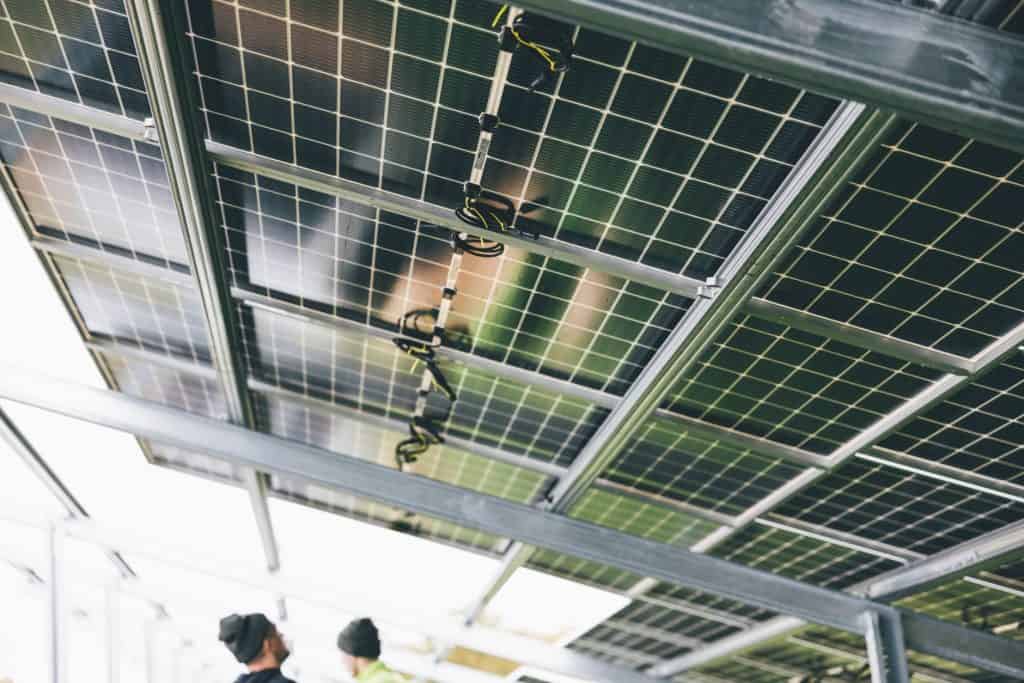
Las continuas innovaciones en tecnología solar, incluidos los paneles bifaciales y la mejora de la eficiencia de los inversores, que se prevé que aumenten entre un 2% y un 31% anualmente, junto con el apoyo normativo en constante evolución, mejoran las perspectivas de obtener rentabilidades estables y crecientes en las inversiones solares.
La proliferación de plataformas solares comunitarias transparentes y con estructura legal permite una amplia participación de los inversores, en particular de los pequeños y medianos inversores, impulsando la adopción descentralizada de energías renovables en toda Europa.
Preguntas frecuentes
- ¿Cuál es el capital mínimo necesario para invertir en Solar Plus Garden?
- La inversión mínima en el proyecto solar de Solar Plus Garden es de 500 €, además de una cuota única de 200 € para unirse a la comunidad de Garden.
- ¿Qué relación guarda la cuota de socio del jardín con la inversión en energía solar?
- La cuota de socio de 200 € del Jardín da acceso a la comunidad y a sus actividades agrovoltaicas. Si bien legalmente no forma parte de la inversión en la planta solar que posee la empresa estonia OÜ, estas cuotas se reinvierten en activos solares, contribuyendo a la sostenibilidad general del proyecto.
- ¿Qué garantías o protecciones existen para los pequeños inversores?
- Solar Plus Garden emplea un marco legal transparente que involucra una sociedad anónima estonia (OÜ) y una sociedad de responsabilidad limitada serbia (DOO), junto con mecanismos de pago en custodia regulados bajo las respectivas jurisdicciones, lo que reduce los riesgos de uso no supervisado de los fondos y mejora la seguridad de los inversores.
- ¿Puedo participar en la comunidad Solar Plus Garden sin invertir directamente en energía solar?
- Sí. La membresía comunitaria solo requiere una cuota de 200 €, independientemente de cualquier inversión en proyectos solares, lo que permite una mayor participación en los beneficios comunitarios y agrovoltaicos.
Conclusión
Invertir en energía solar con poco capital se facilita eficazmente gracias a plataformas reguladas como Solar Plus Garden, que combinan una estructura legal transparente con puntos de entrada accesibles: una cuota de membresía de 200 € y una inversión mínima de 500 € en un proyecto solar. Este enfoque equilibra la inclusión, la transparencia operativa y la protección del inversor mediante una gobernanza controlada bajo los marcos legales de Estonia y Serbia.
Los posibles inversores deben estar al tanto de los cambios en la normativa nacional, las actualizaciones de las tarifas de alimentación y los continuos avances en la tecnología solar, que afectan al momento de la inversión y a la rentabilidad. La inversión en energía solar comunitaria representa una vía práctica para que las personas participen activamente en la transición hacia las energías renovables, generando tanto rentabilidad financiera como un impacto ambiental positivo.