










Understanding Solar Surety Bonds: Ensuring Security for Renewable Energy Projects
The Role of Surety Bonds in Solar Energy Projects
A surety represents a contractual obligation by a third party to guarantee that the primary contractor fulfills contractual terms within a specified timeframe. In the context of Solarenergieprojekte, particularly those exceeding 5 MW of capacity as with the 10 MW Solar Plus Garden development, solar surety bonds function as financial instruments that secure project delivery according to agreed schedules and quality standards.
These bonds mitigate risks arising from contractor non-performance or insolvency by assuring investors and developers that alternative financial recourse is legally available. They form part of a layered risk management framework typically required under project financing agreements and regulatory frameworks across the European Union and associated jurisdictions, including Estonia and Serbia.
Specifically, solar surety bonds provide:
- A contractual guarantee that project milestones will be met, reducing investment risk perception;
- A financial remedy mechanism ensuring compensation up to the bond amount in case of contractor default;
- Enhanced oversight facilitating structured cash flow disbursement aligned with verified project progress.
Given the regulatory complexity for projects above 5 MW—where grid connection permits, environmental impact assessments, and community engagement obligations impose layered compliance requirements—surety bonds are standard practice ensuring adherence to these multifaceted duties.
Types of Solar Surety Bonds and Their Functions
Project developers and investors must distinguish among types of solar surety bonds commonly deployed in solar energy developments. The principal bonds are:
- Performance Bonds: These bonds guarantee that EPC contractors complete the photovoltaic system installation and commissioning strictly according to contract specifications, such as compliance with IEC 61215 for module quality and adherence to construction timelines (typically 12-18 months for a 10 MW project);
- Payment Bonds: Ensuring timely payments to subcontractors and suppliers and preventing mechanic’s liens that could otherwise cloud project title or delay commissioning;
- Bid Bonds: Financial guarantees submitted during tendering to penalize bidders who withdraw post-award, ensuring the reliability of the bidding process.
A specialized form, the Engineering, Procurement, and Construction (EPC) bond, combines the obligations covered by both performance and payment bonds, tailored to the integrated contract structure found in solar project delivery. EPC bonds address risks linked to: procurement delays, equipment supply chain disruptions, and construction quality defects. These bonds are underwritten based on EPC contractors’ financial strength, technical track record, and project specifications delineated within contractual frameworks aligned with FIDIC conditions where applicable.
Key Considerations When Selecting a Solar Surety Bond Provider
Choosing a reliable bond provider requires assessment of several measurable criteria aligned with the solar surety bond applicant’s context:
- Financial Strength Ratings: Bond issuers rated A- or higher by agencies such as AM Best, Fitch, or Moody’s typically demonstrate the capacity to honor claims without liquidity shortfalls;
- Sector-Specific Expertise: Providers experienced in renewable energy markets, specifically with knowledge of legal systems and compliance norms in Estonia and Serbia, mitigate jurisdictional risk exposure by incorporating localized contract terms and regulatory stipulations;
- Payment and Escrow Compliance: Providers must facilitate escrow arrangements consistent with EU Directive 2014/24/EU on public procurement, ensuring secure fund release upon verified milestone completion, thereby minimizing misallocation risks.
Solar Plus Garden’s dual-entity structure—comprising the Estonian OÜ holding solar assets and the Serbian DOO managing the agrivoltaic garden community—requires bond providers who can operate with cross-jurisdictional legal oversight and integrate bond mechanisms into simultaneous community investment frameworks and technical project delivery schedules.
How EPC Bonds Secure Project Delivery in Solar Developments
Der epc bond is a composite surety bond covering engineering, procurement, and construction phases under one contractual instrument, widely utilized in complex Solarenergieprojekte such as Solar Plus Garden. It legally guarantees EPC contractor adherence to:
- Delivery of engineering designs compliant with IEC 62446-1 standards for system verification and performance;
- Procurement of photovoltaic panels, inverters, and balance of system equipment consistent with contractually specified technical data sheets and delivery schedules;
- Construction and commissioning meeting environmental impact conditions and local building codes within Estonia and Serbia.
EPC bonds are typically mandated during pre-legal incorporation contracts and remain in effect through final project acceptance, usually covering a period of 18 to 24 months. Claims under EPC bonds frequently pertain to delayed procurement leading to schedule slippage, installation deficiencies impacting system output, or failure to meet grid compliance conditions as required by local DSOs (Distribution System Operators).
Resolution of EPC bond claims involves contractually predefined procedures including technical dispute resolution boards, followed by bond principal compensation if defaults are validated, thereby securing both project timelines and investor trust.
Managing Financial and Legal Risks with Solar Surety Bonds
From a risk management perspective, solar surety bonds function as conditional financial warranties that transfer specific risks related to contractor default or non-performance away from investors. They integrate with project contracts and escrow frameworks to create legally binding assurance instruments.
For the investment and operational model employed by Solar Plus Garden, these bonds interact as follows:
- Funds paid by investors and through membership fees are held in regulated escrow accounts, with disbursement contingent on verifying project milestones, as per the payment model documented under Estonian and Serbian financial regulations;
- Bond coverage includes remedies for contractor insolvency or premature abandonment, triggering surety payment up to the bond limit, which generally constitutes 10-20% of the EPC contract value;
- Obligations tied to compliance with environmental permits and construction regulations, required by authorities under EU Renewable Energy Directive (EU) 2018/2001, are enforced via bond conditions to ensure sustainability standards are met.
Ultimately, solar surety bonds reinforce financial discipline by preventing premature or unauthorized fund release, sustaining long-term project viability in multi-jurisdictional, regulated investment environments.
Integrating Solar Surety Bonds into Community Investment Platforms
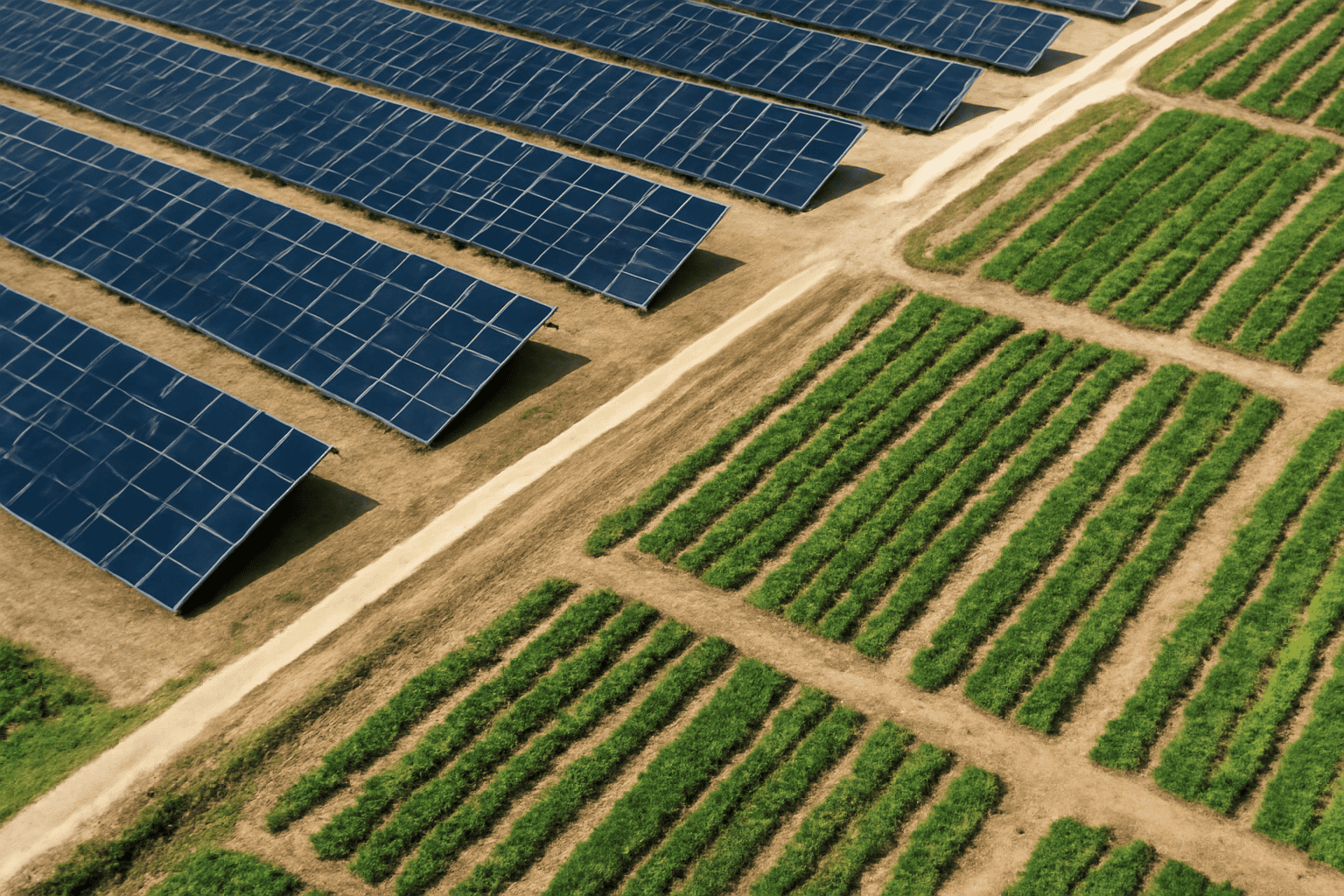
Platforms like Solar Plus Garden employ a hybrid investment model that merges renewable solar energy development with an agrivoltaic Mitgliedschaft in der Gemeinschaft. In this model, solar surety bonds function to secure the financial flows that underpin both capital investment in the 10 MW solar capacity and ongoing community-funded activities.
The integration operates through the following mechanisms:
- A €200 one-time Garden membership fee locks in community rights, with the fees allocated directly under escrow agreements into solar project financing;
- Eine optionale €20 per month Garden box subscription entitles members to 18 scheduled deliveries per year of local, organic produce, promoting regenerative agriculture;
- Revenue streams from solar energy production (under feed-in tariffs or power purchase agreements subject to local policy) are ring-fenced under bond-backed escrow accounts, financing both solar operational costs and community engagement activities, thereby maintaining transparent and auditable capital allocation.
This integrated model, supported by solar surety bonds, enables small and medium investors to participate in renewable Solarenergieprojekte with credible legal and financial safeguards, enhancing investor confidence and community trust.
Process and Timeline for Obtaining a Solar Surety Bond
The procurement of a solar surety bond requires coordinated steps involving project legal counsel, EPC contractors, and bond providers. The process generally follows this sequence for a 10 MW project:
- Contract Preparation: Finalizing contracts with explicit surety bond requirements, reflecting obligations under EPC agreements and local regulatory mandates;
- Submission for Bond Underwriting: Comprehensive financial disclosures from contractors, including audited financial statements, credit scores, and technical capabilities documents are submitted to the bond underwriter for risk evaluation;
- Underwriting Evaluation: Typically lasting 2 to 4 weeks depending on jurisdictional complexity (notably Estonia and Serbia), involving verification of contractor credentials, project timelines, and compliance with pertinent technical standards;
- Bond Issuance and Execution: Upon acceptance, the bond provider issues the solar bond with defined coverage limits, premium schedules (often 0.5% to 3% of contract value annually), and expiry tied to project completion or warranty period.
Bond terms explicitly outline default procedures, claim submission deadlines, and indemnity provisions to ensure effective risk transfer throughout the project lifecycle. Ongoing compliance audits may be mandated by bond issuers to monitor continued contractor adherence.
Häufig gestellte Fragen
What is a solar surety bond and why is it necessary for solar projects?
A solar surety bond is a legally binding financial guarantee that contractors will fulfill their contractual obligations in solar energy projects. It protects project owners and investors from losses caused by contractor default, ensuring continuity of project execution and adherence to defined specifications.
Which types of surety bonds are most commonly used in solar energy developments?
The primary types include performance bonds for project completion assurance, payment bonds ensuring subcontractor and supplier payments, and bid bonds that maintain bidding integrity. The epc bond is a specialized surety tailored for comprehensive Engineering, Procurement, and Construction contracts in solar developments.
How do solar surety bonds affect investor risk in community-backed solar projects?
By providing enforceable financial commitments from contractors and third-party sureties, these bonds diminish default risk exposure. In community-backed initiatives like Solar Plus Garden, they ensure that invested funds flow through regulated escrow models exclusively upon verified milestone completion, safeguarding investor capital and enhancing project transparency.
What is the typical timeline and cost range for obtaining a solar surety bond on a 10 MW project?
The underwriting process generally spans 2 to 4 weeks, influenced by local regulatory scrutiny (including frameworks in Estonia and Serbia) and project complexity. Costs, expressed as premiums, typically range from 0.5% to 3% annually of the contract value, determined by contractor creditworthiness, bond type, and market credit conditions prevailing in 2026.
Abschluss
Securing a solar surety bond represents an essential risk management strategy for property owners, project developers, contractors, and investors engaged in large-scale renewable energy projects. Project characteristics such as scale (above 5 MW), contractual complexity, and jurisdictional legal frameworks necessitate selecting bond providers with sector experience and financial stability.
Within community-oriented investment platforms like Solar Plus Garden, solar surety bonds integrate financial guarantees with agrivoltaic models, aligning investor interests with sustainable, transparent, and regulated project delivery. Continuous compliance monitoring and contractual governance will remain fundamental to preserving project viability and maintaining investor confidence amidst evolving regulatory and market conditions.
Weiterführende Lektüre
- Ensuring Stable Solar Energy Security: How Solar Plus Garden Advances Reliable Renewable Power
- Investieren Sie in Projekte für erneuerbare Energien: Ein praktischer Leitfaden für zukunftsorientierte Investoren
- Crowdfunding für Solarparks in Europa: Investitionen in Projekte für erneuerbare Energien auf dem gesamten Kontinent