










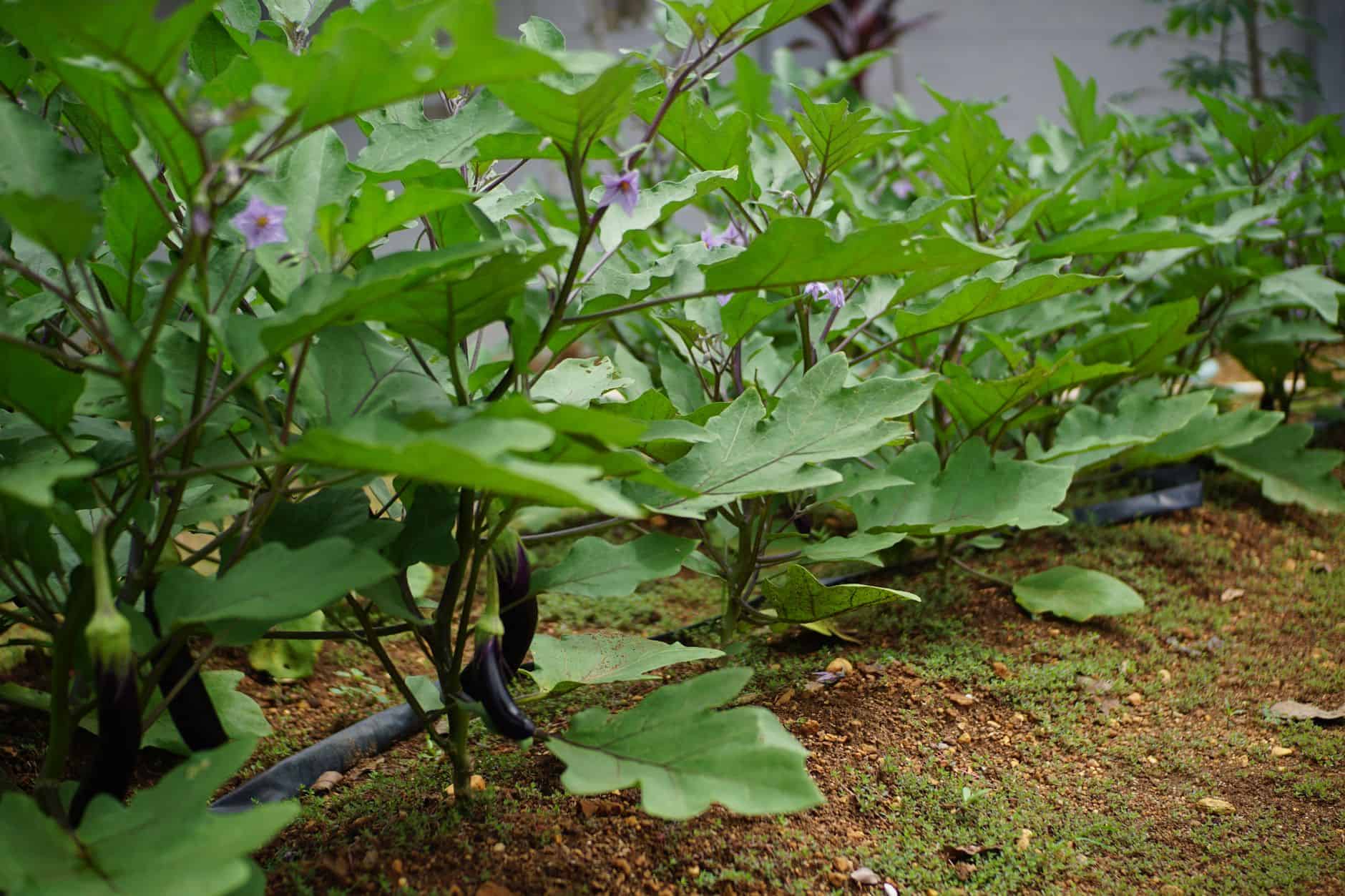
Complete Guide to Organic Eggplant Production: From Seed to Harvest
Selecting the Right Organic Eggplant Varieties for Your Region
Choosing certified organic eggplant seeds adapted to your region is critical for organic eggplant production success. The species Solanum melongena encompasses a wide range of eggplant varieties, each with distinct fruit size, shape, coloration, maturation period, and pest resistance profiles. Selecting varieties that match local climate, soil conditions, and market preferences improves yield and reduces reliance on external inputs.
Regional adaptability hinges on climatic parameters such as average temperature, length of growing season, and frost dates. For example, areas with minimum growing seasons of 120 to 150 days can support long-maturing types exceeding 80 days to harvest, while shorter seasons require varieties maturing within 65 to 70 days to complete their cycle before fall frost.
Common certified organic eggplant seeds and their key traits include:
- ‘Black Beauty’: 75–80 days to harvest, produces large, glossy, deep purple fruits. Suitable for temperate regions with a minimum 150-day frost-free period.
- ‘Listada de Gandia’: 70–75 days, medium-large striped purple and white fruits, notable partial resistance to Fusarium wilt.
- ‘Rosa Bianca’: 80–85 days, round lavender fruits with white striping, preferring warm climates with consistent night temperatures above 15°C.
- ‘Nadia’: 65–70 days, early maturing compact plants producing small to medium-sized fruits, tolerating cooler climates down to 10°C with risk of frost.
- ‘Ichiban’: 70–75 days, slender Japanese type with intense flavor, shows tolerance against common pests including the eggplant flea beetle.
Resistance to soilborne diseases such as Verticillium wilt and Fusarium wilt is a priority in organic eggplant growing due to the prohibition or restriction of synthetic fungicides. Varieties bred with genetic resistance reduce crop loss risk and limit the need for external pest control inputs.
Ensure seed procurement from suppliers certified according to organic seed production standards like European Union Regulation (EU) 2018/848 or USDA National Organic Program (NOP) to guarantee seed purity and compliance. Using organic seedlings raised under controlled, pest-free conditions provides the foundation for robust field establishment.
Soil Preparation and Fertilization Practices for Organic Eggplant Production
Organic eggplant grows best in fertile, well-drained soils with pH between 5.5 and 6.5. Soil testing should be performed at least twice per growing season—pre-planting and mid-season—to quantify levels of nitrogen (N), phosphorus (P), potassium (K), calcium (Ca), and magnesium (Mg), ensuring adjustments meet crop-specific requirements.
Recommended fertilization targets range from 50 to 70 kg/ha of nitrogen equivalents sourced through organic amendments, supporting vigorous vegetative growth and sustained fruit set. Phosphorus and potassium should approximate 40–60 kg/ha and 80–100 kg/ha respectively, critical for root development and fruit quality.
Typical organic nutrient sources include:
- Aged compost applied at 15 to 25 tons/ha pre-plant to supply baseline macro- and micronutrients and improve soil structure.
- Well-matured animal manure (cow or poultry) incorporated at 10 to 15 tons/ha as a nitrogen and organic matter source.
- Rock phosphate applied at 200 to 400 kg/ha to supply phosphorus in slowly available mineral form.
- Seaweed extract foliar applications, at 3 to 5 L/ha every 2–3 weeks, promoting micronutrient uptake and stress tolerance.
Additional side dressing with liquid compost teas or pelleted organic fertilizers during flowering supports nutrient demands and extends the fruiting period. Timing critical fertilization events around early flowering and peak fruit development stages optimizes uptake efficiency.
Inclusion of cover crops such as crimson clover or buckwheat in off-season rotations contributes nitrogen fixation between 30 and 80 kg/ha and reduces soil erosion. These cover crops also suppress weeds mechanically and biologically by competing for nutrients.
Planting and Transplanting Procedures for Optimal Organic Eggplant Growth
Organic eggplant seeds require controlled germination conditions, typically 25–30°C soil temperature, with sowing conducted 6 to 8 weeks before the last expected frost date. Seedlings are ready for transplant when they reach 15 to 20 cm height, possess 4–6 fully expanded true leaves, and exhibit well-developed fibrous root systems—typically 42 to 56 days post-germination.
Nursery culture practices for organic seedlings follow strict protocols to avoid contamination by synthetic chemicals, maintain disease-free status, and encourage sturdy growth. Transplants show highest survival rates when moved during cooler parts of the day and at soil temperatures above 15°C.
Prepare planting sites to full sun exposure with soils exhibiting good drainage. Raised beds constructed to 15–20 cm height and 1.2 meters width aid in preventing waterlogging and promote root aeration, especially in heavier soils.
Plant eggplant spacing should balance plant density and resource competition. Recommended spacing:
- Between plants: 60 to 90 cm to optimize airflow and light interception.
- Between rows: 90 to 120 cm for mechanical and manual access.
Hardening off seedlings involves gradual exposure over 7 to 10 days to outdoor conditions, starting with 2 hours daily and increasing incrementally to full day exposure to reduce transplant shock and increase acclimatization.
Transplanting steps:
- Apply aged compost or well-matured manure and mix thoroughly into planting beds 7 to 14 days before transplant.
- Irrigate beds to field capacity 12 hours before transplant.
- Harden off seedlings as described.
- Mark out planting holes according to spacing metrics.
- Extract seedlings gently to keep root balls intact; plant at nursery soil depth to maintain root collar stability.
- Water-in transplants immediately with 10 to 15 L/m² to eliminate air pockets.
- Cover soil around plants with 5 to 10 cm layer of organic mulch (e.g., straw or wood chips) within 24 hours to conserve moisture and suppress weed emergence.
Pruning and Training Techniques to Maximize Organic Eggplant Yield
Pruning in organic eggplant cultivation enhances light penetration, improves air movement, and reduces foliage density, factors correlated with reduced fungal disease prevalence in humid environments.
Start pruning 4 to 6 weeks after transplanting when plants have established and the first flower buds appear. Maintain a pruning regime every 2 to 3 weeks throughout the flowering period (generally 6 to 10 weeks) to shape the plant structure efficiently.
Specific pruning actions include:
- Removal of early terminal flowers during the first pruning to delay fruiting and encourage vegetative growth that supports subsequent higher yields.
- Elimination of suckers emerging from leaf axils, which divert photosynthate away from fruit development.
- Pruning lower leaves within 10 to 15 cm from the soil surface to reduce soil-borne pathogen splash onto the plant.
Training with support structures (stakes, trellises, or cages) is implemented immediately upon transplanting or within 7 days to prevent stem breakage under developing fruit weight. Install using durable materials such as galvanized steel stakes or treated wooden posts, spaced at 1 to 1.5 meters intervals depending on row layout.
Pruning sequence summarization:
- First prune: 4–6 weeks post-transplant — remove early flowers, suckers, and weak stems.
- Subsequent prune: every 2–3 weeks — thin dense branches and trim excessive foliage.
- Terminate pruning upon uniform fruit set to synchronize maturation and harvesting.
This structured pruning fosters a prolonged flowering period of up to 8 weeks, resulting in staggered harvests and increased seasonal yield.
Organic Pest Management Strategies for Healthy Eggplant Crops
Organic eggplant grows are vulnerable to key pest species including the eggplant flea beetle (Epitrix fuscula), green peach aphid (Myzus persicae), and two-spotted spider mite (Tetranychus urticae), all capable of reducing plant vigor and fruit quality through direct feeding and disease vectoring.
Biological control is the first line of defense. Release rates for predatory insects such as Hippodamia convergens lady beetles for aphid control range from 1,000 to 2,000 adults per hectare, repeated every 10 to 14 days during peak aphid activity. Predatory mites (Phytoseiulus persimilis) are introduced at 100 to 200 individuals per square meter to suppress spider mites successfully.
Cultural practices include:
- Adopting crop rotations with non-Solanaceous species such as legumes and cereals on a 3-year interval to disrupt pest life cycles.
- Companion planting with marigold (Tagetes spp.) at 10,000 plants/ha and basil (Ocimum basilicum) at 5,000 plants/ha to repel flea beetles and aphids respectively, through allelopathic volatiles.
Organic-certified pest control agents, applied only after confirmed pest thresholds (e.g., 5–10% leaf damage or 20% infestation rates), include neem oil (azadirachtin concentration 1500–2000 ppm) at 2–3 L/ha and insecticidal soaps at 1–2% solution, applied under temperature conditions below 30°C to prevent phytotoxicity.
Routine monitoring involves using yellow sticky traps and pheromone traps placed at 1 to 2 meters above canopy, inspected weekly to detect early infestations and avoid economic damage.
Harvesting Organic Eggplant: Timing, Techniques, and Post-Harvest Handling
Harvest eggplant fruits when size reaches 15 to 25 cm depending on the variety, skin is glossy without dullness or cracking, and firmness is confirmed by gentle thumb pressure (resilience but no indentation). These maturity indicators occur typically between 70 and 90 days post-transplant, depending on the cultivar and growing conditions.
Manual harvest with sterilized pruning shears or knives minimizes mechanical damage. Avoid hand-squeezing or dropping fruits to prevent bruising, which shortens shelf life.
Post-harvest handling steps aligned with organic standards include:
- Cleaning by gentle wiping or careful low-pressure washing within 2 hours of harvest to remove dust and field residues while preserving cuticle integrity.
- Rapid cooling to 10–13°C using forced-air cooling or hydro-cooling within 4 hours post-harvest to suppress respiration rate and microbial growth.
- Storage at 85–90% relative humidity in ventilated containers or controlled atmosphere rooms, which maintains fruit firmness and reduces water loss.
Under these conditions, organic eggplant shelf life extends from 7 up to 14 days, facilitating distribution to local markets or community-supported agriculture members.
Sequential harvest scheduling every 3 to 5 days during the main production window maintains consistent fruit quality and quantity supply, preventing overripe fruits remaining on plants.
Integrating Eggplant Production into a Sustainable Garden Community Supported by Solar Energy
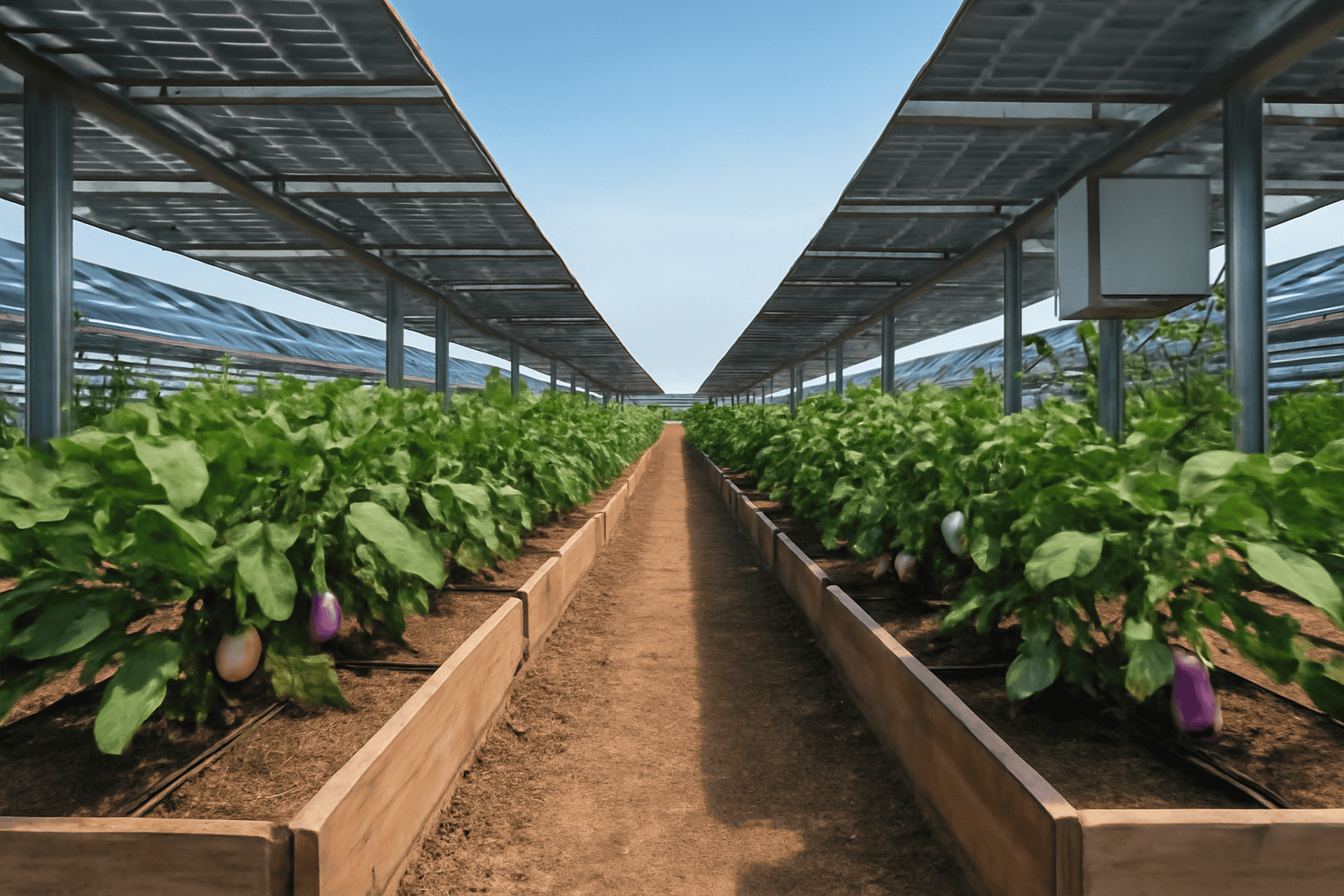
Solar Plus Garden innovatively combines a 10 MW ground-mounted solar Photovoltaik plant with a Gartenmitgliedschaft scheme, funding sustainable organic food production and community engagement through a transparent investment model.
Garden membership requires a one-time fee of €200, providing members access to up to 3,000 allocated land boxes for organic cultivation, including eggplant grows. Additionally, an optional subscription at €20 per month grants delivery of 18 fresh, seasonal vegetable boxes annually including organically grown eggplant during harvest windows.
All membership fees are invested directly into the solar plant development, producing clean energy revenues that cover garden operational costs without external subsidies. The garden operates under a legally distinct Serbian DOO, while the Estonian OÜ owns the solar assets, ensuring clear governance and regulatory compliance.
Members benefit from shared agronomic expertise, pest management workshops, and organic best practices tailored to local conditions. This model spurs regenerative agriculture while offering passive financial returns indirectly through solar energy profits.
Managing Environmental and Biological Risks in Organic Eggplant Cultivation
Abiotic stressors including temperatures below 10°C or above 32°C, irregular irrigation, and salinity above 2 dS/m adversely affect eggplant grows. Installing precision drip irrigation systems calibrated to maintain soil moisture within 60–80% of field capacity regulates water availability precisely, preventing drought stress and root hypoxia.
Common organic eggplant diseases include:
- Verticillium wilt (Verticillium dahliae): soilborne fungal disease proliferating under poorly drained conditions, causing wilting and yellowing.
- Phytophthora blight (Phytophthora capsici): thrives when relative humidity exceeds 80% and soils remain saturated.
- Bacterial wilt (Ralstonia solanacearum): prevalent in soils above 25°C and high humidity.
Management protocols involve planting Verticillium-resistant varieties, applying copper-based fungicides at rates conforming to organic certification limits (e.g., 3 kg Cu/ha/year maximum), and implementing canopy pruning to reduce humidity.
Weather monitoring using localized forecasts enables pre-emptive adjustments in irrigation schedules and prepares for environmental stress mitigation like shading nets when daytime temperatures exceed 30°C.
Where available, organic farm-specific crop insurance products should be acquired pre-season to buffer against environmental losses, especially for high-value crops such as eggplant.
Häufig gestellte Fragen (FAQ)
What are the key indicators that organic eggplants are ready to harvest?
Harvest eggplant fruits when they reach varietal-specific full size (typically 15–25 cm), exhibit glossy, firm skin without blemishes or cracks, and possess consistent uniform coloration. Harvest should occur between 70–90 days after transplanting but can vary according to local climatic factors.
How should I prune my eggplants to improve organic fruit yield?
Start pruning 4–6 weeks post-transplant by removing early flowers, suckers at branch junctions, and lower leaves to increase airflow and reduce disease risks. Maintain pruning every 2–3 weeks during flowering to thin dense foliage and direct plant resources toward fruit production.
Which organic methods are most effective for controlling pests on eggplants?
Introduce beneficial predatory insects such as lady beetles and predatory mites at recommended release rates, implement crop rotations and companion planting to reduce pest incidence, and apply organic-approved substances like neem oil or insecticidal soaps only when scout monitoring indicates pest populations surpass economic thresholds.
Can I join a garden community to grow organic eggplants without investing directly in solar energy?
Yes. Solar Plus Garden’s model allows entry to the garden community and access to organic plots by paying a membership fee that supports solar project funding. This enables growing eggplant organically and enjoying fresh produce delivery without directly investing in solar assets.
Abschluss
To grow eggplant organically and successfully, begin with regionally adapted, disease-resistant varieties sourced from certified organic eggplant seeds. Employ specific soil preparation and fertilization schedules, including detailed nutrient targets and organic amendment applications. Follow targeted transplanting, pruning, and pest management protocols aligned with organic standards to optimize plant health and yield.
Harvest eggplant fruits using precise criteria for size, color, and firmness, and apply post-harvest handling procedures that maximize shelf life under controlled temperature and humidity.
Integrating with Solar Plus Garden’s community-supported, solar-powered platform provides financial and environmental sustainability, supporting organic cultivation within a regulated legal framework.
Monitor local environmental conditions and pest pressures annually to adapt best practices accordingly as agronomic research advances and organic regulations evolve.