

Invest in Solar Farm Europe: Key Factors for Investors in 2026
Regulatory Frameworks and Legal Structures for Solar Investment in Europe
Investing in a renewable energy project like a Solarpark in Europe requires navigating a complex regulatory environment shaped by EU directives and national laws. The European Union’s Renewable Energy Directive (RED II), originally adopted to boost renewable energies, is under revision for 2026-2027 to align with increased climate targets. This revision is expected to enforce stricter renewable capacity additions, modify feed-in tariff schemes, and streamline permitting procedures, directly influencing solar investment viability across member states.
Permitting processes differ notably across European energy markets. For instance, Germany mandates applicants meet environmental impact assessments compliant with the Bundes-Immissionsschutzgesetz (Federal Emission Control Act) and grid connection agreements under the EnWG (Energy Industry Act). Spain applies a more expedited authorization via its Renewable Energy Framework, subject to compliance with regional land use codes. Non-EU countries like Serbia adopt EU-aligned policies, but permit licensing and foreign ownership involve additional steps regulated through local laws such as the Serbian Energy Law and Land Use Regulations, influencing investment risk and timing.
Solar Plus Garden’s legal ownership model involves an Estonian OÜ (osaühing) established on 20.02.2026. This corporate structure offers a transparent vehicle for solar asset ownership, regulated under Estonian Commercial Code and EU directives on corporate governance, providing regulatory clarity attractive to European and international investors. The related community garden operates under a Serbian DOO (limited liability company), legally distinct but interconnected through contractual frameworks, allowing separate governance of solar and agrivoltaic activities.
To protect investor capital, Solar Plus Garden implements escrow and payment segregation mechanisms compliant with EU Anti-Money Laundering Directive (Directive (EU) 2018/843) requirements. Investor funds are held in dedicated accounts with independent custodians, preventing premature capital deployment and ensuring funds are released only upon milestone completion and verified operational status, mitigating financial risk commonly associated with renewable energy projects.
How Utility-Scale Solar Farms in Europe Operate and Generate Revenue
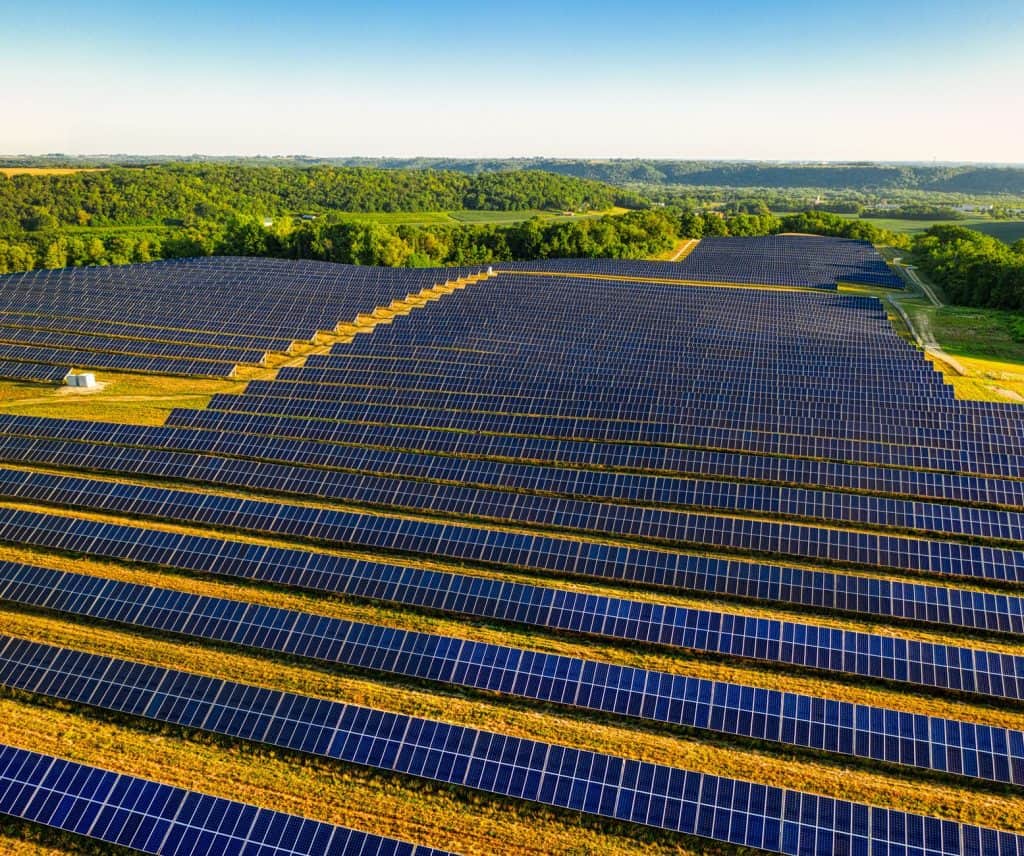
Utility-scale solar farms, defined as photovoltaic installations exceeding 10 MW capacity, typically employ high-efficiency monocrystalline modules rated between 400 and 500 Wp per panel, achieving module efficiencies of approximately 21%. These systems use central or string inverters compliant with IEC 62109 safety standards and integrate with SCADA platforms for real-time performance monitoring and fault detection.
Revenue primarily derives from participation in national or regional electricity markets, often governed by rules set by market operators such as EPEX SPOT or Nord Pool. Fixed feed-in tariffs (FITs) have historically provided stable income, with rates ranging from €0.05 to €0.12 per kWh depending on country and contract age; however, many markets are transitioning to market-based mechanisms, including Contracts for Difference (CfDs) and Power Purchase Agreements (PPAs). PPAs provide negotiated, typically 10-15 year contracts securing electricity buyers, thus reducing exposure to wholesale price volatility.
Battery storage systems, typically sized at 1-3 MWh per 10 MW of solar capacity, employ lithium-ion battery technologies compatible with grid codes such as ENTSO-E’s Network Code on Demand Connection. These batteries enable load shifting by storing solar power during peak generation and discharging during high-price periods or grid stress, thereby increasing revenue through energy arbitrage and ancillary services such as frequency regulation.
Operations and maintenance (O&M) adhere to European and international standards, including IEC 62446 for system verification and EN 50583 for energy performance, ensuring module integrity, inverter functionality, and SCADA responsiveness. O&M contracts specify preventive maintenance cycles—typically quarterly inspections and semi-annual cleaning—to maintain plant availability at 97-99%, critical given that a 1% drop in availability can reduce annual revenue by approximately €10-15 per kW.
Investment Models for Solar Farms: Equity Shares, Membership Fees, and Community Platforms
Investors can choose from different models tailored to capital, risk appetite, and desired engagement. Direct equity investments grant ownership stakes in the solar project with returns linked to electricity market sales and operational profits. These models require upfront capital commitments generally above €10,000 and involve long-term holding periods aligned with asset lifetimes of 25-30 years.
Solar Plus Garden introduces a hybrid community solar model combining solar investment with local agrivoltaic engagement. Investors pay a €200 one-time Garden membership fee, which is allocated to solar investment managed by the Estonian OÜ. Additionally, an optional monthly €20 Gartenkasten subscription supports community garden operations under a separate Serbian DOO entity, providing fresh, locally grown produce delivered 18 times per year to members.
This dual-entity structure separates financial interests: the solar asset ownership, offering financial returns through equity or guaranteed payouts, and the garden community benefits, emphasizing social engagement and regenerative agriculture. The investor journey involves platform registration, KYC/KYB compliance, selecting investment or membership options, and accessing community benefits, enabling participation in renewable energy projects with diversified impact.
Financial Considerations: Cost Breakdown and Payback Factors for European Solar Farm Investments
Capital expenditure (CAPEX) in 2026 for utility-scale solar farms in Europe typically ranges from €800 to €1,100 per installed kilowatt. This CAPEX includes photovoltaic modules (~35-40% of cost), inverters (~10-15%), mounting structures (~10%), electrical balance of system components (~15%), and installation labor (~10-15%). Land costs fluctuate widely, from under €1,000 per hectare in peripheral rural areas to over €5,000 per hectare near urban centers, influencing total CAPEX particularly where agrivoltaic integration is planned.
Operational expenditure (OPEX) typically accounts for 1-2% of CAPEX annually. It covers preventive maintenance, inverter servicing, insurance premiums aligned with EN 13306 standards for maintenance terminology, land lease payments, and administrative fees. Advanced condition-based maintenance techniques leveraging SCADA and IoT sensor analytics can reduce unexpected downtime and optimize component lifetimes.
Subsidy frameworks are evolving, with many European countries reducing or phasing out feed-in tariffs in favor of market-price exposure or Contracts for Difference. This shift increases reliance on electricity market revenues and PPAs, emphasizing the importance of scenario analyses covering price volatility, grid curtailment risks, and regulatory shifts when estimating payback periods.
Illustration: Year-by-Year Payback Sketch
| Year | Investment Outflow (€ per kW) | Revenue Inflow (€ per kW) | Cumulative Net (€ per kW) |
|---|---|---|---|
| 0 | -1,000 | 0 | -1,000 |
| 1 | 0 | 120 | -880 |
| 2 | 0 | 120 | -760 |
| 3 | 0 | 120 | -640 |
| 4 | 0 | 120 | -520 |
| 5 | 0 | 120 | -400 |
| 6 | 0 | 120 | -280 |
| 7 | 0 | 120 | -160 |
| 8 | 0 | 120 | -40 |
| 9 | 0 | 120 | 80 |
| 10 | 0 | 120 | 200 |
Assumptions: CAPEX €1,000/kW including land and construction; annual revenue €120/kW reflecting current feed-in tariff or PPA rates; OPEX embedded in revenue estimates; payback horizon approximately 8-10 years consistent with typical European solar projects.
Risks and Mitigation Strategies Specific to Investing in European Solar Farms
Regulatory risks are significant due to the ongoing RED II and national energy policy revisions, which may alter feed-in tariffs, permitting timelines, or grid access rules. Investors must conduct jurisdiction-specific due diligence and track policy developments to update financial models and contingency plans.
Technical risks include solar module degradation averaging 0.5%-0.8% efficiency loss per year as per IEC 61853 standards, inverter failures with a Mean Time Between Failures (MTBF) ranging from 8 to 15 years, and grid interruptions caused by infrastructure constraints or curtailment policies. Mitigation includes selecting Tier 1 module suppliers with performance guarantees, comprehensive warranties covering inverters and storage systems, and pre-construction grid impact assessments aligned with ENTSO-E connection standards.
Market risks stem from electricity price volatility influenced by European energy supply and demand dynamics, geopolitical events, and evolving grid codes. Employing long-term PPAs with creditworthy off-takers and integrating battery storage for flexibility helps reduce exposure to market fluctuations.
Social and environmental risks require comprehensive Environmental and Social Impact Assessments (ESIAs) per IFC Performance Standards and local regulations. Particularly for agrivoltaic projects, engaging stakeholders early, documenting land rights transparently, and monitoring biodiversity impacts help mitigate conflicts and maintain social license to operate.
Role of Agrivoltaics and Community Integration in Solar Farm Investment
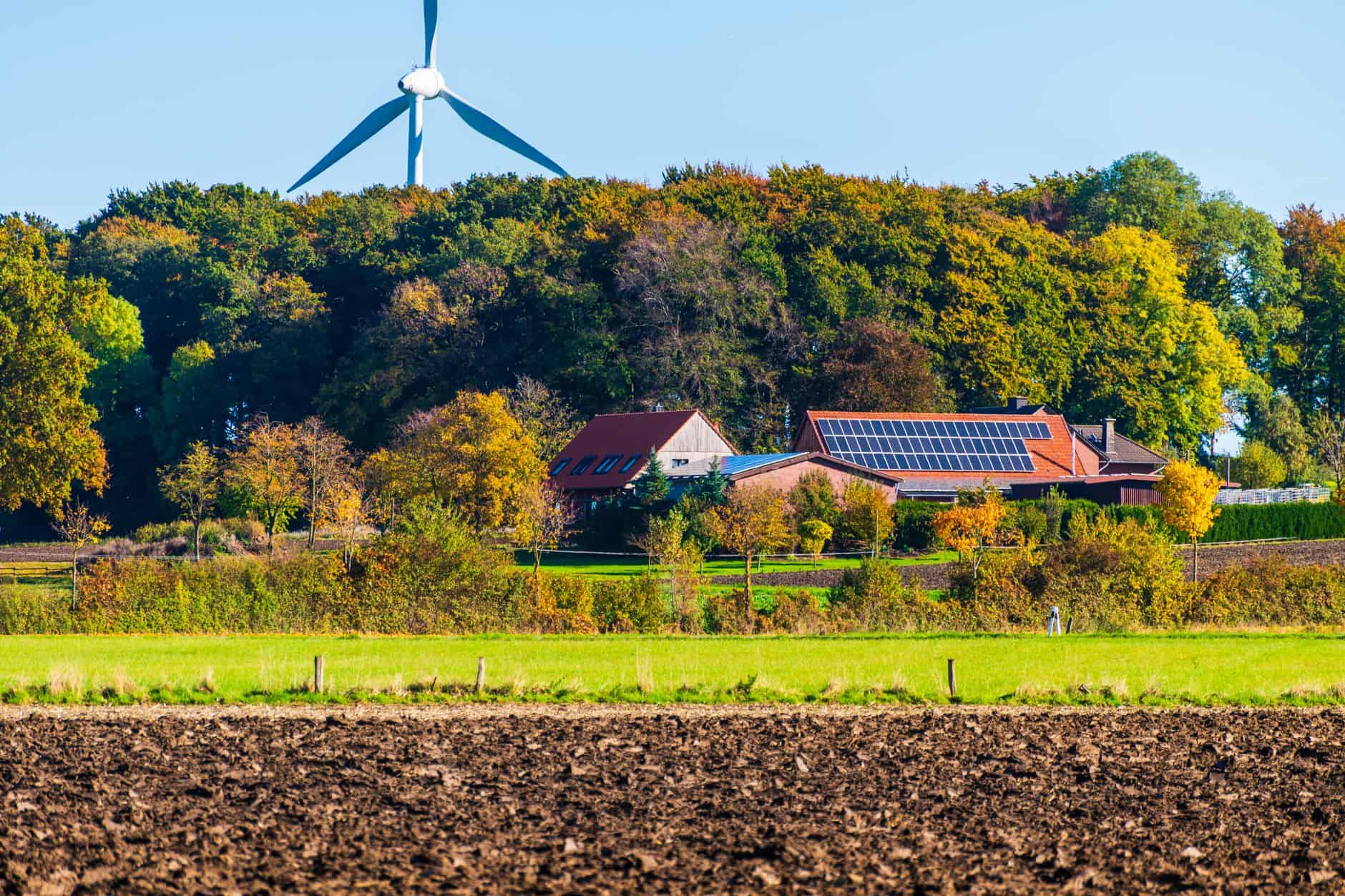
Agrivoltaik, the simultaneous use of land for solar power generation and agriculture, enhances land efficiency by producing renewable energy while maintaining or increasing agricultural output. Solar Plus Garden’s model manages up to 3,000 garden plots adjacent to or beneath solar arrays within their 10 MW solar park, integrating photovoltaic panels installed at elevated heights or with spacing designed to optimize crop growth conditions.
Community engagement is funded through membership fees, with a €200 one-time fee granting access to the community and an optional €20 monthly garden box subscription delivering 18 shipments of fresh, local vegetables per year. This approach aligns renewable energy investment with regenerative agriculture principles, contributing to local food security and lowering carbon footprints associated with food transport.
Clear legal separation between solar investment (Estonian OÜ) and garden community management (Serbian DOO) ensures distinct accountability and transparent financial flows. This structure facilitates compliance with cross-border regulations and enables scalable community solar platforms while maintaining governance clarity.
How to Start Investing in Solar Farms with Solar Plus Garden: Steps and Investor Journey
Prospective investors begin by registering on the Solar Plus Garden platform and joining a waiting list for the 10 MW solar farm investment, with a minimum investment starting at €500. This low entry barrier aims to democratize access to utility-scale solar power investments across Europe.
The onboarding process includes completion of KYC (Know Your Customer) and KYB (Know Your Business) verification in compliance with EU Anti-Money Laundering laws. This process is typically finalized within 48 hours to facilitate timely investment decisions.
Investors then select between two return pathways: a long-term equity share in the solar park promising participation in project earnings, or a guaranteed payout scheme structured over successive investment phases offering fixed periodic returns, accommodating different risk and liquidity preferences.
Mitgliedschaft in der Gemeinschaft registration involves paying the €200 one-time fee, which entitles members to access solar investment governance information and community benefits. Optional garden box subscriptions can be activated to receive seasonal produce, reinforcing the link between solar power generation and local agricultural engagement.
How European Solar Farm Investments Fit in a Diversified Renewable Energy Portfolio
European solar capacity is projected to increase consistently from 2024 through 2027, driven by EU decarbonization objectives under the European Green Deal and rapid technology advances reducing levelized cost of electricity (LCOE). Solar farms offer predictable daytime generation profiles with annual capacity factors ranging from 10% to 22% depending on geographic location and technology applied.
Energy funds typically incorporate both solar and wind assets to complement seasonal and diurnal intermittency; wind power provides higher output during non-daylight periods or specific seasons, balancing overall portfolio production. Portfolio diversification across multiple European countries further reduces exposure to local regulatory and market risks.
Investing in community solar platforms like Solar Plus Garden expands diversification benefits by combining financial returns from solar power with social impact and local engagement. This approach appeals to investors seeking environmental, social, and governance (ESG) alignment within renewable energy portfolios.
Häufig gestellte Fragen
- What minimum investment is required to participate in a European solar farm project?
- Minimum investments vary by platform. Solar Plus Garden enables investing in solar energy projects starting at €500, making solar farm participation accessible to small and medium investors.
- How do community membership fees support solar farm operations?
- Solar Plus Garden’s €200 one-time community membership fee, combined with optional €20 monthly garden box subscriptions, finances solar power asset management, covers operational costs, and funds community activities linked to the agrivoltaic garden concept.
- What are the main regulatory risks when investing in solar farms in Europe?
- Key risks include changes to feed-in tariff levels, permitting procedures, and subsidy mechanisms influenced by EU directives such as RED II and national policy updates, which can affect project cash flow and timelines.
- Can I invest in solar farms without direct ownership of the solar plant?
- Yes. Community solar models like Solar Plus Garden separate solar asset ownership (via Estonian OÜ) from membership access, allowing investors to participate monetarily and socially without direct plant ownership.
Investors evaluating solar project opportunities in Europe should incorporate detailed analysis of regulatory conditions, technical specifications, investment models, and financial projections. Solar Plus Garden provides a regulated, transparent platform for investing in a 10 MW solar park linked with agrivoltaic community benefits—offering combined exposure to solar power returns and local renewable energy projects engagement. Prospective investors should remain attentive to policy evolutions and market conditions, as these factors will influence the sustainability and returns of solar investments beyond mid-2027.
Weiterführende Lektüre
- Solarprojekte für Investoren: Wie Sie in Solarenergie für eine nachhaltige Zukunft investieren können
- Investieren Sie in Projekte für erneuerbare Energien: Ein praktischer Leitfaden für zukunftsorientierte Investoren
- Crowdfunding für Solarparks in Europa: Investitionen in Projekte für erneuerbare Energien auf dem gesamten Kontinent