









Understanding PERC Solar Cell Technology: Efficiency, Types, and Investment Insights for 2026-2027

How PERC Solar Cell Technology Enhances Standard Solar Cell Performance
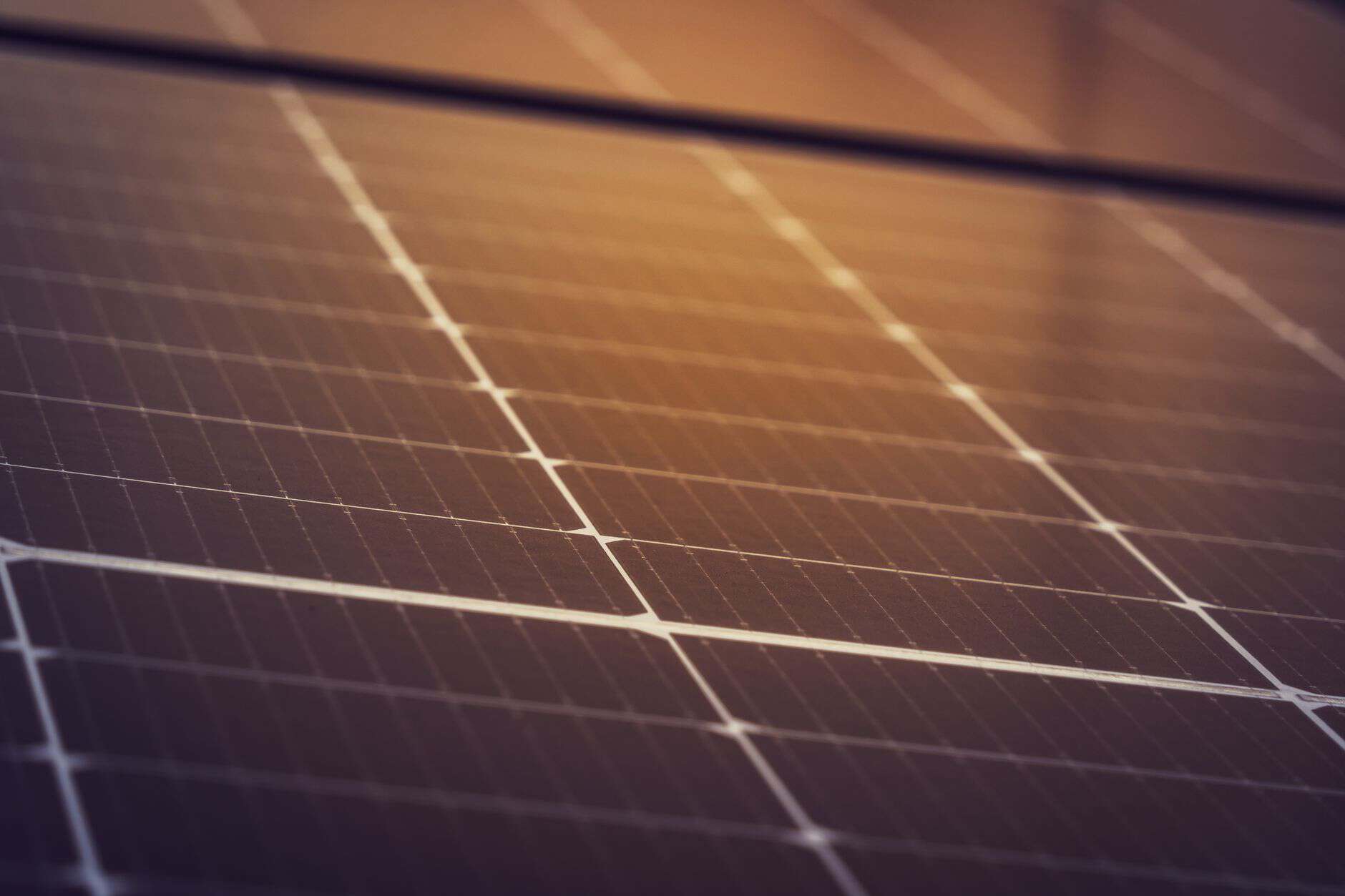
PERC solar cell technology enhances standard solar cells by introducing a passivation layer on the rear side, improving efficiency through reduced electron recombination. Standard solar cells use an aluminum back contact directly applied to the silicon wafer, resulting in recombination losses at the rear surface. PERC cells—Passivated Emitter and Rear Cell—incorporate a dielectric passivation layer, commonly aluminum oxide (Al2O3) or silicon nitride (SiNx), that reduces dangling bonds and surface defects.
This rear passivation reflects unabsorbed photons back into the silicon, increasing photon absorption probability and charge carrier generation. The improved material interface enables PERC solar cells to convert a larger portion of incident solar energy into electrical current.
Efficiency improvements range from 1 to 2 absolute percentage points compared to conventional solar cells. For instance, monocrystalline PERC solar cells (“mono PERC”) typically exhibit efficiencies between 21% and 22%, compared to approximately 20% for standard monocrystalline solar cells. Polycrystalline PERC solar cells (“poly PERC”) reach 19% to 20% efficiency, surpassing standard polycrystalline cells that usually operate near 17% to 18% efficiency.
The primary difference between mono PERC and poly PERC lies in silicon wafer crystallinity and material quality. Mono PERC uses single-crystal wafers with fewer grain boundaries and impurities, contributing to higher charge carrier mobility and efficiencies. Poly PERC cells are produced from multicrystalline wafers, which are less expensive but have slightly lower electrical performance due to grain boundaries acting as recombination sites. Both types apply the same rear passivation principle to optimize solar cell technology performance.
PERC Solar Panel Manufacturing: Production Techniques and Industry Adoption in 2026
PERC cell production modifies standard solar cell manufacturing by incorporating rear surface passivation and localized rear contact formation. After wafer cleaning and texturing, a dielectric passivation layer of Al2O3 or SiNx is deposited via atomic layer deposition (ALD) or plasma-enhanced chemical vapor deposition (PECVD). This layer reduces surface recombination velocity from typical values around 1,000 cm/s to below 100 cm/s.
Subsequent cell production includes rear contact opening using laser ablation at wavelengths around 1,064 nm, creating localized contacts without damaging the passivation layer. This step is essential to balance minimal recombination with efficient electrical conduction.
Mono and polycrystalline wafers undergo distinct preparatory processes. Mono wafers require higher purity levels (>99.9999% silicon) and greater defect density control, mandating tighter process controls. Poly wafers accommodate larger defect densities but must manage grain boundary passivation during cell production.
By 2026, PERC technology accounts for over 70% of global solar cell production capacity, reflecting its industrial scalability and cost-effectiveness. Manufacturers have adapted existing formats and processes to incorporate PERC cell production with only incremental capital expenditure compared to standard solar technology.
Perc solar module manufacturing complies with IEC 61215:2016 standards governing design qualification and type approval for terrestrial Photovoltaik modules. These standards certify module resistance to mechanical loading, thermal cycling between -40°C and +85°C, humidity-freeze cycles, and damp heat exposure at 85% relative humidity and 85°C for 1,000 hours. Such compliance ensures high reliability essential for investors and developers deploying PERC modules.
Comparing PERC Solar Panels to Traditional Solar Panels and Other Advanced Technologies
Traditional solar panels rely on an aluminum back surface without passivation, resulting in higher rear-side electron recombination and reduced efficiency. These panels typically convert about 18%-20% of sunlight into electricity. PERC panels improve conversion efficiency by about 1-3% absolute compared to traditional panels, reaching up to 22-23% under standard test conditions (STC: 1,000 W/m² irradiance, 25°C cell temperature, AM1.5 spectrum).
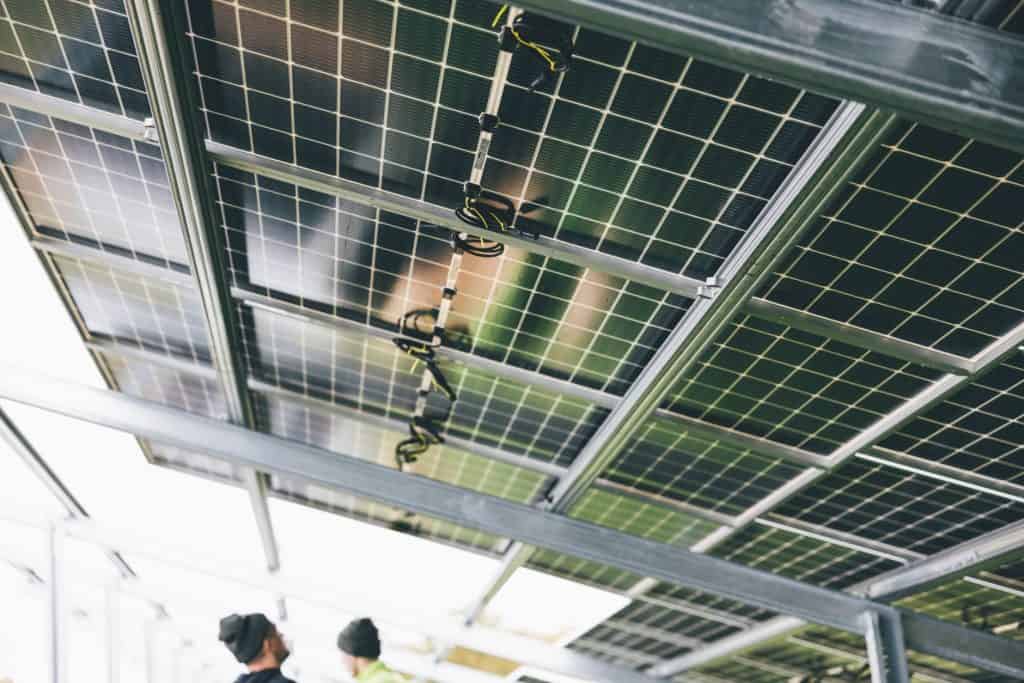
Emerging solar cell technologies such as Tunnel Oxide Passivated Contact (TOPCon) and bifacial modules provide additional performance advantages beyond PERC. TOPCon cells add an ultrathin tunnel oxide layer (approximately 1.4 nm) combined with doped polysilicon on the rear side that further reduces recombination and pushes efficiency 1% above PERC cells, reaching 23-24% under STC in commercial products. Bifacial panels increase energy yield by capturing reflected diffuse irradiance on the rear side, adding 5-15% more generation depending on ground albedo and mounting systems but require specific site conditions and higher upfront costs.
PERC panels typically have a temperature coefficient of about -0.30%/°C, meaning power output decreases by 0.3% for each degree Celsius above 25°C operating temperature. This is favorable compared to traditional solar panels, which may exhibit temperature coefficients near -0.40%/°C. The lower temperature sensitivity enhances performance in hot climates, aligning well with regional solar energy profiles.
Improved low-light performance in PERC modules arises from reduced bulk and surface recombination, leading to higher charge carrier collection efficiency even under suboptimal irradiance levels, such as morning, evening, or cloudy conditions. This results in increased annual energy yield relative to traditional panels.
For Solar Plus Garden’s 10 MW installation, PERC panels offer a mature technology with established supply chains and a favorable cost-to-efficiency ratio. While TOPCon and other advanced technologies may offer incremental efficiency gains, SME and community investors prioritize proven performance, transparent techno-economic models, and supply reliability available with PERC solar panels.
Evaluating the Pros and Cons of PERC Solar Cells for Investment in 2026
Pros of PERC solar cells include improved module efficiency resulting in higher energy yields per surface area and installed capacity, directly supporting revenue for solar energy projects. The global PERC production ecosystem offers scalability with diverse suppliers providing material inputs and manufacturing capacity, reducing supply chain risks.
PERC cells maintain compatibility with standard cell interconnection, module framing, and balance-of-system components, facilitating straightforward integration into existing project designs. This compatibility supports predictable operational costs and minimizes technical barriers in project development and asset management.
Cons of PERC solar cells include susceptibility to light-induced degradation (LID), characterized by a 1-3% reduction in efficiency within the first 100-200 operating hours due to boron-oxygen complex formation in silicon. This effect stabilizes after initial exposure but impacts short-term energy output forecasts.
Manufacturing complexity increases by about 5-10% compared to standard solar cells due to added deposition and laser ablation steps during perc cell production. This translates to moderate cost increments in perc modules versus traditional panels.
Additionally, rapidly advancing technologies such as TOPCon and Heterojunction with Intrinsic Thin layer (HJT) cells present technology risk. TOPCon modules have demonstrated lower degradation rates and marginally higher efficiencies, while HJT cells reach over 24% efficiency but currently bear higher manufacturing costs due to complex layering and materials. Market transition to these technologies could pressure PERC solar panel valuations over a 5-10 year horizon.
Investment risk factors specific to perc technology include volatility in supply of high-purity silicon wafers, dielectric passivation chemicals like Al2O3, and laser equipment. Global geopolitical factors and trade policies further influence these supply chains. Despite these risks, PERC solar panels remain a financially reliable option, supporting steady returns and transparent cash flow projections required for community investment platforms.
Types of PERC Solar Cells: Mono PERC vs. Poly PERC and Their Application in Solar Plus Garden’s Model
Mono PERC solar cells use monocrystalline silicon wafers with a single, uniform crystal lattice enhancing charge carrier mobility and reducing trapping sites. Typical mono PERC efficiencies range between 21% and 22%. Poly PERC cells employ multicrystalline wafers with interspersed grain boundaries, usually reaching 19%-20% efficiency.
Cost differences for wafer procurement and processing result in mono PERC modules carrying a 10%-15% premium over poly PERC, primarily from higher silicon purity demands and increased manufacturing precision.
For Solar Plus Garden’s 10 MW solar project, mono PERC cells provide higher energy yield per installed area, improving plant capacity factor and expected annual generation by approximately 5%-7% compared to poly PERC under regional solar insolation of 1,200 kWh/m²/year. However, poly PERC panels allow for lower upfront capital expenditure, potentially optimizing return on investment profiles for certain investor segments.
The Solar Plus Garden investment and membership model incorporates these efficiency and cost parameters into transparent financial projections, balancing system lifetime revenue with initial expenditure. This approach facilitates informed investor decision-making aligned with community sustainability and regenerative agrivoltaic activities.
Integrating PERC Technology Within Solar Community Investment Platforms
Solar Plus Garden utilizes PERC solar cell technology in its 10 MW solar installation to deliver stable, monitored power generation supporting a community investment framework. Projected annual energy output is in the range of 10 to 12 GWh based on a regional insolation average of approximately 1,200 kWh/m²/year and PERC module performance data under local temperature profiles.
Investment capital procured via community memberships, each requiring a €200 one-time fee and optional €20/month Gartenkasten subscription, is allocated transparently into solar asset acquisition and operational expenditures. This funding model ensures that solar energy revenue streams finance both investor returns and community agrivoltaic initiatives managed under a dual-entity legal structure comprising an Estonian OÜ responsible for solar assets and a Serbian DOO overseeing garden activities.
Financial flows are administered through an escrow payment system, ensuring regulatory compliance, verifiable cash disbursements, and avoidance of unauthorized fund usage. This accountability builds investor confidence in the long-term viability of the PERC PV modules underpinning the asset base.
Starting investments from €500 accommodate small and medium investors, democratizing solar energy ownership while augmenting local food production efforts. Use of PERC technology contributes to predictable energy yields, reinforcing stable revenue streams backing community financial returns.
Maintenance and Longevity Considerations for PERC Solar Panels in Community Solar Projects
PERC solar panels demonstrate typical annual degradation rates around 0.5%, consistent with industry benchmarks for crystalline silicon PV modules that adhere to IEC 61215 durability testing protocols. This degradation informs energy yield forecasts and financial models over expected 25-30 year operational lifespans.
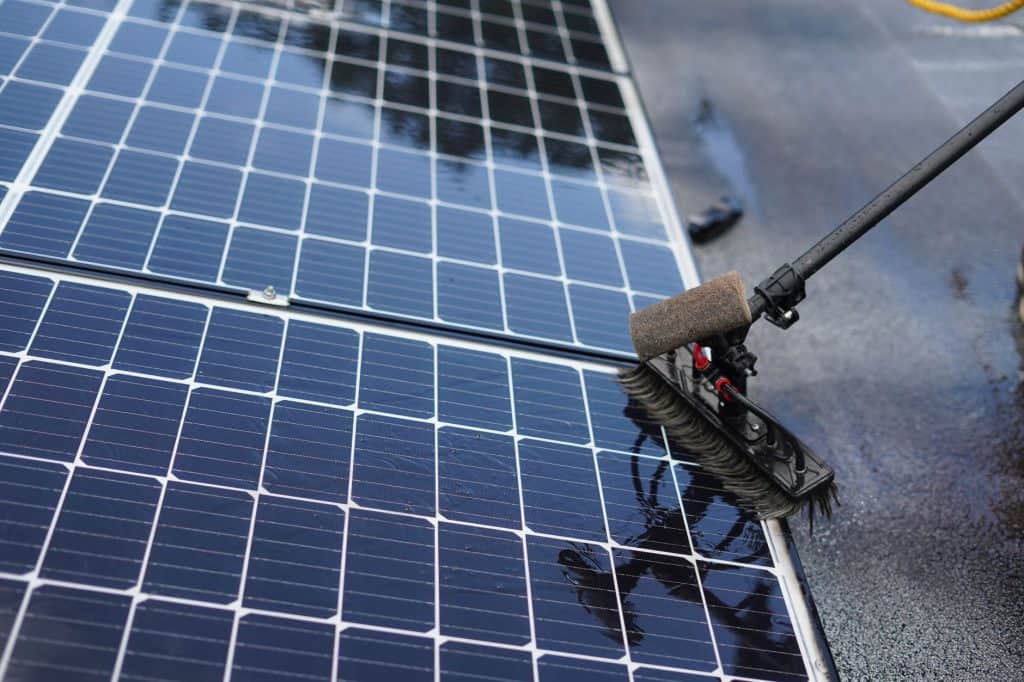
Maintenance best practices include regular cleaning cycles—at least biannually or more frequently in dusty environments—to reduce optical losses from panel soiling. Thermal management via adequate ventilation and mounting approaches limits hotspot formation and mitigates performance decline caused by elevated cell temperatures.
Continuous monitoring employing data acquisition systems and inverter telemetry identifies unexpected drops in module output potentially attributable to LID stabilization phases, microcracks, or soiling. Early detection enables targeted maintenance and preserves energy capture efficiency.
Warranties for perc solar modules generally cover 25 years performance with minimum 80% power retention guaranteed, alongside product and workmanship warranties spanning 10 to 12 years. These contractual terms underpin predictable asset performance, essential for stable investor returns and community project sustainability.
Future Trends Beyond PERC: Emerging Solar Cell Technologies Impacting Investments
Following the predominance of PERC technology, TOPCon and Heterojunction with Intrinsic Thin layer (HJT) cells are next-generation options influencing solar industry roadmaps. TOPCon cells achieve improved rear passivation via a tunnel oxide (~1.4 nm thick) and doped polysilicon layers, reducing recombination losses to push efficiencies approximately 1% above current PERC levels, typically reaching 23%-24%. HJT technology combines crystalline silicon wafers with amorphous silicon layers deposited via plasma-enhanced chemical vapor deposition, yielding laboratory efficiencies beyond 24% but penetrating commercial markets more slowly due to higher manufacturing complexity and associated costs.
Market analyses forecast TOPCon modules may capture around 20% of new solar cell production by 2030, gradually eroding PERC’s leading share. HJT adoption is expected to grow, constrained mainly by current process expense and equipment capital intensity.
This technology evolution creates both risks and opportunities for investors. Existing PERC-based assets may face competitive pressure on valuation and resale prices, while platforms incorporating technology monitoring and phased upgrade strategies—like Solar Plus Garden—can mitigate obsolescence through selective adoption of emerging solar technologies when economically justified.
Solar Plus Garden integrates technology evaluation within its investment framework to align portfolio evolution with solar industry innovation trends without compromising current returns or operational transparency guaranteed by PERC module performance stability.
Häufig gestellte Fragen
- What efficiency improvements can I expect from PERC solar panels compared to traditional panels?
- PERC solar panels provide 1-3% absolute higher conversion efficiency than traditional solar panels by applying passivated rear surface layers that reduce electron recombination and improve photon reflection within the cell.
- Are mono PERC or poly PERC panels better for medium-scale solar investments like Solar Plus Garden’s 10 MW plant?
- Mono PERC panels offer higher efficiencies (21-22%) but cost 10-15% more than poly PERC (19-20%). The choice depends on balancing upfront investment against expected energy production and long-term returns under specific project requirements.
- What are the main drawbacks of investing in PERC solar technology today?
- Main cons include light-induced degradation causing initial 1-3% efficiency loss, additional manufacturing complexity and costs compared to standard solar cells, and competition from newer technologies like TOPCon and HJT that may outperform PERC over the medium term.
- How does PERC technology support the sustainability and community aspects of Solar Plus Garden’s model?
- PERC solar panels provide stable and efficient solar energy generation funding Mitgliedschaft in der Gemeinschaft subscriptions and garden activities through transparent cash management, enabling investment returns aligned with environmental impact and local regenerative agriculture.