Skip to content






How Solar Farms Connect to Grid: Key Steps and Components Explained
Overview of Solar Farm Grid Connection
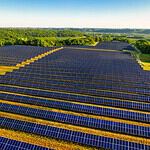
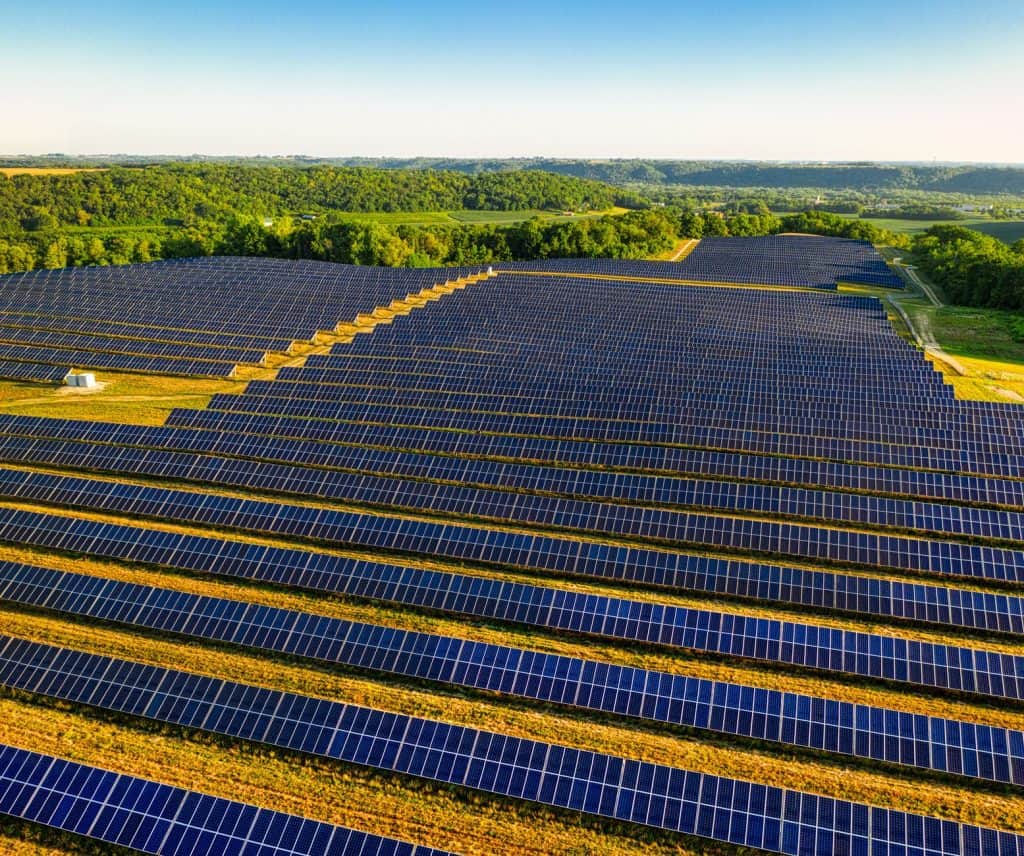
A solar farm is a utility-scale solar project, typically exceeding 1 MW DC capacity, designed to generate electricity for export to the electrical grid. These solar projects differ significantly from residential rooftop solar systems, which generally range from 3 kW to under 10 kW AC and primarily serve onsite consumption. Utility-scale solar farms connect at medium voltage levels, most commonly 11 kV, 20 kV, or 33 kV, enabling injection into either distribution feeders or subtransmission networks.
Grid connection for solar farms requires meeting voltage quality, synchronization, and safety criteria defined by local utility standards and grid codes such as the European ENTSO-E requirements or the North American IEEE 1547 standard family. Because solar power output fluctuates with irradiance, grid interconnection design involves accommodating variable generation while upholding power factor and harmonic distortion limits. Unlike rooftop solar systems connecting at low voltage levels below 1 kV, utility-scale solar farms require coordinated utility approvals and system integration studies prior to interconnection.
The Point of Interconnection (POI) and Its Importance
The point of interconnection (POI) is the designated physical location where a commercial solar farm’s electrical system connects to the utility’s grid. For a 10 MW solar project, this typically occurs at a medium voltage distribution node—11 kV or 33 kV—depending on local grid configuration. The POI acts as the boundary for operational control, metering, and protective coordination between the solar farm and the utility grid.
Selecting the POI requires assessment of several factors:
- Voltage Level Compatibility: The POI must operate at a voltage level matching the solar farm’s step-up transformer output and meet the grid code voltage ranges (e.g., ±10% of nominal voltage for distribution).
- Available Grid Capacity: Network studies verify that the existing grid segment can absorb the solar generation without causing overvoltage, thermal overloads on lines or transformers, or power quality violations.
- Distance and Infrastructure: Shorter cable routes from the solar farm to the POI minimize cabling losses and reduce civil works costs, affecting overall project economics.
- Landowner Coordination and Easements: Securing legal access rights and easements for cable corridors, substation sites, and maintenance paths ensures reliable long-term operation without legal disputes.
Appropriate easement agreements typically specify access rights, land restoration obligations, and limitations on third-party uses. The POI is generally authorized by a utility interconnection agreement outlining technical and operational requirements specific to the site and grid conditions.
Electrical Components Used to Connect Solar Farms to the Grid
Several specialized electrical components enable solar farms to connect to the grid, converting solar panel-produced direct current into grid-compliant alternating current and ensuring safe integration:
- Inverters: Solar panels generate DC current matched to system voltage, typically between 600 V and 1500 V DC string voltages. Inverters convert this to three-phase AC at grid frequency (50 or 60 Hz) and synchronize phase, voltage magnitude, and power factor. Commercial solar farms employ central inverters rated from 250 kW to 1 MW or string inverters aggregating to the system size. Inverters must comply with grid interconnection standards such as IEEE 1547-2018 for dynamic reactive power control and anti-islanding protection.
- Transformers: Step-up transformers boost inverter output voltage from the system’s medium-voltage collector level (e.g., 690 V or 1.2 kV) to the POI voltage level of 11 kV, 20 kV, or 33 kV. Transformers are typically oil-immersed or dry-type, sized for 10 MW continuous power rating with N-1 redundancy for reliability. These transformers ensure voltage levels meet grid code voltage tolerance and reduce losses during transmission.
- Utility-grade Meters: Revenue-grade metering equipment, compliant with IEC 61850 or ANSI C12 standards, measures net energy exported to the grid. Meters record power flow, voltage, current, and power factor at the POI, transmitting data via SCADA or utility communication systems for accurate billing and compliance reporting. These meters undergo periodic calibration as stipulated by regulatory authorities.
- Protection Equipment: Protection relays monitor fault currents, abnormal voltage fluctuations, and islanding conditions. Fast-acting circuit breakers and reclosers isolate faults to protect equipment and maintain grid stability. Surge arresters are installed to protect transformers and inverters from lightning-induced overvoltages. Protection coordination follows utility standards to ensure selectivity and system reliability.
- Additional Balance of System Components: These include medium-voltage switchgear (circuit breakers, disconnect switches), grounding systems conforming to IEEE Std 80, and communication systems enabling remote monitoring and control.
Regulatory and Utility Requirements in the Interconnection Process
Commercial solar projects must comply with a structured solar interconnection process laid out by utilities and regulated by grid operators. The process includes:
- Interconnection Application: Developers submit detailed proposals including single line diagrams, equipment specifications, and projected energy output to the utility’s interconnection queue.
- Feasibility and Impact Studies: Utilities conduct load flow and short circuit analyses per standard engineering methodologies to assess impacts on voltage regulation, fault currents, harmonics, and protection coordination. These studies can reveal the need for grid reinforcements or voltage regulation equipment at the POI.
- Compliance With Grid Codes: The solar farm design must meet regional interconnection standards such as ENTSO-E Distribution Code in Europe or IEEE 1547 in North America. Compliance topics often include active/reactive power control, voltage ride-through capabilities, and communication protocols.
- Interconnection Agreement and Permitting: Upon successful study completion, utilities issue approval to proceed with construction, including an interconnection agreement specifying ongoing operational requirements and performance criteria.
Typical timelines to obtain regulatory approval and utility permission to connect range from 3 to 9 months, influenced by project size, complexity, grid capacity, and local regulatory efficiency. Early engagement with utilities reduces risk of extensive project delays.
Site Preparation and Construction for Grid Connection
Physical realization of the grid connection involves the following sequential steps:
- Land Acquisition and Easement Negotiations: Acquire land or lease agreements for the solar farm footprint and legal easements for cable routing to the POI, commonly involving surface or subterranean rights and maintenance access.
- Trenching and Cabling: Installation of underground medium voltage cables rated for 11 kV to 33 kV. Cable types include XLPE-insulated conductor cables with cross-linked polyethylene insulation designed for medium voltage distribution. Trenching depth and route follow national electrical installation codes and safety clearances.
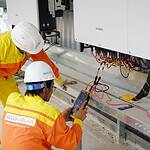
- Installation of Electrical Equipment: Mounting of inverters, transformers, switchgear, metering panels, and protection devices per electrical standards (e.g., IEC 61439 for switchgear) and safety regulations.
- Construction of Interconnection Substation: In some cases, a dedicated interconnection substation is built adjacent to the POI, including circuit breakers, disconnect switches, and surge arresters for grid isolation and protection.
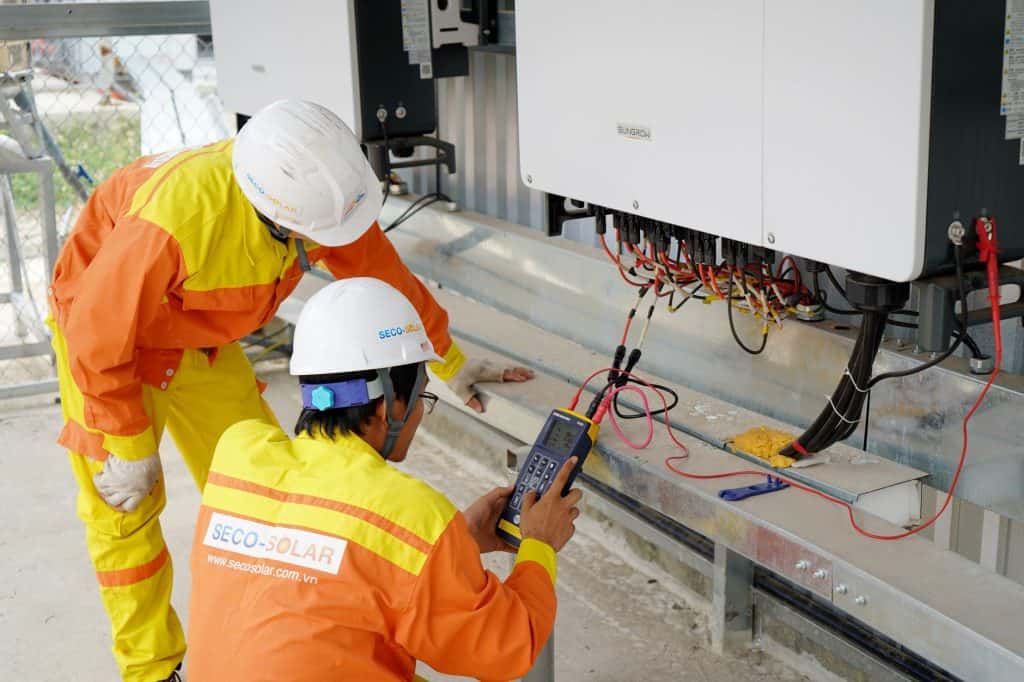
- Testing, Inspection, and Commissioning: Utilities perform functional testing including protection relay coordination, insulation resistance, and synchronization tests. Commissioning verifies compliance with interconnection agreement requirements before energizing the solar farm system.
On average, site preparation and construction for a 10 MW solar farm grid connection extend between 6 to 12 months. Variability arises from site terrain, weather, permitting processes, and logistics coordination. Permit requirements often include environmental impact assessments and local authority consents.
Differences Between Commercial Solar Farms and Residential Interconnection
Commercial solar farms and residential rooftop solar systems differ fundamentally in technical complexity and grid integration implications:
- System Scale and Voltage Levels: Commercial solar farms exceed 1 MW, connect at medium voltage levels (11 kV to 33 kV), and distribute electricity for sale on the wholesale market. Residential rooftop solar typically ranges from 3 kW to 10 kW AC and connects at low voltage distribution below 1 kV.
- Interconnection Procedures: Residential interconnection often follows streamlined utility processes with standardized application forms and pre-approved inverter settings. Commercial solar farms require detailed network impact studies, custom protection schemes, and may necessitate utility infrastructure upgrades.
- Grid Impact and Protection: Large commercial projects have greater effects on voltage regulation, fault current levels, and protection coordination, demanding advanced inverter functions and dynamic reactive power capabilities. Residential systems have limited grid impact and often include simplified anti-islanding functions mandated by standards such as UL 1741 or IEC 61727.
Illustration: Typical Electrical Cost Breakdown per kW for Solar Farm Grid Connection
The following table presents an indicative cost allocation per kW for a 10 MW utility-scale solar farm grid connection based on industry benchmarks and publicly available engineering cost reports:
| Component | Cost per kW (€) | Key Notes |
|---|---|---|
| Inverters | 75 – 85 | Central or string inverters sized 250 kW–1 MW; includes installation and control systems |
| Transformers & Metering Equipment | 25 – 35 | Includes step-up transformers rated for 10 MW; utility-grade meters compliant with IEC 61850 or ANSI C12 standards |
| Cabling and Construction | 45 – 60 | Medium voltage underground cables (11 kV–33 kV); trenching, conduits, labor, and permitting fees |
| Protection & Switchgear | 10 – 15 | Relays, circuit breakers, surge arresters, and medium-voltage switchgear |
| Total Estimated Cost per kW | 155 – 195 |
Costs can vary depending on the selected POI distance, regional labor rates, and voltage level. For example, POIs on subtransmission networks (33 kV) typically involve higher component and installation costs than medium voltage (11 kV) distribution connections due to higher equipment ratings and safety requirements.
Common Challenges in Connecting Solar Farms to the Grid
Several hurdles frequently arise during solar farm connect projects:
- Interconnection Queue Delays: Utilities managing multiple solar interconnection requests may face technical review backlogs and resource constraints, leading to queue wait times averaging 6 to 12 months.
- Grid Capacity Limitations: Sections of the distribution or subtransmission network may lack sufficient capacity to absorb new solar generation, necessitating network reinforcements such as capacitor banks, voltage regulators, or conductor upgrades, which extend the project timeline.
- Protection and Power Quality Issues: Integrating inverter-based generation complicates voltage regulation and fault current detection schemes. Coordination between advanced inverter control functionality and utility protection settings demands detailed engineering and testing.
- Landowner and Easement Negotiations: Securing corridor access for cables and equipment can be delayed or blocked by landowner disputes. Clear legal frameworks for easement agreements and early engagement prevent project disruptions.
Thorough pre-construction planning addressing these challenges reduces risks and supports smoother project execution.
Frequently Asked Questions
What is the point of interconnection in a solar farm grid connection?
The point of interconnection (POI) is the exact site where a solar farm’s electrical system interfaces with the utility grid. In commercial solar farms, this generally occurs at a medium voltage level (11 kV to 33 kV) and serves as the control and metering boundary for the solar interconnection.
How long does it usually take to get approval for connecting a solar farm to the grid?
The interconnection approval timeline, encompassing application submission, technical impact studies, and final permission to operate, typically spans 3 to 9 months. This depends on factors such as the solar project’s capacity, complexity, grid congestion, and regional regulatory processes.
What are the main differences between connecting a commercial solar farm and a rooftop solar system?
Commercial solar farms exceed 1 MW, connect at medium voltage, and undergo extensive utility impact studies, custom protection schemes, and regulatory approvals. Rooftop solar systems are smaller than 10 kW, connect at low voltage distribution, and follow streamlined interconnection procedures with limited grid impact.
What electrical components are necessary for a solar farm to connect to the grid?
Key components include inverters converting DC from solar panels to grid-synchronized AC; step-up transformers to raise voltage to POI levels; utility-grade meters for accurate export measurement; and protection equipment such as relays, circuit breakers, and surge arresters that maintain grid safety and stability.
Conclusion
Successfully connecting a commercial solar farm like the 10 MW Solar Plus Garden project to the grid starts with identifying a suitable point of interconnection aligned with grid capacity and voltage levels. Early engagement with the utility ensures adherence to solar interconnection requirements and enables clearing landowner easements necessary for cable and equipment access. Following regulated processes for interconnection application and approval, performing required technical studies, and installing compliant electrical equipment are critical for achieving a reliable grid connection. Project timelines of approximately 6 to 12 months for this scale are typical, but local grid conditions and regulation changes may affect scheduling. Maintaining ongoing communication with utilities and regulators safeguards project alignment with evolving grid standards and operational practices.