










Maximizing Solar Investment Tax Deductions: Essential Insights for 2026 Solar Projects
Understanding the Federal Solar Investment Tax Credit (ITC) in 2026
The federal solar investment tax credit (ITC), also referred to as the federal solar tax credit, is the primary clean energy tax incentive available in 2026 for solar project developers, property owners, and investors. It allows taxpayers to claim a tax credit equal to a percentage of qualified expenditures on solar energy systems against their federal income tax liability.
For solar projects commencing construction in 2026, including residential and commercial installations, the ITC offers a credit of up to 30% of eligible energy property investment costs. This rate is defined under the Inflation Reduction Act (IRA) and applies to projects that begin construction before 2033. After 2032, unless legislative changes occur, the credit rate is scheduled to decrease incrementally according to step-down provisions outlined in the IRA.
Eligible energy property includes:
- Residential rooftop and ground-mounted solar panel systems
- Commercial solar energy systems installed on business properties
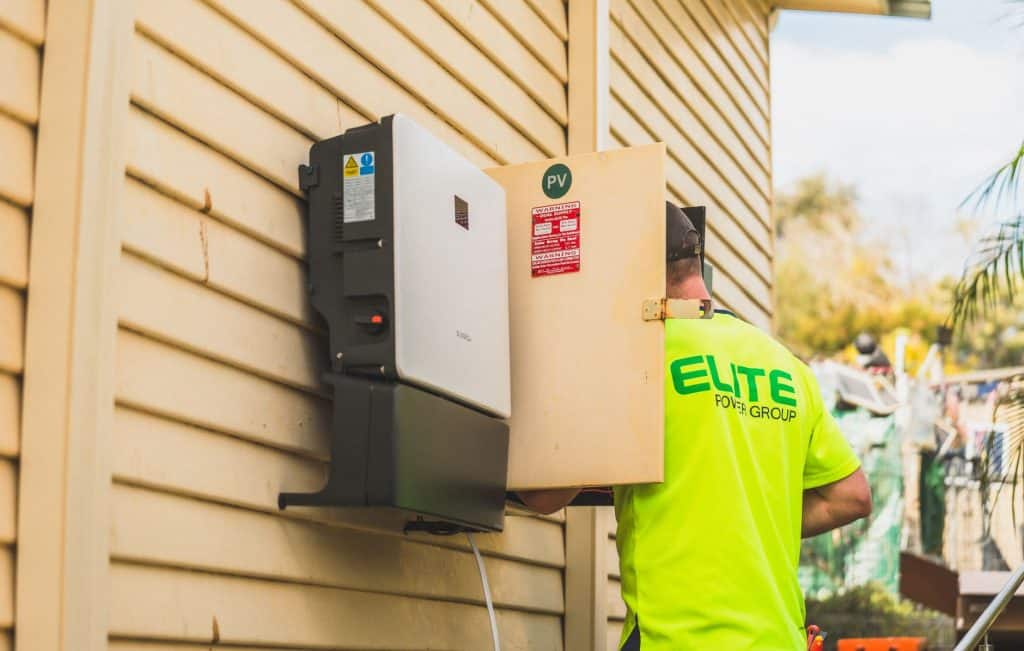
- Associated solar equipment, such as inverters (converting DC to AC) and hardware used for mounting the solar panels
Qualifying projects must start construction according to IRS guidelines, primarily defined by either beginning physical work of a significant nature or meeting the five-percent safe harbor expenditure test within the tax year. To claim the full 30% energy tax credit, projects are required to comply with prevailing wage and apprenticeship requirements from the start of construction through project completion. Failures in these labor standards reduce the solar investment tax credit to a 6% base rate. These compliance criteria align the clean energy tax incentive with high labor standards.
Qualifying Expenses and Energy Property Criteria for Claiming Solar Tax Credits
To claim the credit on solar investments, expenditures must meet criteria defined by IRS regulations and clarified in IRS Notice 2023-32. This Notice specifies eligible costs for the residential clean energy tax credit portion of the ITC, applicable also to commercial projects under similar rules.
Qualified expenses include:
- Costs for purchase and installation of photovoltaic cells (solar panels)
- Inverters required to convert generated direct current (DC) into alternating current (AC)
- Racking or mounting hardware necessary to affix solar panels to rooftops or ground mounts
- Direct labor costs for system installation, including electrical wiring and connections
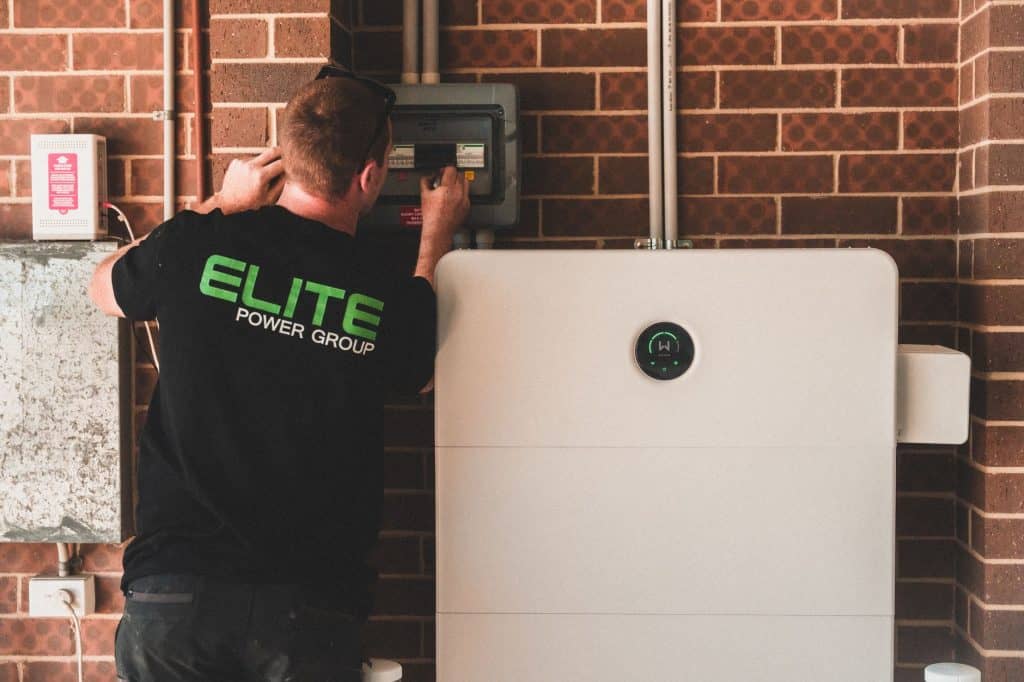
Energy property excludes certain components outside the scope of federal definitions. Specifically, battery storage costs are partly eligible: only batteries charged exclusively by the solar panel system qualify, allowing investors to claim a solar credit on up to 50% of the battery cost. Batteries charged by the grid or other sources, or those serving as standalone storage independent of the solar system, do not qualify for the credit.
When calculating the investment tax credit, the presence of other subsidies or rebates is consequential. Any state or local clean energy grants, rebates, or incentives credited to the solar project must be subtracted from the total qualified expenditure, reducing the federal credit base. This adjustment prevents double benefits on the same cost and ensures net investment reporting for the energy tax.
The Process of Claiming Solar Investment Tax Deductions on Your Federal Taxes
To properly claim the federal solar investment tax credit, investors must follow IRS filing protocols using IRS Form 5695, Residential Energy Credits, submitted alongside Form 1040 for the tax year in which the solar project is placed in service. The project is “placed in service” once installation is complete and the system is operational for its intended purpose.
Detailed steps to claim the credit include:
- Verification that the solar project was operational and placed in service during the tax year in question.
- Retention of detailed documentation such as purchase receipts, installation contracts, and proof of payment showing relevant dates.
- Accurate completion of Form 5695, with eligible solar energy system costs itemized in the residential clean energy credit section.
- Transferring the calculated credit amount to the appropriate line on Form 1040 to reduce federal income tax liability.
- Maintaining all documentation for at least three years in case of IRS audit or verification.
Errors commonly originate from mistakenly claiming credits for projects placed in service outside the reporting year, inflating eligible costs, or misunderstanding which components qualify as energy property. These mistakes may trigger IRS audits and potential penalties. Investors or property owners should document costs meticulously, linking expenses directly to the solar project installation date to substantiate claims.
The realization of the credit corresponds with annual federal tax filings for the year the project became operational. Interactions with state-level solar energy tax credits or incentives require separate accounting to adhere to IRS rules and avoid duplicate benefits.
Additional Federal Production and Manufacturing Tax Credits for Solar Projects
Besides the investment tax credit, commercial-scale solar projects in 2026 may qualify for the federal Production Tax Credit (PTC), which provides an additional tax incentive based on actual energy production. The PTC supplies a per-kilowatt-hour (kWh) credit for electricity generated over a 10-year period, allowing project developers to monetize ongoing output alongside capital cost recovery through the ITC.
Eligibility for the PTC requires projects to commence construction in 2026 and meet IRS definitions for qualified solar energy property. The PTC is particularly significant for utility-scale solar projects seeking long-term revenue stability beyond upfront investment incentives.
The solar manufacturing tax credits support domestic production of photovoltaic cells, modules, and related equipment within the solar industry. These credits reduce component costs and improve project economics by incentivizing investments in U.S.-based manufacturing facilities. Qualification criteria for these credits include adherence to specific labor standards and facility location requirements within the United States.
Projects may utilize both the ITC (investment tax credit) and the PTC depending on project scope and qualification, either sequentially or under particular IRS provisions that prevent overlapping claims. This combined use enhances solar project returns on investment and promotes clean energy deployment.
Tax Considerations for Solar Plus Garden Investors and Community Members
Solar Plus Garden operates through a dual legal structure comprising an Estonian OÜ and a Serbian DOO, which affects how investors approach federal solar tax credits and related solar energy tax obligations.
The Garden community membership involves a one-time fee granting access to agrivoltaic produce and community activities. These membership fees do not qualify as energy property investments and are therefore ineligible for energy tax credits. Instead, these fees fund the underlying solar solar project through the separate Serbian DOO entity owning and operating the 10 MW plant eligible for the ITC.
Investors directly contributing capital to the solar asset may encounter tax obligations related to dividends or profit distributions, subject to the tax regimes in Estonia and Serbia. Solar Plus Garden employs a strict payment and escrow system designed to segregate funds transparently, align with jurisdictional regulatory standards, and ensure integrity in claims of solar investment tax benefits.
This structure delineates solar energy tax eligibility strictly to qualified solar investments, maintaining clear separation from the agrivoltaic community membership for tax and legal clarity.
Limitations, Risks, and Common Misconceptions About Solar Investment Tax Deductions
Solar investment tax deductions depend on critical eligibility criteria that investors must monitor to avoid loss of benefits.
The tax credit is contingent upon construction commencement dates and system placement in service within prescribed timelines. Delays beyond the designated tax year for placing a system in service disqualify investors from claiming the credit for that year under IRS rules.
Incorrectly claiming multiple tax benefits on a single expenditure or erroneously combining incompatible credits can result in additional tax assessments, penalties, or required repayments. Taxpayers must avoid duplicate claims and ensure proper coordination of the ITC with other clean energy tax incentives.
Consulting with tax experts specializing in clean energy tax frameworks is crucial to verify documentation, perform eligibility assessments, and structure investments to optimize solar investment tax credit use without triggering audits.
Interaction of Solar Investment Tax Deductions with Agrivoltaics and Community Farming Models
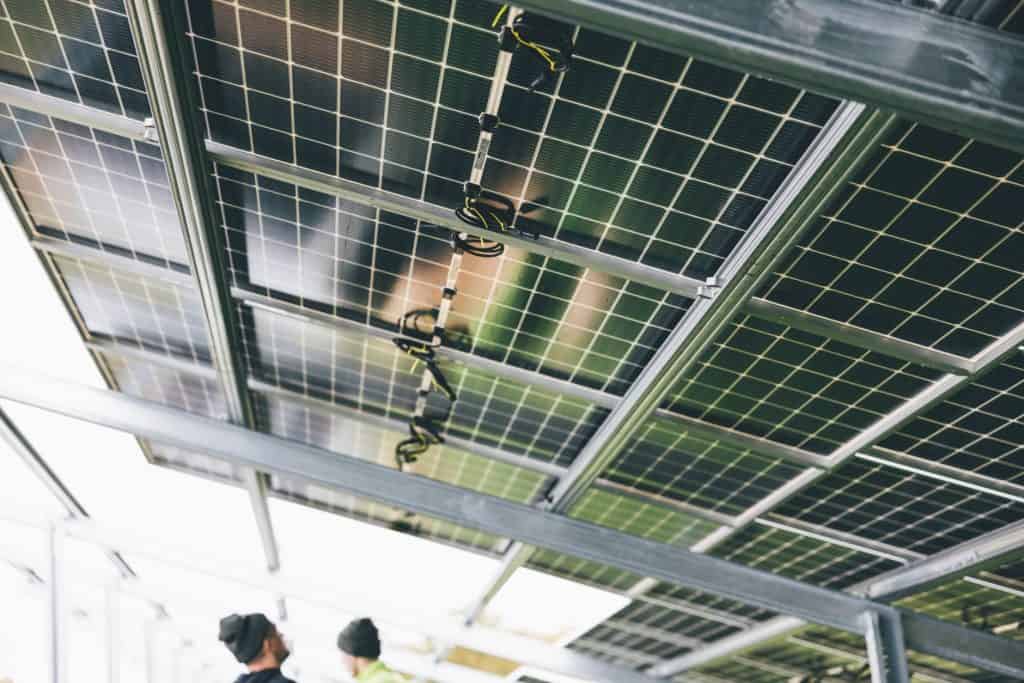
Solar Plus Garden integrates solar energy with local food production through an agrivoltaics approach, pairing solar panels with community farming. The distinct separation of energy property and agricultural initiatives is essential for tax compliance.
The federal solar tax credit applies only to the solar-electric asset owned by the Serbian DOO, which qualifies as energy property under IRS definitions. The garden community membership and associated farming activities are managed by a separate legal entity and do not qualify for any energy tax credits.
This division ensures federal clean energy tax incentives are accurately applied to qualified solar investments without conflating agricultural activities. Investors in the community receive fresh produce benefits linked to the agrivoltaic model; however, tax deductions remain confined to expenditures on solar panels and related energy infrastructure.
Frequently Asked Questions
Who qualifies for the federal solar investment tax credit in 2026?
Owners of newly constructed solar photovoltaic systems—residential or commercial—that are placed in service in 2026 qualify to claim up to a 30% federal tax credit on eligible costs, subject to adherence to IRS rules and labor standards outlined in the Inflation Reduction Act.
Can I claim tax credits for solar projects that receive state rebates or subsidies?
Yes, but the value of any state or local clean energy rebates or subsidies received must be deducted from the total eligible expenditure before calculating the federal solar investment tax credit, preventing duplicate federal and state benefits as mandated by IRS regulations.
How does joining a community platform like Solar Plus Garden impact my ability to claim solar tax deductions?
Only investors who make direct capital contributions to the solar asset owned by the Serbian DOO are eligible to claim energy tax credits on those investments. Garden community membership fees, which provide access to agrivoltaic produce but do not finance energy property, are ineligible for solar energy tax credits.
What documentation is required to claim the solar investment tax credit?
Taxpayers must retain purchase invoices, installation contracts, proof of payment with applicable dates, and certification documents verifying the solar system’s compliance with energy property standards to complete IRS Form 5695 and substantiate claims for the Residential Clean Energy Credit.
Conclusion
Leveraging solar investment tax deductions effectively in 2026 requires comprehensive compliance with federal eligibility criteria, particularly related to construction start dates, labor standards, and qualified energy property investments. Maintaining complete documentation and engaging tax experts specialized in the clean energy tax domain is essential to properly claim the federal solar investment tax credit and optimize the financial benefits.
Solar Plus Garden offers a legally and operationally transparent platform that separates solar energy investments from community agrivoltaic activities, helping investors navigate complex tax structures while supporting clean energy and local food production.
Prospective investors should monitor federal and state tax legislation changes affecting credit rates, qualification timelines, and documentation requirements. Early engagement with Solar Plus Garden’s investment team and consultation with specialized tax experts will assist in aligning solar investment strategies with clean energy tax incentives.