









How to Choose and Optimize Solar Battery Storage Solutions for Reliable Energy Independence

Key Characteristics of Solar Battery Storage Systems and Their Role in Solar Energy Storage
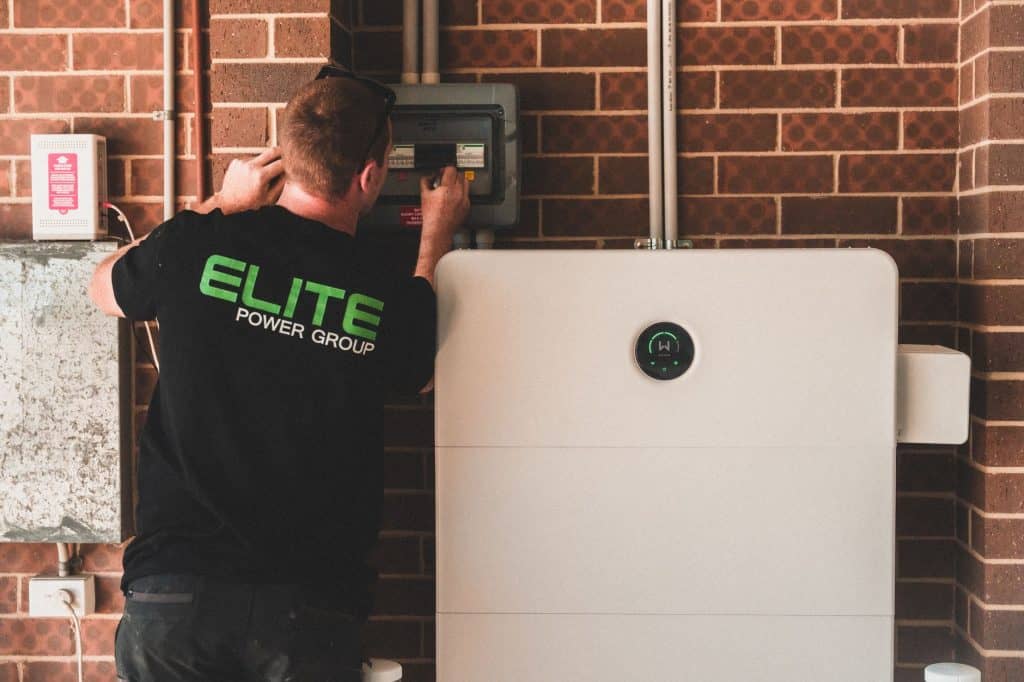
Solar battery storage solutions function as critical components within solar energy storage systems, designed to store excess electricity generated by photovoltaic (PV) panels. These solutions capture solar energy during peak production—typically midday—and release it during low-insolation periods such as evenings or cloudy days, thus optimizing energy self-consumption and grid interaction.
A standard solar energy storage system comprises three essential elements:
- Battery: An electrochemical device—commonly lithium-ion in modern systems—that stores and delivers electrical energy with defined capacity (measured in kilowatt-hours, kWh) and power rating (kilowatts, kW).
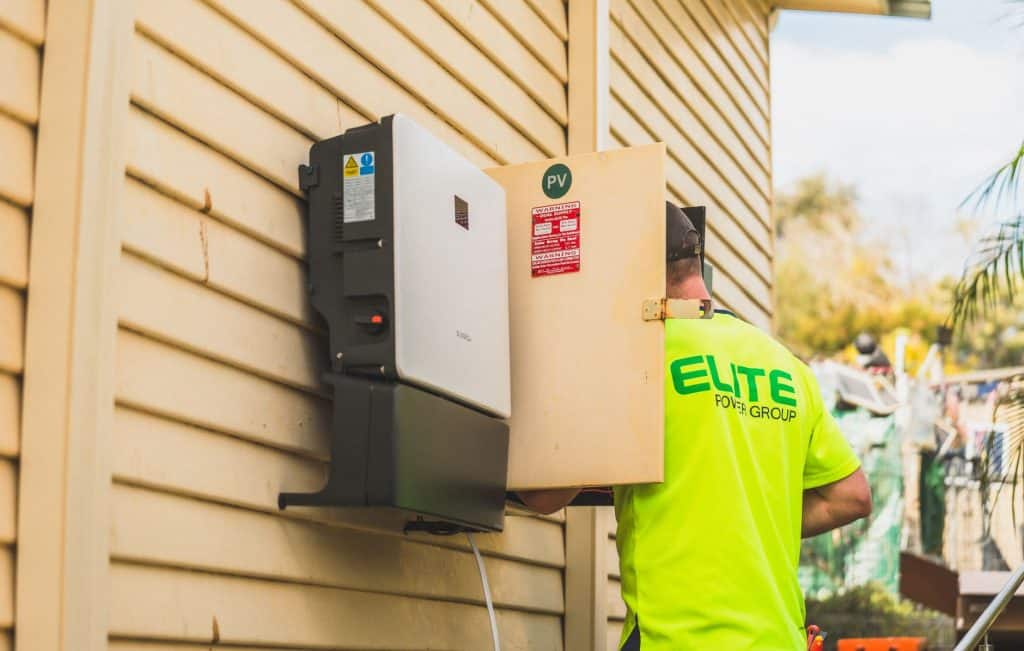
- Inverter: A power electronics unit that converts the battery’s direct current (DC) into alternating current (AC) usable by household appliances or for export to the grid, often including bidirectional functionality for charging and discharging.
- Battery Management System (BMS): An integrated controller that continuously monitors parameters such as cell voltage, current, temperature, and state of charge (SoC) to ensure safe operation, prevent overcharge or deep discharge, and extend battery lifespan through optimal charge protocols.
Solar energy storage systems are tailored to the intermittent nature of solar generation and typically align with local consumption patterns—residential systems, for example, emphasize overnight usage coverage. Efficiency of these systems, defined by round-trip efficiency, can range from 85% to over 95% for lithium-ion batteries, reflecting losses in charging, discharging, and conversion processes.
Common residential solar battery storage systems provide usable capacities between 5 kWh and 20 kWh, designed to meet average household consumption between 10 and 30 kWh per day. This range supports load shifting and emergency backup without oversizing, which would unnecessarily increase costs and complexity.
Types of Solar Batteries and Their Suitability for Different Solar Energy Storage Needs
The market for types of solar batteries is largely segmented by chemistry, cost, lifecycle, and operational characteristics. Key types include:
- Lithium-ion batteries: Featuring energy densities around 150–250 Wh/kg, cycle lifespans from 3,000 to 5,000 full cycles depending on depth of discharge, and commonly supporting 80–90% DoD. These batteries offer maintenance-free operation and efficiencies exceeding 90%. Their modular scalability suits applications from single-family homes to Solar Plus Garden’s 10 MW solar energy storage system, enabling robust community-backed investment frameworks.
- Lead-acid batteries: Traditional valve-regulated lead-acid (VRLA) and flooded types deliver lower energy density (30–50 Wh/kg) with typical cycle lives between 500 and 1,200 cycles at 50% DoD. Their limited DoD restricts usable capacity, necessitating larger nominal sizes, and they demand periodic electrolyte inspections and equalization charging. Lead-acid remains viable for small-scale or budget-constrained setups but is less favored in scalable community solar battery storage systems.
- Flow batteries: Including vanadium redox and zinc-bromine chemistries, flow batteries offer cycle lives from 4,000 to 10,000 cycles with near 100% DoD, enabling nearly full use of rated capacity without degradation. Due to system complexity and footprint, current deployment focuses on large-scale utility or commercial solar battery storage systems, with limited residential or community use to date.
Solar Plus Garden targets lithium-ion battery technology as the optimum solution balancing lifecycle costs, performance consistency, and integration with its community investment and operational model. While lead-acid batteries could reduce upfront costs in smaller pilot applications, the scalability limits and maintenance demands reduce their attractiveness for a 10 MW system. Flow batteries remain a longer-term consideration as technology costs decline and installation complexity becomes manageable for extensive community projects.
Integration of Solar Battery Storage within Large-Scale Solar Projects and Community Models
Integrating solar battery storage in large-scale solar plants such as Solar Plus Garden’s 10 MW installation typically involves energy storage systems sized to provide 2 to 4 hours of full plant load backup, corresponding to 20–40 MWh of usable capacity. This supports peak demand management, grid frequency regulation, and outage resilience by smoothing variable solar generation and discharging stored energy during low production or high demand periods.
Solar Plus Garden’s combined solar energy storage system and garden community membership model extend storage utility beyond energy supply. Battery storage supports consistent power for greenhouse climate control, automated irrigation systems, and food processing equipment, ensuring operational reliability in conjunction with solar generation fluctuations.
The legal and structural framework bifurcates responsibilities: an Estonian OÜ holds and operates the solar plant and battery storage assets, providing centralized asset management and regulatory compliance adherence with EU directives. Concurrently, a Serbian DOO administers the garden community activities, maintaining operational separation but contractual linkage to ensure financial transparency. This jurisdictional configuration necessitates clear contracts detailing battery storage ownership, maintenance obligations, and performance monitoring roles across entities.
Financially, Solar Plus Garden employs an escrow payment model where membership fees and investor capital are securely allocated to battery storage procurement, installation, and community operational expenses. This eliminates risk of fund misallocation, supporting investor diligence standards and regulatory scrutiny common in energy storage projects.
Technical Criteria for Evaluating Solar Energy Storage System Efficiency and Longevity
Solar battery storage system performance is governed by measurable parameters directly impacting operational efficiency and durability:
- Round-trip efficiency: Lithium-ion-based storage systems routinely achieve ≥90% round-trip efficiency, calculated as the ratio of energy delivered during discharge versus energy required during charge. This efficiency directly influences overall system economic viability.
- Usable capacity: Defined by total battery capacity multiplied by the permissible depth of discharge. For example, a 10 kWh battery with 90% DoD yields 9 kWh usable capacity, ensuring longevity without stressing battery cells.
- Depth of discharge (DoD): Operational range typically set between 80% to 90% for lithium-ion systems; strict management of DoD avoids accelerated degradation. Lead-acid systems generally limit DoD to 50% to preserve cycle life.
- Thermal management: Maintaining battery temperature between 15°C and 35°C extends lifecycle and prevents thermal runaway. Active cooling or passive ventilation systems mitigate heat accumulation during high charge/discharge rates or ambient temperature spikes.
The battery management system is indispensable for enforcing these parameters through real-time monitoring and control. It prevents unsafe conditions such as overvoltage, under-voltage, thermal excursions, and deep discharge. Lithium-ion batteries degrade at an expected rate of 2-3% capacity loss annually under standard operating conditions, and BMS intervention moderates this by enforcing operational limits.
Compliance with European Union regulatory standards including the Low Voltage Directive (2014/35/EU) and IEC 62619 (Safety requirements for secondary lithium cells and batteries) is mandatory for installations in Estonia and Serbia. These standards require documented safety testing, electrical insulation verification, and fault management capabilities in both battery cells and integrated storage systems.
How Solar Battery Storage Enhances Energy Security and Financial Stability for Investors and Communities
Solar battery storage contributes to energy security by enabling backup power provision during grid outages, reducing dependency on imported electricity and limiting demand charges that can inflate energy costs. Community-scale storage systems often aim for 3 to 6 hours of backup duration, accommodating operational continuity for critical activities such as irrigation, refrigeration, and climate control in the garden model.
Battery storage’s buffering capability smooths solar generation variability caused by weather fluctuations or seasonal changes. This consistency in energy availability improves predictability in cash flow models for investors by minimizing supply interruptions and avoiding peak power penalties.
The Solar Plus Garden membership structure supports financial stability by requiring a one-time membership fee of €200 and optional monthly contributions of €20 for garden box produce deliveries. These funds are systematically channeled into battery storage maintenance reserves and community energy system upkeep, ensuring that operational costs are covered transparently without compromising financial sustainability.
Installation and Maintenance Considerations for Solar Battery Storage Systems in Agrivoltaic Environments
Agrivoltaic environments pose distinct challenges for battery storage system installation, primarily concerning site-specific thermal management and compliance with agricultural safety standards. Shading dynamics from both solar panels and vegetation alter ambient temperature and airflow around battery enclosures, necessitating site surveys and thermal modeling before installation.
Optimal battery installation involves controlling temperature within 15°C to 35°C via passive cooling (ventilated enclosures) or active climate controls, minimizing thermal stress known to accelerate capacity degradation. Adequate clearance for fire safety—often governed by local fire code—must be maintained, generally recommending at least 1 meter of space for ventilation and emergency access.
Maintenance protocols focus on quarterly performance checks assessing battery state of health (SoH), inverter operation, and BMS fault logs, combined with annual safety inspections for electrical connections, cooling system integrity, and physical enclosure condition. Lithium-ion batteries in 2026-2027 typically come with warranties covering 10 to 15 years or specified cycle counts (e.g., 5,000 cycles at 80% DoD), conditional on adherence to prescribed maintenance schedules.
Integration with digital monitoring platforms, such as those adopted by Solar Plus Garden, enables real-time remote telematics for energy storage parameters. This allows predictive maintenance through early detection of performance anomalies, reducing unplanned downtime and optimizing OPEX in community solar battery storage operations.
Evaluating Emerging Trends and Technology Innovations in Solar Battery Storage Solutions for Community Solar Projects
Emerging trends shaping solar battery storage include:
- Solid-state batteries: Featuring solid electrolytes instead of liquid or gel, these batteries provide higher energy density and improved safety profiles. Commercialization is anticipated in the 2028–2030 timeframe, with expected cycle lives exceeding 5,000 cycles and DoD above 90%, potentially benefiting community solar models by increasing storage compactness and lifespan.
- Second-life electric vehicle (EV) batteries: Repurposed EV batteries derived from end-of-vehicle-life automotive packs are entering pilot deployments in stationary solar energy storage. While cost-effective, second-life batteries require comprehensive reconditioning and sophisticated BMS integration to manage capacity variability and ensure reliability in solar battery storage applications.
- Hybrid energy storage systems: Combining multiple battery chemistries (e.g., lithium-ion with supercapacitors) or integrating batteries with other storage media can enhance life cycle cost efficiencies and optimize performance for varying load profiles. These systems are particularly promising for scaling community solar projects like Solar Plus Garden, addressing jurisdictional technical standards in Estonia and Serbia.
Stakeholders should prioritize flexible system architectures accommodating emerging battery technologies and evolving EU safety standards. Anticipating regulatory developments and incentivization schemes will be critical to maintaining long-term system competitiveness and investor confidence.
FAQ
- What size solar battery storage system is recommended for a typical 10 kW residential solar panel setup?
- For a 10 kW solar panel array, a solar battery storage capacity between 10 kWh and 15 kWh is recommended. This size matches typical overnight household consumption and provides reserve capacity for grid outage backup, adjusted for specific load profiles.
- How long do solar batteries typically last before needing replacement or maintenance?
- Lithium-ion solar batteries usually last between 10 and 15 years, correlating with 3,000 to 5,000 full cycles at 80–90% depth of discharge. Regular thermal management and battery management system oversight extend operational life and optimize maintenance intervals.
- Can solar battery storage systems be combined with community garden initiatives like Solar Plus Garden’s model?
- Yes, integrating solar battery storage with community garden projects stabilizes energy supply for critical infrastructure such as automated irrigation, lighting, and processing equipment, supporting sustainable agricultural and energy goals simultaneously.
- What safety standards apply to solar battery storage systems installed in Estonia or Serbia?
- Solar battery storage systems in Estonia and Serbia are required to comply with EU Low Voltage Directive (2014/35/EU) and IEC 62619 standards, which govern electrical safety, chemical stability, and functional reliability of secondary lithium battery installations.
Conclusion
Optimal solar battery storage solutions require evaluating battery chemistry, system design, and integration compatibility with solar energy installations and community investment models like Solar Plus Garden. Lithium-ion batteries are currently the preferred choice for combined performance, lifecycle cost, and scalability in both residential and medium-scale solar energy storage systems. Compliance with applicable EU safety standards and implementation of robust battery management systems safeguard operational integrity and longevity.
Embedding transparent funding mechanisms and digital monitoring ensures accountability and reliability in community-backed battery storage projects. Investors and developers should maintain awareness of technological advancements—such as solid-state and second-life batteries—and evolving regulatory frameworks to future-proof investments and optimize financial returns in the growing solar energy storage sector.