






Comprehensive Guide to Solar Investment Risks and Effective Mitigation Strategies

Understanding Key Solar Investment Risks in a 10 MW Solar Project
Investing in solar energy projects like Solar Plus Garden’s 10 MW plant involves exposure to multiple risks that directly impact the expected return on investment (ROI) and operational performance. Key risks include regulatory changes, technological degradation, and environmental influences that affect system output and financial assumptions.
Regulatory risk is central due to the reliance on feed-in tariffs and renewable energy subsidies that vary by jurisdiction and are subject to revision. For example, tariffs effective in 2024–2026 can change based on government energy policies, influencing revenue per kWh sold. Investors must continuously assess official updates and model scenarios reflecting potential tariff adjustments, balancing financial forecasts accordingly.
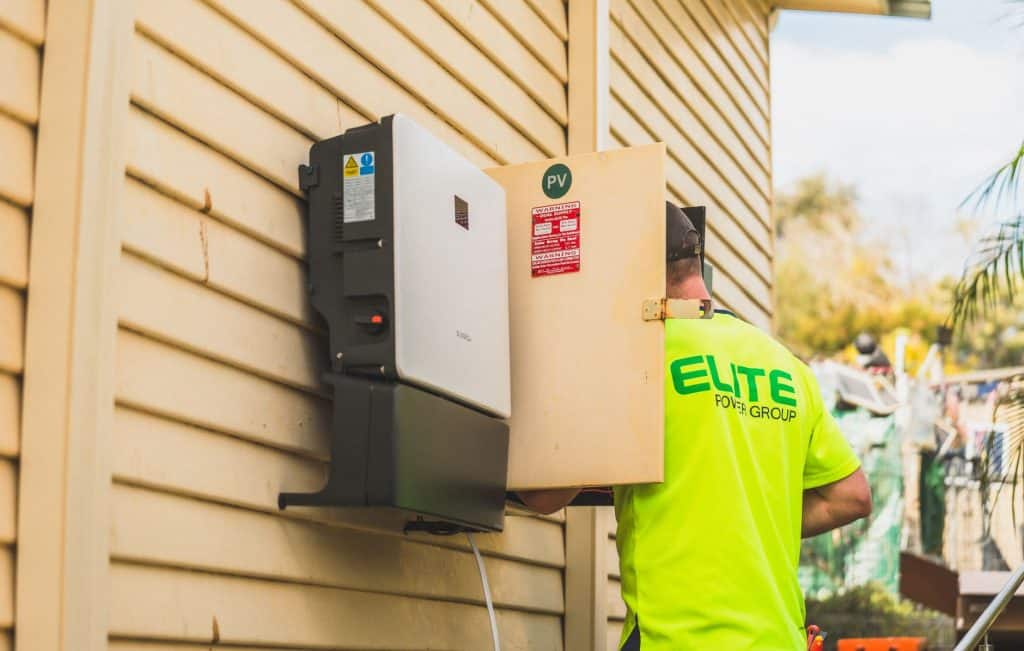
Technological risk centers on solar panel degradation and installation issues. Panels used in the project conform to IEC 61215 and typically experience degradation rates between 0.5% and 1% annually, affecting long-term energy yield projections. Installation defects, such as improper mounting or electrical connection faults, can reduce efficiency and increase maintenance costs, underscoring the importance of rigorous quality control and post-installation monitoring.
Weather-related risks include extreme conditions such as hailstorms, heavy snowfall, and temperature fluctuations, which can cause physical damage or reduce performance. Such risks require design considerations and risk management approaches detailed later in this guide.
Legal and Structural Safeguards in Solar Plus Garden’s Investment Model
Solar Plus Garden’s investment model uses a dual-entity legal structure with a holding company established as an Estonian OÜ on 20.02.2026 and a Serbian DOO managing solar asset operations. This separation enables compliance with localized regulatory frameworks and reduces cross-jurisdictional legal complexities for investors.
A defined payment and escrow system ensures investor funds are managed transparently. Investor capital is held in escrow accounts that disburse funds strictly according to predefined project milestones and expenditure approvals, enforced by legally binding contracts. This system prohibits unauthorized fund usage or “false escrow” arrangements, increasing investor confidence in capital allocation.
The Garden community activities operate under a separate legal entity, excluding these operational costs and liabilities from the solar asset’s financial risk profile. This legal and financial segregation reduces operational risk exposure and protects the core investment from unrelated community activity liabilities.
Technical Risk Mitigation Through Quality Inspection and Installation Standards
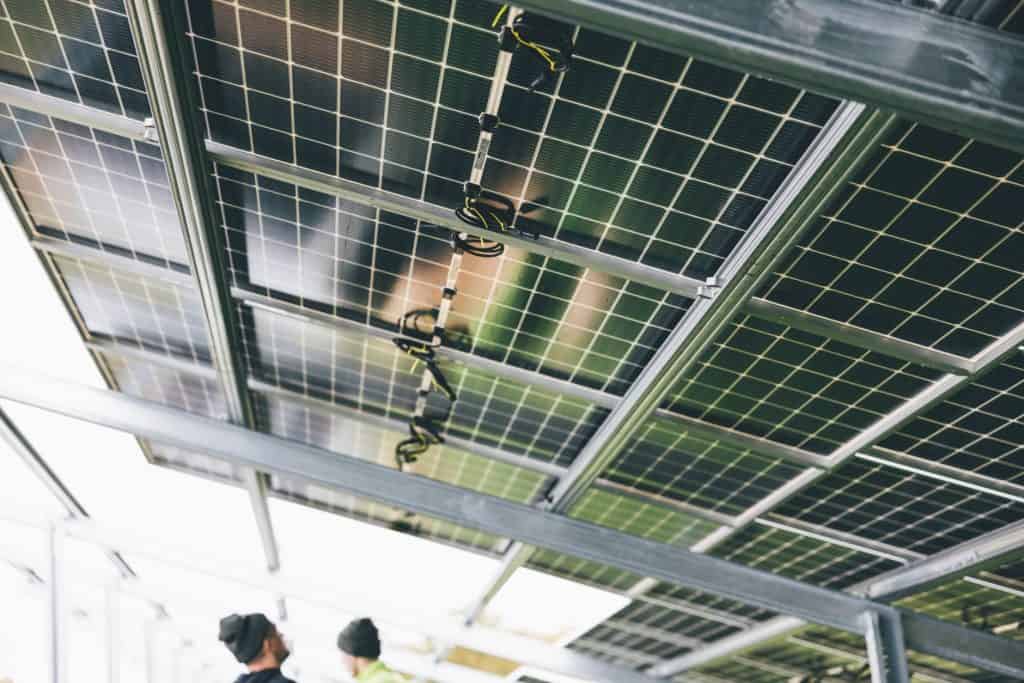
Solar Plus Garden mitigates installation and technology-related risks by adhering to the IEC 61215 standard, which certifies solar modules for durability, power output, and performance under environmental stress tests. Modules are required to pass mechanical load, thermal cycling, humidity freeze, and damp heat tests before deployment.
Pre-grid connection inspection follows a documented sequence:
- Verification of module serial numbers and IEC 61215 certification to confirm compliance
- Visual and mechanical inspection of mounting structures for torque specifications and corrosion resistance
- Electrical testing including insulation resistance measurements and continuity checks using calibrated equipment
- Performance validation under simulated irradiance through IV curve tracing to verify power output consistency with manufacturer specifications
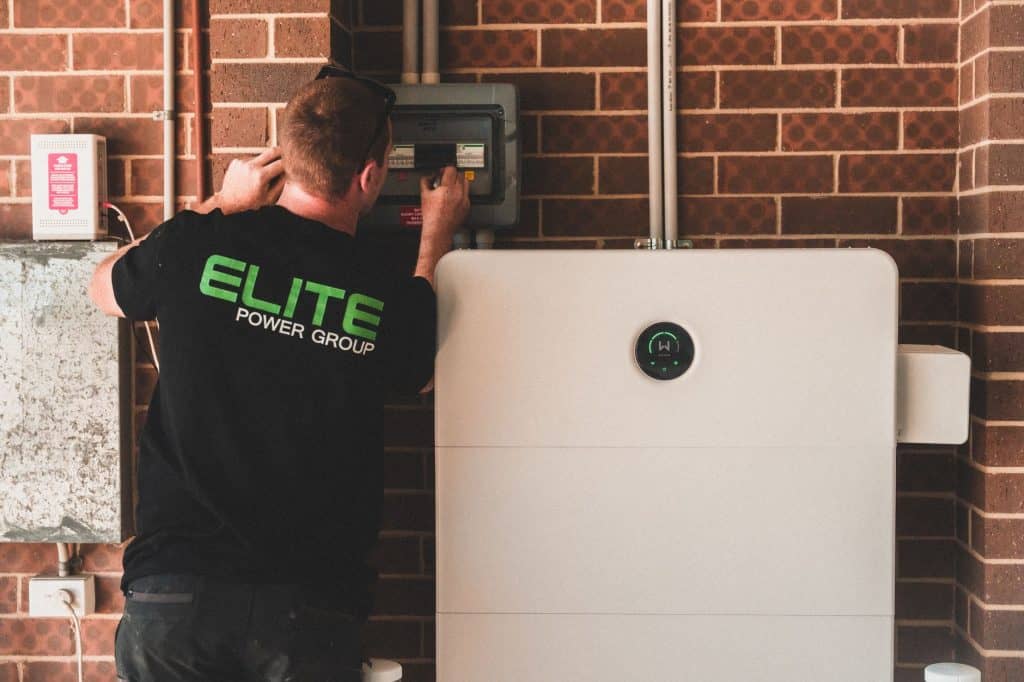
Installation is conducted exclusively by certified technicians with documented training and proven track records in large-scale solar projects. Following commissioning, automated remote monitoring systems track performance metrics like inverter efficiency, panel temperature, and irradiance hourly, with deviations beyond set thresholds triggering maintenance requests within 48 hours.
Financial Risk Assessment: Evaluating ROI Variability and Investment Stability
Financial risk assessment includes modeling ROI under variable feed-in tariff scenarios and electricity market price fluctuations. Current ROI models integrate data from regional market operators reflecting base tariffs and volatility ranges applicable through 2026, subject to policy updates thereafter. Sensitivity analyses simulate revenue changes from a ±10–15% variation in tariff or spot market prices to provide ranges for investor decision-making.
Solar Plus Garden enhances investment stability through diversified income features. The primary solar energy revenue depends on electricity sales, while supplementary community membership fees establish a more predictable cash flow. Membership requires a €200 one-time fee and an optional €20 monthly payment for garden box deliveries, supporting agrivoltaic activities and operational expenses independent of solar output.
Investment options include:
- Long-term equity shares granting exposure to asset appreciation and variable ROI
- Guaranteed payout contracts offering fixed returns insulated from market price swings
These models provide investors with alternative risk profiles, accommodating conservative to moderate risk appetites.
Environmental and Weather-Related Risk Factors Affecting Solar Installations
The design of the 10 MW solar installation accounts for environmental challenges using engineered components and site selection informed by regional climate datasets spanning at least 10 years. Mounting systems are rated to withstand wind loads corresponding to speeds up to 130 km/h, verified under ISO 4354 wind actions testing protocols or equivalent engineering standards.
Hail protection measures include tempered glass panels with Class F impact resistance, tested according to IEC 61215 hail impact procedures simulating 25 mm diameter ice balls impacting at 23 m/s. Additionally, lightning protection and snow load-resistant construction techniques reduce risk exposure.
The project carries comprehensive insurance covering loss and damage from natural hazards such as storms, flooding, and fire. Insurance policies specify coverage limits and deductibles aligned with asset valuation and historical risk-profile assessments. On-site environmental sensors enable real-time monitoring of extreme weather, facilitating immediate operational adjustments or shutdowns and expediting damage assessment and repairs.
Community Membership Model as a Risk Buffer and Value Enhancer
The Garden community membership model functions as an additional risk mitigation mechanism by providing stable, non-energy-related revenue. Membership access is independent of direct solar investment, requiring fixed fees paid upfront and monthly as agreed. These funds finance community and agrivoltaic programs, operational expenses, and local value-added activities, thereby diversifying income beyond solar energy sales.
The Garden entity holds exclusive rights over up to 3,000 garden box slots, each scheduled for 18 fresh produce deliveries annually. This distribution schedule accounts for seasonal agricultural cycles and local logistics, ensuring consistency in service and community engagement.
Membership governance includes clearly defined contract terms outlining fee structures, benefits, and cancellation policies. Financial audits on these funds are conducted separately from solar investment accounts, preserving transparency and preventing cross-subsidization. The model supports Solar Plus Garden’s sustainability goals through regenerative agriculture integrated with solar installations.
Stepwise Risk Monitoring and Response Plan for Solar Investment Projects
Ongoing risk management is structured into defined monitoring and response steps executed throughout the project lifecycle. Initial risk assessments occur during project planning with subsequent evaluations at key phases: commissioning, first year of operation, and annually thereafter.
Specific procedures include:
- Quarterly financial audits encompassing cash flow analyses, payment reconciliation, and variance detection across solar revenues and membership fees
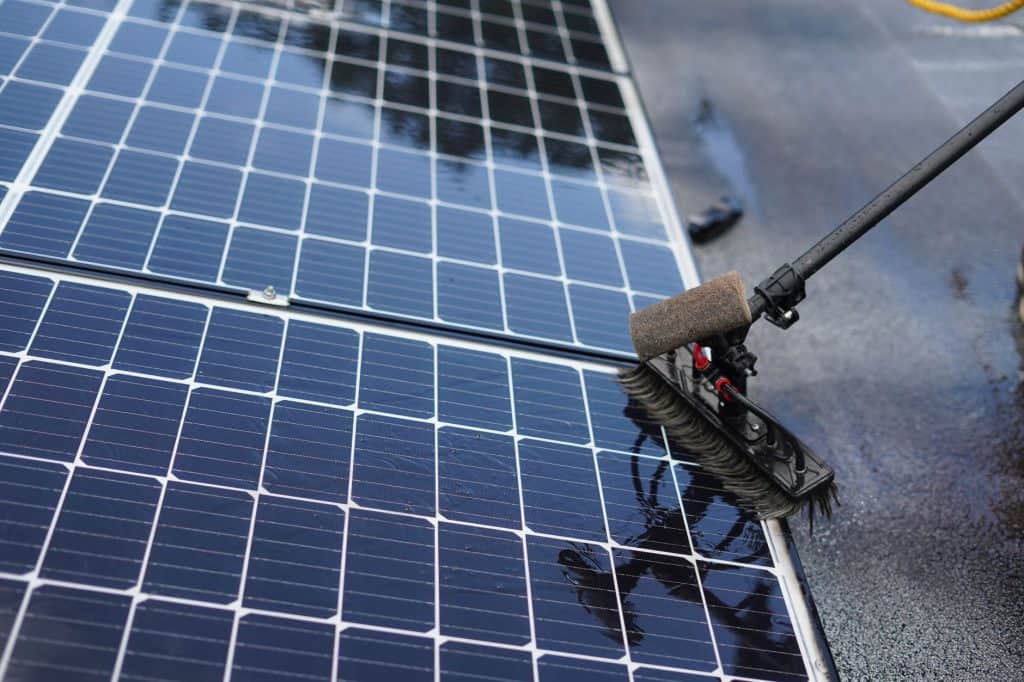
- Scheduled physical inspections of solar installations every 6 months to verify panel condition, electrical systems integrity, and mounting stability, supplemented by monthly remote performance diagnostics
- Regulatory compliance reviews aligned with updates in energy legislation and subsidy frameworks, performed biannually to ensure adaptive management
- Community feedback mechanisms collecting member input via digital platforms and structured surveys, enabling prompt identification of operational or service-related issues
- Documented escalation procedures outlining clear timelines and responsibility assignments for resolving identified risks, supported by Notion AI-powered decision logs for auditability and transparency
This systematic approach ensures early detection and mitigation of emerging risks, safeguarding ROI and maintaining investor trust.
Frequently Asked Questions
- What are the primary financial risks associated with investing in a solar energy project like Solar Plus Garden?
- Primary financial risks include fluctuations in feed-in tariffs and regional subsidy programs, variability in electricity market prices, and solar panel performance degradation over time. Solar Plus Garden mitigates these risks using a legally sound investment structure, diversified income streams including community membership fees, and scenario-based financial assessments.
- How does Solar Plus Garden ensure the quality and reliability of its solar installations?
- Quality assurance is maintained through adherence to IEC 61215 standards for solar modules, rigorous multi-step inspections prior to commissioning, and engagement of certified professional installers. Continuous remote monitoring of system performance detects anomalies quickly, minimizing operational risks.
- Can community membership fees reduce my investment risk in Solar Plus Garden’s project?
- Yes. Community membership fees are a separate income source that supports operational costs and community-driven activities, buffering the investment against volatility in solar energy revenues and adding intrinsic value through agrivoltaic engagement.
- What contingencies are in place to manage weather-related damage risks to the solar installation?
- The solar infrastructure is engineered to withstand wind speeds up to 130 km/h with reinforced mounting systems and hail-resistant module glass per IEC 61215 impact standards. Supplemental insurance policies cover natural disaster damages, while real-time environmental monitoring enables rapid response to minimize damage and operational downtime.
Conclusion
Investors considering Solar Plus Garden’s 10 MW solar project should evaluate risks across regulatory, technical, financial, environmental, and operational categories with a focus on measurable impact to return on investment. The project’s dual-entity legal framework provides clear jurisdictional oversight and safeguards investor funds through an escrow arrangement that ensures disciplined capital deployment.
Technical risk is minimized through compliance with IEC 61215 certification, certified installation personnel, and layered inspection protocols combined with continuous performance tracking. Financial stability benefits from diversified income streams including community membership fees, offering predictable cash flow independent of solar revenue fluctuations.
Environmental resilience is achieved with design criteria accommodating extreme weather conditions, supported by comprehensive insurance coverage and proactive monitoring. Risk management practices incorporate structured, periodic assessments and Notion AI-enabled decision documentation to maintain transparency and agility.
As energy policy and technology standards evolve beyond 2026, continuous reassessment to adapt to these changes is required. Solar Plus Garden offers a transparent, well-structured opportunity aligning risk management with sustainable solar energy investment and community value creation.