




How Organic Community Supported Agriculture Builds Resilient Farms and Engaged Communities
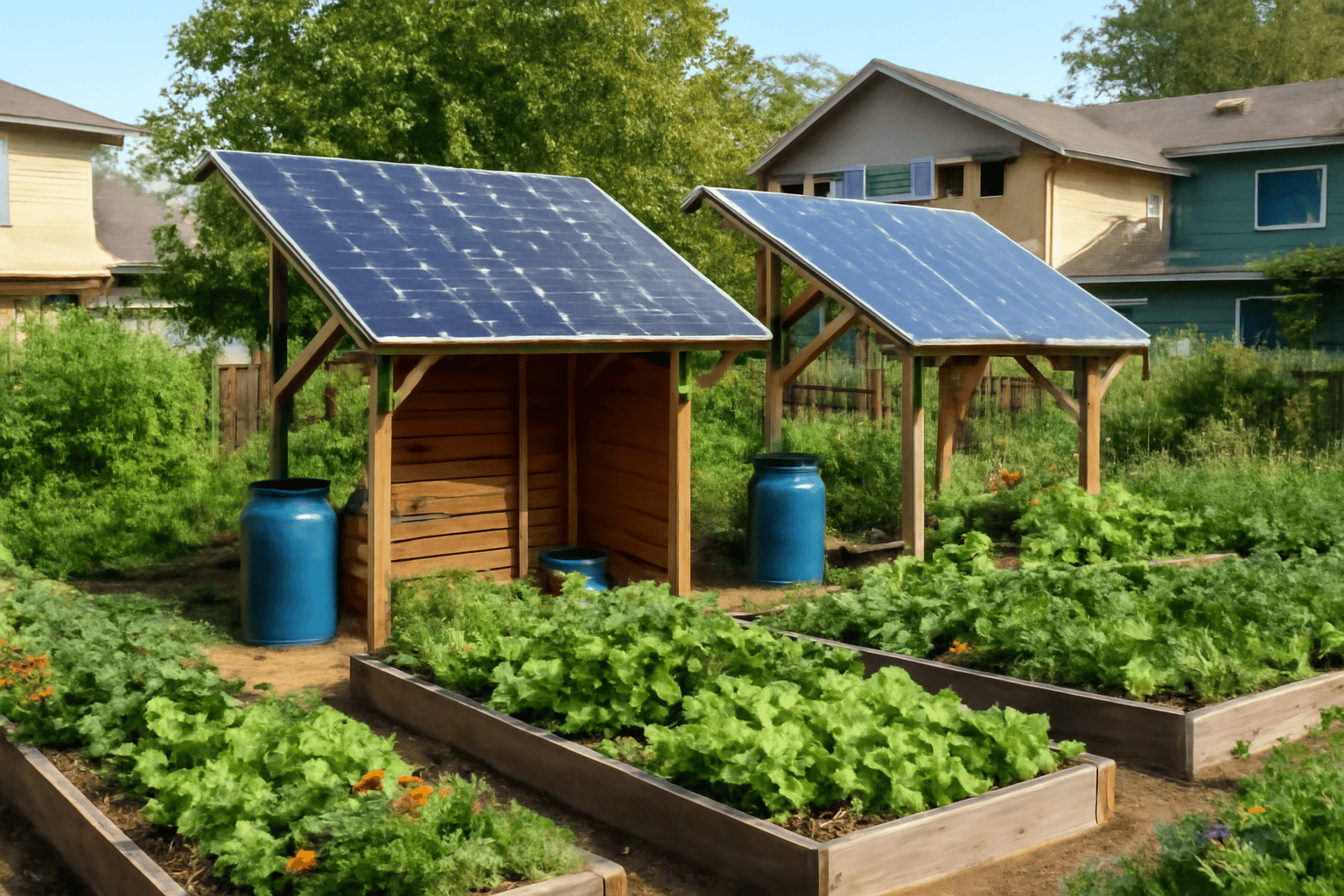
Defining Organic Community Supported Agriculture and Its Role in Modern Farming
Community Supported Agriculture (CSA) is a model where consumers invest directly in a local farm’s seasonal production by purchasing shares or memberships ahead of the growing cycle. Organic CSA combines this community-centered approach with certified organic farming practices, emphasizing environmental standards and transparent collaboration between the farmer and consumer.
Operationally, CSAs bypass conventional wholesale channels by delivering farm shares—weekly or biweekly bundles of fresh produce—directly to members by collection points or home delivery. This supply chain transparency is foundational to the CSA concept, enabling consumers to connect with farming operations and monitor seasonal outcomes.
CSA membership requires upfront commitment, typically prior to the planting season, providing farmers with stable cash flow and shared risk distribution. This predictability supports crop planning and investment in organic inputs. CSA farms maintain sustained communication through newsletters and events that educate members about organic agriculture, fostering accountability and community interaction.
The Farmer’s Commitment: Organic Practices and CSA Operational Steps
Farmers managing organic CSAs operate under the EU Organic Regulation 2018/848 framework, which mandates strict exclusion of synthetic chemicals, preservation of soil microbiome, and promotion of agro-biodiversity. Compliance requires securing annual organic certification from accredited control bodies and passing at least one on-site inspection per calendar year.
Production planning is structured as a multi-phase seasonal schedule based on a four-season crop rotation system common in organic farming. This schedule aligns field activities with share delivery frequency, balancing early, mid, and late-season crops to provide continuous harvests of vegetables, fruits, and herbs over approximately 20-24 weeks of the active season.
Soil preparation includes mechanical tillage combined with incorporation of organic matter such as composted manure and green manure crops, followed by soil nutrient testing to maintain organic nutrient balance. Integrated pest management utilizes biological predators, barrier methods, and crop diversification to suppress pest outbreaks, explicitly excluding synthetic pesticides and herbicides.
Harvest timing adheres to best practice post-harvest handling protocols: crops are harvested daily or bi-daily depending on perishable qualities, immediately transported to packing stations, sorted by quality grades, and packaged in biodegradable materials compliant with EU packaging waste directives. Ongoing communication channels provide members with transparent updates on crop status, weather impacts, and production challenges to uphold community trust.
Structure and Benefits of Membership in a CSA Community
In Solar Plus Garden’s Organic CSA model, članstvo u zajednici is governed by a one-time fee of €200, granting access to the community platform, voting rights in governance, and inclusion in farm-related decision processes. Additionally, members may opt into a monthly Baštenska kutija subscription at €20, which delivers approximately 18 seasonal produce shipments annually, timed with peak harvest periods and storage capacity considerations.
Members’ responsibilities include participation in online and onsite community forums, provision of feedback on farm and community initiatives, and adherence to community guidelines that sustain collective ownership ethos. This engagement structure differentiates the CSA from purely transactional sales models, embedding members in farm stewardship.
- Membership revenues fund certified organic inputs such as seed purchase, soil amendments aligned with local nutrient management plans, and biological pest control agents.
- Funds also support community-building activities including quarterly educational workshops on topics like organic agronomy, sustainable cooking techniques, and climate-resilient gardening.
- Financial oversight is implemented through escrow accounts governed by clearly articulated payment terms and audited financial statements, safeguarding contributions from misallocation.
This membership-economic framework balances farm operational needs with enriched member experience, sustaining long-term viability for organic CSA farms linked to the Solar Plus Garden platform.
Integrating Solar Energy: Enhancing Sustainability in Organic CSAs
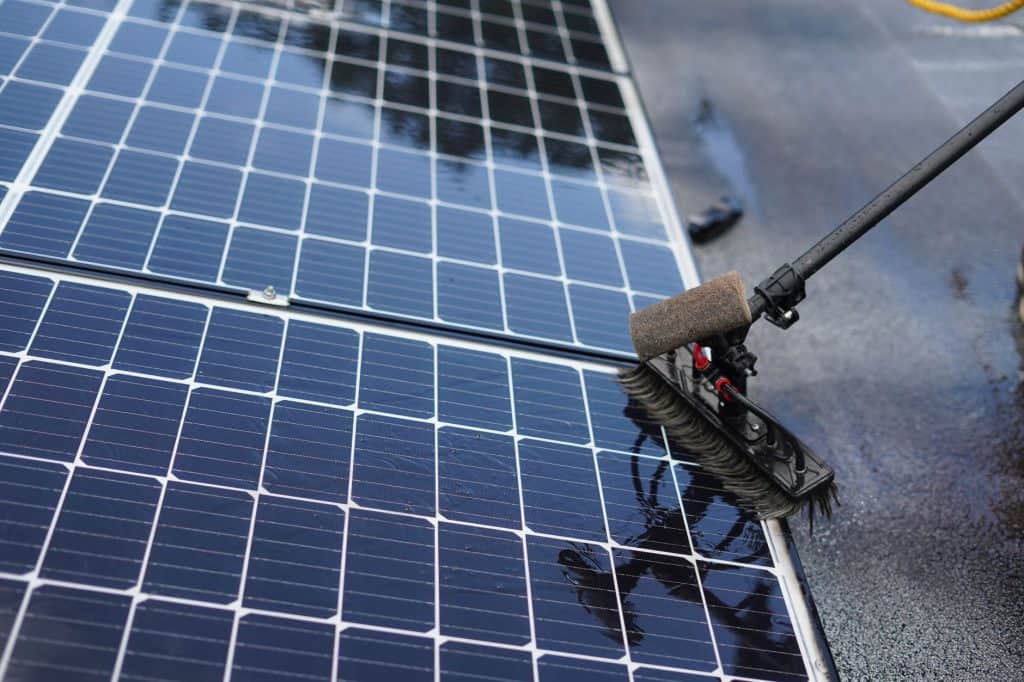
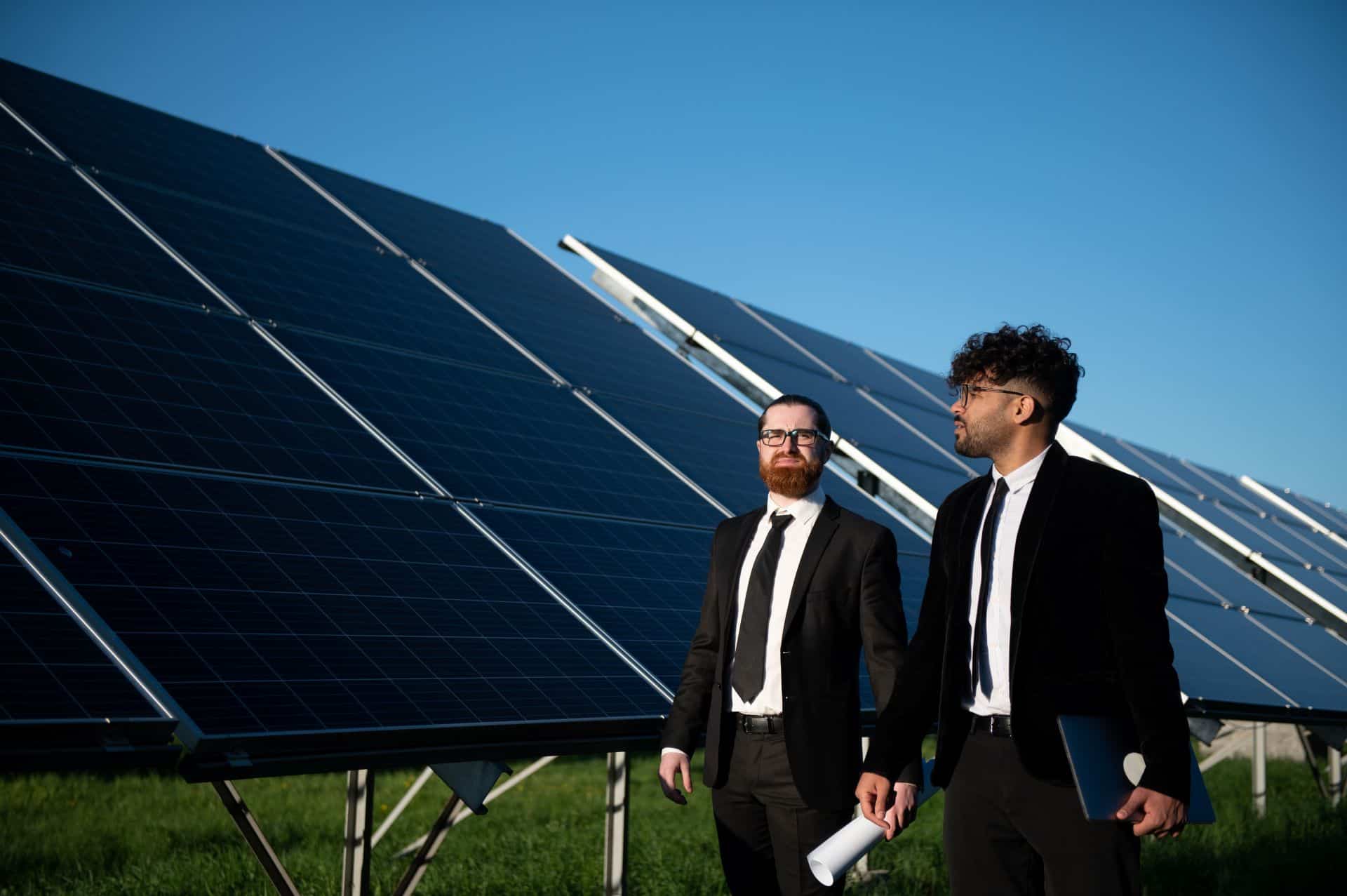
Solar Plus Garden’s 10 MW fotonaponska (PV) system is strategically utilized to generate clean electricity that is sold under long-term power purchase agreements (PPAs) or feed-in tariff schemes where applicable (subject to evolving national regulations). The proceeds create a predictable revenue stream earmarked for enhancing organic farm operations and community funding pools.
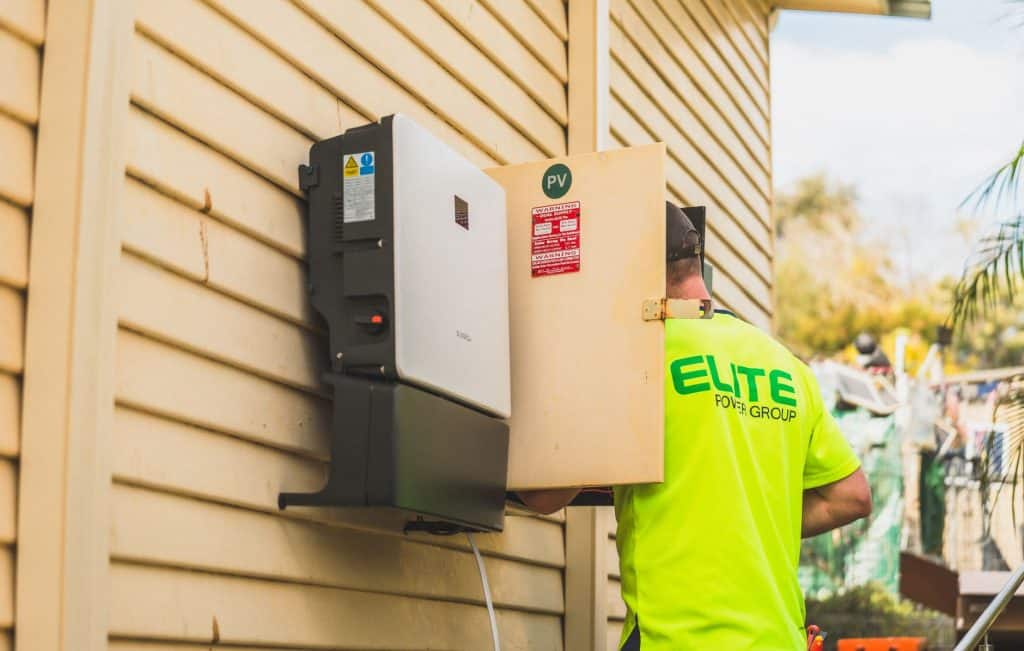
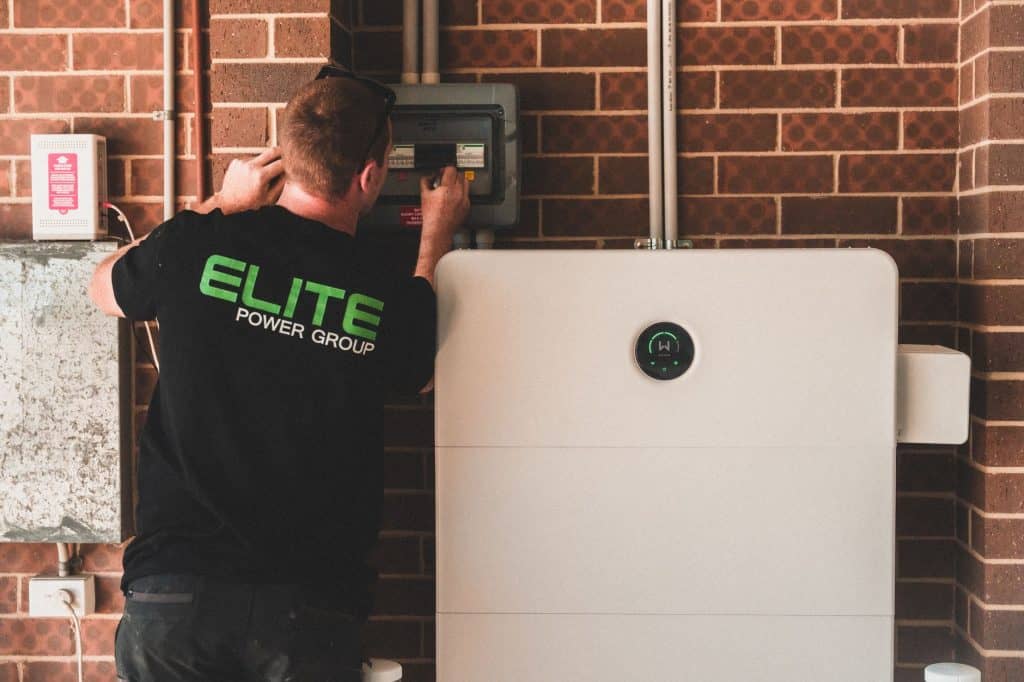
On-site solar installations power key energy-intensive processes such as electrically driven irrigation pumps, refrigerated storage units for perishable produce, and small-scale processing equipment, thereby reducing fossil fuel dependence. Measurement through energy management systems tracks electricity consumption and grid feed-in, allowing operational optimization and carbon footprint calculation.
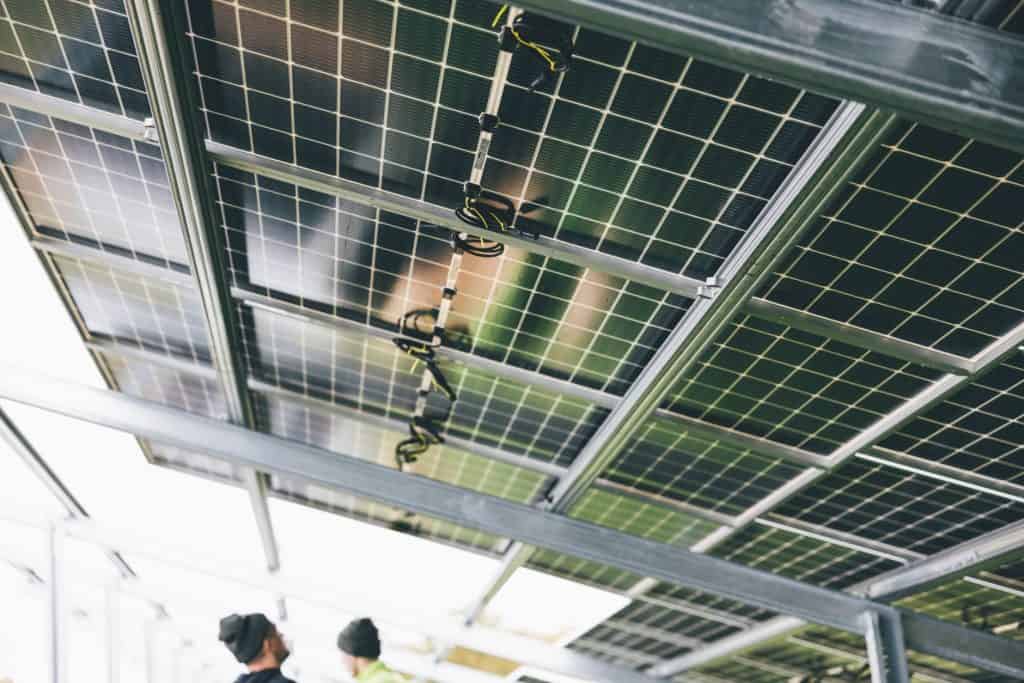
The project pilots agrivoltaic configurations that integrate bifacial PV modules mounted on adjustable racking systems above crop rows. This dual-use land approach moderates microclimate conditions—providing approximately 20-30% shading during peak sunlight hours—which can lower evapotranspiration rates and heat stress on shade-tolerant crops, contributing to water use efficiency. Agrivoltaic benefits are under continuous agronomic and energy performance monitoring to optimize panel orientation and plant selection.
Membership Experience: From Joining to Enjoying Fresh Organic Produce
Prospective members initiate registration through the Solar Plus Garden online platform, completing a standard Know Your Customer (KYC) process that includes identity verification compliant with EU anti-money laundering (AML) directives. Upon approval, an electronically signed membership contract establishes rights and obligations.
After paying the €200 membership fee, members can optionally subscribe to the Garden Box. This subscription delivers seasonally curated organic vegetables 18 times annually, with deliveries scheduled according to crop maturation and cold storage rotation strategies to ensure product freshness and variety consistency.
Members gain exclusive access to educational content such as monthly webinars on organic crop management and seasonal recipes, plus on-farm events limited to scheduled open days accommodating up to 200 visitors, ensuring manageable agronomic impact. Interactive governance forums held quarterly via online platforms enable members to vote on community budget allocations and propose sustainability initiatives.
Communication is maintained via weekly newsletters summarizing field conditions, weather events, and harvest forecasts, along with an online portal featuring real-time updates and a feedback submission tool. This structure ensures transparency and encourages ongoing dialogue between farmers, community managers, and members.
Legal and Operational Framework Ensuring Transparency and Security
Solar Plus Garden employs a multi-entity legal structure designed for operational clarity and investor protection:
- Solar Plus Garden OÜ, established as an Estonian private limited company (OÜ), holds and manages the 10 MW solar PV assets. This entity operates under Estonian corporate governance law, subject to information disclosure and annual financial audits regulated by the Estonian Financial Supervision Authority.
- The organic farming operations are conducted by a Serbian limited liability company (DOO), which manages crop production, organic certification compliance overseen by a Serbian accredited EU control body, and produce distribution under Serbian agricultural regulations.
- A dedicated legal entity exclusively holds intellectual property rights related to the Garden community brand and service platform, ensuring separation of community membership management from operational farming and solar investment activities.
Financial flows undergo strict control via third-party escrow accounts, with transparent reconciliation procedures ensuring membership and subscription fees are allocated solely to pre-defined uses: certified organic farm inputs, community programming, and renewable energy investment. The financial governance framework excludes reliance on escrow-like or informal fund-handling mechanisms to prevent misuse.
Ongoing legal compliance includes periodic audits of organic certification, investor reporting under EU investor protection directives, and consumer protection audits related to membership agreements. Formal governance protocols establish a documented member journey and escalation procedures to address disputes or operational challenges, reinforcing accountability.
Scaling Organic CSA Models Through Community Platforms and Technology
Solar Plus Garden’s digital platform infrastructure is engineered to support up to 3,000 active garden parcels or farm-share memberships simultaneously. This capacity facilitates gradual scale-up while preserving quality of service and operational monitoring.
Integrated software modules automate key processes including member onboarding with identity verification, electronic contract management, payment processing through secure PCI DSS-compliant gateways, and subscription lifecycle handling. Distribution logistics employ route optimization algorithms that synchronize harvest readiness with delivery scheduling to minimize produce transit times and spoilage.
Community engagement tools encompass a centralized event calendar, interactive educational resource library, and structured feedback channels with categorization and response tracking features, enabling efficient member interaction and management responsiveness.
Built-in compliance controls maintain organic integrity and social value alignment across scale, such as limiting parcel expansion without certification renewal and embedding community value metrics within platform analytics. This governance maintains model reproducibility in varying legal and environmental contexts, supporting regional adaptation efforts.
Česta pitanja
- What are the typical membership fees and what do they cover in an Organic CSA?
- Membership usually involves a one-time fee, for example €200 in Solar Plus Garden’s model, granting community access and supporting farm infrastructure investments. Optional monthly fees, such as a €20 Garden Box subscription, cover recurring produce deliveries and community program costs.
- How is the produce quality assured in Organic CSAs?
- Farms comply with EU Organic Regulation 2018/848, requiring annual certification and inspections by accredited control bodies. Practices include organic soil management, pest control without synthetic chemicals, and traceability systems to ensure chemical-free, high-quality produce.
- Can I join the garden community without directly investing in solar energy?
- Yes. Community membership does not mandate direct solar investment. Membership fees partially finance the 10 MW solar project, which subsidizes organic farm operations and community activities.
- What role does solar energy play in supporting CSA farms at Solar Plus Garden?
- The 10 MW solar plant generates revenues that provide a stable financial base for organic farming and community programs while reducing operational costs through onsite clean energy generation, integrating renewable energy systems with agriculture.
Property owners, project developers, contractors, and investors considering engagement with Organic Community Supported Agriculture models should evaluate the detailed membership frameworks, legal structures, and community involvement options that platforms like Solar Plus Garden offer. These regulated, transparent systems integrate certified organic farming with renewable energy revenue streams, contributing to scalable and sustainable local food systems. Prospective participants should monitor relevant changes in EU organic regulation, solar energy policy, and community governance practices, as these factors impact operational parameters and investment timing.