










Optimizing Solar Investment Pension Fund Allocation for Sustainable Retirement Growth
Defining Solar Investment Pension Funds: Structure and Objectives
Solar investment pension funds integrate capital from the renewable energy sector, specifically focused on solar infrastructure assets, into long-term retirement portfolios. These funds allocate capital either directly through equity stakes in operating solar power plants or indirectly via solar energy stocks and project financing vehicles, applying asset allocation methodologies that balance solar exposure with the broader portfolio diversification requirements outlined in pension fund management guidelines.
Private pension funds typically pursue flexible solar investment strategies involving diversified equity positions in solar energy companies or direct project ownership, allowing for adaptation to varying investment horizons and risk appetites. In contrast, public pension funds emphasize investment regulation compliance and steady income generators, commonly targeting established solar infrastructure compliant with local and international investment regulations.
Solar Plus Garden’s 10 MW solar project exemplifies an investable asset suitable for both private and public pension fund profiles. It operates under a dual legal framework: an Estonian OÜ serving as the holding entity, and a Serbian DOO managing local operations, enabling regulatory adherence across multiple jurisdictions. This dual-entity structure facilitates investment risk mitigation by clarifying asset ownership and regulatory boundaries aligned with pension fund investment regulations governing cross-border renewable energy allocations.
Solar investment pension funds thus apply asset allocation frameworks incorporating solar infrastructure assets within a compliance-ready, market-responsive structure that supports diversified clean energy portfolios and aligns with sustainable investment goals.
Mechanisms of Pension Fund Allocation in Solar Energy Projects: Financing and Liquidity Considerations
Pension fund managers employ systematic capital allocation processes structured around rigorous solar project evaluation, risk quantification, and alignment with defined investment horizons ranging typically from 10 to 30 years. Allocation mechanisms include:
- Direct equity investments: where pension funds acquire ownership shares in solar projects, entitling them to proportional operation revenues. These investments require due diligence including financial modeling and solar project evaluation covering technology, expected energy yield, and regulatory compliance.
- Loan-based financing: pension funds provide debt capital secured by projected solar power generation contracts or feed-in tariff revenues, with repayment structured over contractually specified terms enhancing investment liquidity while maintaining revenue assurance.
- Community membership fee models: exemplified by Solar Plus Garden’s structured payment system with a €200 one-time Garden membership fee and an optional €20 monthly Garden box subscription, which together finance solar infrastructure development and ongoing community initiatives. This model ensures predictable cash flows and transparent fund allocation through escrow arrangements, supporting both financial performance and non-financial impact objectives.
Liquidity management is integral, ensuring that allocations to solar projects balance long-term asset lock-in with pension fund redemption needs. Stable revenue streams supported by power purchase agreements (PPAs) or feed-in tariffs enhance capital predictability and maintain investment liquidity. The Članstvo u bašti payments, pooled separately under escrow accounts, finance both solar asset maintenance and community activities, exemplifying an integrated solar project financing model compliant with established investment risk assessment protocols that guard against fund misallocation.
Evaluating Financial Performance and Returns in Solar Pension Allocations
Pension funds employ defined fund performance metrics to measure financial returns and risk-adjusted performance of solar investments. Key parameters include:
- Payback periods: generally projected within 6 to 12 years, contingent upon local feed-in tariff rates, contractual power sales arrangements, and operating expense profiles typical of 10 MW utility-scale solar plants compliant with EU and Serbian energy regulations.
- Povraćaj investicije (ROI): differentiated between equity investments, which are variable and correlated to operational efficiency and market conditions, and structured guaranteed payout models providing fixed income streams over agreed contractual periods.
- Investment benchmarking: measuring performance relative to solar energy market indices and renewable energy sector averages published by recognized market data providers, aiding solar fund managers in portfolio rebalancing decisions.
Solar Plus Garden deploys phased investment options offering pension funds a choice between long-term equity participation during project development phases and guaranteed payout options in operational stages. This phased structure aligns the investment horizon with retirement fund growth expectations, managing exposure to market volatility through portfolio diversification across clean energy assets and reliance on stable solar power generation contracts.
Solar fund managers use continuous solar project evaluation and real-time monitoring of operational metrics to adjust allocations, ensuring adherence to sustainable investment goals and protection against adverse sector or regulatory developments.
Risk Assessment and Mitigation Strategies in Solar Pension Fund Allocation
Integrating solar assets into pension fund portfolios requires comprehensive investment risk assessment across several defined categories:
- Regulatorni rizik: exposure to policy changes including feed-in tariff revisions, subsidy adjustments, and permitting delays governed by frameworks such as the EU Renewable Energy Directive and Serbian local regulation.
- Tržišni rizik: variations in wholesale electricity prices and fluctuations in solar component costs—such as photovoltaic modules and inverters—that impact operating margins.
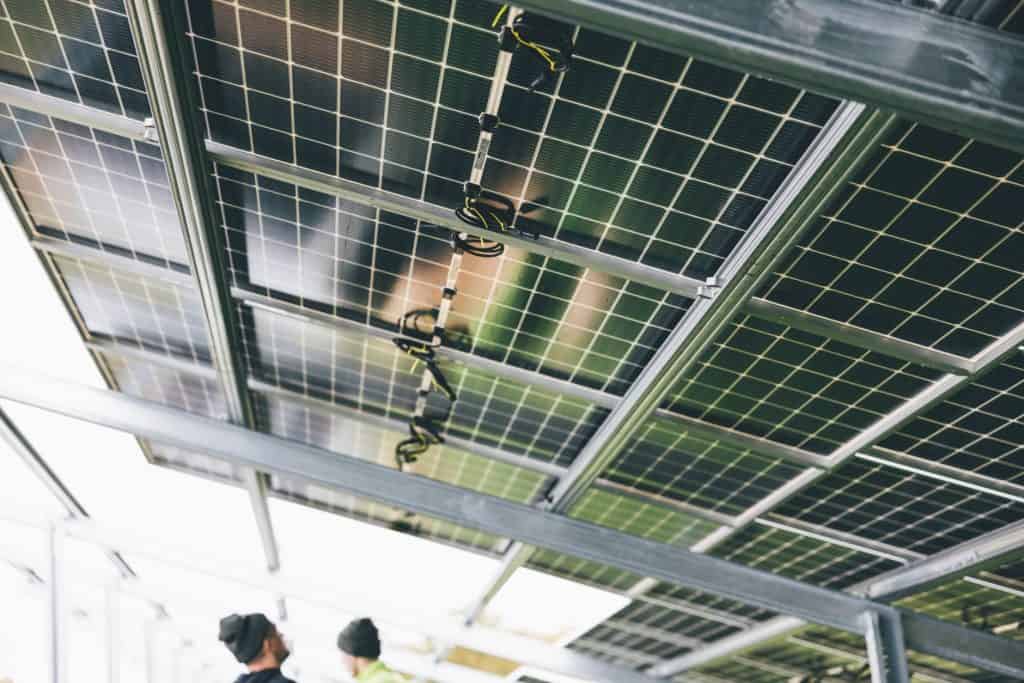
- Technological risk: obsolescence risks due to rapid advancements in solar technologies like bifacial panels, tracking systems, or energy storage integration.
- Operativni rizik: performance variability arising from maintenance issues, weather-dependent solar irradiance, and degradation rates of solar modules over the typical 25-year plant lifecycle.
Mitigation measures incorporate adherence to clear and transparent payment protocols managed via escrow accounts, strict legal compliance within the Estonian OÜ and Serbian DOO frameworks, and thorough solar project evaluation ensuring design and technology readiness confirmed by independent technical consultants before allocation.
Ongoing energy policy impact monitoring identifies regulatory shifts early, enabling proactive portfolio adjustments to reduce adverse exposure and safeguard pension fund capital.
Integrating Solar Investments for Portfolio Diversification and Climate Goals
Solar assets contribute to pension fund portfolio diversification by introducing low-correlation renewable energy investments that provide:
- Volatility reduction: reliable cash flows from long-term solar power generation contracts act as a hedge against economic cycles impacting traditional equities.
- Quantifiable carbon footprint reduction: solar power generation displaces fossil fuel-based electricity, with agrivoltaic co-location technologies implemented by Solar Plus Garden increasing land use efficiency and advancing EU climate neutrality targets.
- Alignment with sustainable investment goals: integrating solar infrastructure supports energy transition mandates and climate change mitigation objectives embedded in pension fund ESG policies and reporting frameworks such as SFDR and TCFD.
- Exposure to emerging solar technologies: inclusion of bifacial photovoltaic panels, integrated energy storage, and smart grid interfacing enhances long-term resilience and capacity to capture projected solar demand growth within the renewable energy sector.
These factors collectively advance environmental impact reporting and support retirement fund growth through green energy investments aligned with global climate change goals.
Navigating Government Incentives and Regulatory Compliance for Solar Pension Funds
Government subsidies and regulatory policies substantially affect solar investment pension fund returns and compliance. Relevant frameworks include:
- The EU Renewable Energy Directive, which governs subsidy eligibility, sustainability criteria, and integration standards for solar power generation assets across member states, subject to ongoing revision based on EU Green Deal policy developments.
- Serbian energy policy, which prescribes project permitting procedures, feed-in tariff allocations, and local grid connection regulations specific to solar infrastructure, with implications for project financial modeling and timelines.
Pension funds face compliance demands including stringent financial and environmental reporting, adherence to investment regulations governing cross-border capital flows, and integration of sustainability disclosures pursuant to European Investment Fund standards.
Solar fund managers assimilate energy policy impacts into dynamic allocation strategies, anticipating legislative trends such as enhanced sustainability disclosures, evolving subsidy regimes, and sector-specific investment limits that affect portfolio construction and risk management.
Maintaining regulatory agility is essential to optimize solar project financing within pension funds while minimizing compliance-related risks.
Case Studies: Pension Funds Successfully Allocating to Solar Energy
Illustrative examples of pension funds allocating to solar assets with measurable outcomes include:
- A European pension fund that allocated approximately 3% of its total assets under management to direct equity in utility-scale solar infrastructure, achieving steady ROIs consistent with regional renewable energy market benchmarks over a 7-year investment horizon while maintaining income stability amid market volatility.
- A public pension fund utilizing a loan-based solar financing model backed by power purchase agreements and escrow-controlled payment systems similar to Solar Plus Garden’s, which effectively mitigated investment risk and ensured reliable revenue streams supporting retirement income payouts.
- Community-backed solar investment models have facilitated increased stakeholder engagement and social impact, aligning with sustainable investment goals and enhancing public support for pension fund green energy portfolios.
These case studies demonstrate the integration of investment risk mitigation practices and portfolio diversification benefits critical for pension funds pursuing long term returns from green energy investments.
Često postavljana pitanja
- What percentage of a pension fund’s portfolio is typically allocated to solar investments?
- Allocation ranges typically between 1% and 5%, adjusted according to fund-specific risk appetite, investment horizon, and regulatory constraints. Solar Plus Garden structures investments to fit within this range to balance financial performance and environmental impact.
- How does the Garden membership model influence pension fund investment decisions?
- The Garden membership model, involving an upfront €200 fee and optional €20 monthly subscriptions, delivers transparent capital allocation via escrow-managed payments funding solar infrastructure and community activities. It offers pension funds a mechanism to integrate direct solar investment with defined investment liquidity and community engagement benefits.
- What are the main investment risks pension funds face when allocating to solar projects?
- Key risks include regulatory changes affecting feed-in tariffs and permitting, technology evolution risking asset obsolescence, market-driven fluctuations in electricity prices and component costs, and operational challenges impacting solar power generation. Solar Plus Garden mitigates these through dual-entity legal structuring, rigorous solar project evaluation, and escrow-controlled funding mechanisms.
- Can solar investments in pension funds contribute meaningfully to climate change mitigation?
- Yes, by reducing portfolio carbon footprint through clean energy asset allocation and supporting agrivoltaic innovations that enhance land use efficiency. These investments align with EU climate neutrality targets and support scientific sustainability reporting frameworks.
Zaključak
For property owners, project developers, and pension fund managers aiming for sustainable retirement fund growth, allocating capital to solar investments such as Solar Plus Garden’s 10 MW project offers a structured approach combining financial performance with measurable environmental impact. The project’s dual legal entity framework and escrow-based financing model enable compliance with complex investment regulations across Estonian and Serbian jurisdictions.
Decision-makers should evaluate solar fund allocation in the context of their pension fund’s investment risk assessment protocols, liquidity requirements, and sustainable investment goals. Due to ongoing regulatory evolution, changing solar energy market dynamics, and advances in emerging solar technologies like bifacial panels and integrated storage systems, periodic portfolio review and strategic flexibility remain essential to maintaining long term returns while advancing climate change objectives.