









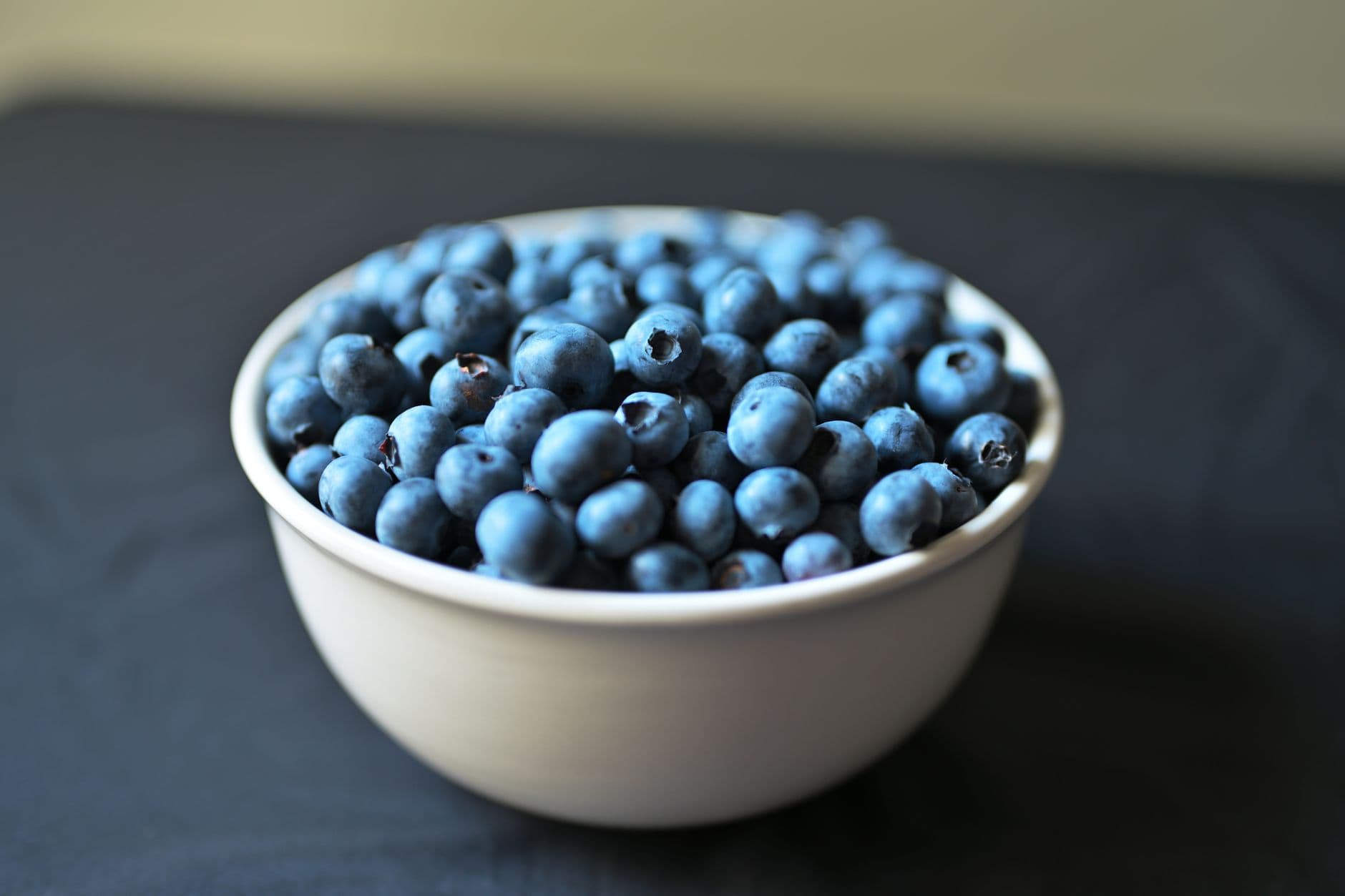
Sveobuhvatni vodič za proizvodnju organskih borovnica za proizvođače jugoistočne SAD
Selecting Blueberry Cultivars Best Suited for Organic Production in the Southeastern United States
Choosing suitable blueberry cultivars is a critical step in establishing a productive organic blueberry production system tailored to the Southeastern US climate. Cultivars like Duke, Libertyi Emerald have shown consistent adaptability to the region’s subtropical conditions marked by high heat and humidity, which influence pest and disease pressures uniquely compared to temperate zones.
In the context of organic production, the avoidance of synthetic fungicides and pesticides necessitates cultivar selection focused on inherent resistance. Duke i Liberty provide moderate resistance to fungal pathogens including Monilinia vaccinii-corymbosi (mummy berry) and Colletotrichum spp. (anthracnose), while Emerald is preferred for its relative tolerance to spotted wing drosophila (Drosophila suzukii), a critical pest requiring ongoing monitoring.
Organic blueberry growers can expect yields between 8 and 15 tons per acre under optimal fertility and integrated pest management protocols. Maintaining fruit quality involves achieving consistent berry diameters of 10-15 millimeters, soluble solids content (Brix) exceeding 10°, and firmness sufficient to withstand local distribution channels without significant post-harvest degradation.
- Blueberry cultivars recommended: ‘Duke’, ‘Liberty’, ‘Emerald’
- Disease/pest traits: Moderate resistance to mummy berry and anthracnose; enhanced tolerance to spotted wing drosophila
- Yield expectations: 8-15 tons per acre under organic production with integrated fertility and pest management
Soil Fertility and Organic Fertilization Practices Tailored for Organic Blueberry Crops
Effective soil fertility management in organic production systems addresses blueberry plant nutrient requirements while complying with organic certification standards, such as USDA Organic National Organic Program (NOP) regulations.
Blueberry plants require acidic soils with pH maintained between 4.5 and 5.5, achievable through soil amendments like elemental sulfur when necessary. Essential nutrients include nitrogen (N), phosphorus (P), potassium (K), calcium, and magnesium, supplied exclusively via organic-approved sources. Composted green matter, aged poultry or dairy manure, and certified organic mineral fertilizers (e.g., bone meal for phosphorus, kelp meal for micronutrients) are the primary fertilization materials.
Standard fertilization rates range from 50 to 90 kilograms per hectare of nitrogen, primarily applied as split doses — once in early spring pre-bud break and again post-harvest to replenish seasonal nutrient extraction. Phosphorus amounts depend on initial soil test results; for high-phosphorus soils, rates may be at the lower end of this range. Fertilizer incorporation practices focus on top-dressing with light raking or shallow cultivation to minimize root disturbance while maximizing bioavailability.
Soil testing before planting and at key phenological stages (e.g., pre-flowering and post-harvest) guides adjustments in fertilization to prevent deficiencies or excesses, which can impact plant vigor and fruit quality.
- Fertilizer sources: composted organic matter, aged manure, fish emulsion, bone meal, organic-certified mineral fertilizers
- Application rates: 50-90 kg/ha nitrogen depending on soil testing; phosphorus adjusted accordingly
- Application timing: early spring pre-bud break and post-harvest
Integrated Pest Management Strategies for Organic Blueberry Production
Organic blueberry production requires adherence to integrated pest management (IPM) principles emphasizing biological and cultural controls supplemented by organic-approved pesticides only when thresholds are reached. This approach reduces dependency on chemical interventions and supports certification compliance.
Key biological controls include egg parasitoids such as Trichogramma minutum wasps targeting lepidopteran pests and predatory mites (Phytoseiulus persimilis) for mite suppression. Monitoring utilizes pheromone traps calibrated for blueberry maggot (Rhagoletis mendax) and spotted wing drosophila populations, complemented by systematic weekly scouting of 20 random bushes per hectare during critical phenological stages.
Thresholds established for intervention are based on industry standards: 10% foliar damage or presence of more than 5 larval fruit worms per plant triggers application of organic-approved pesticides such as Bacillus thuringiensis (Bt) kurstaki formulations or insecticidal soaps. Applications are timed early in the pest lifecycle to maximize efficacy and delay resistance development.
Cultural controls include use of trap crops such as wild-type Vaccinium species planted around plot margins to divert pests, as well as maintaining canopy openness through calculated pruning to reduce humidity and pathogen load. Mulching also disrupts pest habitat and limits overwintering sites.
- Biological controls: Trichogramma spp. wasps, predatory mites
- Monitoring thresholds: 10% leaf damage or 5 fruit worms per plant
- Cultural controls: trap crops (wild Vaccinium spp.), strategic pruning to improve airflow
Weed Management Techniques Effective in Organic Blueberry Farms
Weed management under organic certification prohibits synthetic herbicides and requires implementing mechanical and cultural systems tailored to blueberry physiology and soil health.
Mechanical weed control is achieved through shallow cultivation 3 to 4 times per growing season at depths of 5 to 10 centimeters. Timing is critical to disrupt weed seedlings prior to blueberry plant root disturbance, typically between early spring and mid-summer.
Application of organic mulch materials such as pine bark or hardwood wood chips, at a recommended depth of 7-10 centimeters around blueberry plants, controls weed emergence by limiting sunlight penetration. Concurrently, cover crops like native crimson clover or white clover provide soil cover during off-season periods, suppressing annual and perennial weeds, fixing atmospheric nitrogen, and improving soil structure.
Where mechanical and cultural controls are insufficient, spot applications of organic-certified herbicides, for example acetic acid-based formulations, are permitted with strict adherence to label instructions limiting rates to a maximum of 2% concentration and application only during cool, dry weather to prevent crop injury.
- Mechanical control: shallow cultivation 3-4 times per season at 5-10 cm depth
- Mulch and cover crops: pine bark mulch (7-10 cm), crimson or white clover cover crops
- Organic-approved herbicides: acetic acid formulations applied as spot treatments under label constraints
Crop Establishment: Planting Systems and Site Preparation for Successful Organic Blueberry Production
Site selection prioritizes well-drained sandy loam soils with stable pH levels between 4.5 and 5.5. Drainage assessment includes percolation testing where a percolation rate of 1-3 cm/hour is considered optimal to prevent root zone hypoxia.
Site preparation includes clearing existing vegetation, soil acidification through elemental sulfur application rates calculated from base saturation tests (usually 1-3 tonnes per hectare applied 3 months prior to planting), and incorporation of organic matter to improve soil structure and water retention.
Raised bed construction, generally 20-30 cm high with widths of 1.2 to 1.5 meters, facilitates control over soil moisture and enables mechanized operations. Spacing guidelines recommend 1.2 to 1.5 meters between individual blueberry plants within rows and 3 meters between rows to optimize airflow and reduce fungal disease incidence.
Establishment typically involves planting bare-root or container-grown blueberry plants during late winter to early spring, before bud swell, with irrigation systems installed simultaneously to ensure consistent soil moisture during establishment.
- Site criteria: soil pH 4.5-5.5; well-drained sandy loam with percolation rate 1-3 cm/hr
- Site prep: vegetation removal, elemental sulfur applied 1-3 tonnes/ha 3 months pre-planting
- Planting system: raised beds 20-30 cm height; 1.2-1.5 m between plants, 3 m between rows
Organic Certification Requirements and Documentation for Blueberry Producers in Florida
Floriculture producers targeting certified organic status must comply with USDA National Organic Program (NOP) standards or equivalent state or international certifications recognized by the USDA Organic equivalence arrangements.
The certification process begins with a detailed organic system plan (OSP) describing all cultural practices, input lists, pest and weed management methods, record-keeping systems, and buffer zones. Compliance requires a mandatory 36-month conversion period during which no prohibited substances (synthetic pesticides, herbicides, or fertilizers) are applied to production fields prior to the first organic harvest.
Producers must maintain comprehensive written records including input purchase invoices, application logs detailing dates, quantities, and source verification, harvest records, and equipment sanitation procedures. Annual on-site inspections verify adherence through review of records and physical field assessments. Any deviations can delay certification or result in suspension.
- Certification standard: USDA National Organic Program (NOP) or equivalent
- Documentation: organic system plan, input logs, application records, harvest documentation
- Conversion period: minimum 36 months free of prohibited substances pre-first organic harvest
Managing Production Costs: Inputs, Labor, and Equipment for Organic Blueberry Farming
Production costs in organic blueberry farming are notably influenced by the higher price points for organic fertilizers and pest control inputs relative to conventional products, coupled with intensive labor demands for weed management and pest monitoring.
Average annual input costs range approximately between €7,000 and €12,000 per acre, with labor accounting for up to 50% of that total due to the manual nature of weed control (e.g., mechanical cultivation and mulching) and detailed IPM implementation including weekly scouting during vulnerable phenological stages.
Specialized equipment includes drip irrigation systems with filtration and injection capabilities for organic liquid fertilizers, as well as machinery adapted for raised bed cultivation that minimizes root disturbance. Organic certification also requires equipment sanitation protocols to prevent contamination.
While upfront costs are higher than conventional systems—20-40% premium overall—organic blueberries often command higher market prices that can offset increased production costs over time, subject to scale and efficiency of farm operations.
- Komponente troškova: organic fertilizers, pest management inputs, labor for weed and pest control
- Cost comparison: organic costs typically 20-40% higher than conventional blueberry production
- Labor requirements: intensified due to manual weed control and weekly pest monitoring
Irrigation and Water Management for Organic Blueberries in Southeastern U.S. Conditions
Precision irrigation supports organic blueberry production by maintaining optimal soil moisture in rooting zones while limiting conditions conducive to pathogen proliferation.
Drip irrigation systems are installed with emitter spacing of 30 to 40 centimeters, each delivering 2 to 4 liters per hour. This configuration ensures localized water delivery, reducing foliar wetness that promotes fungal diseases such as mummy berry and phytophthora root rot.
Irrigation scheduling is adjusted according to phenological stages, with increased frequency during flowering and fruit enlargement phases. Soil moisture sensors such as tensiometers or capacitance probes monitor volumetric water content, typically triggering irrigation every 3 to 5 days during active growth, depending on evapotranspiration rates and rainfall events.
Water quality parameters such as electrical conductivity (EC) are regularly measured; acceptable EC levels are generally below 0.5 dS/m to prevent salt accumulation that can impair nutrient uptake efficiency, especially in organically managed systems where buffering capacity is lower.
- Irrigation system: drip irrigation with emitter spacing 30-40 cm, 2-4 L/hr flow rate
- Scheduling: adjustable based on soil moisture monitoring; typically every 3-5 days during peak growth
- Water quality: EC below 0.5 dS/m to avoid salinity stress
Integrating Agrivoltaics: Co-location of Solar Energy with Organic Blueberry Production
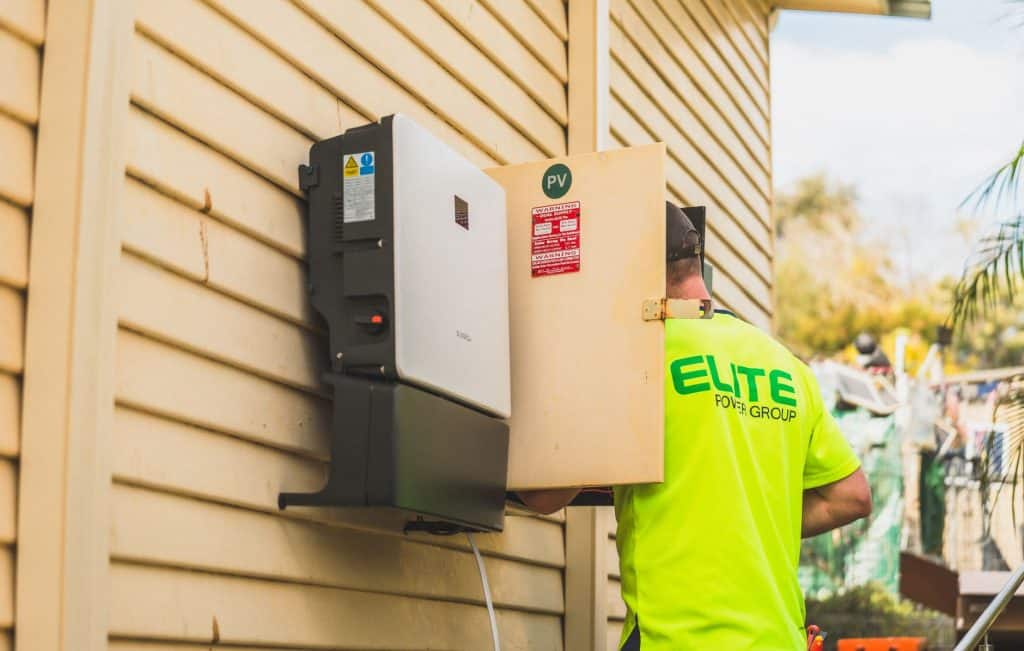
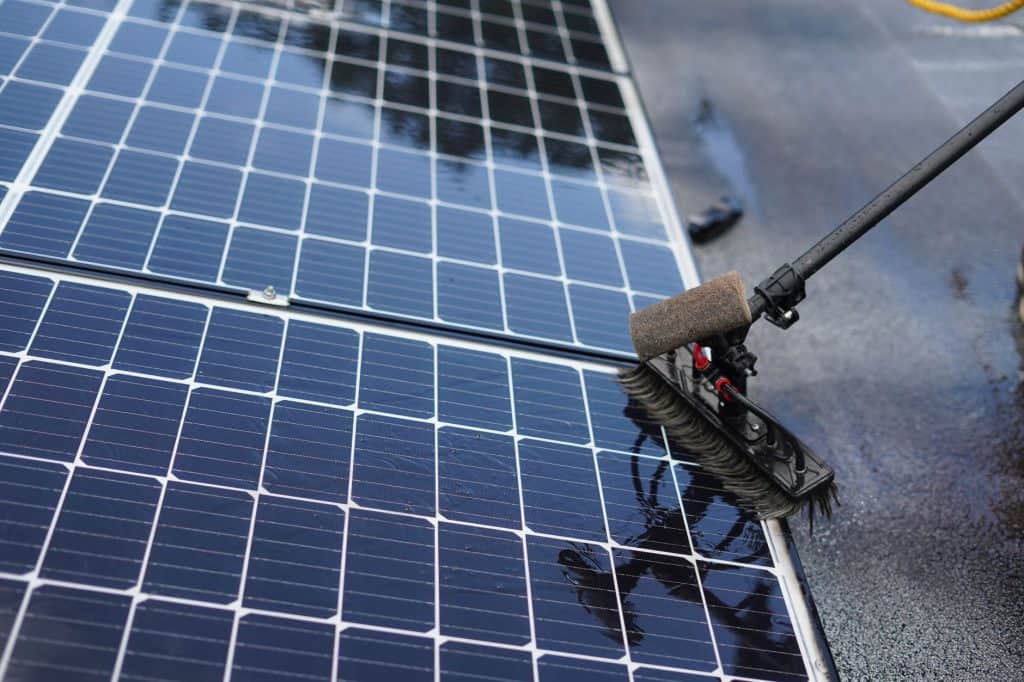
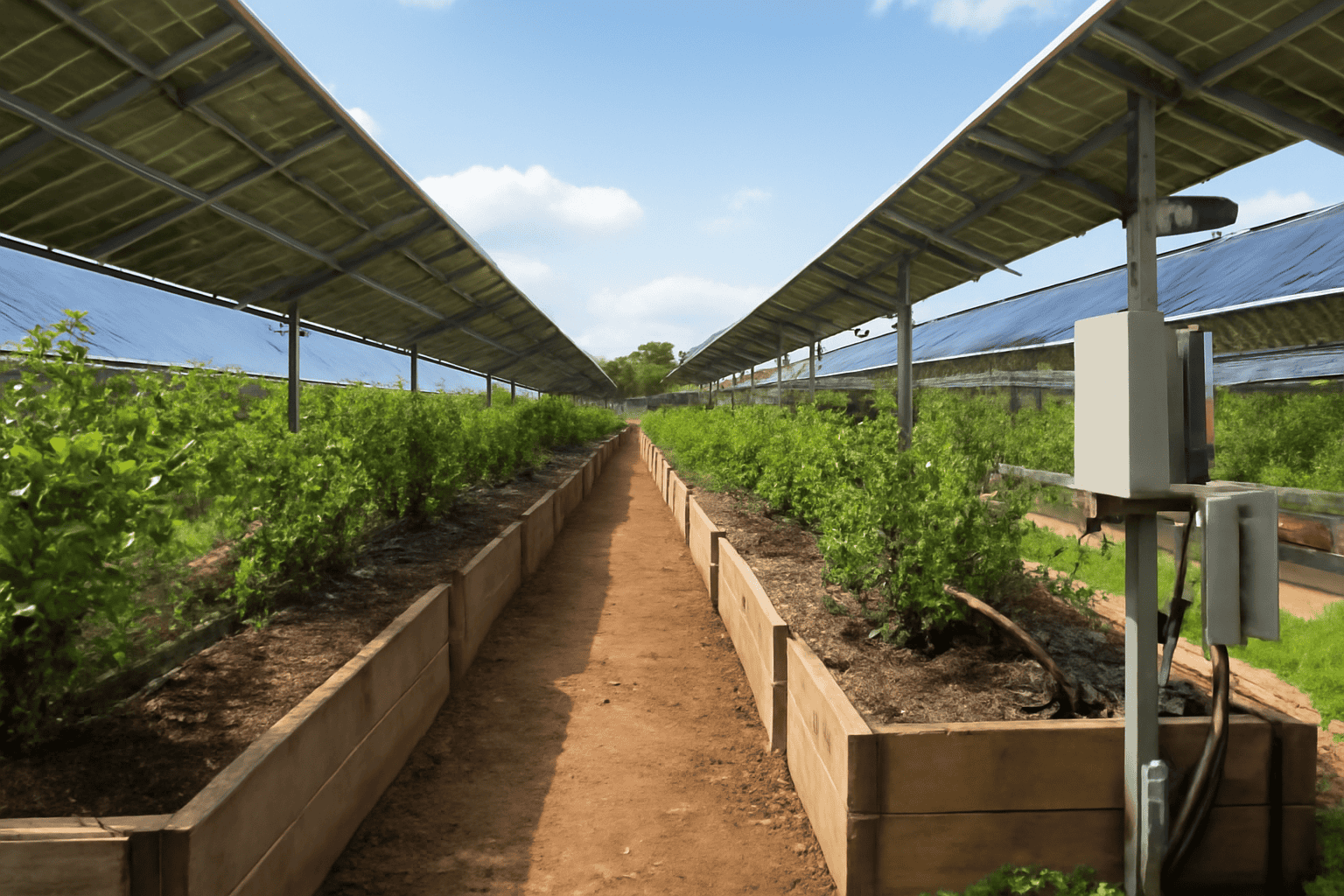
The Solar Plus Garden project integrates a 10 MW solar power infrastructure with organic blueberry production, establishing an agrivoltaic production system that balances energy generation with sustainable agriculture.
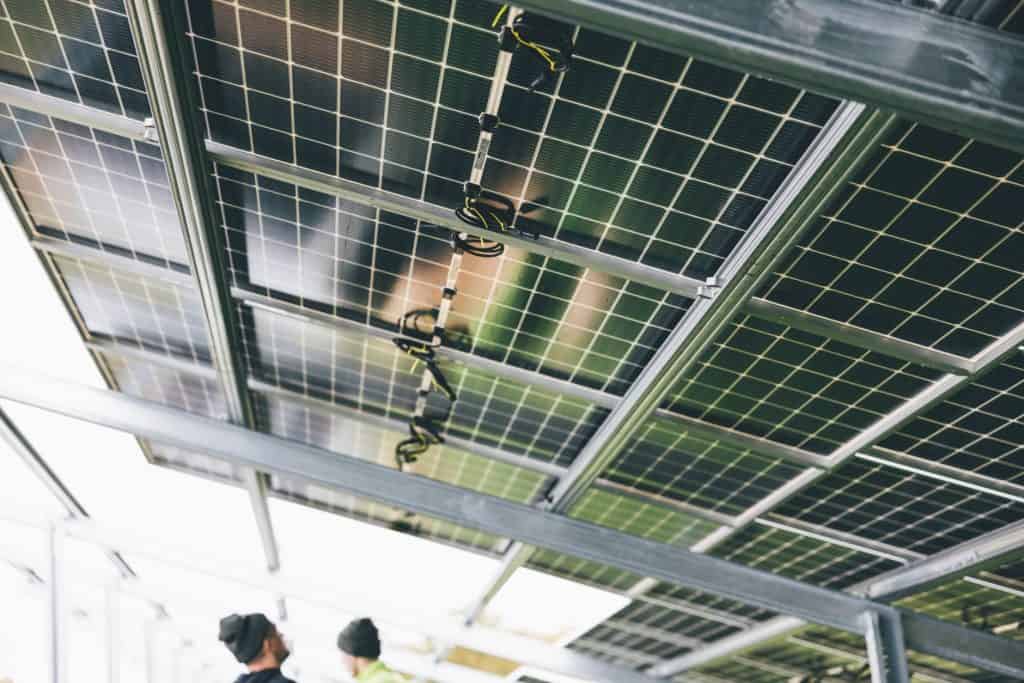
Solar panel arrays are configured to impose controlled partial shading—estimated between 10% and 20% of incident sunlight—within blueberry growing areas. Agronomic designs include orienting rows to optimize sunlight interception and selecting shade-tolerant cultivars to mitigate potential impacts on photosynthesis and fruit yield.
Early-stage agrivoltaic trials indicate that partial shading contributes to reduced canopy temperature and evapotranspiration rates, promoting water conservation in high-temperature environments characteristic of the Southeastern US. Proper panel elevation and spacing prevent excessive shading that would otherwise reduce flowering initiation and fruit set.
The economics of the system leverage solar revenue streams to subsidize organic blueberry production input costs and članstvo u zajednici activities, supporting a transparent, regulated investment model aligned with the principles of long-term sustainability and social engagement.
- Shading impact: 10-20% partial shading tolerated without measurable yield loss
- Ekološke koristi: heat stress mitigation, improved water use efficiency
- Project integration: 10 MW Solar Plus Garden infrastructure financially supports organic blueberry agricultural activities
Često postavljana pitanja
- What are the key pests to monitor in organic blueberry production in Florida?
- Primary pests include blueberry maggot (Rhagoletis mendax), spotted wing drosophila (Drosophila suzukii), and leafroller moth species (Choristoneura spp.). Monitoring protocols combine pheromone traps and weekly visual inspection during flowering and fruit development to maintain pest populations below established treatment thresholds.
- Which organic fertilizers are most effective for blueberry fertility management?
- Composted green manures, fish emulsion with 5-8% nitrogen content, and poultry manure-based fertilizers are widely used. Application rates depend on tailored soil test recommendations, focused on matching nitrogen delivery while maintaining appropriate phosphorus and potassium levels.
- How long does it take to convert a conventional blueberry farm to certified organic?
- The USDA Organic program mandates a conversion period of at least 36 consecutive months without the application of prohibited substances before the first organic harvest. Continuous record-keeping and annual inspections are integral to certification during this timeframe.
- Can solar panels negatively affect blueberry growth if installed above the crops?
- Properly designed agrivoltaic systems providing 10-20% partial shading can mitigate heat stress and reduce evapotranspiration without compromising flowering or fruit set. Excessive shading beyond this range risks yield reduction, highlighting the need for precision in panel placement and cultivar selection.
Zaključak
Success in organic blueberry production in the Southeastern US requires integrated management encompassing cultivar selection attuned to regional climatic challenges, targeted fertility programs compliant with organic certification, and comprehensive pest and weed management systems designed to operate without synthetic chemicals.
Implementing efficient irrigation and water management aligned with soil moisture metrics further supports plant health and yield quality. Producers must commit to rigorous documentation and adhere to USDA NOP organic certification protocols throughout a minimum 36-month conversion period to access organic markets.
The Solar Plus Garden agrivoltaic model demonstrates potential for dual land use, combining clean energy generation with sustainable organic blueberry agriculture, supported by community investment structures that enhance project transparency and financial sustainability.
Growers should conduct site-specific soil and pest assessments, develop multi-year transition plans, and remain informed on evolving organic pest control and production technologies to optimize outcomes within the framework of organic certification and production overview standards.