









Solar Farm Investment Opportunities 2026: A Comprehensive Guide to Investing in Solar Energy
Understanding Solar Energy and Its Pivotal Role in the 2026 Energy Future
Solar energy remains a fundamental driver in global efforts to accelerate the energy transition towards a cleaner, more sustainable future. By 2026, advancements in solar power technology, such as improved solar panels and integrated smart grid solutions, have made large-scale solar farms more efficient and cost-effective than ever before.
This progress supports a significant expansion of renewable energy, enabling nations and corporations to meet climate goals while diversifying their energy portfolios. Key catalysts include robust government incentives, corporate renewable energy commitments, and growing consumer demand for sustainable solutions.
Large-scale solar projects i solar parks embedded in national grids play a vital role by providing consistent clean power, reducing carbon emissions, and stabilizing energy supply. These factors underscore why 2026 is a landmark year for solar farm investing globally.
What Is a Solar Farm (Solar Park) and How Does It Operate?
A solar farm, sometimes referred to as a solar park, is a utility-scale installation of solar panels designed to generate electricity through photovoltaic technology. Capacities in 2026 typically range from 5 MW to over 100 MW, depending on project scope and market demand.
Each facility harnesses sunlight via solar panels composed of photovoltaic cells that convert solar radiation into direct current (DC) electricity. This DC power is then transformed into alternating current (AC) by inverters, compatible with the electrical grid.
Modern solar farms integrate advanced energy management systems, real-time monitoring, and predictive maintenance to optimize output and longevity. Environmental considerations, such as vegetation management and minimizing land use conflicts, help maintain sustainable operations.
- Average commercial solar farm sizes for investors in 2026 range between 5 MW and 50 MW, offering scalable entry points.
- Operational protocols include cleaning panels, maintaining vegetation, ensuring grid synchronization, and performance optimization.
Exploring Different Ways to Invest in Solar in 2026
Investing in solar energy has diversified significantly by 2026, offering multiple avenues tailored to varying risk appetites and capital availability.
Direct solar farm investments provide investors with equity or debt exposure to tangible assets, allowing closer involvement in project performance and returns. For example, investors may acquire shares in a 10 MW solar farm like Solar Plus Garden’s project or lend capital through structured debt instruments.
Solar funds and broader energy funds enable portfolio diversification by bundling multiple solar projects or renewable assets under professional management, which helps reduce individual project risk. These funds often invest in both operational and development-stage solar projects globally.
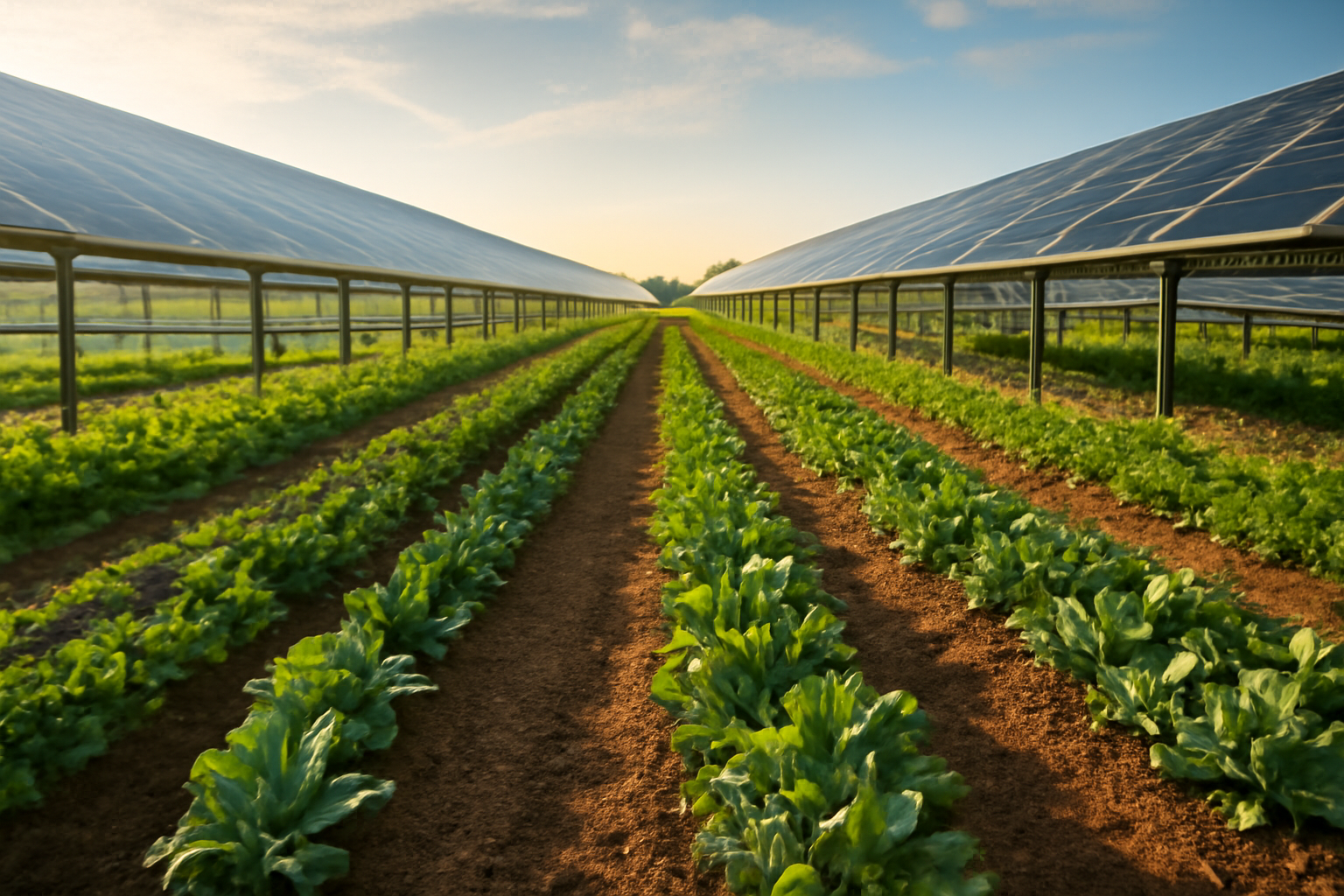
Community solar has emerged as an inclusive model allowing smaller investors and households to participate without direct ownership of a solar farm. Solar Plus Garden’s innovative Garden membership exemplifies this by combining solar investment with community agrivoltaic benefits, enabling members to contribute to and benefit from local clean energy generation and fresh food.
- Solar stock investments target publicly traded companies engaged in manufacturing (First Solar, SunPower), installation, or research, offering liquidity and market-driven returns.
- Hybrid investment approaches that combine direct solar project equity, fund shares, and stock holdings enable investors to diversify risk and capture broad sector growth.
Benefits of Solar Farm Investing for 2026 Investors
Solar farm investing offers a compelling blend of financial, environmental, and social advantages, making it an attractive opportunity in 2026:
- Stable, long-term returns facilitated by fixed-price power purchase agreements (PPAs) with utilities or corporate off-takers, supported by predictable solar irradiation data.
- Significant environmental benefits by reducing reliance on fossil fuels and lowering greenhouse gas emissions, actively supporting global climate commitments.
- Tax incentives and regulatory support, including investment tax credits, accelerated depreciation, and feed-in tariffs that improve project economics across multiple jurisdictions in 2026.
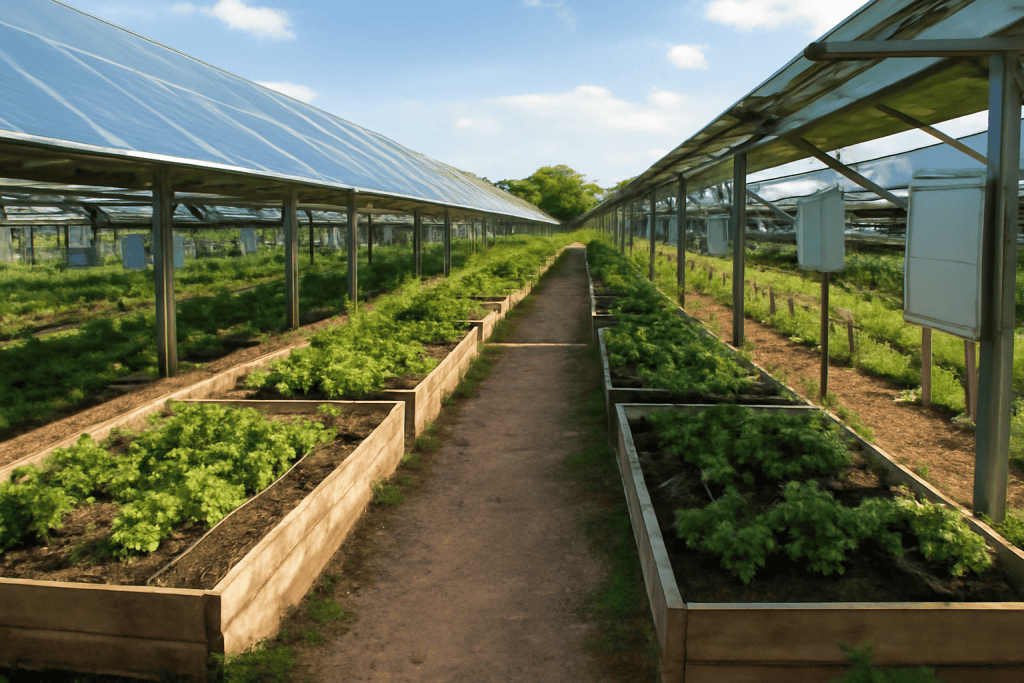
- Community development and social impact, especially when combined with agrivoltaic projects that pair solar farms with agricultural productivity, enhancing local food security and ecosystem health.
Integrating financial growth with ecological sustainability, solar farm investments help build resilient energy futures that balance profitability and planetary stewardship.
Risks and Key Considerations for Investing in Solar Energy Projects
Despite promising prospects, prudent investors must acknowledge inherent risks associated with investicija u solarnu energiju:
- Market and regulatory risks: Policy shifts, subsidy adjustments, tariff changes, or alterations in energy market dynamics can influence returns unpredictably.
- Technical and operational risks: Equipment failure, delays in construction, suboptimal maintenance, or grid interconnection challenges may affect energy generation.
- Investment liquidity and horizon: Solar farms often require long-term commitments (7-15 years), and secondary markets for direct solar investments can be limited.
- Governance and transparency: Selecting reputable, legally compliant platforms with clear financial reporting and escrow structures — like Solar Plus Garden’s regulated Estonian OÜ and Serbian DOO framework — mitigates fraud and mismanagement.
Comprehensive due diligence, including assessment of technology providers, contract terms, and regulatory landscape, is essential to optimize risk-adjusted returns in solar investing.
Solar Plus Garden’s 10 MW Solar Project and Garden Membership Model
Among the most innovative solar farm investment opportunities in 2026 is Solar Plus Garden’s 10 MW project, which integrates large-scale solar power generation with a pioneering Garden community membership model.
Investors can participate directly in the solar farm through regulated equity structures managed by an Estonian OÜ entity, ensuring transparency, accountability, and investor protection. Parallelly, the Serbian DOO manages the Garden community, where members pay a one-time membership fee plus an optional €20 monthly Garden box subscription delivering fresh, locally grown produce.
This model encourages sustainable community engagement funded by solar revenue, facilitating agrivoltaic development that combines renewable energy output with regenerative agriculture on up to 3,000 garden plots. It exemplifies a socially responsible investment approach that enhances both environmental and social ROI.
Cost and Return on Investment (ROI) Expectations for Solar Farms in 2026
Capital expenditures (CAPEX) for utility-scale solar projects in 2026 generally range between €700,000 and €1,000,000 per MW installed, depending on site conditions, technology, and scale economies. Operating expenses (OPEX) average 1-2% of CAPEX per annum, covering maintenance, insurance, and administrative costs.
Revenues are driven by solar power sales under long-term PPAs, supplemented by government incentives like production tax credits or renewable energy certificates. Typical payback periods range from 7 to 12 years, with internal rates of return (IRR) between 6% and 10%, contingent on location, contract terms, and project efficiency.
Solar Plus Garden’s project fits this benchmark, with the added dimension of funding community activities, enhancing social value while maintaining competitive financial performance. Investors benefit from both economic returns and direct involvement in a pioneering energy future.
Steps for Investors to Get Started with Solar Farm Investing in 2026
- Identify suitable investment options by comparing direct solar farms, solar funds, and community solar platforms based on size, geography, risk, and governance.
- Perform rigorous due diligence covering legal compliance, project financials, technology providers, and risk mitigation policies to ensure informed decision-making.
- Understand minimum investment amounts and membership terms. For example, Solar Plus Garden’s membership model offers accessible entry with transparent fee structures and optional agrivoltaic participation.
- Utilize digital investment monitoring tools often provided by platforms for tracking project performance, returns, and environmental impact metrics.
This methodical approach supports balanced portfolio building and enhances confidence in investing in solar sectors.
Emerging Trends and Innovations Shaping Solar Energy Investment
The solar energy sector in 2026 benefits from breakthrough innovations, which strengthen its attractiveness as an investment:
- Agrivoltaics: The synergistic combination of solar arrays with productive agriculture enhances land-use efficiency and sustainability.
- Community solar expansion: Models like Solar Plus Garden effectively broaden investment access, fostering social inclusion and local economic development alongside clean power.
- Technological advances: Next-generation solar panels featuring perovskite coatings, bifacial designs, and enhanced durability improve efficiency and lower levelized costs of energy (LCOE).
- Energy storage integration and smart grid deployment: Coupling solar farms with battery storage and grid management technologies ensures reliable energy delivery and better load balancing.
Collectively, these innovations not only improve project economics but also align solar investments with increasing ESG criteria and regulatory expectations.
Diversification Strategies to Enhance Solar and Renewable Energy Portfolios
To effectively manage risk and maximize returns, investors should diversify within their solar and broader renewable energy investments:
- Combine direct solar farm investments with holdings in solar stock (manufacturers, developers like First Solar) and specialized energy funds to spread exposure.
- Invest across multiple geographies to hedge against country-specific regulatory, weather, or market uncertainties.
- Include community solar and innovative projects such as Solar Plus Garden to balance financial outcomes with social and environmental impact.
Diversification enhances portfolio resilience and aligns with the complex dynamics of the 2026 energy marketplace.
Community Solar and Social Impact: Beyond Financial Returns
Community solar initiatives provide benefits that transcend pure financial gain, playing a crucial role in democratizing energy access and fostering local empowerment. Integrating solar farms with community gardens—like in the Solar Plus Garden project—combines clean energy generation with sustainable food production, supporting regional resilience.
The reinvestment of solar farm revenues into community activities ensures members receive tangible benefits, ranging from fresh local produce to participation in sustainability programs. Such models strongly align with ESG principles, increasingly demanded by forward-looking investors.
Hence, investing in solar energy projects with community integration creates a multiplier effect on social well-being and environmental stewardship.
Frequently Asked Questions
What makes 2026 a favorable year to invest in solar farms?
Advancements in solar power technology, stable and supportive regulatory frameworks, and increasing corporate and consumer demand for clean energy converge in 2026 to offer robust investment prospects. Additionally, innovative models such as agrivoltaics and community memberships enhance value beyond typical financial returns.
How can small investors participate in solar farm projects?
Platforms like Solar Plus Garden enable small and medium investors to enter the solar energy market through affordable membership fees and varied equity options. These hybrid models remove traditional barriers to entry and increase participation in both solar farm investing and community benefits.
What are the main risks of investing in solar farms?
Risks include potential regulatory changes, technical setbacks, variability in solar irradiance, project development delays, and limited liquidity in direct solar farm investments. Selecting transparent, well-regulated platforms with clear governance and performing due diligence mitigates these risks substantially.
How does the Solar Plus Garden membership model operate?
Members pay a one-time fee plus an optional monthly subscription for the Garden box, which supplies fresh produce. Membership fees are invested in the solar farm, funding its operations and community activities through a legally distinct structure. This ensures transparency, investor protection, and dual benefits of clean energy and regenerative agriculture.
Zaključak
Solar farm investment opportunities in 2026 represent a unique fusion of financial stability, environmental benefits, and social impact. Leveraging innovative projects like Solar Plus Garden’s 10 MW solar project and its integrated Garden membership model offers investors a regulated, transparent, and sustainable entry into the evolving energy future.
By carefully assessing costs, risks, and diversification approaches, investors position themselves at the forefront of the global energy transition, contributing materially to cleaner, more resilient energy systems while realizing competitive returns.