Прескочи на садржај








Hybrid Solar Inverter: What It Does and How to Choose One for Your Setup
Defining a Hybrid Solar Inverter and Its Core Functions
A hybrid solar inverter combines the functionalities of a conventional solar inverter and a battery inverter within a single device, allowing centralized management of power flows from solar panels, battery storage, and the electric grid. Unlike a normal solar inverter, which solely converts direct current (DC) produced by solar panels into alternating current (AC) for immediate consumption or grid export, a hybrid solar inverter performs bidirectional DC-AC and AC-DC conversion. This enables it to convert DC electricity from solar panels or stored energy in batteries to AC power for household or grid use, and also convert AC power from the grid into DC energy to charge batteries when conditions require.
Hybrid inverters work using advanced power electronics to enable efficient bidirectional conversion, incorporating process controllers and embedded energy management systems. These systems support operational modes such as self-consumption optimization, battery charging during solar surplus or low grid tariff periods, and battery discharging during solar deficits or outages. The integrated control unit ensures stable switching between grid-tied and off-grid modes, regulating voltage, frequency, and power flows compliant with international grid codes.
Additional functions include compliance with grid interconnection standards IEC 61727 and UL 1741, allowing controlled export or import of electricity based on configured setpoints and local regulations. Many hybrid inverters also provide automatic backup capabilities by powering designated critical loads from battery storage during grid failures, eliminating the need for separate battery inverters and simplifying system design.
How Hybrid Solar Inverters Differ from String and Microinverters
Hybrid inverters, string inverters, and microinverters represent different inverter types suited to specific PV system architectures. String inverters connect multiple solar panels wired in series (“strings”) and convert the combined DC voltage to AC. Such systems generally lack integrated battery backup, requiring a separate battery inverter or energy management solution to achieve storage capability.
The hybrid inverter comparison reveals that hybrid inverters integrate both solar and battery power conversion functions, enabling direct integration of batteries without additional external inverters. This integration means a hybrid inverter fits installations where simultaneous solar generation and battery backup are desired within a single device, often resulting in simplified wiring and reduced hardware costs compared to string inverter plus separate battery inverter systems.
Microinverters attach to individual solar panels, converting DC to AC at the module level to maximize energy harvest per panel and reduce shading losses. While microinverters excel for module-level optimization, their architecture complicates battery integration because battery storage operates on DC or via a separate inverter, requiring additional equipment and control layers. Hybrid inverters offer a practical middle ground by simplifying battery coupling and providing scalable solutions that suit both residential deployments and community solar projects.
In sum, hybrid inverters work by bridging solar generation and battery storage conversion processes, differing from normal solar inverters limited to panel and grid interaction only. System designers choose between a hybrid inverter, string inverter, or microinverter depending on backup requirements, system complexity, upgrade plans, and budget constraints.
Battery Compatibility and Coupling Options: DC vs AC Battery Integration
Battery compatibility is a critical selection criterion when you choose a hybrid inverter, as it governs the types of batteries supported and coupling methods for energy flow. Two primary battery coupling architectures exist: DC coupling and AC coupling.
- DC спрега: Batteries connect on the DC side, upstream of the hybrid inverter. Solar-generated DC electricity charges the battery directly through a DC/DC converter or charge controller integrated within the inverter. When required, the hybrid inverter converts stored DC energy to AC for loads or grid export. DC coupling offers higher round-trip efficiency by reducing power conversion steps and allows precise battery charge control based on state of charge (SoC) and voltage. However, it requires battery management system (BMS) compatibility with the inverter’s communication protocols (e.g., CAN bus, Modbus) and may limit adding batteries from different manufacturers.
- AC спојница: Batteries connect downstream on the AC side through an independent battery inverter. Here, the hybrid inverter converts PV DC electricity to AC, which then flows to loads or battery inverter. The battery inverter handles charging and discharging AC power to the batteries. AC coupling advantages include easier retrofit of battery storage to existing solar installations and flexibility to mix different battery chemistries, but the additional power conversion step leads to higher losses, typically 5-8% lower efficiency compared to DC coupling.
Battery chemistry impacts compatibility: lithium-ion batteries dominate hybrid inverter applications due to high cycle life, power density, and support for communication standards enabling real-time monitoring. Lead-acid and flow batteries require specific inverter models or firmware settings tailored to their voltage and charge/discharge profiles. Confirming hybrid inverter support for maximum battery voltage (commonly 48 V to 600 V DC) and nominal capacity is essential for safe operation.
Battery port specifications include communication interfaces using protocols such as CAN bus or RS485 serial, which allow dynamic coordination of battery state and inverter functions. Flexible hybrid inverters supporting both AC and DC coupling configurations facilitate future system upgrades or battery replacements, promoting long-term viability for investments.
Backup Modes and Off-Grid Functionality in Hybrid Inverters
Backup operation is a key feature of hybrid solar inverters, enabling power supply continuity during grid outages. Several backup mode types are implemented across commercial models:
- Whole-home Backup: Designed to supply the entire household load, requiring both inverter and battery bank sized to meet maximum load demands. This mode involves transfer switches or automatic transfer relays isolating the home from the grid upon outage detection, powering all circuits from battery and solar production.
- Critical Load Backup: Powers only pre-identified essential circuits (e.g., refrigeration, lighting, communication) during outages, reducing battery sizing and costs. Load subpanels or critical load transfer switches isolate these circuits for backup power.
- Seamless Islanding: Enables hybrid inverters to switch from grid-tied to off-grid mode automatically, typically within 10 to 20 milliseconds, minimizing interruption to sensitive equipment like computers or medical devices. This requires rapid detection and load balancing algorithms within the inverter firmware.
Hybrid inverters comply with international safety standards such as IEEE 1547-2018 for grid interconnection and UL 1741 SA (Supplement A) requirements for anti-islanding and grid support functionality. They isolate themselves from the grid during outages to protect utility workers, while continuing to supply power locally.
Off-grid functionality extends to managing stored energy and PV production to maintain stable voltage and frequency autonomously, using control loops embedded in the inverter. Proper system sizing and load prioritization are critical design steps to ensure reliable backup performance tailored to user needs.
Choosing the Right Hybrid Solar Inverter for Your Installation
When you choose a hybrid inverter, consider detailed system and component compatibility factors. Key criteria include:
- Inverter Capacity (kW): The inverter’s AC continuous power rating should meet or slightly exceed the solar array’s DC rating. Industry practice allows DC oversizing ratios between 1.1 and 1.3 to improve energy harvest without overloading the inverter, aligned with IEC 62109 safety margins. For example, a 5 kW inverter might safely handle a 5.5 to 6.5 kW solar array.
- Battery Size Compatibility: Verify the inverter supports the battery’s nominal voltage and capacity range, including its peak charge/discharge currents. Confirm communication protocol compatibility, such as CAN bus or Modbus, to enable integrated energy management.
- Grid-Tied vs Off-Grid Configuration: Choose between hybrid inverters that primarily support grid-tied operation with backup (e.g., SMA Sunny Island, SolarEdge StorEdge) or those designed for full off-grid capabilities with load management and islanding support (e.g., OutBack Power, Victron Energy).
- Certifications and Manufacturer Support: Ensure the inverter complies with relevant electrical safety and EMC standards, such as IEC 62109, IEC 61000, and local grid codes. Also evaluate warranty terms and manufacturer’s technical support for installation and maintenance phases.
Solar installers should size systems based on comprehensive load analysis, peak solar irradiance data, and desired backup duration. Expandability for future battery or PV capacity increases is often realized through modular hybrid inverter models supporting parallel operation or multi-MPPT inputs, facilitating scalability in community solar and агриволтаику пројекти.
Efficiency Curves and Performance Indicators for Hybrid Solar Inverters
Hybrid solar inverter efficiency varies with load and operating conditions, captured in efficiency curves that plot conversion efficiency against power input or output. Typical hybrid inverters achieve California Energy Commission (CEC) efficiency ratings between 95% and 98% under nominal conditions, paralleling high-quality string inverters.
Efficiency declines at low load levels below 10%-20% of rated capacity; under such scenarios, standby or idle losses may reduce system yield, affecting payback timeframes. Advanced hybrid inverters contain multiple Maximum Power Point Trackers (MPPTs), often 2 to 4, enabling independent tracking of different solar array segments with varying orientation or shading. MPPT efficiency generally exceeds 98% under stable irradiance.
Key performance metrics include:
- CEC Efficiency: Represents the weighted average efficiency across standardized load profiles used in California’s certification testing, informing system yield modeling.
- European Efficiency: Analogous weighted efficiency metric according to EN 50530 standards, prevalent in European product certifications.
- MPPT Efficiency: Indicates how effectively the inverter extracts maximum power from the solar array under dynamic conditions.
Higher inverter efficiency reduces power conversion losses, directly increasing usable energy for onsite consumption or export, improving investment return timelines. Monitoring these indicators aids solar installers in proposing the best hybrid inverter matching project needs.
Installation and Maintenance Considerations Specific to Hybrid Inverters
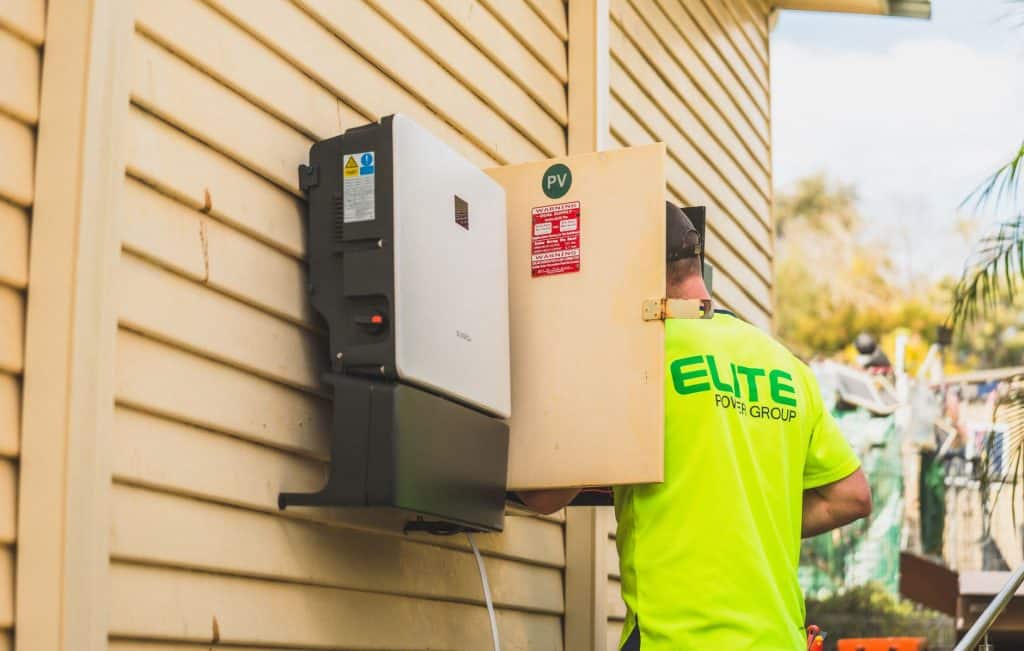
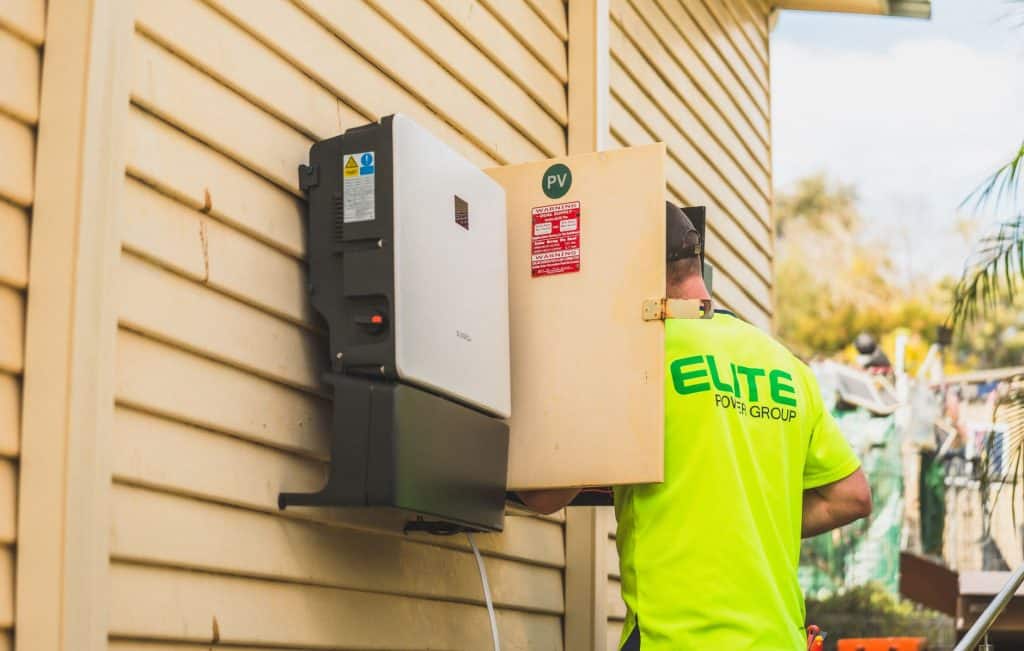
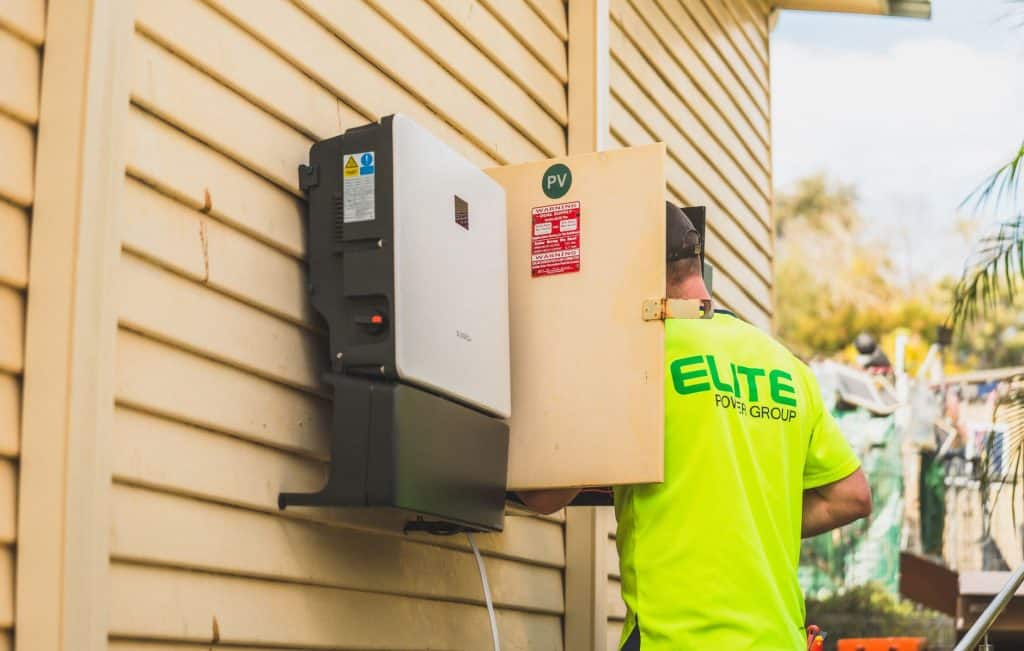
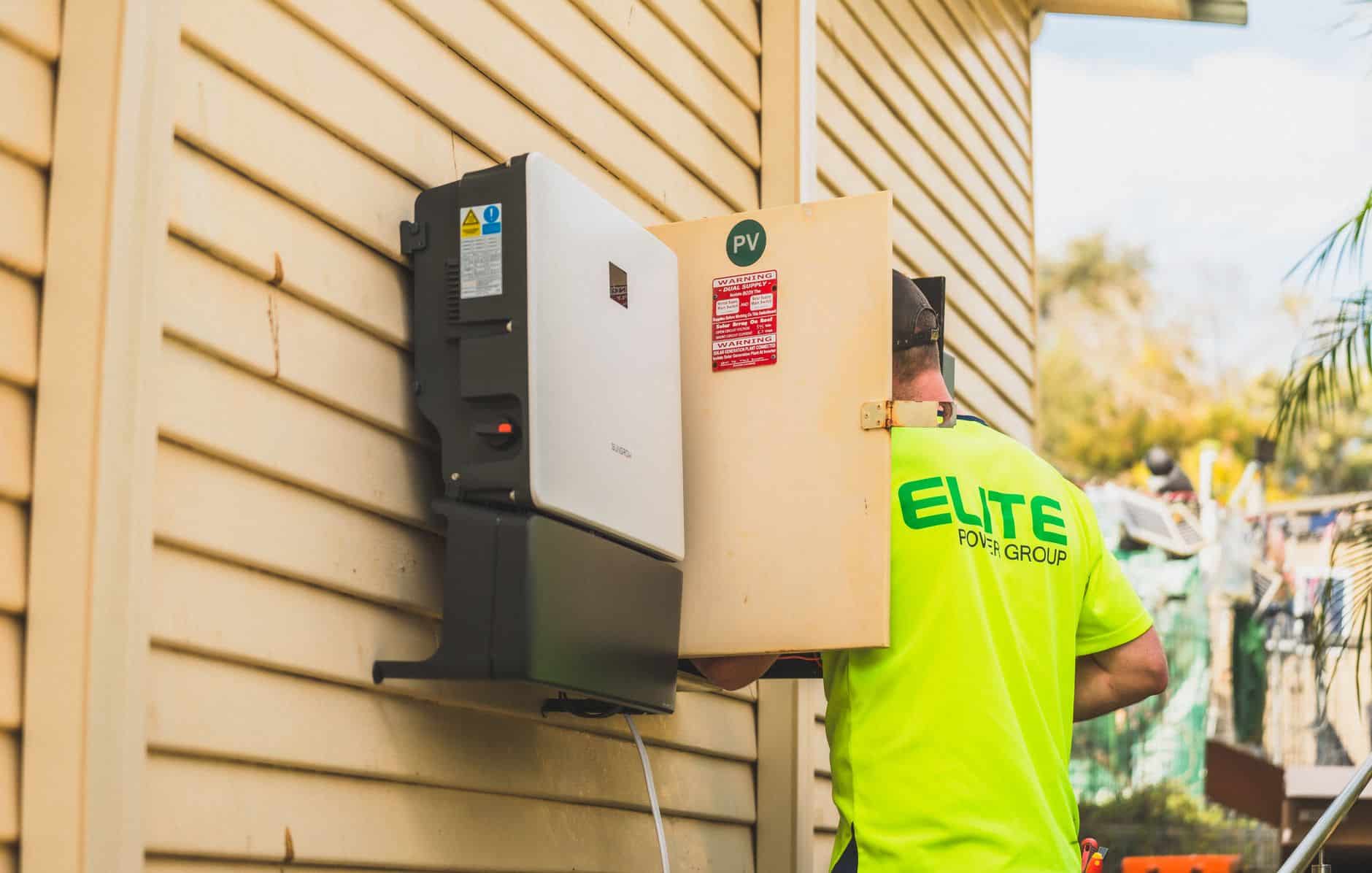
Installing hybrid inverters entails considerations beyond those for normal solar inverters because of integrated battery systems and multiple power input/output streams. Installation tasks include:
- Mechanical mounting in locations compliant with manufacturer ventilation and thermal management requirements to avoid overheating and maintain longevity.
- Electrical wiring complying with IEC 60364 or equivalent local electrical codes, including correct gauge conductors for high-current DC and AC circuits, proper grounding, and surge protection.
- Configuring communication connections and protocols between the hybrid inverter and battery management system, often requiring CAN bus or RS485 serial interfaces, to ensure synchronization of charge/discharge cycles and state of health monitoring.
- Integration with existing grid connections, including installation of transfer switches or automatic transfer relays for seamless backup operation and inclusion of critical load subpanels where applicable.
Installation duration typically spans one to three days depending on system complexity, capacity, and local grid interconnection requirements. Employing a certified solar installer experienced with hybrid inverter systems is essential to ensure compliance, safety, and full functionality.
Maintenance includes routine firmware updates to address security vulnerabilities and optimize performance, periodic inspection of electrical connections and thermal management components, and battery health monitoring with diagnostics such as capacity fade assessment. Common failure modes include battery degradation, communication faults, and inverter cooling system malfunctions. Regular preventive maintenance per manufacturer recommendations improves system reliability and service life.
Cost Breakdown and Investment Factors for Hybrid Solar Inverters
Investing in a hybrid solar inverter system requires evaluating costs on components and installation. A typical per-unit cost breakdown is:
| Component | Cost Range (€ per kW or kWh) | Notes |
|---|---|---|
| Hybrid Solar Inverter | €300 – €600 per kW | Varies by manufacturer, inverter type, and features such as multi-MPPT or backup support |
| Battery | €400 – €700 per kWh | Cost influenced by chemistry (lithium-ion generally higher), capacity, and brand |
| Installation and Balance of System | €200 – €400 per kW | Includes labor, wiring, mounting, grid approvals, and certification compliance |
| Additional Components | Variable | Includes monitoring equipment, energy management systems, safety devices, and backup transfer switches |
Cost factors hinge on battery chemistry and capacity, inverter brand and warranty coverage, local labor rates, and grid interconnection complexity. Larger community solar and agrivoltaics installations can realize cost advantages due to economies of scale and shared infrastructure.
Illustration: For a 5 kW hybrid inverter system paired with a 10 kWh lithium-ion battery, estimated costs are:
- Hybrid Solar Inverter: 5 kW × €450 = €2,250
- Battery: 10 kWh × €550 = €5,500
- Installation & Balance of System: 5 kW × €300 = €1,500
- Total Estimated Cost: €9,250
This example excludes incentives, grid connection fees, or optional system upgrades.
Често постављана питања
What size hybrid inverter do I need for a 5 kW solar panel system?
A hybrid inverter rated between 5 and 6 kW is suitable for a 5 kW solar array, applying a DC oversizing ratio of about 1.1 to 1.2, per industry norms. This optimizes energy harvest without overloading the inverter and aligns with IEC 62109 design standards.
Can I add battery storage later if I initially install a standard solar inverter?
Most normal solar inverters are not designed for battery backup integration. Adding battery storage later necessitates replacing the inverter with a compatible hybrid inverter or installing a separate battery inverter and energy management system to ensure safe, compliant operation.
How quickly does a hybrid inverter switch to backup during a power outage?
Typical switchover times for hybrid inverters range from 10 to 20 milliseconds, minimizing disturbance to sensitive electronics. This rapid transfer is enabled by internal sensors and relays conforming to UL 1741-SA and IEEE 1547-2018 anti-islanding requirements.
Are hybrid solar inverters compatible with all battery types?
Compatibility depends on battery chemistry and communication protocols. Lithium-ion batteries are most commonly supported due to their widespread use and standardized communication. Lead-acid and flow batteries require compatible inverter models or firmware and may limit functionality. Verify the hybrid inverter’s specifications before investment.
To choose a hybrid solar inverter suited to your setup, start by defining your solar array size, desired battery backup duration, and preferred battery chemistry. Prioritize inverters with the correct capacity, compliance certifications such as IEC 62109 and UL 1741, and support for your battery’s voltage and communication needs. Solar installers play a key role in recommending the best hybrid inverter based on the system design and site conditions. Technology advances, evolving battery standards, and shifting grid regulations may influence the optimal hybrid inverter choice over the coming years.