




Battery Backup for Solar: How to Ensure Power During Outages
How Battery Backup Integrates with Solar Power Systems
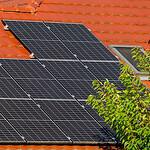
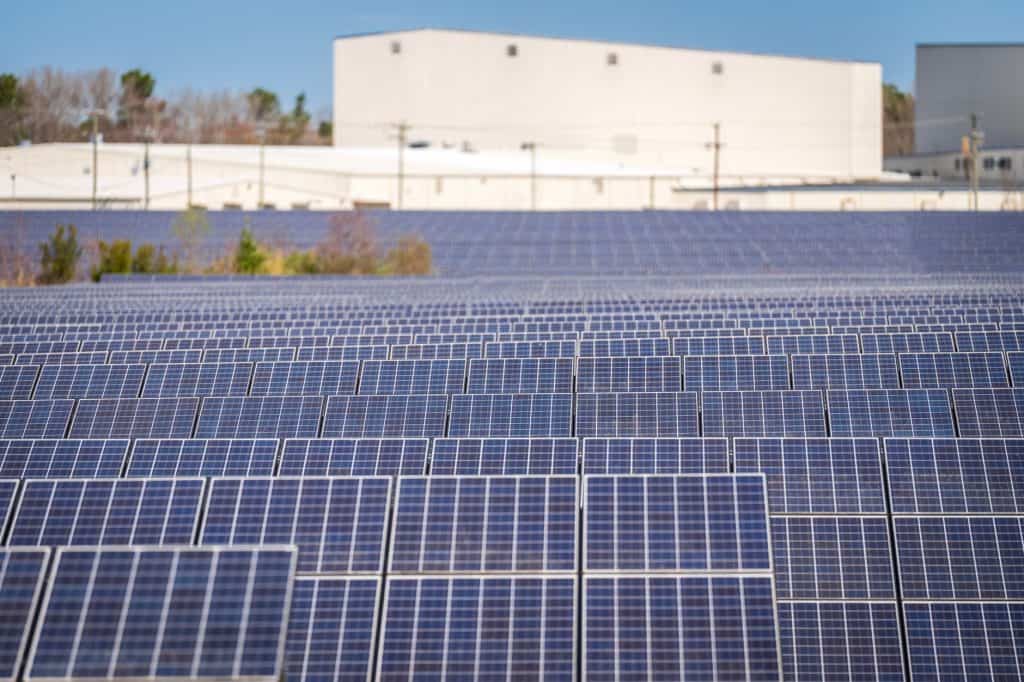
A typical solar power system includes фотонапонска (PV) solar panels that convert sunlight into direct current (DC) electricity, an inverter that converts DC to alternating current (AC) for home use, and a connection to the utility grid. Adding battery backup introduces a battery storage unit that stores surplus solar-generated electricity during peak production periods, usually midday, for use when solar panels generate insufficient power or during grid outages.
The role of battery backup in a solar system is to provide stored energy to maintain power availability at night, during cloudy weather, or when the grid is unavailable. Battery backup allows a solar electric system to function with a degree of energy independence and resilience.
There are primarily two solar system configurations with regard to battery integration:
- Grid-tied solar system without battery backup: Excess solar power exports directly to the grid via net metering. The home draws power from the grid when solar is inadequate. During grid outages, power supply is interrupted for safety reasons.
- Grid-tied solar system with battery backup: Excess solar energy charges the battery system. During grid outages or low solar generation, the system automatically switches to battery power, ensuring continuous electricity supply to pre-configured home loads.
Essential components in solar with battery backup systems are:
- Solar panels: PV modules that convert solar irradiance into DC electrical power. Typical residential arrays range from 3 kW to 10 kW capacity.
- Inverter/charger: Converts DC from panels and battery to usable AC, manages battery charging/discharging, and synchronizes with the grid. Examples include hybrid inverters like the SolarEdge StorEdge or Enphase IQ Battery systems.
- Battery system: Energy storage component, sized based on expected load and backup duration requirements. Lithium-ion and lead-acid are common chemistries.
- Charge controller: Regulates current and voltage levels to protect battery health by preventing overcharge and deep discharge, especially in DC-coupled systems.
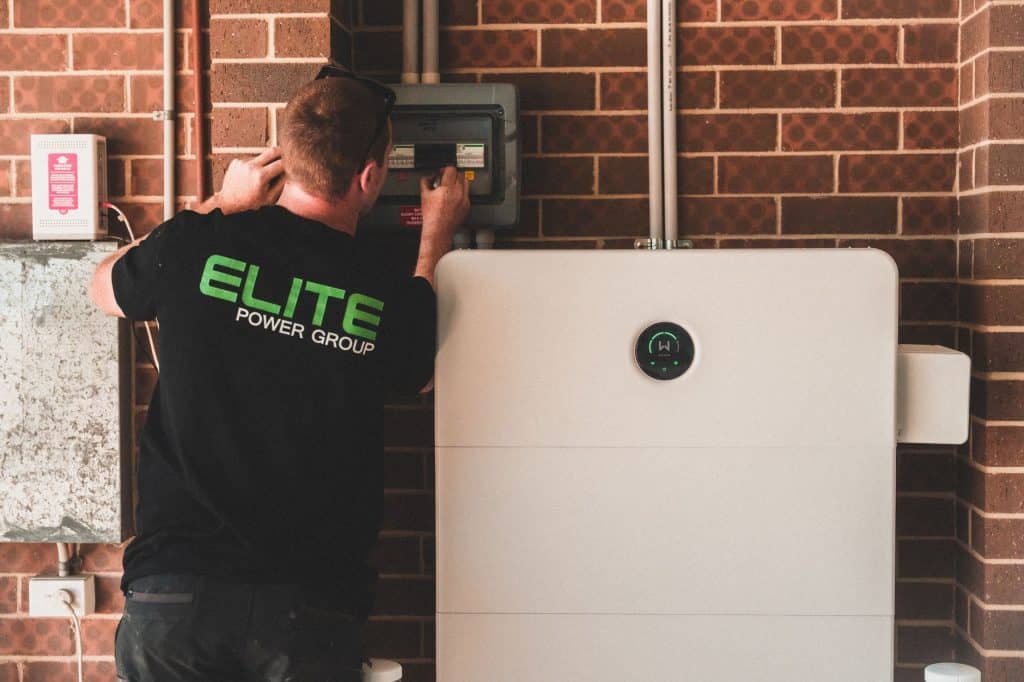
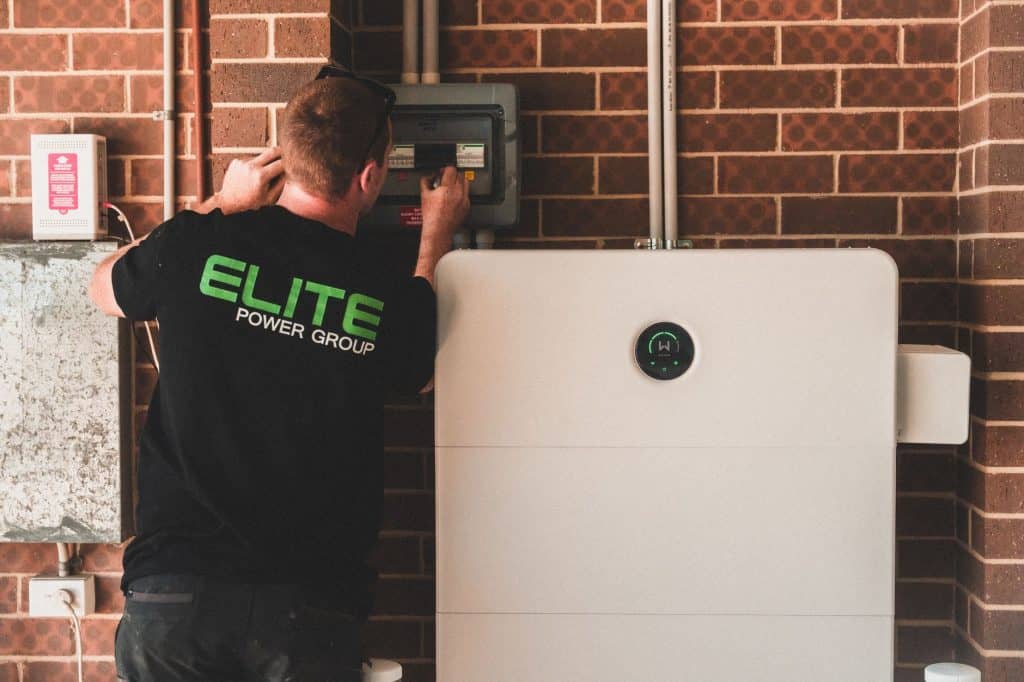
Battery-equipped solar systems employ an automatic transfer switch or similar circuitry that isolates home loads from the grid during outages, allowing battery power to sustain critical or whole-home loads seamlessly.
There are two main methods of integrating battery backup with a solar power system:
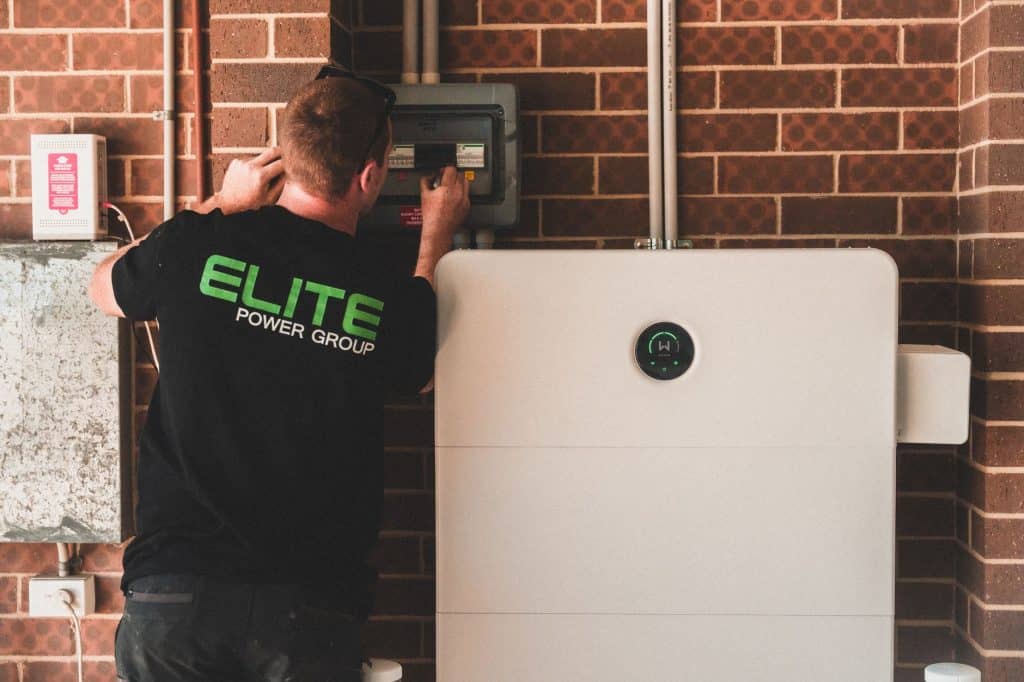
- AC-coupled systems: Battery storage and its inverter connect on the AC side downstream of the solar inverter. This design facilitates retrofitting storage to existing grid-tied solar kits without inverter replacement. Commercial home battery products such as Tesla Powerwall are AC-coupled and can be installed alongside most solar panels and inverters.
- DC-coupled systems: Battery is connected on the DC side prior to the inverter, enabling more efficient charging by directly routing solar DC power to the battery. This configuration integrates battery charge control and inversion within a unified system, often seen in integrated hybrid inverters designed for solar plus battery installation from the outset.
Types of Batteries Used for Solar Backups and Their Characteristics
The performance, longevity, and cost of solar battery backup systems significantly depend on battery type. Most residential solar battery backups use lithium-ion or lead-acid technologies, with flow batteries and other chemistries under evaluation but not widely deployed in home battery systems.
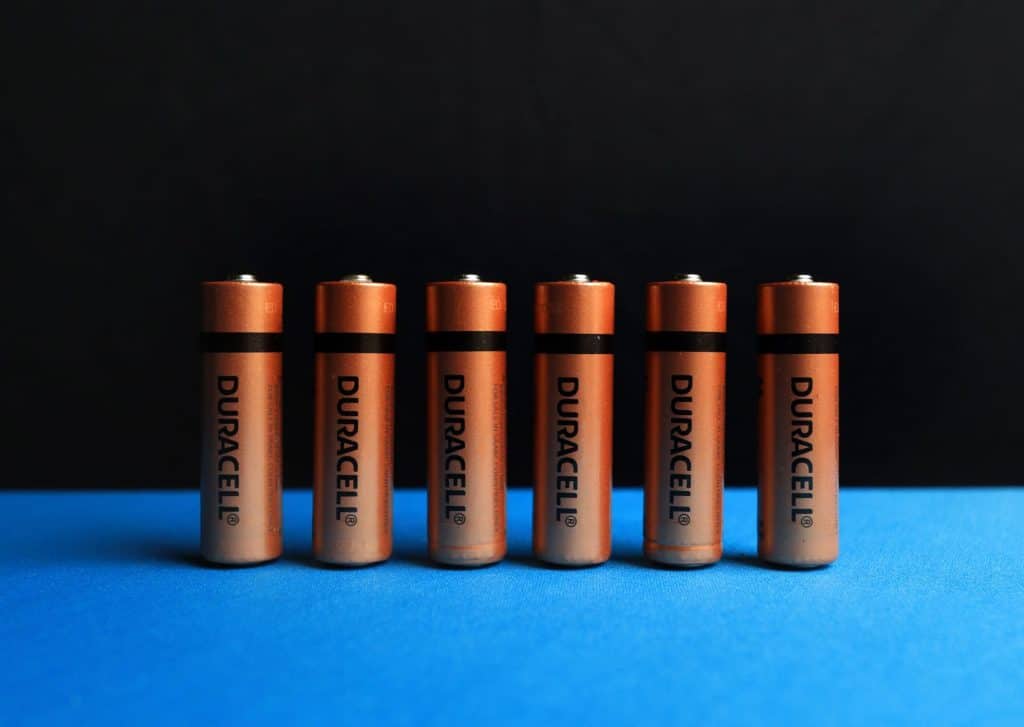
- Lithium-ion batteries: Characterized by high energy density (~150–250 Wh/kg), relative light weight, and low maintenance requirements. Typical cycle life ranges from approximately 3,000 to 5,000 full charge-discharge cycles, translating to a lifespan often exceeding 10 years when cycled daily. Lithium batteries typically support an 80–90% depth of discharge (DoD), allowing most stored energy to be utilizable without harming battery health. These batteries meet UL 1973 and UL 9540 safety standards for stationary energy storage systems.
- Lead-acid batteries: Cost-effective upfront but heavier with lower energy density (~30–50 Wh/kg) and require periodic maintenance like electrolyte level checks and equalization charging. Deep cycle variants have cycle lifespans of 500 to 1,200 full cycles, with recommended DoD around 50% to preserve battery life. Lead-acid systems meet general electrical safety standards but have increased ventilation and fire safety considerations due to toxicity and gas emissions.
Battery capacity sizing varies by backup requirements:
- Small-scale critical load backup systems may require roughly 3–5 kWh usable capacity, sufficient for essentials like refrigeration, lighting, and communications for several hours.
- Whole-home backup solutions for typical 3- to 4-bedroom houses generally require 10–15 kWh or more, depending on local consumption patterns and use profiles.
Home battery systems must comply with national electrical standards such as the National Electrical Code (NEC) Article 706 in the United States or IEC 62619 for battery safety in Europe, ensuring safe installation, fire resistance, and grid compatibility.
Sizing a Battery Backup for Your Solar Power Needs
Battery backup sizing requires a methodical assessment of energy demand and acceptable outage duration. The following steps outline the approach:
- Calculate daily energy consumption of critical and full loads: Use utility bills, smart meters, or load monitors to establish kWh usage for devices essential during outages.
- Identify critical loads versus full home load: Critical loads typically include refrigeration (~1 kWh/day), lighting (~1–2 kWh/day), communication equipment (~0.5 kWh/day), and medical devices as needed.
- Assess local solar resource and solar panel output: Average peak sun hours per day for the region define expected solar generation. A 5 kW solar panel system typically produces around 20 kWh/day under 4 peak sun hours.
- Factor in battery efficiency and depth of discharge: Typical lithium batteries have round-trip efficiency between 85–95%. Adjust battery size upward to compensate energy losses and maintain battery health (maximum DoD of 80–90%).
| Parameter | Value | Notes |
|---|---|---|
| Daily critical load consumption | 8 kWh | Refrigerator (3 kWh), lighting (2 kWh), communication and devices (3 kWh) |
| Battery capacity (usable) | 10 kWh | Design includes 20% surplus for efficiency losses and 80% DoD |
| Estimated backup duration for critical loads | 12 hours | Based on continuous 0.7 kW average load |
| Solar panel peak output | 5 kW | Produces ~20 kWh under 4 peak sun hours |
This sizing provides a balance between cost and reliable backup duration, able to power essential home systems overnight or through most typical short outages without grid or solar input.
How Battery Backup Ensures Power Stability During Grid Outages
Battery backup systems integrated with solar electric systems use advanced inverter technologies coupled with automatic transfer switches to provide uninterrupted power during grid outages.
- Inverter operation: Under normal conditions, the inverter synchronizes the solar panel output and battery discharge to the grid’s voltage (230 V/120 V) and frequency (50/60 Hz). It also directs excess solar generation to charge the battery or export to the grid.
- Transfer switch: When grid power fails, the transfer switch detects the outage within milliseconds (commonly <10 ms in high-performance systems) and isolates the home from the grid to prevent back-feed, automatically switching the load to battery power.
Battery management systems (BMS) monitor cell voltage, temperature, current flow, and state of charge in real time. The BMS prevents overcharging, deep discharging, and thermal events that could degrade battery life or cause hazards.
Performance parameters include inverter continuous and peak power ratings, which determine backup power capacity. For example, a system with a 5 kW inverter typically supports up to 5 kW continuous backup load. Load management or automatic load shedding may be implemented if demand exceeds supply capacity.
Adding Battery Backup to Existing Solar Installations
Adding battery storage to an existing solar kit requires technical assessment for compatibility and appropriate selection between AC- and DC-coupled retrofit configurations.
- Inverter compatibility: Existing string or microinverters may not support battery storage integration. Hybrid inverters or external battery inverters may be required.
- Voltage and capacity matching: Battery voltage must align with system specifications, particularly charge controllers and inverters.
Retrofit options include:
- AC-coupled retrofits: Install a battery and dedicated battery inverter on the AC side of the system. This upgrade preserves the existing solar inverter while enabling battery charging and backup power independently.
- DC-coupled retrofits: Replace or augment the system with hybrid inverters handling both panels and batteries on the DC side. This method can enhance charging efficiency but often requires more extensive system modifications.
Permitting and utility interconnection agreements must be updated to reflect new energy flows and safety requirements. Installation must comply with electrical codes such as NEC Article 706 in the US or equivalent standards in other regions, including proper battery enclosures, ventilation, and fire mitigation measures.
Solar Plus Garden advises engagement with certified installers with recognized qualifications (e.g., NABCEP in the US, or EN IEC certifications in Europe) experienced in battery retrofit installations for ensuring compliance and system reliability.
Cost Factors and Lifespan Expectations of Solar Battery Backup Systems
Solar battery backup system costs comprise several elements:
- Battery purchase price: Lithium-ion batteries generally range from €400 to €700 per kWh of usable capacity while lead-acid options cost around €100 to €200 per kWh but require more frequent replacement.
- Inverter or system upgrade: Hybrid inverters or additional battery inverters may be required if existing inverters lack battery integration capabilities.
- Installation labor and permits: Electrical installation, inspections, and certification processes vary by jurisdiction and system complexity.
| Battery Type | Typical Price per kWh (Usable) | Cycle Life (Full Cycles) | Usable Capacity (%) | Replacement Interval |
|---|---|---|---|---|
| Lithium-ion | €400–€700 | 3,000–5,000 | 80–90% | Typically >10 years with daily cycling |
| Lead-acid | €100–€200 | 500–1,200 | 50% | 3–5 years with recommended DoD |
Longer cycle life and higher usable capacity of lithium batteries often justify their higher upfront investment through reduced replacement frequency and improved energy utilization.
Return on investment depends on multiple factors including local electricity tariffs, availability of incentives or subsidies, expected outage frequency, and user preference for energy autonomy and backup reliability. Battery backup is capital intensive but enhances value in areas with unreliable grids or high outage costs.
Impact of Battery Backup on Solar Investment and Community Projects
On a larger scale, solar plants incorporating battery backup enhance grid stability and provide essential services beyond mere power generation.
- Battery storage smooths solar output fluctuations caused by cloud cover and varying irradiance, thereby reducing strain on the grid and supporting stable voltage and frequency.
- During peak demand or emergencies, battery backup can supply critical loads for community infrastructure, reducing dependence on fossil-fuel backup generators.
- Community-oriented projects like Solar Plus Garden’s 10 MW plant combine investment in solar generation with community benefits such as the Garden membership program. Revenues from solar production fund both the energy infrastructure and associated community activities.
The project’s two-entity legal structure separates ownership of solar assets (held by Estonian OÜ) from garden community operations managed by a Serbian DOO, enabling transparent governance, compliance with investor regulations, and distinct handling of investment returns and community fees.
Maintenance and Safety Considerations for Solar Battery Backup Systems
Maintaining battery backup systems is crucial for durability and safe operation:
- Рутинске инспекције: Regularly verify battery state of charge, voltage balancing between cells, inspect physical conditions such as swelling or corrosion at terminals, and use BMS diagnostics to detect anomalies.
- Environmental conditions: Batteries perform optimally within temperature ranges of 15–30°C. High heat (>35°C) accelerates degradation, while frost can reduce performance and increase resistance. Installations should be in temperature-controlled or shaded environments.
- Безбедносни протоколи: Certified BMS (UL 9540 compliance) regulate charge/discharge currents, prevent thermal runaway through temperature monitoring, and manage cell balancing. Fire prevention measures include using non-combustible enclosures and installing smoke or heat detectors in battery rooms.
- Усклађеност са прописима: Installation must follow local electrical codes such as NEC 706 in the US or IEC 62485-2 internationally for stationary batteries. Adequate ventilation and fire suppression readiness are mandatory to mitigate sulfur gas buildup or thermal events in lead-acid systems.
Adherence to these practices supports safe, reliable operation, and often is required for warranty validity and insurance coverage on home battery backup systems.
Често постављана питања
- Can I add a battery backup to my existing solar panel system?
- Yes, adding battery storage to an existing home solar system is possible but requires verifying inverter compatibility and system voltage. AC-coupled or DC-coupled configurations can be selected depending on existing equipment, and professional installation following local electrical codes is mandatory.
- How long can a solar battery backup power my home during an outage?
- Duration depends on battery capacity and load demand. For example, a 10 kWh lithium battery with 80% DoD and an average critical load of 1 kW could provide approximately 8 hours of backup power. Load management can extend duration by prioritizing essential circuits.
- What type of battery is best for solar backup systems?
- Lithium-ion home battery systems generally offer longer cycle life (3,000–5,000 cycles), higher usable capacity (80–90% DoD), and lower maintenance than lead-acid batteries. However, lead-acid may be considered when upfront cost is the primary constraint, with acceptance of shorter lifespan and maintenance requirements.
- Does battery backup increase the cost of a solar power system significantly?
- Integrating battery backup increases initial investment due to the cost of batteries, hybrid inverters or controllers, and installation complexity. Nonetheless, it provides value by enabling power reliability, energy storage, and autonomy from grid interruptions, which may justify the cost depending on user priorities.
Закључак
To add battery backup to a solar power system, carefully assess your backup power needs, existing solar kit compatibility, and financial considerations. Selecting appropriate battery technology—most commonly lithium-ion—sizing capacity based on critical or whole-home loads, and following all installation and maintenance standards are essential for effective performance.
Engaging certified professionals and staying informed on advancing battery technologies and evolving regulations will ensure a compliant, safe, and durable home battery backup system that adequately powers your home during outages and supports sustainable solar power investment.