









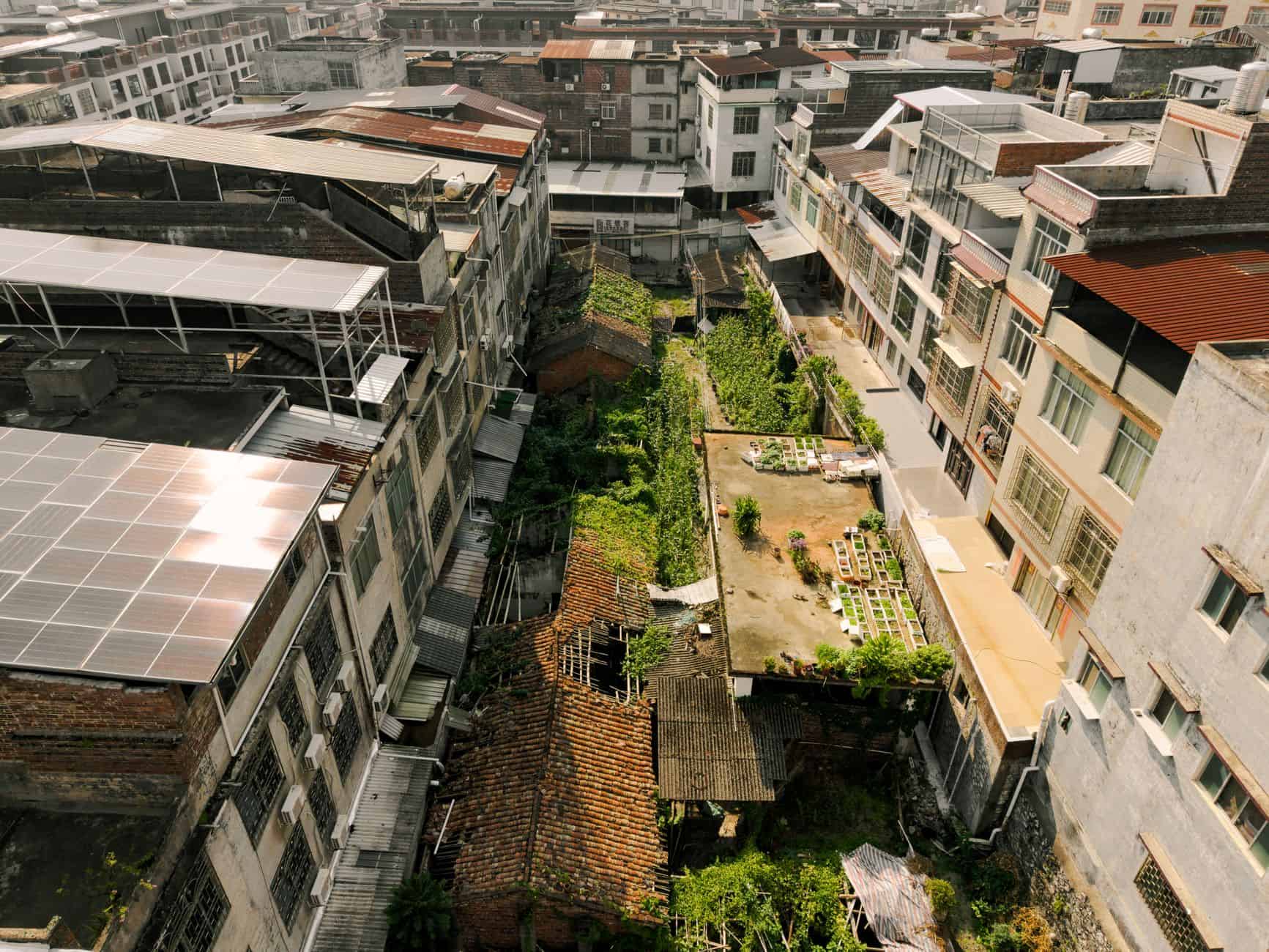
Solar Community Solar Gardens: How They Connect Clean Energy and Local Participation
The Structure of Solar Community Solar Gardens and Project Scale
A community solar garden is a shared solar power facility designed to serve multiple community solar subscribers, enabling them to receive benefits of solar energy generation without installing solar panels on their own properties. Instead of individual rooftop installations, electricity is generated centrally and then allocated through credits or direct bill savings.
Solar Plus Garden’s solar project features a 10 MW capacity centralized solar plant. This scale optimizes economies of scale in solar panel procurement, installation, and grid interconnection, providing energy to a regional utility grid for multiple subscribers simultaneously. The ownership resides with an Estonian OÜ, founded 20.02.2026, responsible for the solar plant’s construction, operation, and maintenance.
The community aspects linked to the agrivoltaic model operate under a separate Serbian DOO. This entity manages the баштенска заједница, distinct from the solar ownership, facilitating clear legal and financial boundaries between energy generation and community benefits.
The Garden supports up to 3,000 parcels or “boxes,” each assigned to members who receive fresh produce deliveries aligned with the agrivoltaic concept—combining solar generation and local agriculture.
Access to the community solar garden is available by paying a membership fee, which is separate from investing directly in solar infrastructure. This approach enables participation by those who seek the benefits of community solar and агриволтаику without capital commitment to the solar plant.
- Central solar plant capacity: 10 MW
- Maximum community parcels: 3,000 garden boxes
- Legal ownership: Estonian OÜ owns solar plant; Serbian DOO operates garden community
- Community access granted through membership fees, decoupled from solar investment
Community Membership Model: Access Without Direct Solar Investment
The membership model enables individuals to engage with community solar by paying a one-time €200 membership fee, which is allocated to support the solar plant’s ongoing investment and maintenance. Members may also opt-in for a баштенска кутија subscription priced at €20 per month, delivering 18 seasonal shipments of fresh, locally grown vegetables harvested within the agrivoltaic framework.
Financial contributions from membership fees are pooled into an escrow-controlled account, governed by a payment and escrow mechanism that prohibits unapproved expenditures. This model ensures all funds directly support solar infrastructure upkeep and subsidize operational costs of community garden activities.
Applicants undergo a formal membership vetting process, which includes application submission, fee payment, and final member approval to ensure compliance with governance rules.
The juridical separation between the solar plant holder and the garden community enables transparent fund flows and protects member investments. The escrow controls implement strict financial safeguarding, preventing commingling and unauthorized fund disbursement.
- Membership fee: €200 one-time payment
- Optional garden box subscription: €20/month with 18 annual deliveries
- Membership fees escrowed to finance solar infrastructure and community costs
- Distinct legal entities separating solar ownership and garden community
- Payment and escrow model enforces strict control on fund usage
How Solar Energy Generation and Billing Work in Community Solar Gardens
The Solar Plus Garden project operates a centralized 10 MW solar panel array connected to the local utility grid. Solar energy generated by this array is delivered to the grid, contributing to the community’s clean energy supply. Community solar subscribers are credited for their proportional share of generated electricity through their utility bill.
Subscribers benefit from bill savings based on metered solar output allocated against their consumption footprint. This is achieved without the need for installing physical solar equipment at their location, reducing common barriers such as roof ownership, space limitations, or maintenance obligations.
Utility companies implement a billing system where solar credits are calculated according to subscriber agreements and regulatory standards. These credits are applied as dollar-for-dollar reductions on the electricity bill, transparent and auditable within the utility’s billing infrastructure.
Compliance with local municipality and utility regulations governs subscriber eligibility and meter data reconciliation, ensuring accurate attribution of solar generation. Subscriber billing arrangements adhere to utility tariffs and net metering or community solar-specific programs authorized under local energy policies. Such programs typically require grid interconnection standards compliance and formal subscriber registration with the utility.
- 10 MW solar plant feeding clean energy to local utility grid
- Subscribers receive bill credits proportional to their solar share
- Credits reduce utility bills dollar-for-dollar, without installing panels onsite
- Billing follows local utility protocols and municipality regulations
Local and Regulatory Contexts Affecting Solar Community Solar Gardens
The dual-country structure embeds Solar Plus Garden within Estonian и Serbian legal frameworks, respectively governing solar plant ownership and garden community operations. This provides regulatory clarity on project governance, investor liability, and operational responsibility.
Financial transparency is enforced by mandating regulated payment flows through escrow accounts, consistent with European financial service standards. Escrow agreements include strict spending authorizations linked to achievement of project milestones and community activity budgets, which undergo regular audits.
Community solar projects operate within local regulatory regimes that specify technical grid standards, permitted customer participation models, and applicable subsidy frameworks where relevant. Approval and expansion phases depend on municipal and utility cooperation, particularly pertaining to grid interconnection capacity and local energy market rules.
Scalability depends on municipal building permits, grid operator capacity, and adherence to national renewable energy targets. Potential constraints include grid congestion limitations, compliance with European and national renewable energy directives, and approval timelines for adding new subscribers or infrastructure upgrades.
- Legal entities operate under Estonian and Serbian corporate law
- Regulated escrow and payment controls ensure financial compliance
- Project aligns with utility and municipal policies for grid integration
- Growth subject to interconnection standards and regulatory approvals
Benefits and Limitations of Joining a Solar Community Solar Garden
Joining a community solar garden delivers access to чиста енергија generated locally through the centralized 10 MW plant, without individual panel installation costs or property constraints. Subscribers receive documented bill savings reflecting their share of solar electricity, helping reduce energy expenditures.
The agrivoltaic approach enhances value by coupling solar production with local agriculture, offering fresh, seasonal produce through the garden box subscription, grounded in sustainable farming methods compatible with solar shading requirements.
Financial and environmental benefits include stable energy cost offsets and active participation in reducing regional carbon emissions from fossil-generated electricity.
Limitations consist of mandatory membership fees and optional subscription commitments, alongside operational dependence on the project’s management and community governance. Prospective members should consider the legal and financial structures, assessing transparency, regulatory compliance, and administrative accountability before joining.
- Access clean energy benefits without installing solar panels
- Receive fresh local produce supported by solar revenues
- Reduce utility bills through solar energy credits
- Flexible participation without direct solar capital investment
- Commitment to membership fees and adherence to governance rules
Investor Journey and Engagement in Solar Plus Garden’s Model
Investors begin by joining a waiting list, which entails an onboarding procedure requiring KYC (Know Your Customer) and KYB (Know Your Business) verifications. These verifications ensure regulatory compliance with anti-money laundering and investor protection standards.
Following registration, investors select one of two investment models:
- Long-term equity share in the solar project, spanning Phases 1 and 2, conferring ownership interests and associated returns
- A guaranteed payout scheme available in Phase 2, designed to offer more predictable financial returns via fixed contract terms
The platform includes an партнерски програм whereby approved members can earn a 3% commission on each referred investment, promoting community expansion. Affiliate applications undergo review and approval typically within 48 hours to facilitate rapid network growth.
Operational support tools like Notion AI enable team members to monitor project progress, access open issues, and document decisions, enhancing transparency and team coordination.
Capital contributions from investors and community members are only accepted after defined legal, governance, and operational safeguards are satisfied, ensuring fund security and regulatory adherence throughout the project lifecycle.
- Waiting list enrollment and KYC/KYB onboarding
- Two ROI pathways: equity share and guaranteed payout
- Affiliate program with 3% referral commission, rapid approval
- Use of Notion AI for real-time project monitoring and decision logging
- Funds accepted exclusively post regulatory and legal compliance
Illustration: Typical Cost and Benefit Flow for a Community Solar Garden Member
| Item | Amount (€) | Role in Project |
|---|---|---|
| One-time Membership Fee | 200 | Invested into the 10 MW solar infrastructure and allocated toward maintenance and community operations |
| Monthly Garden Box Subscription | 20 × 12 = 240 | Funds 18 deliveries of fresh, locally produced vegetables grown via agrivoltaic methods |
| Estimated Annual Bill Savings Credits | Variable (dependent on subscriber’s allocated solar share and utility credit policy) | Monthly credit allocations reduce the utility bill as per grid feed-in and subscriber agreement |
| Community Operational Contributions | Portion drawn from solar revenues | Supports garden maintenance, administrative costs, and community events |
The illustration represents a 12-month cycle whereby membership fees primarily support capital and operational aspects of solar infrastructure, while subscription income funds agrivoltaic produce. Bill savings depend on solar plant output, subscriber share, and utility billing methodologies, all subject to annual variance.
Technical and Operational Considerations for Maintaining Solar Community Solar Gardens
The 10 MW solar installation follows a preventative maintenance schedule including:
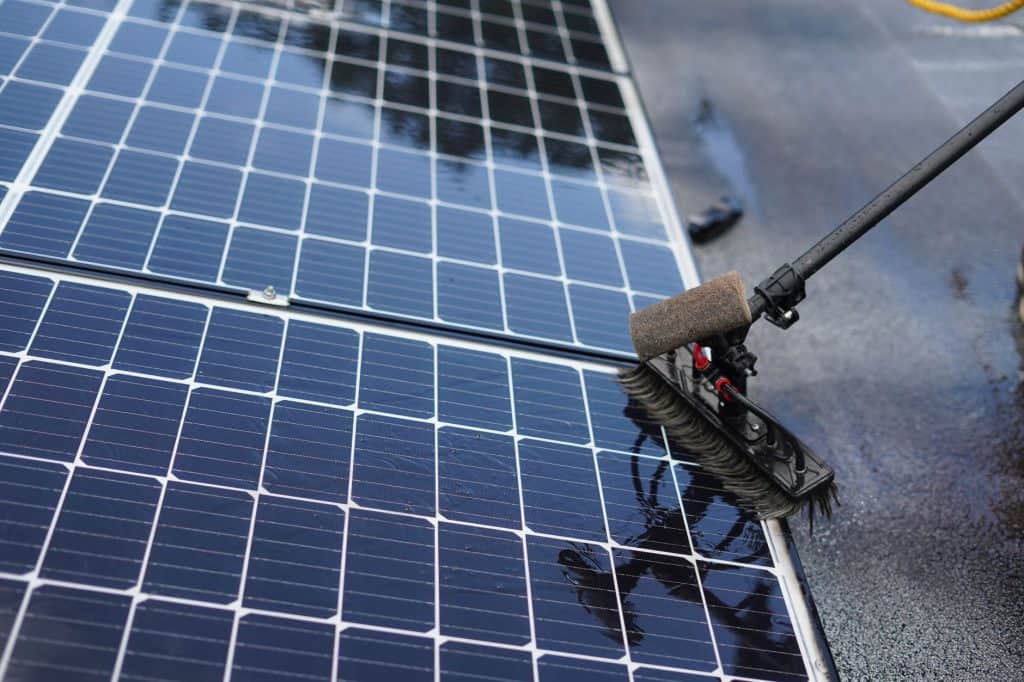
- Periodic panel cleaning approximately every 8–12 weeks based on local dust and precipitation conditions
- Inverter system servicing and performance diagnostics quarterly
- Continuous system monitoring via integrated digital platforms, providing real-time data on output, faults, and efficiency
The community garden parcels operate on a seasonal cycle structured around planting in early spring, staggered harvesting periods optimized for nutrient and shade management, and coordinated produce deliveries timed with peak harvest yields. This arrangement complies with agrivoltaic best practices to maximize combined solar and crop productivity.
Escrow and payment controls apply rigorous financial handling procedures that include transaction validation steps, dual authorization protocols before disbursement, and regular financial audits, ensuring transparency and preventing unauthorized use of funds.
Operational technology includes subscriber management software enabling signups, payment processing, and communication, alongside solar performance monitoring tools integrated with the project’s control room dashboard. These systems support planned scale-up to full community capacity of 3,000 parcels, maintaining service quality and operational efficiency.
- Scheduled panel cleaning every 8–12 weeks depending on conditions
- Quarterly inverter inspections and system diagnostics
- Real-time solar production monitoring through digital platforms
- Seasonal garden management aligned with agrivoltaic principles
- Escrow controls with dual authorization and regular audits
- Integrated subscriber and performance management software
Често постављана питања
- Can I participate in a Solar Community Solar Garden without installing solar panels on my property?
- Yes. Solar Plus Garden members receive bill savings and access to соларна енергија benefits without onsite panel installation. Participation requires payment of a €200 membership fee and optional garden box subscription, connecting members to the centralized 10 MW solar plant’s output through utility billing.
- How does billing work for community solar subscribers with Solar Plus Garden?
- Subscribers receive monthly credits on their electricity bill calculated by the utility based on their proportional share of solar energy generated. These credits reduce the utility bill dollar-for-dollar and are applied without requiring equipment installation at the subscriber’s premises.
- What are the costs and commitments involved in joining the Solar Plus Garden community?
- Joining requires a one-time membership fee of €200 allocated to solar infrastructure and operations. Optional participation includes a monthly €20 subscription for garden box delivery of fresh produce. These payments support community solar generation and agrivoltaic activities under clear contractual terms and escrowed fund management.
- Is the Solar Plus Garden project legally structured to protect investors and community members?
- Yes. The Estonian OÜ owns and operates the соларна електрана, while a separate Serbian DOO manages the garden community. Funds flow through regulated escrow accounts with controls preventing unauthorized usage, ensuring transparency and protection for all stakeholders.
Закључак
Солар Плус Гарденс community solar garden model enables broad participation in clean energy generation through a 10 MW centralized solar plant, combined with agrivoltaic community benefits. Prospective members should assess the €200 membership fee, optional produce subscriptions, and evaluate regulatory frameworks supporting utility billing and project governance. The model’s success depends on continued regulatory compliance, effective utility partnerships, and operational transparency—delivering bill savings, environmental benefits, and local food production without installing panels onsite.