




Essential Solar Installation Best Practices for Reliable and Efficient Solar Power Systems
Comprehensive Solar Site Assessment: The Foundation of Successful Installation
A thorough solar site assessment initiates every professional solar installation, focusing on roof suitability and environmental conditions to enable energy output optimization. This step integrates structural, geographic, and climatic data to inform every design decision.
Assessment protocols include:
- Roof orientation and tilt angle: Ideal orientations align southward in the Northern Hemisphere to maximize irradiance. The solar panel angle should approximate local latitude—for example, 35°±5° in Serbia—to balance summer and winter solar paths and maximize annual yield.
- Structural integrity and load calculations: Engineers verify that roofs support static and dynamic loads from the panels, mounting hardware, and environmental forces (wind, snow). Calculations comply with Eurocode EN 1991-1-3 for snow loading and EN 1991-1-4 for wind effects, ensuring safety margins above code minimums.
- Shading analysis: Using handheld pyranometers combined with 3D modeling software (e.g., PVsyst or Helioscope), installers identify shading impacts throughout daylight hours and seasons. This data adjusts the solar array layout to avoid production losses exceeding 5% annually from obstructions.
- Solar irradiance data: Long-term satellite and ground-station measurements provide insolation profiles in kWh/m²/year, allowing precise prediction of expected generation. Regional databases like Solargis or PVGIS support this process, essential for investment risk assessment and installation timeline planning.
- Weather impact: Climatic factors inform panel selection and mounting configurations. For instance, panels certified to withstand temperatures from -40°C to +85°C per IEC 61215 ensure reliability. Snow loads up to 1.5 kN/m² (typical for Central Serbia) and wind speeds up to 30 m/s (Beaufort scale 11) influence structural choices.
Integrating shading analysis with structural and climatic assessments ensures compliance with local building codes and electrical safety standards such as IEC 60364-7-712, which governs фотонапонска installations.
Selecting Optimal Solar Panel Types and Components for Your Project
Component selection addresses solar panel efficiency, durability, installation cost factors, and long-term performance. Matching parts is essential for system stability.
- Врсте соларних панела range primarily between monocrystalline and polycrystalline silicon technologies. Monocrystalline panels deliver 18-22% efficiency, suitable for limited roof space or higher output demands. Polycrystalline panels offer 15-18% efficiency but at generally lower prices, fitting larger roof areas with fewer shading challenges.
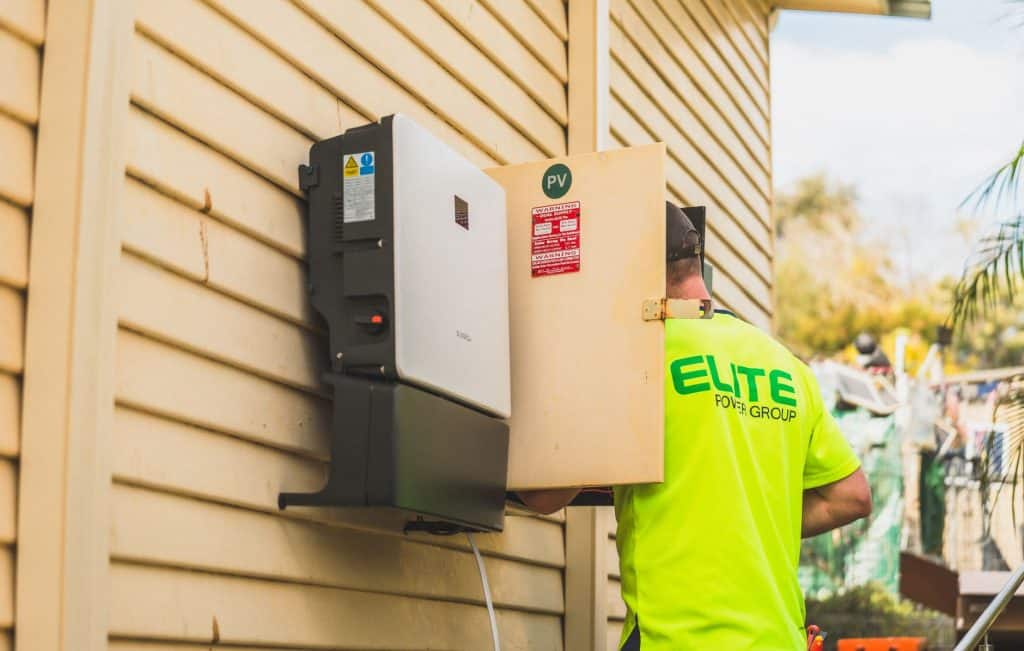
- Inverter selection depends on system size, shading conditions, and design complexity. Central string inverters, compliant with IEC 61727 and IEC 62109-1 safety standards, fit straightforward configurations, providing cost-effective conversion for systems exceeding 5 kW. In contrast, microinverters or power optimizers (e.g., Enphase or SolarEdge) ensure maximum energy harvest in partially shaded arrays by regulating performance at panel level, improving overall yield by up to 15% in complex layouts.
- Mounting hardware must feature corrosion-resistant materials such as anodized aluminum or stainless steel 316, designed to accommodate thermal expansion while maintaining panel stability. Selection varies between roof types—tile, metal sheet, or concrete—and mounted structures, impacting installation duration and costs.
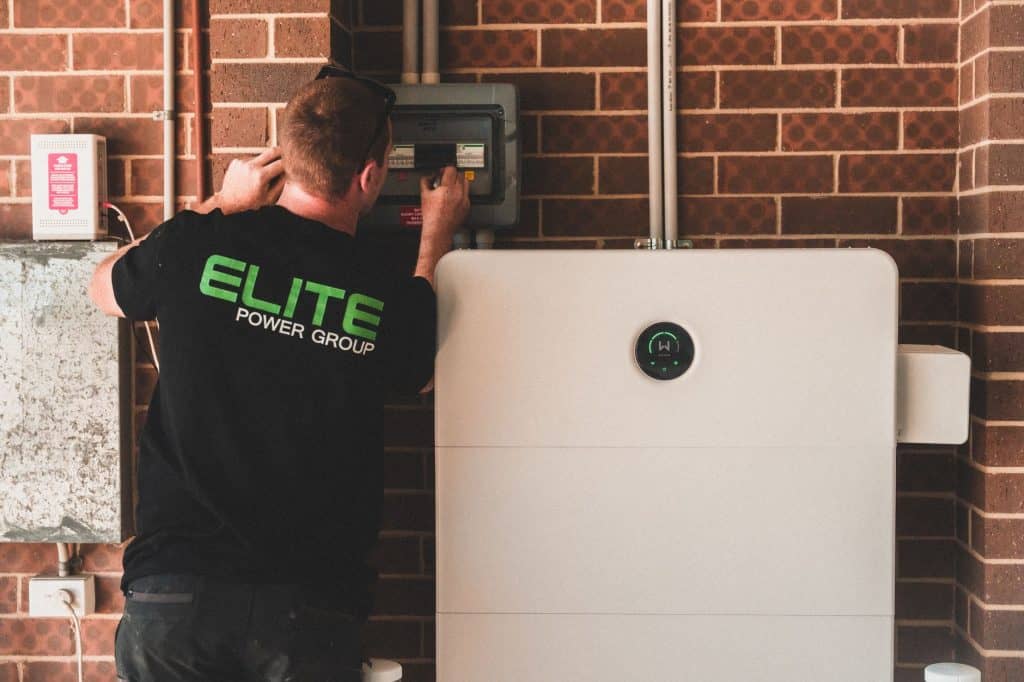
- Battery integration extends system autonomy by storing surplus energy. Lithium-ion phosphate (LiFePO4) batteries currently dominate due to balanced safety, cycle life (2,000+ cycles), and energy density. Integration protocols require communication-compatible inverters or charge controllers supporting battery management systems (BMS).
Ensuring component compatibility involves cross-verifying voltage ranges, connector types, and communication protocols, adhering to IEC 62852 (PV connectors) and IEC 62109 for inverter safety.
Mastering Mounting Options and Techniques to Maximize Energy Output
The mounting hardware and configuration affect mechanical stability and energy output optimization by maintaining ideal solar panel angle and minimizing system losses due to misalignment or damage.
- Fixed-tilt racks provide cost-effective and durable solutions with minimal maintenance, commonly installed at angles between 25° and 40° for Serbia and surrounding countries.
- Adjustable tilt mounts allow manual seasonal angle adjustments to optimize production—e.g., increasing tilt by 10-15° during winter months to capture lower sun angles, enhancing winter yield by 5-7%.
- Tracking systems (single- or dual-axis) offer maximum yield gains of 10-25% by following the sun’s path, but entail higher installation cost factors and maintenance complexity. These systems require dedicated installation tools, including precision leveling equipment and electronic controllers.
- Materials must resist corrosion from regional environmental stressors like humidity fluctuations and airborne salts. Structural components compliant with ASTM B221 (aluminum alloys) or EN 1.4401 stainless steel standards ensure durability over 25+ years.
- The installation timeline varies: fixed mounts usually require 1-2 days for 10 kW systems, adjustable racks add 1 day for manual calibration, whereas tracking systems can extend installation by 3-5 days due to complexity.
Ensuring Safe and Compliant Wiring and Electrical Connections
Professional solar systems prioritize electrical safety by following stringent standards governing the grounding system и electrical wiring.
- Grounding system implementation aligns with the European Low Voltage Directive 2014/35/EU and local regulations, ensuring protective earth connections that prevent shock hazards and support electromagnetic compatibility. Typically, copper grounding conductors of at least 6 mm² cross-section are used.
- Load calculations determine conductor sizing to limit voltage drops below 3%, per EN 50521 guidelines. For example, 4 mm² copper conductors may suffice for strings up to 20 A over distances less than 30 meters.
- Wiring insulation must meet UV and thermal rating requirements, commonly using PV Wire type rated for 90°C continuous operation per UL 4703 or IEC 62930 standards.
- Protective equipment includes DC-rated circuit breakers and DC fuses sized per system current ratings to interrupt fault currents safely. Surge protection devices compliant with IEC 61643-11 guard against transient overvoltages.
- Inspection checklist protocols encompass verifying insulation resistance over 1 GΩ, confirming polarity, confirming torque on connectors per manufacturer specifications (e.g., 8 Nm for MC4 connectors), and confirming inverter grid synchronization per EN 50549.
Navigating Permits, Regulations, and Documentation for Solar Installation
Solar project success depends on adherence to solar permits и local regulations governing construction, environmental impact, and grid interconnection.
- Permit applications require detailed installation documentation such as site plans, electrical schematics, structural calculations, and evidence of conformity to local building codes and electrical standards. Both Estonian OÜ and Serbian DOO jurisdictions demand documentation per their respective planning authorities.
- The payment & escrow model implemented by Solar Plus Garden ensures transparent fund handling—investor payments are held securely until contract milestones are verified, aligning with Estonian and Serbian financial regulations.
- Typical regulatory processing times vary from 30 to 90 days depending on jurisdiction; these must be factored into the overall installation timeline to maintain project momentum.
Installation Safety Measures: Protecting Personnel and Assets During Setup
Controlled safety measures protect workers and property during installation phases.
- Personal protective equipment (PPE) requirements encompass EN 397-certified helmets, insulated gloves rated for 1,000 V, safety boots with puncture resistance, and fall protection equipment compliant with EN 365 and EN 361.
- Working at heights mandates use of scaffolding systems conforming to EN 12811 and harness systems with energy absorbers to limit fall forces below 6 kN.
- Lockout/tagout procedures isolate electrical systems during installation, preventing accidental energization and reinforcing adherence to IEC 60364-6 standards.
- Pre-installation risk assessments identify potential hazards, informing mitigation plans including weather monitoring (to avoid high-wind or wet conditions) and emergency response protocols.
- Contractor selection prioritizes firms certified in occupational safety management systems (e.g., ISO 45001 or local equivalents) experienced with photovoltaic system requirements.
Testing, Commissioning, and Optimizing the Solar Power System Post-Installation
System readiness validation is essential before grid connection.
- System testing sequences insulation resistance tests (minimum 1 GΩ at 500 V DC), continuity checks, and polarity verification, performed with calibrated instruments meeting IEC 61557 standards.
- Commissioning verifies inverter operation—including MPPT function, voltage thresholds, and anti-islanding protection—conforming to IEC 62116 guidelines.
- Performance monitoring platforms utilize data loggers with accuracy ±1% and cloud connectivity to enable real-time production tracking, fault detection, and alerting. Monitoring frequency ranges from one-minute intervals to hourly reports depending on system size.
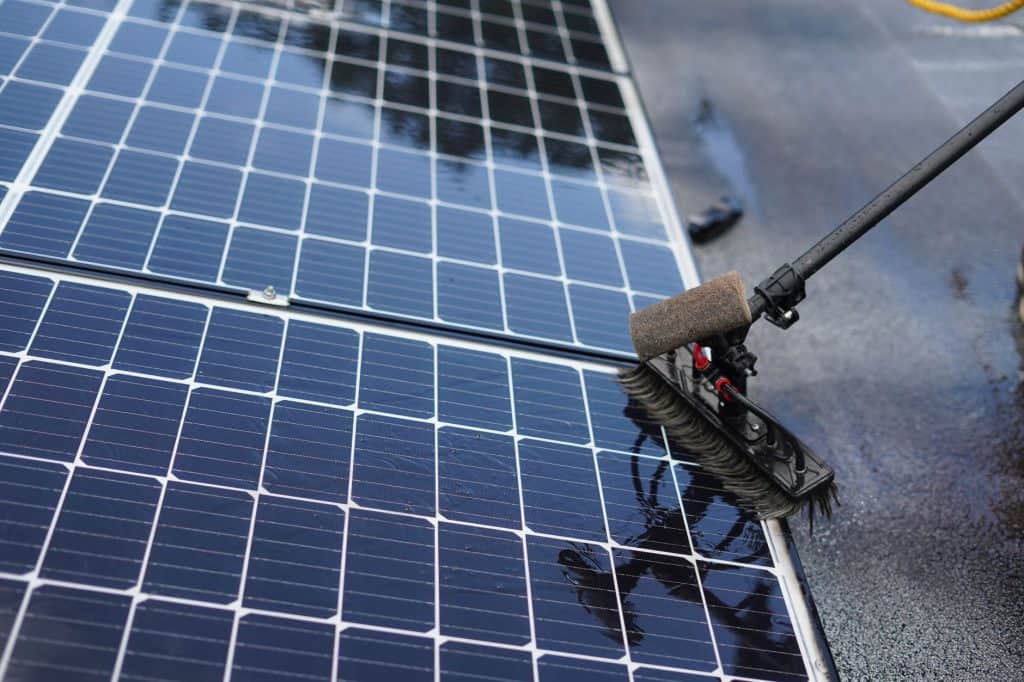
- Panel cleaning methods involve gentle water rinsing and soft brushes or automated cleaning systems if available, tailored to local dust and pollution conditions. A biannual maintenance schedule recommends inspections for module integrity, electrical connections, and inverter firmware updates.
- Troubleshooting tips include identifying inverter error codes such as DC voltage anomalies or communication failures, checking connector corrosion, and verifying string current balance to preempt production declines.
All testing and documentation comply with IEC 62446-1 requirements, providing a final inspection checklist and commissioning report to investors and regulators.
Често постављана питања
- What factors determine if my roof is suitable for solar panel installation?
- Roof suitability requires assessment of orientation, optimal solar panel angle, structural capacity confirmed via load calculations per local codes, UV and wind exposure, and shading throughout daylight hours. The roof’s surface type and condition also factor into mounting hardware compatibility.
- How do I choose the right solar panels and inverters for my home or project?
- Panel selection depends on space constraints, desired solar panel efficiency, and budget. Inverter choice hinges on system complexity and shading conditions, with microinverters preferred for heterogeneous shading and string inverters suited for uniform arrays. Verify component compatibility with mounts and battery systems for reliable integration.
- What are the common safety precautions during solar installation?
- Compliance includes use of certified personal protective equipment, adherence to grounding and electrical safety codes, comprehensive risk assessments, lockout/tagout procedures, and engagement of certified and experienced contractors familiar with photovoltaic standards and safety regulations.
- How often should solar panels be maintained or cleaned to maintain efficiency?
- Based on local dust, pollution, and climate, panels should generally be cleaned semiannually to prevent soiling losses, typically ranging from 2% to 6% efficiency degradation without cleaning. Routine visual and electrical inspections should verify system health and identify maintenance needs.
Закључак
Solar Plus Garden emphasizes rigorous implementation of solar site assessments incorporating roof suitability и shading analysis as the foundation for robust соларни енергетски систем design. Careful selection of solar panel types, mounting hardware, and inverters aligned with component compatibility and local environmental conditions supports energy output optimization. Strict compliance with electrical wiring и grounding system standards ensures electrical safety. Navigating solar permits и local regulations secures legal operations, while certified contractor selection and enforced personal protective equipment protocols maintain installation safety. Post-installation system testing and continuous performance monitoring combined with a structured maintenance schedule and effective panel cleaning methods guarantee sustained operation. This integrated approach aligns with Solar Plus Garden’s standards and investment protection measures embodied in their transparent payment & escrow model and regulatory compliance in Estonia and Serbia. Continuous evaluation for system upgrades accommodates evolving technology and regulatory environments to maintain optimal project performance and community impact.