








Comprehensive Guide to Solar Investment Audit Requirements for Reliable Project Compliance
Introduction to Solar Investment Audits: Purpose and Scope
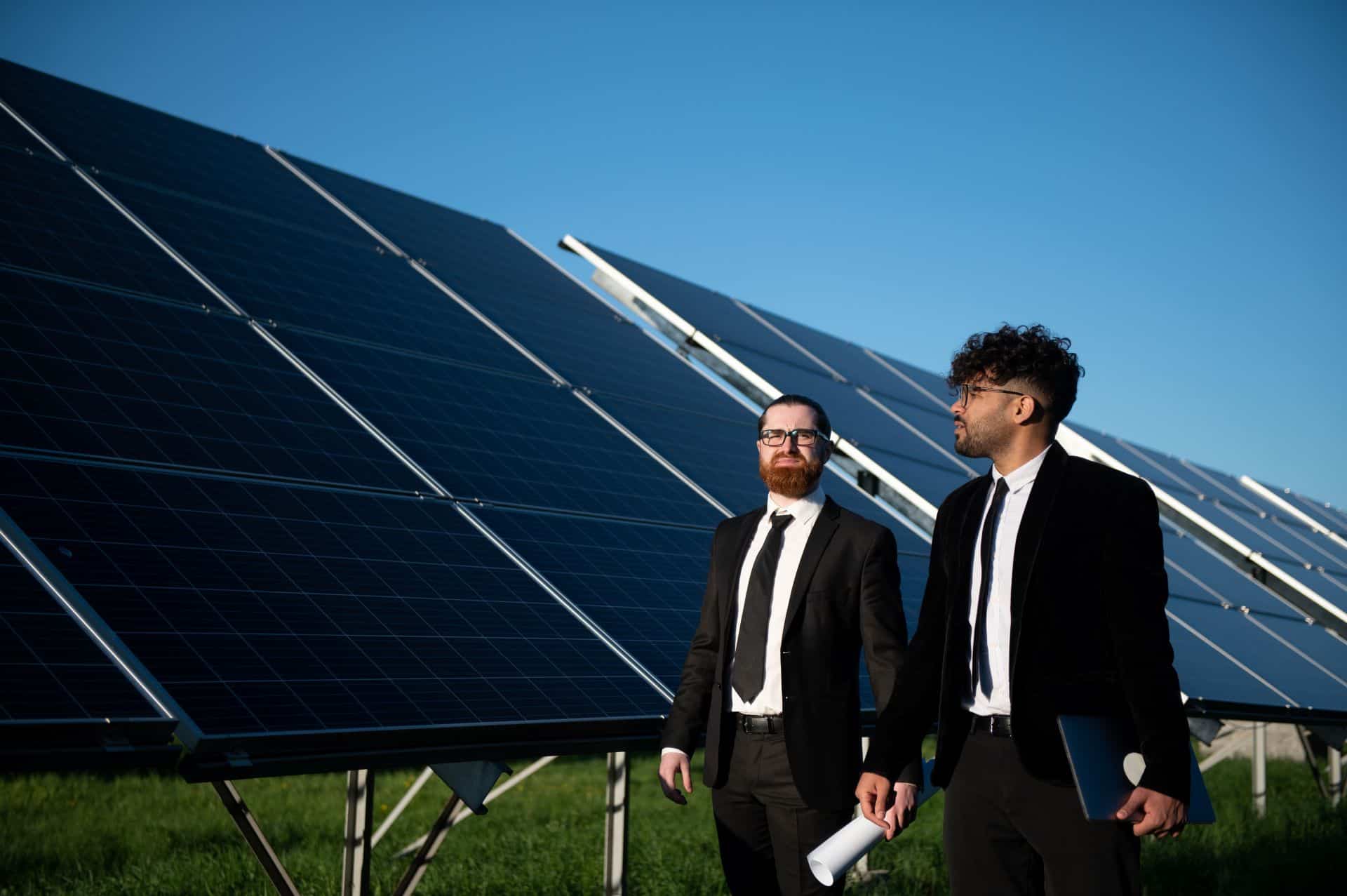
Solar investment audits are systematic evaluations conducted to verify the integrity, compliance, and performance of renewable energy projects, such as the 10 MW Solar Plus Garden plant. These audits encompass financial, technical, and environmental domains to ensure investments align with regulatory standards, meet expected performance thresholds, and maintain stakeholder confidence.
The scope of solar investment audit requirements is divided into three primary categories:
- Financial audits: Verification of financial statements, capital flow documentation including portfel inwestycyjny allocations, membership fees, and records pertaining to investor equity and community funding.
- Technical evaluations: Inspection of panele słoneczne, inverters, and balance-of-system components against established standards, along with assessment of performance metrics such as energy yield and system availability.
- Environmental audits: Assessment of compliance with environmental regulations, including monitoring the ecological impact of the installation and conformity with environmental impact assessments (EIAs).
Solar Plus Garden audits comply with evolving regulatory standards from the European Union, including the Renewable Energy Directive (RED III) and EU Biodiversity Strategy regulations, alongside Serbian national energy and environmental laws effective through 2026. These frameworks establish minimum documentation standards, technical criteria, and environmental safeguards integral to the audit process.
Applying thorough due diligence through these audits reduces investment risk by identifying operational anomalies and regulatory deviations early, securing long-term financial viability and community trust.
Legal Framework and Regulatory Compliance for Solar Investment Audits
The Solar Plus Garden project operates under a dual-entity structure: an Estonian OÜ responsible for overall investment management and a Serbian DOO holding the physical solar assets. This structure imposes multiple legal compliance layers relevant to audits.
Key legal elements include:
- Estonian OÜ corporate laws governing shareholder rights, corporate governance, and mandatory annual financial reporting to the Estonian Business Register including audited financial statements.
- Serbian legislation for DOO entities covering ownership rights, operational permits, local tax obligations, and compliance with Serbian Environmental Protection Laws (Zakon o zaštiti životne sredine).
- Renewable energy and grid connection permits required under the Serbian Energy Law and EU renewable integration directives.
The audit process mandates review of compliance documentation such as:
- Valid project permits, including construction and operational licenses, with expiry and renewal status verified.
- Contract review of investor agreements, community membership contracts, and third-party service arrangements to confirm terms and conditions comply with regulatory and internal governance requirements.
- Environmental impact assessments certified under applicable EU and Serbian frameworks, verifying conformance with land use and biodiversity protections.
Following legislative updates enacted since late 2025, audits include enhanced scrutiny of transparent fund flow tracking within członkostwo w społeczności models, requiring detailed disclosures on allocation and spending of membership fees supporting solar operations and community functions.
Pre-Audit Preparation: Essential Documentation and Financial Record Verification
Skuteczny documentation preparation is critical for successful solar investment audits. The comprehensive audit checklist for Solar Plus Garden includes the following components:
- Audited financial statements reflecting all project-related transactions, cash flow records including membership fee inflows, community fund expenses, and escrow account activities.
- Maintenance records covering scheduled and unscheduled interventions on solar panels, inverters, transformers, and monitoring system hardware, detailing dates, work performed, and responsible contractors.
- Energy production data extracted directly from Supervisory Control and Data Acquisition (SCADA) systems or equivalent monitoring platforms, submitted in time-series formats with daily, monthly, and annual reports.
- Investment flow documentation cross-referenced against banking statements and escrow entries, ensuring compliance with the project’s payment & escrow model which prohibits expenditures without documented investor consent and legal clearance.
Data accuracy validation involves multi-step cross-checking: production reports verified against metered data from on-site sensors, financial entries matched against independent bank audits, and investment movements audited for temporal consistency and proper authorization.
This preparation phase reduces findings of incomplete or inaccurate data that could weaken audit credibility or delay compliance validation.
Technical Evaluation Criteria: Inspecting Solar Panels and Performance Metrics
Ten technical evaluation segment of the audit entails systematic inspection and testing of solar plant components using internationally accepted standards and project-specific benchmarks.
Specific technical criteria include:
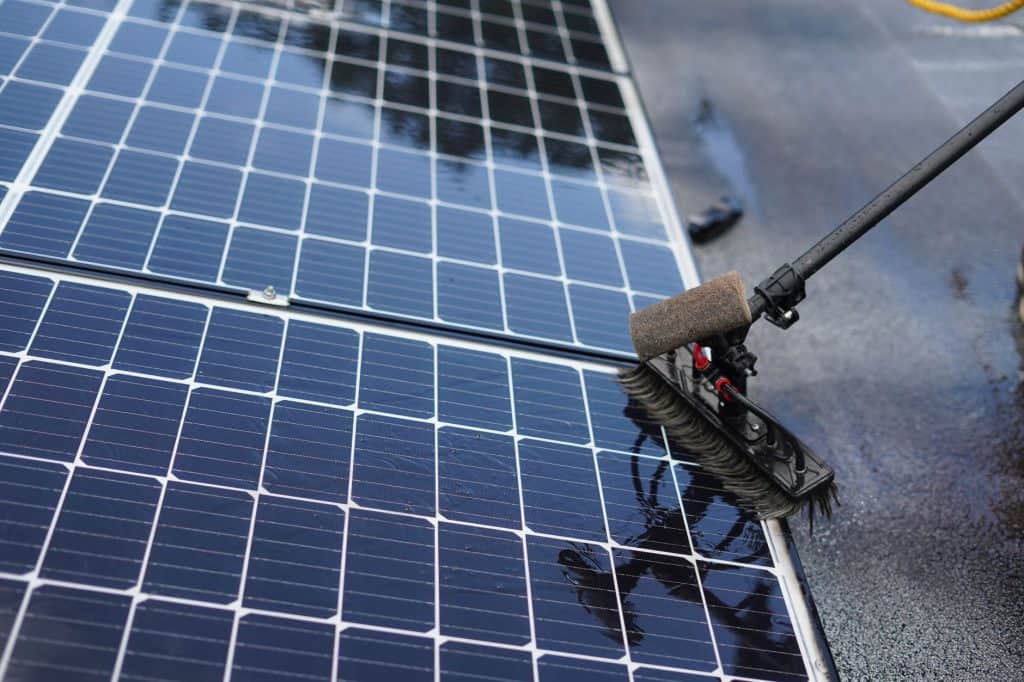
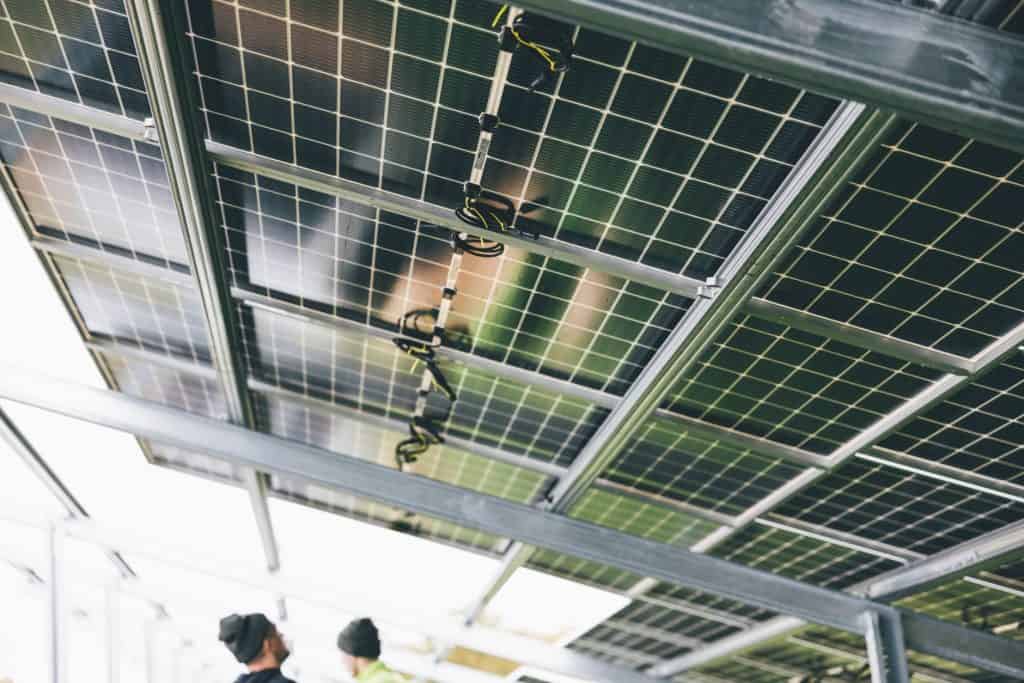
- Solar panels inspection: Detailed checks following IEC 61215 (crystalline silicon PV module design qualification) and IEC 61730 (safety standards) standards. Inspections focus on physical panel condition, micro-cracks, delamination, discoloration, and performance degradation trends.
- Inverter performance assessment, including measurement of conversion efficiency (typically required to meet or exceed 97% nominal efficiency) and analysis of fault logs over the preceding 12-month period for systemic issues.
- Performance metrics validation by comparing actual daily energy production (kWh) to modeled expected values configured according to location-specific irradiance data, system capacity (10 MW), and degradation rates typically projected under 0.5% annually.
Technical systems undergo continuous quality assurance via real-time data acquisition through SCADA platforms, including alarm triggers for performance deviations exceeding defined thresholds (e.g., 5% below expected output over monthly periods).
Incorporating agrivoltaic operational complexity under the Solar Plus Garden’s Społeczność ogrodowa model, auditors evaluate the impact of panel shading on agricultural parcels. This includes quantifying shadow patterns, verifying panel placement according to agronomic guidelines, and confirming coordinated maintenance schedules that preserve both energy and crop yields.
Risk Assessment and Environmental Compliance Checks in Solar Investment Audits
Comprehensive risk assessment addresses multifaceted hazards relevant to project feasibility and sustained operation:
- Site condition analysis: Evaluation of soil stability, shading obstructions, and weather variability influencing solar resource availability.
- Grid interconnection capacity review, confirming contractual and physical infrastructure supports integration of 10 MW plant output without congestion risks.
- Operational risks including equipment wear patterns derived from maintenance histories, failure rates, and downtime statistics routinely logged.
- Financial risks: Periodic scrutiny of cash flow statements, membership fee collection consistency, and fund allocation transparency.
- Legal and regulatory risks: Ongoing verification of valid permits and conformity with updated environmental regulations such as the EU Habitats Directive and Serbia’s zoning laws restricting habitat disruption.
Environmental compliance verification references mandatory Environmental Impact Assessments under EU Directive 2011/92/EU amended by Directive 2014/52/EU, requiring monitoring of biodiversity impacts, water run-off management, and mitigation measures for land use.
Audit frequency aligns with risk profiles and regulatory guidance, typically mandating comprehensive annual audits supplemented by quarterly technical monitoring. High-risk indicators may trigger ad hoc audits or accelerated review cycles.
Stakeholder Roles and Responsibilities During Solar Investment Audits
Clear assignment of roles ensures accountability and completeness in audit execution and follow-up:
- Project developers: Compile and submit all required financial, technical, and compliance documentation; coordinate audit logistics; and implement corrective actions prompted by audit findings within defined project timelines.
- Community members I investors: Participate in oversight through governance forums, receive periodic reports, and provide feedback contributing to audit transparency and operational improvements.
- Audit teams: Independent or third-party experts conducting financial audits, technical compliance verifications, and environmental impact reviews, applying established audit process steps including sampling, testing, and standardized reporting.
Solar Plus Garden facilitates stakeholder engagement through dedicated reporting tools and transparent communication platforms, providing accessible audit results and documented resolutions for identified issues.
The Solar Plus Garden’s członkostwo w społeczności scheme requires a €200 one-time fee plus an optional €20 monthly Skrzynia ogrodowa subscription, linking membership benefits directly to project performance. This financing model imposes additional audit checkpoints on community fund management, increasing transparency and reinforcing investor confidence in governance practices.
Audit Reporting Essentials and Post-Audit Recommendations for Solar Projects
Solar investment audit reporting integrates multiple disciplinary findings into a coherent document aligned with reporting guidelines consistent with Environmental, Social, and Governance (ESG) criteria and investment due diligence norms.
Essential components of audit reports include:
- Financial summaries outlining current investment status, expenditures reconciled to budgets, cash flow analyses, and return metrics over specified reporting periods.
- Technical compliance sections detailing inspection outcomes, deviations from expected performance metrics, equipment conditions, and monitoring system integrity.
- Environmental impact assessments documenting compliance with sustainability benchmarks, regulatory mandates, and recommendations for mitigating identified effects.
Post-audit, project teams implement prioritized corrective actions such as equipment replacements, contract amendments, or operational changes. Each action is assigned specific deadlines and monitored through established monitoring protocols to verify completion and prevent recurrence.
This approach embeds a cycle of continuous improvement, optimizing investment returns and project longevity through proactive risk management and compliance assurance.
Często zadawane pytania
- What documentation is mandatory for preparing a solar investment audit?
- Mandatory documentation includes audited financial statements, detailed energy production data from monitoring systems such as SCADA, comprehensive maintenance records for all electrical and mechanical equipment, environmental compliance certificates, valid permits, investor and community membership contracts, and transparent bookkeeping of all capital inflows and outflows.
- How often should solar investment audits be conducted for a 10 MW project?
- Audit frequency for a 10 MW installation generally involves annual comprehensive financial and environmental audits, with technical inspections occurring semi-annually or quarterly based on regulatory demands and the project’s risk profile. Additional ad hoc audits may be triggered by regulatory changes or material operational events.
- What risk factors do solar investment audits typically assess?
- Risk assessments encompass financial discrepancies affecting cash flow stability, technical performance degradation risks due to equipment failure or maintenance gaps, legal risks arising from permitting and regulatory non-compliance, and environmental risks including impacts on biodiversity and local ecosystems as regulated by EU and Serbian laws.
- Can community membership fees in the Solar Plus Garden model influence audit outcomes?
- Yes, since community membership fees are pooled and allocated to solar operations and community projects, meticulous audit of these funds is required. Transparent recording and reporting ensure adherence to legitimate spending protocols, reducing the potential for misuse and enhancing accountability in line with compliance documentation standardy.
Wniosek
Adherence to comprehensive solar investment audit requirements is fundamental for ensuring transparent, compliant, and high-performing solar projects. By following defined legal, financial, technical, and environmental protocols aligned with current regulatory standards, stakeholders safeguard their investment portfolios and reinforce community engagement. Regular audits supported by accurate documentation, systematic risk assessment, rigorous technical evaluation, and formal reporting mechanisms allow projects like Solar Plus Garden to sustain long-term operational integrity and financial viability amidst evolving industry conditions.
Powiązane lektury
- Comprehensive Guide to Solar Investment Project Finance: Structuring and Funding a 10 MW Solar Plant
- Możliwości inwestycyjne w farmy słoneczne 2026: kompleksowy przewodnik po inwestowaniu w energię słoneczną
- Zainwestuj w energię słoneczną już dziś: Twój kompleksowy przewodnik po zrównoważonych inwestycjach w energię odnawialną