


Solar Panels and Battery Storage: How Combined Systems Power Your Home Reliably
How Solar Panels and Battery Storage Work Together
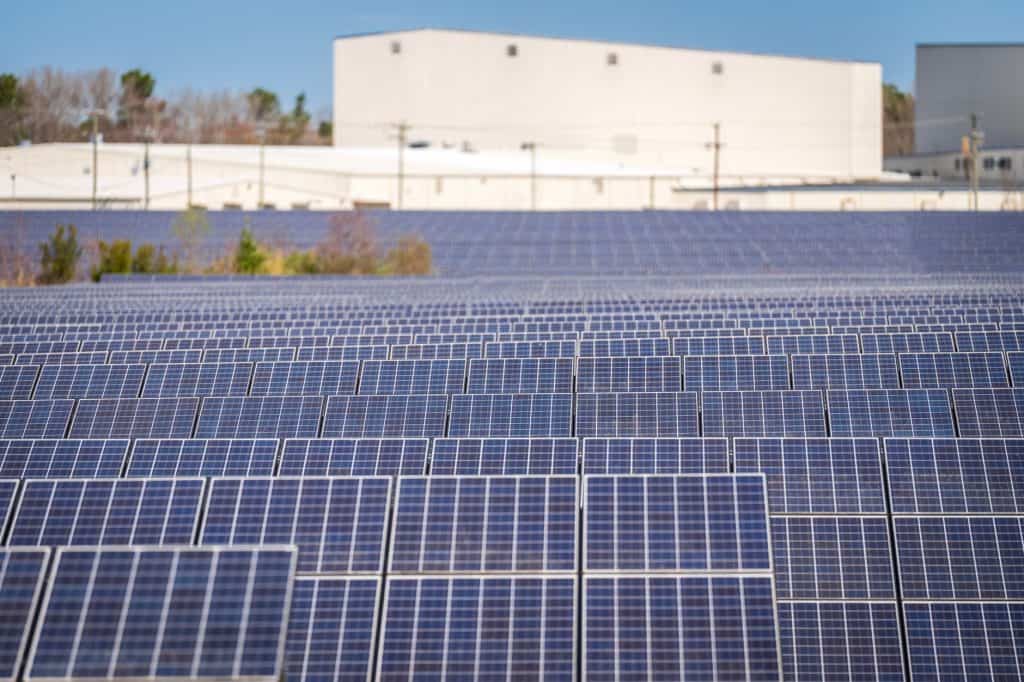
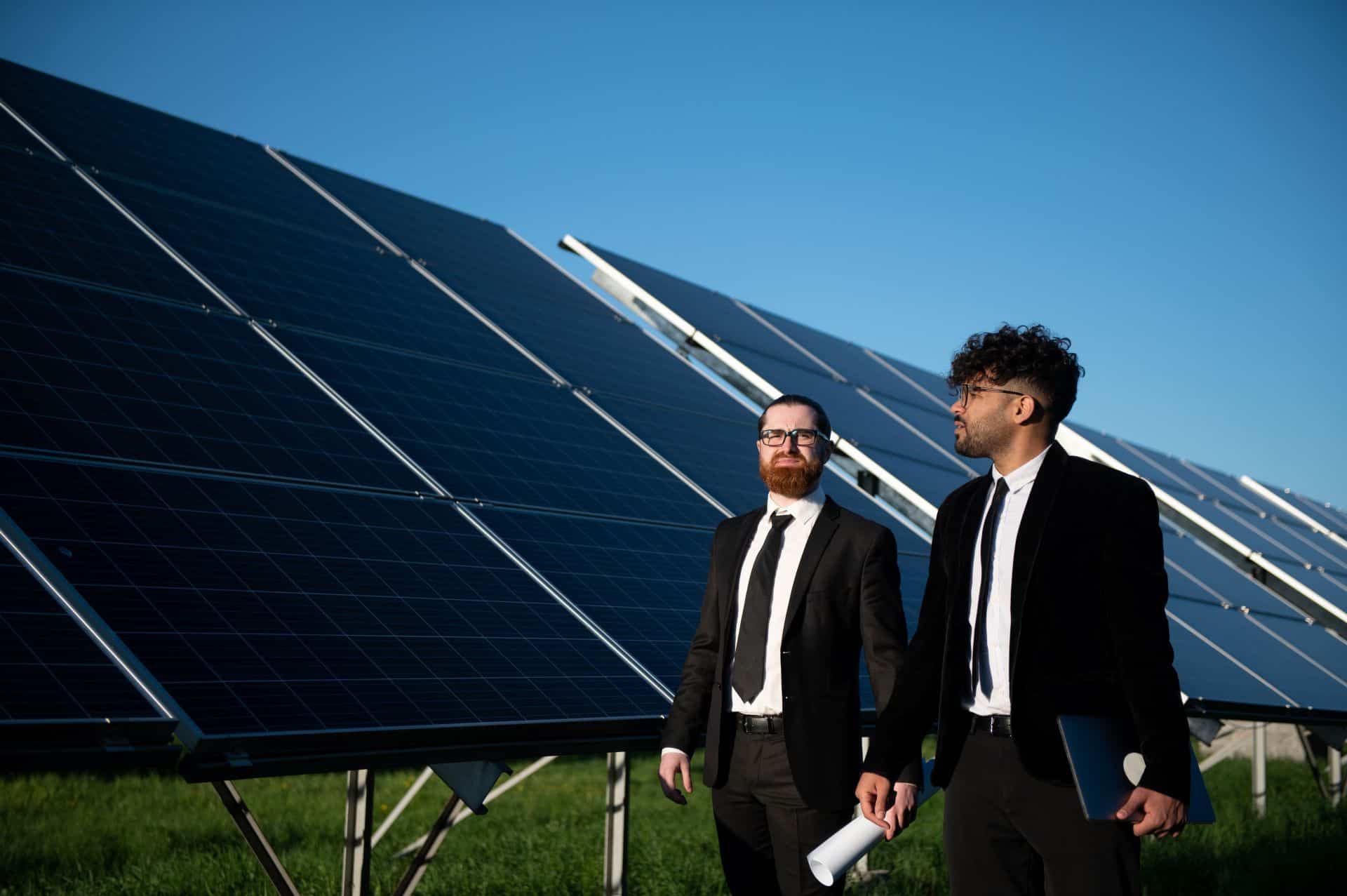
Solar panels convert sunlight into direct current (DC) electricity during daylight hours. This DC electricity is routed to a solar inverter, typically a string or microinverter, which converts DC to alternating current (AC) required by homes and appliances or for export to the grid. When the solar panels produce more electricity than immediate household demand, surplus energy feeds a solar battery storage system.
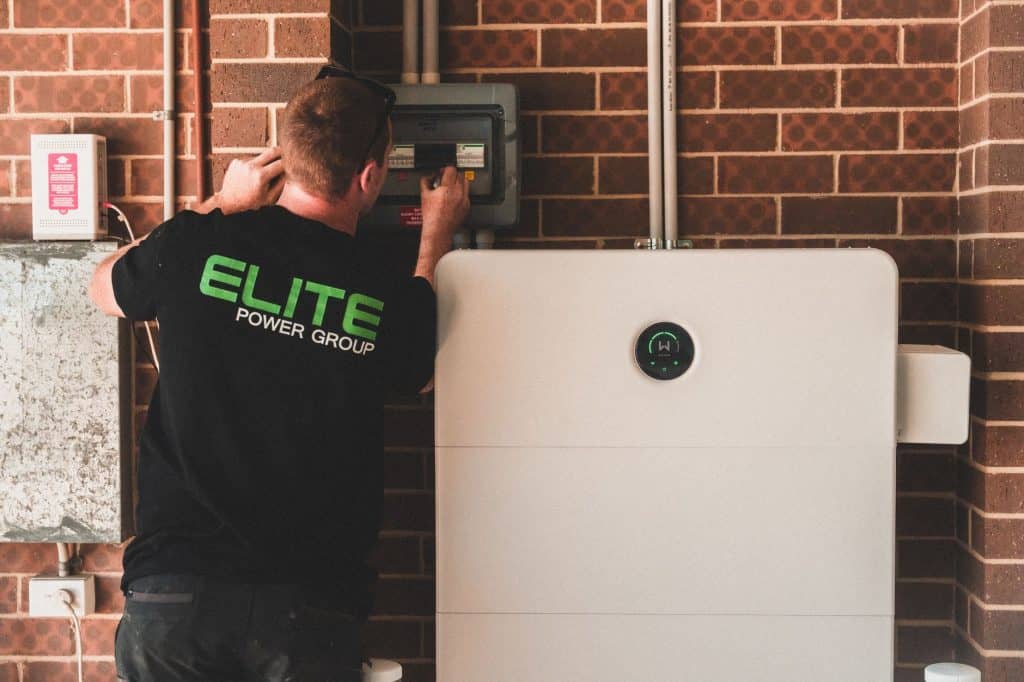
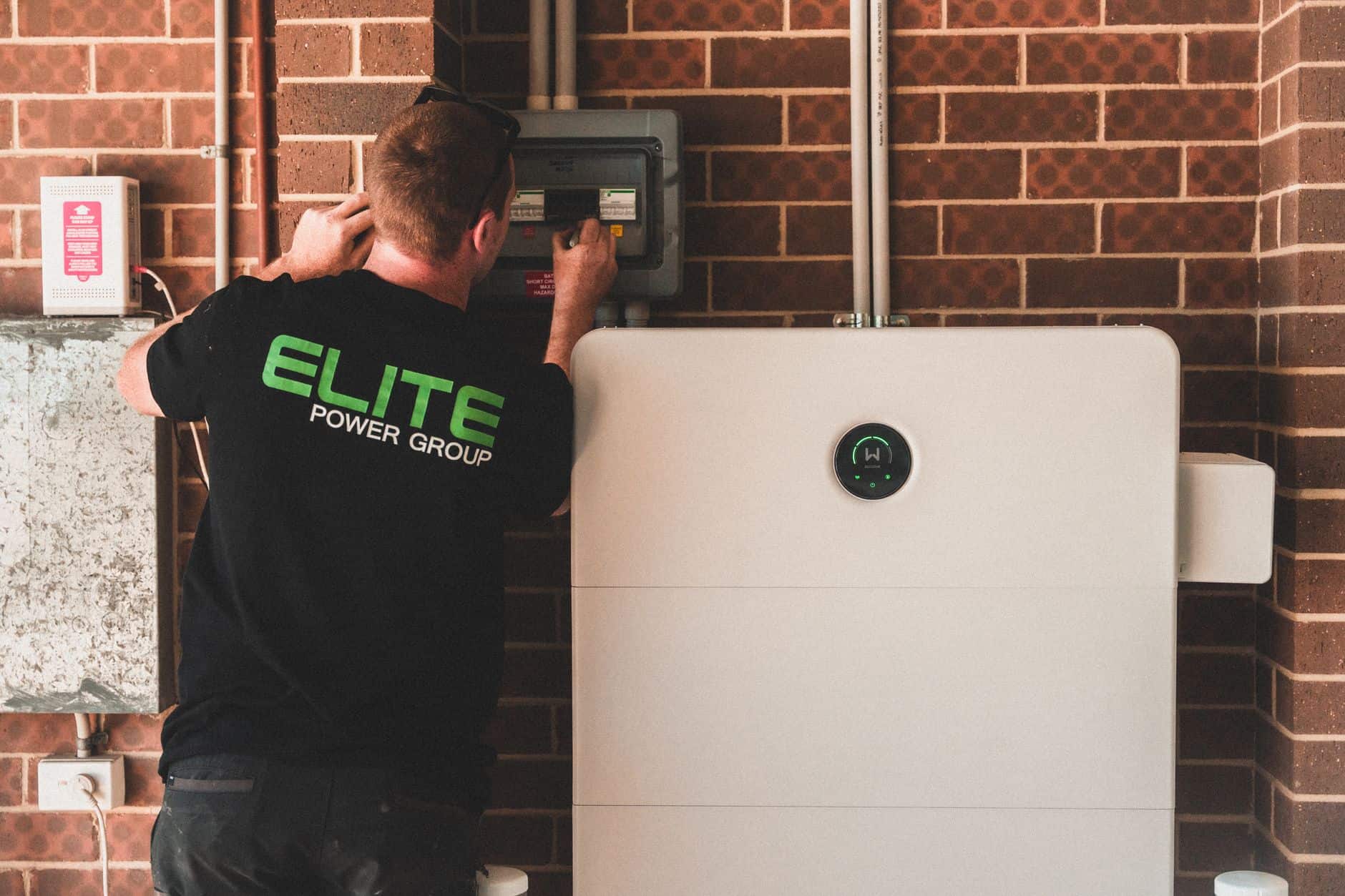
The storage battery, usually lithium-ion chemistry, captures excess solar energy to provide power during periods of low or no solar generation, such as nighttime or overcast days. By storing energy onsite, such systems reduce electricity drawn from the distribution grid, thus lowering reliance on utility power during peak pricing hours or outages.
Energy management systems monitor and control the charging and discharging cycles of the storage battery to optimize efficiency and battery longevity. These systems prioritize direct solar power consumption, regulate state of charge based on household demand forecasts, and according to grid export rules, such as limiting export to comply with net metering policies.
- Solar panels generate DC electricity when illuminated.
- Inverters convert DC to AC suitable for homes and grid export.
- Solar battery storage captures surplus energy not immediately consumed.
- Energy management systems orchestrate charging/discharging and grid interaction.
- Storage batteries buffer supply to align power availability with home and appliance needs.
Residential solar panel battery storage systems commonly use 5 kW inverters paired with lithium-ion batteries sized between 5 and 13.5 kWh usable capacity. The charge controllers embedded within hybrid inverters and battery management systems (BMS) ensure battery health by controlling charging rates, preventing overcharge/discharge, and maintaining safe operating temperatures.
Sizing Your Solar Panel and Battery Storage System for Home Use
Sizing a combined solar panels and batteries storage system starts with assessing your household’s daily electricity consumption in kilowatt-hours (kWh). For example, a typical four-person household in Europe may consume around 30 kWh daily, including heating, lighting, and appliance loads.
Solar panel arrays are rated in kW peak capacity and should align with average consumption and peak solar irradiance. Assuming 4 peak sun hours per day — measured as the equivalent number of hours with solar irradiance at 1,000 W/m² — a 6 kW solar panel system would produce approximately 24 kWh daily under ideal conditions.
Battery storage sizing depends on the desired energy autonomy and expected depth of discharge (DoD). Lithium-ion batteries support safe DoD values between 80% and 90%, meaning a battery with 13.5 kWh nominal capacity would offer 10.8–12.15 kWh usable storage. This capacity enables overnight energy supply or coverage during a grid outage lasting up to a day.
Seasonal fluctuations reduce solar irradiance in winter months by approximately 20-40%, necessitating either larger solar arrays or additional storage to maintain similar levels of reliability throughout the year.
| Parameter | Value | Explanation |
|---|---|---|
| Daily Electricity Consumption | 30 kWh | Typical use including homes and appliances |
| Solar Panel Capacity | 6 kW | Generates ~24 kWh/day assuming 4 peak sun hours |
| Battery Capacity | 10 kWh usable | Provides 1 day’s backup based on 80% depth of discharge |
This example shows a combined system sized to power your home with a 6 kW solar panel array and 10 kWh of usable solar battery storage, sufficient to cover daily electricity use and provide energy independence during non-generation hours.
Advantages of Adding Battery Storage to Your Solar Power System
Solar battery storage brings several advantages to a solar power system beyond simple on-site electricity generation:
- Reduced grid reliance: By storing surplus solar energy for nighttime or cloudy conditions, solar batteries decrease the volume of electricity drawn from the grid.
- Lower electricity bills: Maximizing self-consumption can reduce grid purchases by up to 70–80%, particularly impactful in regions with time-of-use (TOU) tariffs where peak hour grid electricity prices are high.
- Backup power during outages: Battery systems configured with appropriate hybrid inverters certified to UL 1741 or IEC 62109 standards can isolate the home from the grid in outages, maintaining power for selected critical loads and appliances.
- Optimized energy management: Storage systems enable load shifting by charging batteries during solar peaks or low-tariff periods and discharging during high-demand hours, reducing peak load charges.
- Korzyści dla środowiska: Higher utilization of solar energy reduces fossil fuel-sourced electricity consumption, lowering household carbon footprint.
Empirical data from residential installations show solar self-consumption rates without storage typically hover near 30%, while adding solar battery storage elevates this figure to a range between 70% and 80%, significantly impacting electricity bills and grid demand.
Typical Components and Technologies in Solar Panel Battery Storage Systems
Key components of a standard solar panel battery storage system include:
- Solar panels: Most residential installations use monocrystalline panels with 18–22% efficiency, benefitting from higher conversion efficiency per unit area. Polycrystalline panels are also common but offer slightly lower efficiency.
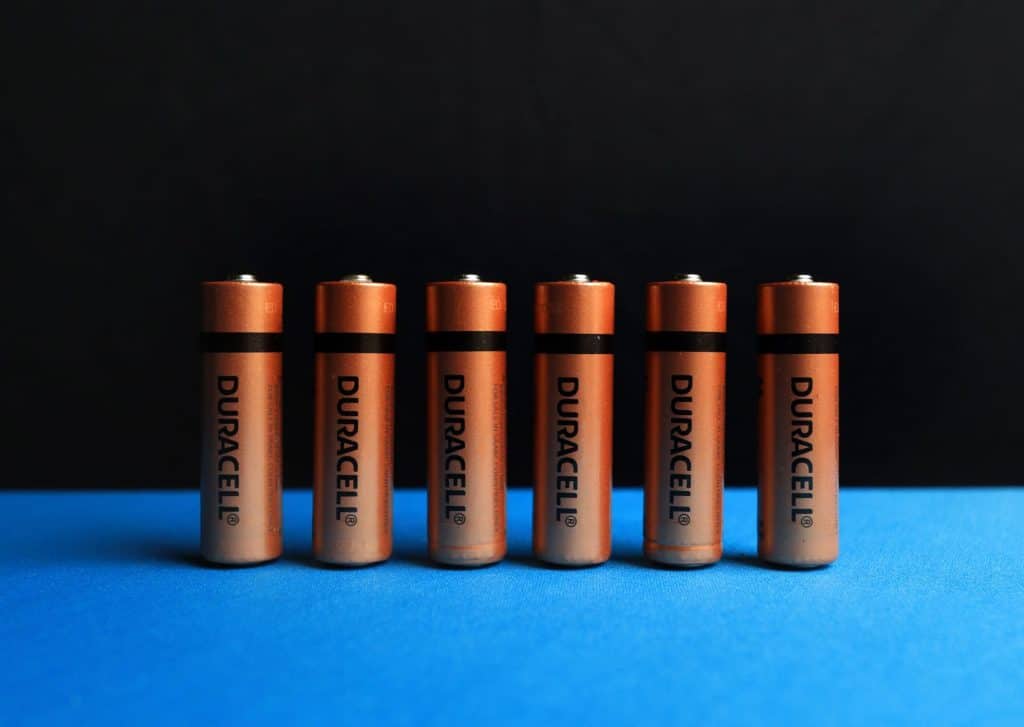
- Solar batteries: Lithium-ion batteries dominate, offering high energy density, round-trip efficiency of 80–90%, and operational lifespans between 10 and 15 years. Battery management systems (BMS) integrated within units monitor voltage, temperature, and current to enhance safety and longevity.
- Falowniki: Hybrid inverters integrate solar DC-to-AC conversion with battery charge control and AC load management. Some setups use separate devices: a solar inverter plus a battery inverter/charger.
- Energy management systems: These use smart metering hardware and software algorithms to optimize when solar battery storage charges or discharges, balancing household demand, battery state of health, and grid regulations.
- Safety standards compliance: Components typically comply with IEC 62619 or UL 9540 for battery safety and UL 1741 or IEC 62109 for inverter interconnection, ensuring reliability and protection in operation.
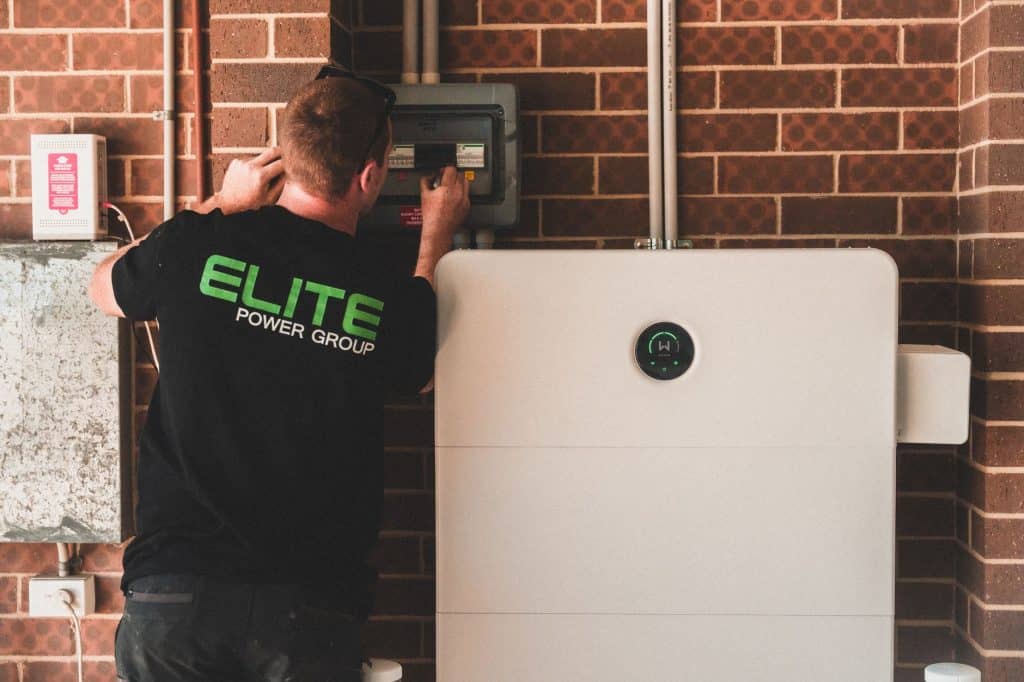
For illustration, the Tesla Powerwall 2 provides a 13.5 kWh usable capacity lithium-ion battery, around 90% round-trip efficiency, built-in BMS, and a 10-year warranty. Such systems enable modular scaling of solar storage suitable for loading typical homes and appliances.
Regulatory and Grid Connection Considerations for Solar and Battery Systems
Connecting solar panels and battery storage to the local grid requires compliance with national and regional regulations. Standards such as IEEE 1547 in the United States and EN 50438 in the European Union govern inverter behavior to prevent anti-islanding—a hazardous condition where inverters energize a de-energized grid segment during outages.
Local permitting includes system certification, electrical inspections, and verification of compliance with grid codes on export limits, power quality, and frequency support. Net metering policies, which credit excess solar energy exported to the grid, influence system design decisions including the size of storage batteries.
In Serbia, for example, existing rules set limits on maximum power export and specify interconnection requirements. Energy storage integration must adhere to these to ensure grid stability and prevent unintended power injections. These regulations are subject to periodic updates. Prospective owners should consult local electrical authorities and professional installers to confirm current requirements.
Maintenance and Lifespan Expectations of Solar Batteries
Lithium-ion solar batteries maintain about 80% of initial capacity after approximately 5,000 full equivalent charge-discharge cycles, generally equating to 10–15 years of operation given normal use. Capacity degradation accelerates under conditions of high temperature, deep discharges beyond recommended DoD, or irregular cycling.
Routine maintenance should include inverter firmware updates, battery system diagnostics via monitoring software, and electrical inspections to identify wiring or connector degradation. Keeping batteries within manufacturer-specified temperature and humidity ranges improves longevity.
Remote monitoring through integrated software platforms alerts system owners and operators to performance drops or faults, enabling timely service and avoiding unexpected failures.
At end-of-life, batteries require proper recycling or repurposing due to hazardous materials and environmental concerns. Manufacturers and local regulations often provide formal recycling channels.
Standard warranties guarantee that battery capacity will not fall below 70–80% within 10 years or a defined cycle count, shaping realistic expectations regarding replacement timing and associated costs.
Evaluating Economic Considerations for Solar Panels and Battery Storage
Investment in solar panel battery storage involves upfront costs and ongoing expenses. Key cost components include:
- Hardware prices for solar panels, batteries, hybrid inverters, and balance-of-system components.
- Professional installation, permitting, and inspection fees.
- Maintenance, monitoring subscriptions, and eventual battery replacement.
Costs are typically expressed as price per kilowatt (kW) for solar panels and per kilowatt-hour (kWh) for storage battery capacity. Installation complexity and local labor rates also influence final expenses.
Electricity tariffs, especially those with TOU pricing, can highly impact the savings from solar battery systems by shifting consumption away from expensive peak periods. The existence and terms of government incentives or subsidies further affect project economics but vary by jurisdiction and are subject to change.
| Cost Component | Percentage of Total Cost | Notes |
|---|---|---|
| Solar Panels and Inverter | 50% | Core solar power generation and conversion hardware |
| Baterie | 40% | Energy storage enabling solar power use during low generation |
| Installation and Permitting | 10% | Labor, wiring, mounting, permits, and inspection costs |
Estimating payback periods requires detailed modeling of solar irradiance, household electricity consumption patterns, system efficiency, and local energy prices. A typical evaluation horizon is 10 years to capture long-term savings, maintenance costs, and battery replacement needs where applicable.
Często zadawane pytania (FAQ)
Can I add battery storage to an existing solar panel system later?
Yes, adding a battery to an existing solar panel system is feasible. The existing inverter must be assessed for compatibility with battery storage or replaced with a hybrid inverter designed for integrated solar and battery management. A professional system audit will determine optimal battery capacity and ensure efficient interaction with the current solar power setup and household appliances.
How long do solar batteries typically last before needing replacement?
Lithium-ion solar batteries usually last 10–15 years, depending on cycle frequency, depth of discharge, and operating environment. Warranties commonly guarantee 70–80% capacity retention over 10 years or a specified number of cycles.
Will using battery storage reduce my electricity bill significantly?
Battery storage increases self-consumption of solar energy, which reduces grid electricity purchases and can lower electricity bills substantially. The degree of savings depends on local tariff structures, especially the presence of TOU rates, system sizing relative to consumption, and household energy usage behavior.
Does a solar battery provide power during grid outages?
Not all solar battery systems offer backup power during grid outages. Only systems with hybrid inverters certified to UL 1741, IEC 62109, or equivalent standards and configured for islanding operation can supply stored energy to homes and appliances during outages. Confirm inverter capability and system design with your installer if backup power is desired.
When considering solar panels and battery storage, begin with a precise assessment of your home’s electricity use and local grid interconnection standards. Carefully size your solar power and storage system to align with consumption patterns and regulatory requirements. Keep abreast of subsidy and incentive program updates that might impact economics. Community-backed initiatives such as Solar Plus Garden offer transparent investment models integrating solar energy production with sustainable community values, supporting reliable solar power systems for homes and appliances.
Powiązane lektury
- Integracja systemów magazynowania energii w akumulatorach (BESS) w celu optymalizacji wytwarzania energii słonecznej i zarządzania siecią
- Maksymalizacja odporności domu dzięki systemom zasilania awaryjnego zintegrowanym z energią słoneczną
- Solar Power Storage: How Battery Systems Support Your Solar Energy Use