








Editorial note: this is an independent educational overview. Solar Plus Garden is not affiliated with, endorsed by, or partnered with Trine. Fees, minimums and regulatory details change over time. Always check the official pages of the platform before investing.
Zrozumienie platformy crowdfundingowej Trine: praktyczny przewodnik dla inwestorów zaangażowanych społecznie
What the Trine Crowdfunding Platform Finances: Focus on Renewable Energy Projects
Trine AB, authorised by the Swedish Finansinspektionen (FI) since 11 December 2023 and registered under the European Securities and Markets Authority (ESMA) ECSP register as of 30 September 2026, operates as a regulated crowdfunding platform dedicated primarily to financing renewable energy projects. The platform channels community funding sourced from impact investing oriented individuals and institutions into green energy initiatives focused on solar projects and wind energy developments that contribute measurably to carbon footprint reduction and sustainable finance targets.
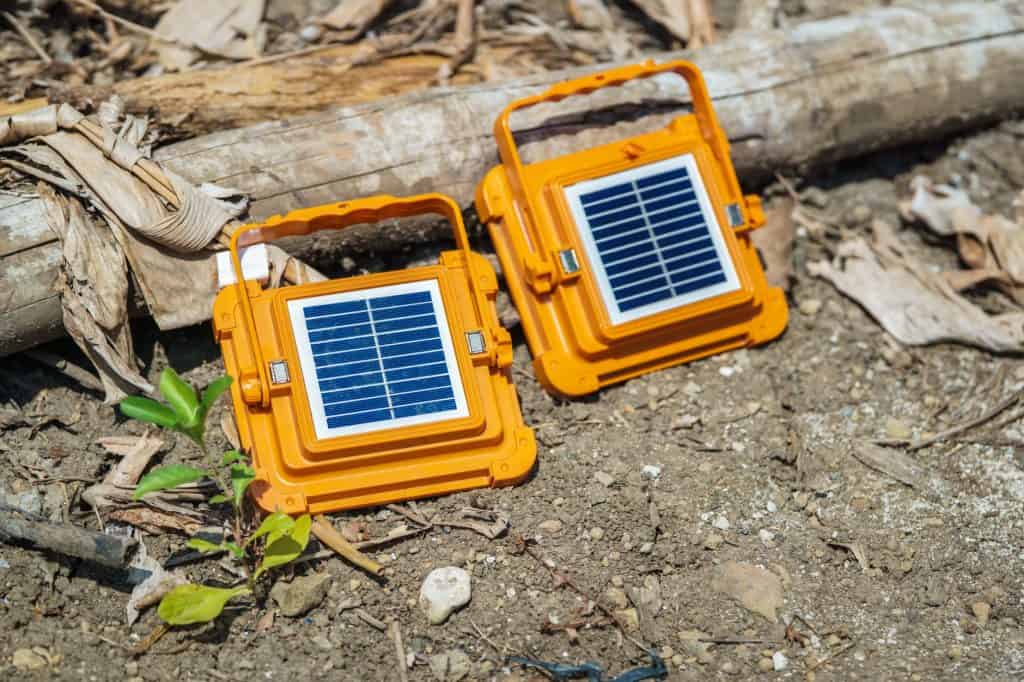
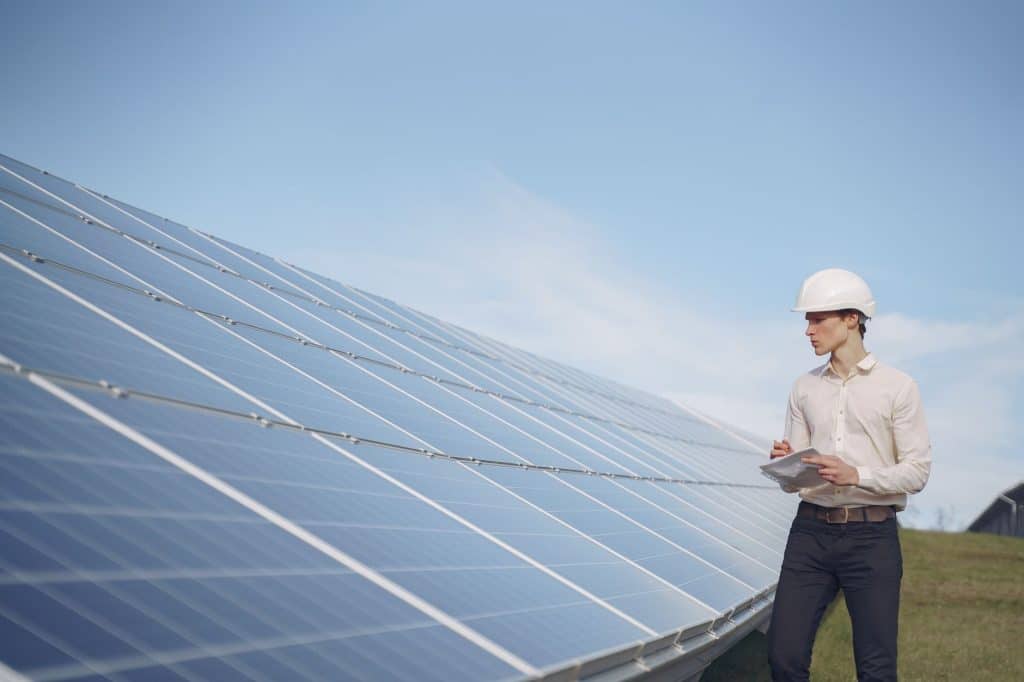
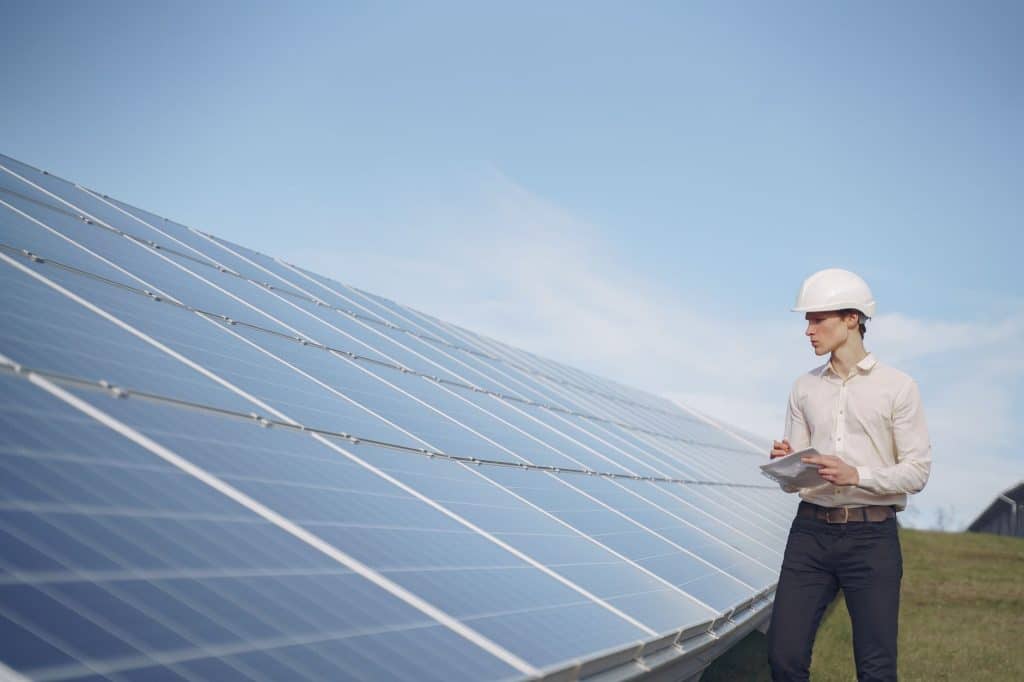
The typical projects funded via Trine range from small to medium-scale interventions, such as off-grid solar power systems for underserved communities in Sub-Saharan Africa or microgrid expansions in Southeast Asia. These projects target not only renewable energy generation but also economic development by improving energy access in areas characterized by unreliable electricity supply. For example, solar fotowoltaiczny installations financed by the platform often provide power for households and small businesses, thereby enabling local income generation and poverty alleviation alongside environmental benefits.
Aligned with international climate commitments such as the Paris Agreement, Trine supports projects vetted for quantifiable environmental benefits, including estimated greenhouse gas (GHG) emission reductions measured in tons of CO2 equivalent avoided annually. By transparently linking capital deployment to these outcomes, the platform integrates impact reporting as a core element of its sustainable finance proposition.
How Investor Participation Works on the Trine Platform
Investor engagement on the Trine crowdfunding platform follows a structured, regulatory-compliant process to ensure platform security and investor protection under ECSPR. Prospective investors first register accounts, submitting personal identification and financial documentation. The platform conducts Know Your Customer (KYC) verification and applies the ECSPR’s non-sophisticated investor test designed to assess each participant’s risk tolerance, investment experience, and financial knowledge before allowing investment.
- Registration and Verification: Investors complete identity verification via official documents (passport or government-issued ID), submit proof of address, and answer questionnaires for suitability assessment under European crowdfunding regulations effective from 2023.
- Investment Minimums and Fees: Minimum investment amounts on Trine typically start at €300 per project, varying by investor type and project location. Platform service fees, generally ranging from 1% to 3% of the invested amount, and possible currency conversion fees are transparently disclosed during investment finalisation.
- Investment Tracking and Impact Reporting: Trine offers an online dashboard with real-time tracking of investor portfolios, including fund allocation status, cumulative kilowatt-hours generated by projects, and environmental impact metrics such as tons of CO2 emissions avoided. Periodic impact reports, usually published quarterly, provide verified data supporting ongoing stakeholder engagement and transparency.
The platform’s regulatory compliance includes providing a Key Information Investor Sheet (KIIS) before any financial commitment, detailing project-specific investment risks and expected returns. Additionally, investors benefit from a statutory four-day reflection period post-investment during which funds can be withdrawn without penalty, improving financial inclusion and user confidence.
Evaluating Project Vetting and Due Diligence by Trine
Project vetting on the Trine platform involves a comprehensive due diligence framework encompassing financial analysis, environmental assessment, and risk evaluation. This process ensures that green energy crowdfunding targets projects with sustainable economics and measurable social impact.
- Financial Analysis: Detailed reviews of project business models, including cash flow projections, debt servicing capacity, and sensitivity analyses for variables such as energy prices and local tariffs, inform the forecast of sustainable investment returns over typical repayment periods ranging from 3 to 7 years.
- Environmental Benefits Evaluation: Environmental impact assessments calculate expected reductions in greenhouse gas emissions based on local grid emission factors and energy generated. Verification methodologies follow internationally recognised protocols consistent with those used in the Verified Carbon Standard (VCS) or Gold Standard frameworks.
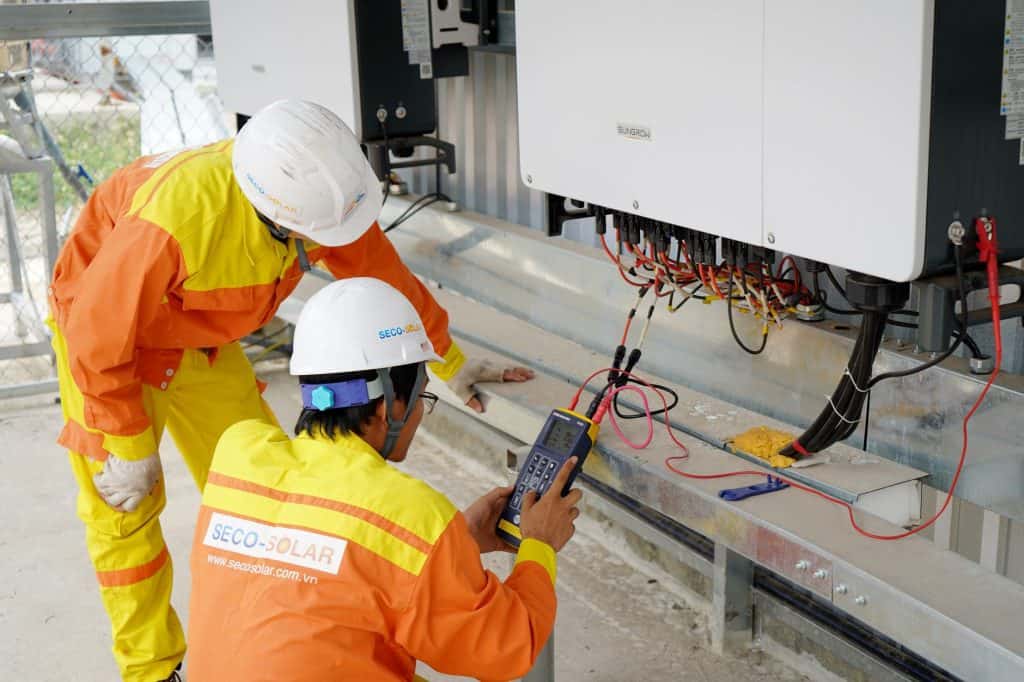
- Risk Assessment: Political risk analyses examine country-specific factors such as regulatory stability and currency convertibility, while operational risks include technology performance and maintenance assurance. Project owners’ creditworthiness is appraised through third-party credit checks and historical performance reviews.
Trine documents critical risk factors alongside project profiles to enable investor understanding of economic development implications and project viability. This approach contrasts with traditional infrastructure financing, where transparency on project risks and community engagement may be limited.
The due diligence checklist integrates qualitative inputs from project owners, environmental consultancy reports, and financial modelling, ensuring thorough scrutiny prior to crowdfunding campaign launch and thereby supporting investor protection and platform credibility.
Key Risks and Investor Protections When Using the Trine Platform
Investment risks intrinsic to renewable energy crowdfunding through platforms like Trine include technology underperformance, construction delays, policy shifts, currency fluctuations, and geopolitical events that may impact project finance structures or operational continuity.
Trine mitigates these risks using multiple mechanisms:
- Escrow Accounts and Credit Assessment: Investor funds are deposited in segregated escrow accounts, with disbursement linked to verified project milestones such as equipment delivery and commissioning. This release schedule reduces premature capital exposure. Credit assessments of project owners include evaluations of repayment track record and balance sheet strength.
- Diversified Investment Portfolio: The platform encourages investors to allocate capital across a portfolio of projects, thereby lowering idiosyncratic risks linked to single projects or geographic regions. Portfolio tools support diversification analysis aligned with investor risk appetite.
- Regulatory Safeguards: Under the ESMA ECSP regulatory framework, investor protections include conducting suitability tests, offering standardized risk disclosures in the KIIS, enforcing a four-day cooling-off period, and imposing limits on the total investment amount for non-professional investors to prevent excessive risk exposure.
Despite these measures, retail investors without financial sophistication remain exposed to renewable energy investment volatility. Educating investors on reading detailed risk disclosures, understanding fund allocation mechanics, and conducting project evaluation is essential to maintaining financial inclusion and informed decision-making.
How Trine’s Fundraising Campaigns Engage Communities and Drive Social Impact
Trine’s fundraising campaigns integrate financial capital mobilisation with community engagement and social impact delivery. Typically, campaigns exceed €500,000 in capital raised by attracting a diverse array of global investors aligned with eco-friendly investments and green energy expansion.
Impact reporting is structured as a continuous feedback loop providing evidence across key social and environmental dimensions:
- Enhanced electricity access measured by the number of households and small enterprises connected or served, quantified by beneficiary counts and energy consumption data.
- Carbon emissions reductions reported in metric tons of CO2 equivalent avoided relative to baseline fossil fuel usage, verified by independent auditors.
- Creation of local employment opportunities, both temporary during construction phases and permanent for operations and maintenance, documented via labor statistics from project owners.
Stakeholder engagement extends beyond investors to include project owners, local communities, NGOs, and advocacy groups. These interactions promote transparency, encourage broader crowd participation, and reinforce the social license of projects. This community-based online fundraising model complements financial returns with measurable social impact, thus enhancing the overall sustainability of the funding model.
Comparing Trine Crowdfunding to Community-Based Solar Ownership Models
The Trine crowdfunding platform facilitates third-party capital investment in distributed renewable energy projects, whereas community-based models like Solar Plus Garden incorporate direct investor participation combined with local agrivoltaic concepts.
- Membership Fees and Investor Control: Solar Plus Garden requires a €200 one-time Garden membership fee and optional €20 monthly garden box subscriptions, granting access to investment returns from a 10 MW solar power plant alongside fresh local produce deliveries. This model provides investors direct influence through legally defined governance and transparent fund allocation mechanisms.
- Transparency and Legal Structure: Solar Plus Garden operates via a clear legal framework separating an Estonian OÜ owning and managing the solar assets from a Serbian DOO administering the garden community, ensuring no ambiguous escrow-like or unregulated fund handling. This dual-entity approach promotes clarity in regulatory compliance and investment security.
- Zaangażowanie społeczności: Unlike Trine’s crowdfunding focus on financial returns and impact reporting, Solar Plus Garden integrates agricultural activities into the energy investment model. Up to 3,000 community garden plots offer investors participative benefits from fresh food production linked to agrivoltaic technology, blending environmental, economic development, and social impact in one platform.
Investors must consider these structural differences: Trine may suit those seeking diversified impact investing across multiple projects with limited administrative involvement, while Solar Plus Garden appeals to those prioritizing local participation, transparent governance, and a tangible connection to community benefits beyond traditional investment returns.
Practical Steps for New Investors Considering the Trine Crowdfunding Platform
Prospective investors aiming to engage with Trine’s renewable energy crowdfunding platform should adhere to the following sequenced steps to ensure regulatory compliance and informed decision-making:
- Sign Up: Register an account on Trine’s website, submit required identification documents including government-issued photo ID and proof of address to complete KYC verification within approximately 48 hours.
- Investor Suitability Checks: Complete the ECSPR-mandated non-sophisticated investor test, which assesses financial literacy and risk tolerance to categorize investor risk profiles before enabling access to investment tiers.
- Evaluate Projects: Access available green energy projects, primarily solar and wind installations, reviewing detailed Key Information Investor Sheets (KIIS) that present comprehensive data on project vetting outcomes, environmental benefits, investment risks, and contractual terms.
- Make Investments: Allocate funds on a per-project basis, mindful of minimum investment thresholds (typically starting at €300) and encourage diversification across projects to manage overall portfolio risk and optimize investment returns.
- Monitor Results: Utilize the platform’s user interface to track investment portfolio status, observe fund allocation and disbursement, and review quarterly impact reporting metrics. Investors can exercise the statutory four-day cooling-off period to withdraw investments if necessary.
Investors are advised to regularly verify Trine’s regulatory authorisation status on official European registers and use customer service channels for clarification concerning platform fees, security protocols, and user experience to maintain confidence in ongoing participation.
Często zadawane pytania
- What types of renewable energy projects can I invest in through the Trine crowdfunding platform?
- Trine primarily finances solar photovoltaic and wind energy projects designed to increase energy access and reduce carbon emissions in both emerging and developed economies. Projects often include off-grid solar home systems and microgrid expansions validated for environmental benefits.
- Are there minimum investment amounts or fees when using Trine for crowdfunding?
- Minimum investments generally start around €300 per project but can vary by investor status and project specifics. Fees may include platform service charges ranging from 1% to 3% of invested capital and currency conversion fees, all disclosed upfront prior to investment.
- How does Trine ensure that projects listed are financially viable and environmentally beneficial?
- Trine applies a rigorous due diligence process involving financial modelling, risk assessments, environmental impact quantification aligned with standards like the Verified Carbon Standard (VCS), and third-party validations before projects are approved for crowdfunding.
- What investor protections does the Trine platform provide under European regulations?
- Operating under the ESMA ECSP register, Trine complies with investor protection measures including issuance of a Key Information Investor Sheet (KIIS), implementation of a four-day cooling-off period, mandatory suitability assessments, and investment limits for retail investors, enhancing transparency and platform security.
Wniosek
The Trine crowdfunding platform presents a regulated, transparent avenue for impact investing in renewable energy projects focusing on solar and wind technologies. Investors gain access to community-funded green energy initiatives with measurable environmental benefits and social impact, supported by structured project vetting and transparent impact reporting under the ECSPR framework.
Thorough due diligence on project evaluation, understanding of specific investment risks, and use of regulatory investor protections are essential to maximizing financial returns and social benefits. Compared to community-based solar ownership models such as Solar Plus Garden, which integrate agrivoltaics and local stakeholder governance, Trine favors portfolio diversification and indirect community participation.
Choosing between a third-party crowdfunding platform and a community ownership approach depends on the investor’s priorities regarding investment returns, risk tolerance, desire for stakeholder engagement, and transparency expectations. Careful consideration of these parameters ensures alignment with personal financial and social objectives in the evolving landscape of sustainable finance and renewable energy investment.
Jesteś zainteresowany współwłasnością elektrowni słonecznej?
Solar Plus Garden is building a 10 MW agrivoltaic plant in Serbia with direct co-ownership for its members. If a platform like Trine caught your attention, leave your email below: we will send you the investor overview (PDF) and add you to the waiting list. No obligation, no spam.
Wolisz aplikować bezpośrednio? Przejdź do formularza „Dołącz teraz” →