









Building a Skilled Solar Workforce: Essential Strategies for Solar Workforce Development in Clean Energy
Understanding the Scope of Solar Workforce Development in 2026
Solar workforce development comprises targeted job training, certification, and career advancement adapted to the technical and operational demands of the solar energy industry. It involves preparing personnel for tasks ranging from fotowoltaiczny system installation and maintenance to agrivoltaic integration and community engagement. In the context of the Solar Plus Garden 10 MW solar plant coupled with agrivoltaic systems projected for 2026-2027, workforce development must address this dual-use complexity to maintain operational efficiency and support regenerative agriculture.
The multifaceted nature of this project requires a broad skill set, combining traditional solar installation expertise with agronomy knowledge and community-oriented communication skills. Thus, the energy workforce extends beyond electrical technicians to include specialists versed in solar panel calibration alongside soil management and crop growth under solar arrays.
Employment opportunities for renewable energy professionals, including solar workforce roles, are expected to expand annually by approximately 6% to 9% in Europe based on regional labor market analyses. Serbia’s market shows steady growth aligned with its expanding renewable energy policies and infrastructure deployments. This trajectory creates a sustained demand for technically qualified installers, field maintenance technicians, agrivoltaic specialists, project managers, and community coordinators essential for operating integrated solar-agricultural sites.
Key Solar Training Providers and Programs Shaping the Energy Workforce
Effective solar training providers must adhere to accreditation standards that ensure curricula encompass practical skills, regulatory compliance, and up-to-date technology. The Interstate Renewable Energy Council (IREC) certification serves as a critical benchmark, evaluating organizations on instructor credentials, curriculum comprehensiveness, assessment rigor, and student outcomes.
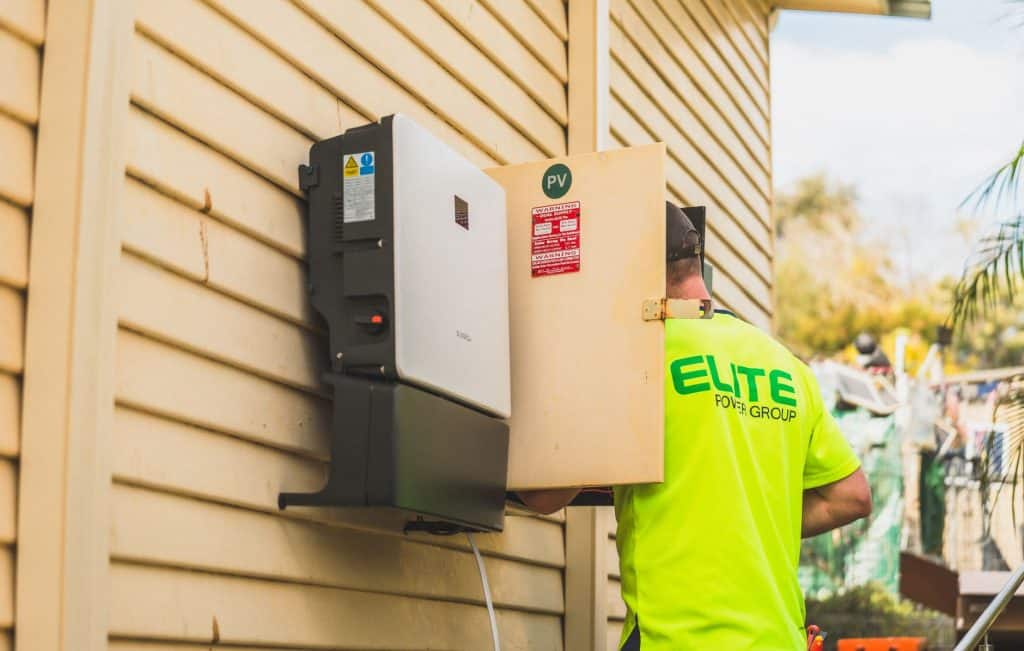
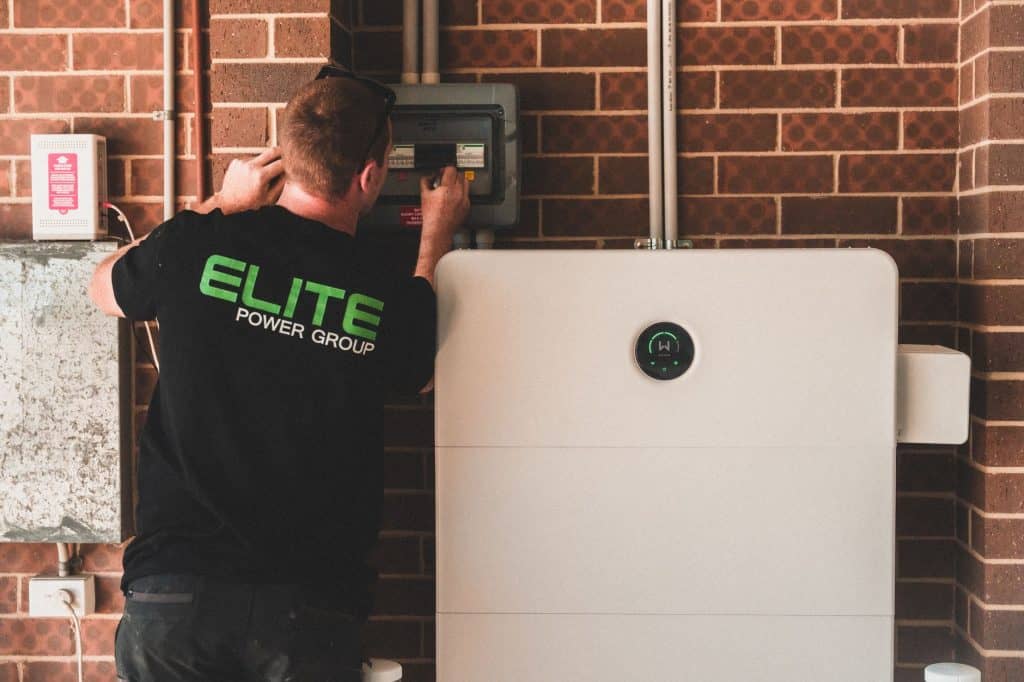
Community colleges and specialized training organizations act as primary sources for solar training, often delivering programs combining classroom instruction with on-site lab experience. These programs typically follow a structured pathway including modules on photovoltaic (PV) system design, electrical wiring, inverter configuration, and safety protocols compliant with latest national electrical safety codes and EU directives.
IREC-certified training organizations employ competency-based assessment models, requiring trainees to demonstrate field proficiency alongside theoretical knowledge prior to certification. Apprenticeship programs combine 500 to 1,000 hours of supervised fieldwork over 6 to 12 months with classroom hours, aligning with criteria for journeyman electrician licensing in relevant jurisdictions.
Certified short courses offered range from introductory 40-hour solar fundamentals to advanced 120-hour system commissioning and troubleshooting courses tailored for workforce upskilling. Providers typically update curricula annually to reflect rapid technological advances such as bifacial modules and new inverter standards, ensuring alignment with current industry practices and regional certification requirements.
Integrating Solar Workforce Training with Solar Plus Garden’s 10 MW Solar Project
Solar Plus Garden embeds solar workforce development as a core component of its operational and investment framework. Revenues generated from solar energy sales and członkostwo w społeczności feed into a designated rachunek powierniczy that finances ongoing training programs, governance, and community activities. This funding mechanism is governed by a transparent payment flow model with monthly reconciliations and independent audits conducted biannually.
Membership fees include a structured allotment—approximately 30% of the €200 one-time fee and recurring Skrzynka ogrodowa fees—earmarked for workforce training and community engagement initiatives. This financial design ensures alignment of investor interests with the project’s social and technical development goals.
Investors and community members engage with workforce development pathways from project onboarding through continuous participation. Training milestones, such as completion of basic PV installation certification or agrivoltaic system operation modules, are integrated into member communications and incentivized within the membership model to maintain a skilled local labor pool supporting the 10 MW plant’s lifecycle needs.
Job Training Curricula Tailored to Renewable Energy and Agrivoltaics
Training curricula developed for workforce development address the combined needs of renewable energy technologies and agrivoltaics, reflecting the Solar Plus Garden project’s integrated approach. Core technical modules cover PV panel electrical system design including DC and AC wiring, inverter programming, string monitoring, and system diagnostics using tools like IV curve tracers and thermal imaging cameras.
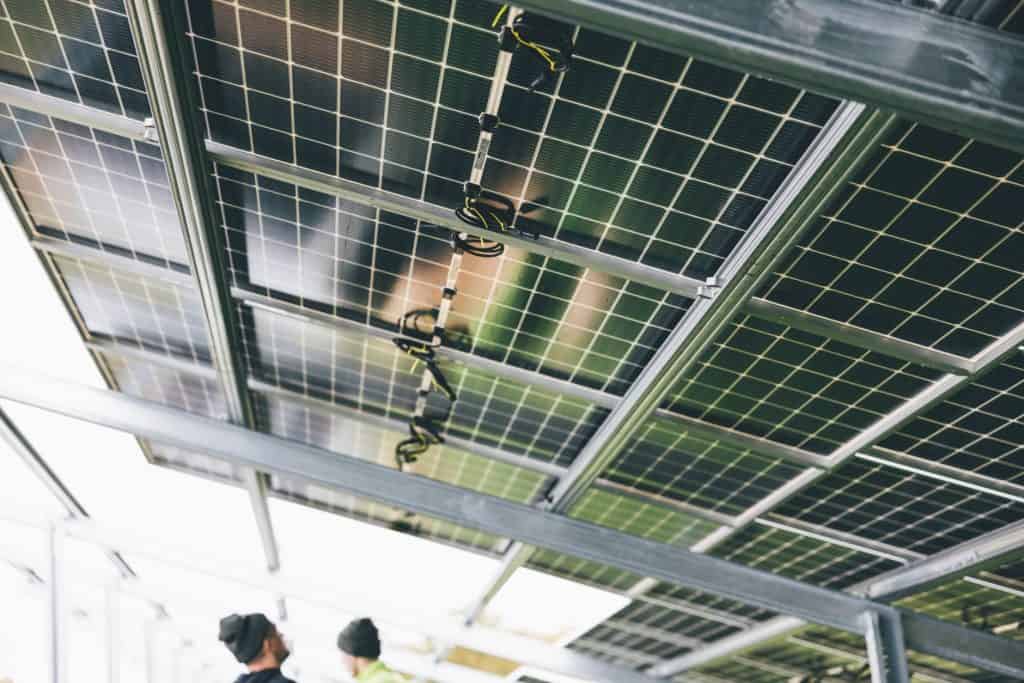
Agrivoltaic-specific coursework introduces dual land-use management practices, covering crop selection compatible with shading effects, soil moisture monitoring, pest management under solar arrays, and agronomic impact assessments. Trainees learn to apply photovoltaic system configurations that optimize both energy yield and agricultural productivity, adapting solar panel tilt and spacing accordingly.
Regulatory components encompass compliance with EU directives such as the Renewable Energy Directive (RED III) and occupational safety laws including the European Framework Directive 89/391/EEC. Curricula incorporate installation standards like IEC 62446 for PV system documentation and local licensing requirements from Estonian and Serbian electrical safety authorities, ensuring graduates hold qualifications needed for legal operation and maintenance roles.
A typical module sequence begins with theoretical lessons on electrical principles and agronomy fundamentals, followed by hands-on lab work involving panel mounting, wiring, inverter calibration, and agrivoltaic land-use simulations. The final phase includes field-site practicum lasting 2 to 4 weeks, supervised by certified trainers, with assessments encompassing operational proficiency and environmental compliance.
Community Colleges and Local Training Organizations: Catalysts for Regional Solar Workforce Growth
Within the operational zones surrounding Solar Plus Garden’s sites in Estonia and Serbia, approximately 12 community colleges and local training organizations deliver accredited solar training programs annually enrolling between 300 and 500 students. These institutions provide role-specific pathways including entry-level PV installation, advanced maintenance technician certifications, and agrivoltaic system management courses compliant with IREC and local accreditation boards.
Partnerships between project developers and these educational bodies involve co-development of curricula customized to regional solar technology deployment and labor market needs. For instance, specific courses integrate project design parameters and equipment standards used in Solar Plus Garden’s 10 MW plant, enabling graduates to transition directly into field positions with minimal onboarding.
Data from program administrations indicate job placement rates ranging from 70% to 85% within six months post-graduation, verified through employment surveys and engagement with regional energy employers. These outcomes support local economic development goals and supply a skilled labor pool congruent with the clean energy sector’s projected growth trajectory through 2027.
Sustainability and Long-Term Workforce Development in Solar Projects
Solar Plus Garden’s governance includes a multi-stakeholder oversight committee comprising investor representatives, community members, and project managers, meeting quarterly to review workforce development budgets and program progress. This committee operates under formal charters with fiduciary duties to ensure training funds sourced from membership fees and solar revenue sales remain dedicated exclusively to workforce and community development.
The escrow account model safeguards financial flows, with monthly contributions drawn proportionally from solar energy sales revenue and membership fees. Funds disbursed support ongoing job training organizations, curriculum updates, and technician certification renewals. External auditors conduct biannual reviews to verify compliance and prevent misallocation.
Long-term workforce sustainability relies on iterative feedback loops from field performance data and community input, adjusting training modules and capacity-building initiatives to evolving technology standards and regulatory updates. This systematic approach ensures a continuous pipeline of qualified workers prepared for emerging solar futures, maintaining operational continuity and socio-economic benefits.
Emerging Trends in Solar Workforce Development to Watch Through 2027
Advancements in digital learning platforms, including AI copilots such as Notion AI integrated within Solar Plus Garden’s training management system, enable personalized curriculum delivery and real-time skill tracking. These platforms facilitate adaptive training pathways that respond dynamically to individual trainee progress and emerging technology adoption rates.
Curricular expansion in agrivoltaics corresponds with increased global deployment, requiring workforce development programs to scale expertise in dual land-use design, sensor-based environmental monitoring, and data-driven agronomic optimization.
Anticipated regulatory developments within the EU, including updates to RED III implementation and related staff competency standards, will likely raise qualification thresholds for installation and operational personnel. Training providers and job training organizations are adapting by introducing new certification levels emphasizing system interoperability, cybersecurity in solar inverter management, and sustainability metrics reporting.
Additionally, data analytics are becoming central to workforce planning, allowing predictive modeling of labor demand aligning with projected solar capacity expansions regionally. This enables training organizations to optimize course offerings and resource allocation, ensuring readiness for solar futures characterized by technological diversification and grid integration challenges.
Często zadawane pytania
- What qualifications should I look for in a solar workforce training provider?
- Seek providers accredited by recognized standards like IREC certification, offering solar training curricula aligned with local electrical safety codes, EU directives such as RED III, and practical skill development for photovoltaic system installation, operation, and maintenance.
- How does Solar Plus Garden support workforce training through its investment model?
- Solar Plus Garden allocates a defined percentage of membership fees and solar revenue into a transparent escrow fund dedicated to financing continuous workforce development initiatives, managed and audited under formal governance protocols.
- Are there examples of successful community college programs for solar job training in the region?
- Yes, numerous community colleges within 100 km of Solar Plus Garden’s project sites provide accredited solar training programs with documented job placement rates between 70% and 85%, supporting regional solar infrastructure staffing needs.
- What role does agrivoltaics play in solar workforce development?
- Agrivoltaics expands workforce requirements to include dual expertise in agriculture and solar technology, necessitating specialized training curricula on land-use integration, crop compatibility under shading regimes, and combined system maintenance essential for sustainable solar-community models.
Wniosek
Robust solar workforce development supporting Solar Plus Garden’s 10 MW project necessitates collaboration with certified training providers, leveraging regional community colleges, and embedding agrivoltaic expertise into curricula. Transparent governance and dedicated funding through escrow models ensure sustainability and accountability. Continuous adaptation to regulatory changes and market dynamics will be critical for aligning workforce capabilities with evolving solar futures.