







Mastering the Solar Sales Process: Detailed Guide to Closing More Deals and Building Community Value
Defining the Solar Sales Process Within a Community-Driven Investment Model
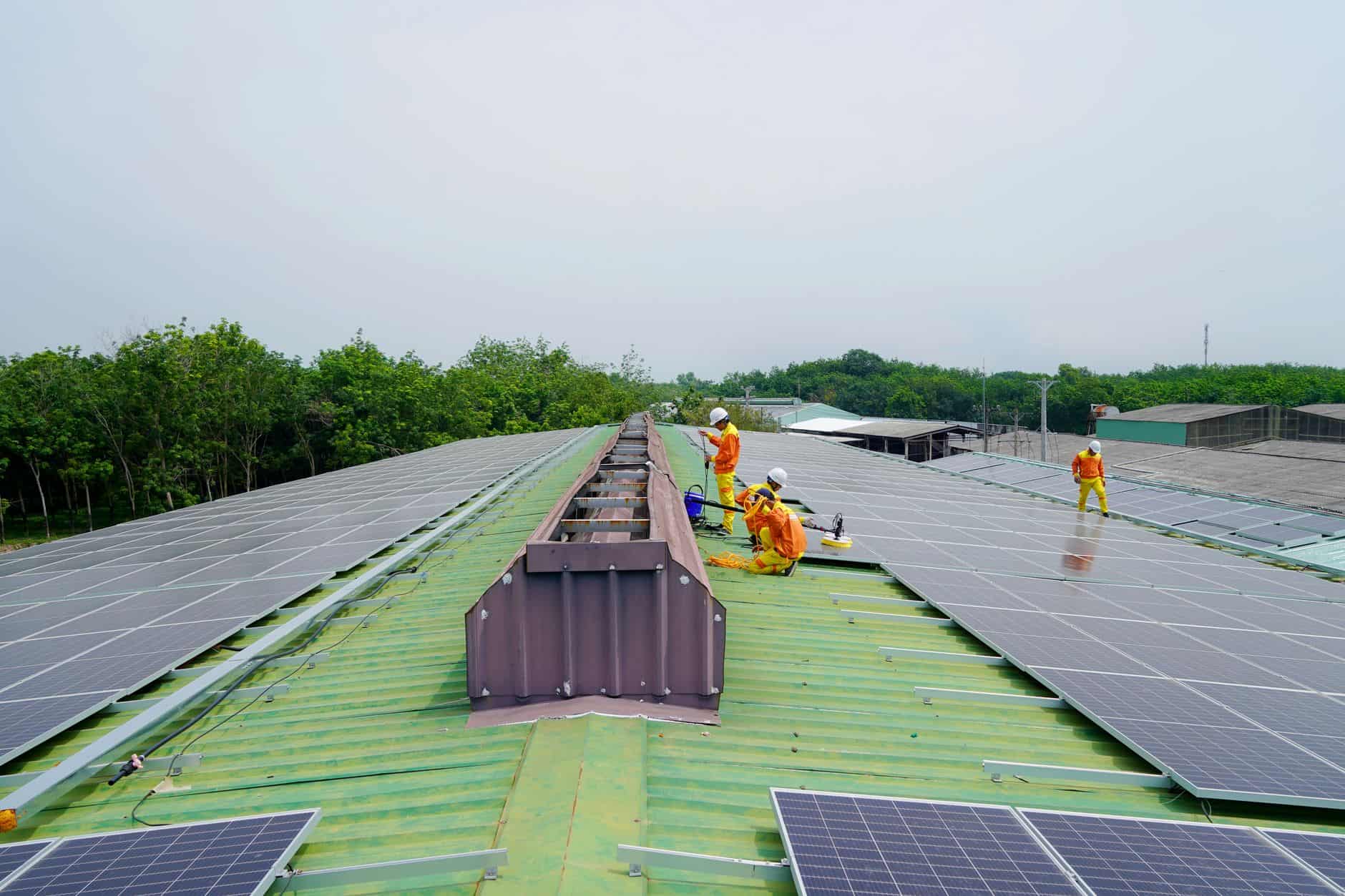
Ten solar sales process at Solar Plus Garden is structured around a 10 MW solar plant investment integrated with a distinct Członkostwo w ogrodzie community model. This dual offering combines financial participation in a large-scale solar system asset with regulated community access, creating multiple engagement pathways for homeowners, commercial entities, and individual investors.
Unlike traditional selling solar approaches that focus primarily on hardware procurement or electricity delivery agreements, Sales Plus Garden introduces a layered value proposition. The sales team must clearly differentiate between direct equity investment in the solar installation and membership participation funded via a separate fee. The membership fee finances community activities and infrastructure maintenance without conferring ownership in the solar plant.
This process operates under a compliant legal framework involving two entities: the solar plant is corporate-owned by an Estonian OÜ, responsible for asset management and power generation, while the Garden community is managed by a Serbian DOO, which holds exclusive operational rights to the membership and associated services. This segmentation supports a payment and escrow model where all investor funds are tracked, secured, and disbursed only under predefined governance rules, ensuring no unauthorized capital use.
Sales professionals emphasize transparency and build trust by framing investment opportunities within this regulated architecture, highlighting investor protection features, and clarifying legal relationships. This regulatory underpinning is crucial for investor confidence in both the solar project and członkostwo w społeczności.
Understanding Buyer Profiles: Residential and Commercial Solar Investors and Garden Members
Skuteczny solar lead generation I sales strategies at Solar Plus Garden require segmentation by buyer type and intent. Two core profiles emerge:
- Direct solar investors — usually residential solar end-users or small businesses — invest a minimum of €500 into the 10 MW solar plant for equity exposure. These buyers prioritize long-term returns linked to the solar system’s operational cash flow, considering investment risk, regulatory compliance, and project scale.
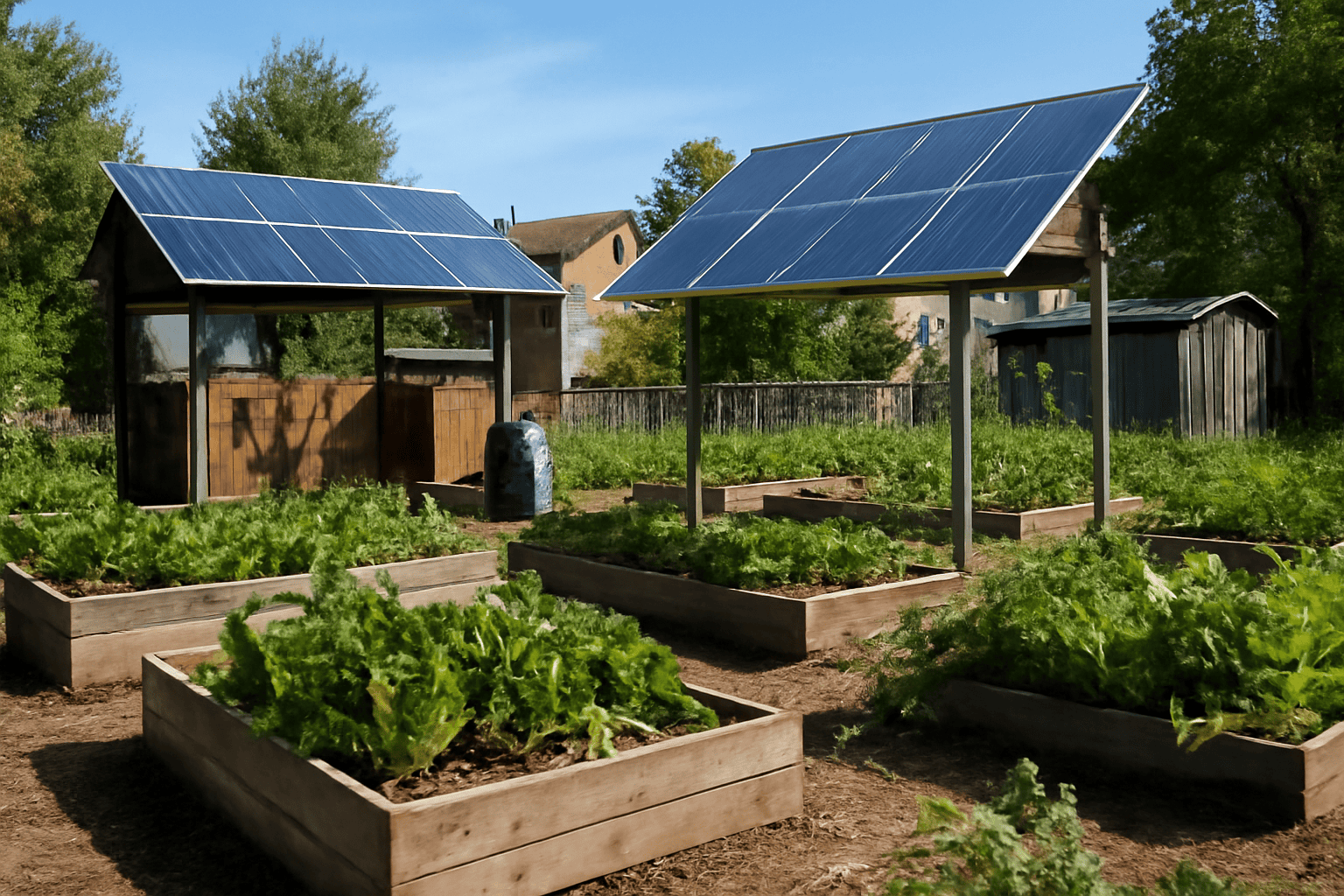
- Garden community members participate without direct solar asset ownership by paying a one-time €200 membership fee. Members optionally subscribe to a Garden box, a €20 monthly fresh vegetable delivery service with 18 annual shipments sourced from agrivoltaic plots. Community members value non-financial benefits including local food access and social engagement.
Within these groups, komercyjne panele słoneczne buyers typically evaluate investments based on corporate environmental policies and stakeholder engagement goals, while homeowners balance cost, local impact, and community connection. The Garden’s capacity cap at 3,000 parcels introduces scarcity that supports membership sales urgency, complemented by the manageable €500 equity threshold that broadens solar investment accessibility.
Investors with differing risk tolerance are guided accordingly: conservative buyers often prefer membership access for tangible benefits with limited financial exposure, while those with higher risk acceptance commit capital to the solar plant, absorbing equipment, project, and market variables inherent in clean energy investment.
Step-by-Step Solar Sales Process Tailored to Solar Plus Garden’s Dual Offering
Ten steps of the solar sales at Solar Plus Garden are adapted to the project’s unique structure, starting from a segmented solar lead generation approach targeting both equity and membership prospects via digital campaigns, industry events, and targeted affiliate outreach.
- Step 1: Lead Capture and Qualification – Leads enter via online forms or affiliate networks and are managed through an integrated CRM system that classifies interest by investment type (solar equity vs. Garden membership). Qualification involves immediate assessment of investor readiness, funding capacity, and risk profile.
- Step 2: Customized Sales Pitch Development – Based on buyer type, sales professionals deliver tailored solar sales pitches. For solar investors, emphasis is placed on the 10 MW plant’s technical specifics, regulatory compliance, and projected cash flow mechanisms. For community members, communication focuses on membership benefits, community governance, and agrivoltaic produce access.
- Step 3: Handling Objections – Sales teams prepare responses to common objections including investment risk, clarification on membership versus equity rights, solar project timelines, and regulatory structures, supported by up-to-date documentation and FAQs.
- Step 4: Closing the Sale – The closing the deal process includes executing KYC/KYB protocols to comply with AML regulations, contract signing, and receipt of payments into escrow accounts. This step ensures all financial transactions are secure and transparent.
- Step 5: Post-Sale Engagement – After closing, dedicated staff maintain regular followup through newsletters, dashboard updates on project progress, community events, and revenue distribution reports, underpinning customer satisfaction and repeat engagement.
Affiliate partners accelerate prospect acquisition through a structured four-step approval process completed within 48 hours, directly enhancing lead volume. The oversight embedded in payment and escrow controls ensures no fund dispersal without proper authorization, supporting transparent cycle completion.
Crafting a Solar Sales Pitch That Balances Technical Detail and Community Value
Ten solar sales pitch carefully integrates technical and community elements. It quantifies the 10 MW solar plant’s capacity in terms of expected annual generation rates (subject to solar irradiation levels and panel efficiency), contextualizing investor potential returns without promising fixed yields.
The pitch explains the dual revenue streams: solar-generated income funds investor returns and sustains Garden community activities separately. The Garden membership, distinct legally from solar equity investment, offers access to local agrivoltaic produce and community events as regulated benefits.
Compliance is maintained by avoiding guarantees, focusing instead on transparent, evidence-based financial models and referencing the governing legal structures (Estonian OÜ ownership and Serbian DOO Garden operations). Language is adjusted for residential solar sales versus commercial buyer profiles, emphasizing long-term sustainability and verified operational data.
Regular updates to pitch materials ensure alignment with evolving statutory requirements and operational milestones, enabling sales professionals to build trust and respond authoritatively to detailed inquiries.
Leveraging CRM Systems and Affiliate Networks for Efficient Solar Lead Generation and Management
Integrated CRM functionality underpins the entire solar sales process at Solar Plus Garden, ensuring systematic lead tracking and pipeline management. The system captures lead origin, qualification data, interaction history, and predicted conversion likelihood across distinct sales channels.
- Affiliate networks incentivize participant referrals with a 3% commission structure, expanding reach across diverse solar and community interest groups.
- Lead segregation within CRM enables differentiated sales strategies: investors receive financial-focused communications while community leads engage with membership value content.
- Documented interactions facilitate timely and personalized followup, improving conversion rates and reinforcing investor confidence through responsiveness.
- Data privacy policies and regulatory standards govern CRM operations, particularly regarding KYC/KYB compliance for investor data, mitigating legal risk.
This CRM integration, combined with expedited affiliate approval workflows, creates a scalable, efficient lead pipeline management system critical for market growth and consistent deal closure.
Addressing Common Objections in Residential and Commercial Solar Sales
Objections routinely encountered include:
- Investment Risk: Sales professionals explain the safeguards built into the regulated investment structure, clarifying the absence of explicit return guarantees while emphasizing mechanisms like escrow-managed capital, legal separation of entities, and transparent reporting.
- Garden Membership vs. Solar Equity: Clear distinctions are drawn to prevent misconceptions about membership fees conferring investment rights or automated returns.
- Project Timelines and Regulations: Detailed timelines covering construction phases, commissioning, and expected revenue distribution schedules are shared, aligning expectations with the regulatory framework.
- Technical Issues: Questions about panel słoneczny types (generally monocrystalline modules with standard efficiencies), solar installation duration (typically planned over 6-9 months), and maintenance protocols are addressed with neutral facts and references to industry best practices.
- Community Value Financing: The pitch clarifies how solar income sustains community activities, enhancing both investment and social impact dimensions of value.
This factual, transparent communication model mitigates skepticism and enables sales professionals to handle objections confidently without overstating benefits or understating risks.
Optimizing the Post-Sale Process to Maximize Customer Satisfaction and Repeat Referrals
Ten post-sale process emphasizes transparent communication and ongoing relationship management to boost customer satisfaction and create a referral network essential for expanding the market footprint.
- Investors and members receive regular newsletters and access to a secure online platform dashboard with real-time updates on the solar plant’s construction status, energy production data, and financial distributions.
- Financial reporting details how revenues from the solar plant are allocated between investor returns and funding Garden community operations, linking financial performance with social outcomes.
- Structured feedback mechanisms encourage member input and participation, fostering community cohesion and long-term retention.
- Success stories and verified referral endorsements are documented and shared strategically to enhance inbound lead quality and volume.
- All communications comply with relevant securities regulations and data privacy laws, preserving investor confidence and legal compliance through continuous dialogue.
Measuring Success: KPIs and Reporting Metrics in Solar Plus Garden’s Sales and Community Model
Solar Plus Garden applies data-driven assessment of the solar sales process with precise Key Performance Indicators (KPIs) linked to both investment and membership components:
- Lead Conversion Rates are tracked separately for solar equity investors and Garden membership applicants, revealing channel effectiveness and informing targeted adjustments.
- Average Investor Ticket Size is monitored against the established €500 minimum, guiding personalized outreach and investor segmentation.
- Membership Retention Rates over rolling 12-month periods reflect community satisfaction and ongoing engagement with Garden offerings.
- Community Participation Metrics such as Garden box subscription uptake and satisfaction scores are analyzed to correlate tangible user experience with sales funnel success.
- Affiliate Program Performance is reviewed by comparing 3% commission payouts relative to lead volume and closed deals, enabling strategic network scaling decisions.
The fixed pricing structure (€200 one-time membership and €20 monthly Skrzynia ogrodowa) provides stable revenue metrics, which are integrated into forecasting models and operational dashboards. This structured approach enables continuous improvement and operational transparency.
Często zadawane pytania
What is the difference between investing in the solar plant and joining the Garden community?
Investing in the solar plant requires a minimum €500 financial commitment that provides equity exposure to the 10 MW clean energy project, with associated risks and potential returns derived from electricity sales. Joining the Garden community involves a one-time €200 membership fee granting access to community programs and optional fresh produce deliveries via a €20 monthly subscription, without direct equity participation.
W jaki sposób Solar Plus Garden zapewnia przejrzystość i kontrolę nad funduszami inwestorów?
Transparency is ensured through a legally enforced payment and escrow model segregating investor funds. The Estonian OÜ owns and manages the solar installation, while a separate Serbian DOO operates the Garden community. Controls prevent fund disbursement without oversight, maintaining security and regulatory compliance from fund receipt to deployment.
What kind of support is available during the solar sales process to close deals efficiently?
The sales process is supported by an integrated CRM for tracking leads and automating timely followup. An program partnerski offering a 3% commission expands lead sources. Sales professionals receive regular training and updated, investor-ready narratives tailored to address buyer profiles and enhance closing the sale success.
How does the post-sale engagement maintain investor satisfaction and encourage referrals?
Post-sale, investors receive systematic updates on project milestones and community developments. Transparent reporting on revenue flows and community financing strengthens perceived value. Investor testimonials and community participation serve as organic referral drivers, expanding the network and reducing acquisition cost.
In conclusion, mastering the solar sales process at Solar Plus Garden entails precise understanding of the dual solar investment and community membership model, deploying transparent communication backed by regulated legal and financial frameworks. Leveraging structured CRM workflows, affiliate networks, and detailed pitch development supports effective lead generation I closing the deal. A robust post-sale process focused on regular engagement and clear reporting sustains customer satisfaction and promotes ongoing growth aligned with evolving solar market dynamics and regulatory environments.