Ga direct naar de inhoud




Redactionele opmerking: dit is een onafhankelijk educatief overzicht. Solar Plus Garden is niet gelieerd aan, wordt niet onderschreven door en werkt niet samen met een van de bedrijven die in dit artikel worden genoemd. Tarieven, minimumbedragen en wettelijke details kunnen in de loop der tijd veranderen. Raadpleeg altijd de officiële pagina's van het platform voordat u investeert.
Agrivoltaics in France: Navigating the Legal Framework, Decree Specifications, and Successful Projects
Understanding Agrivoltaics and Its Emergence in France
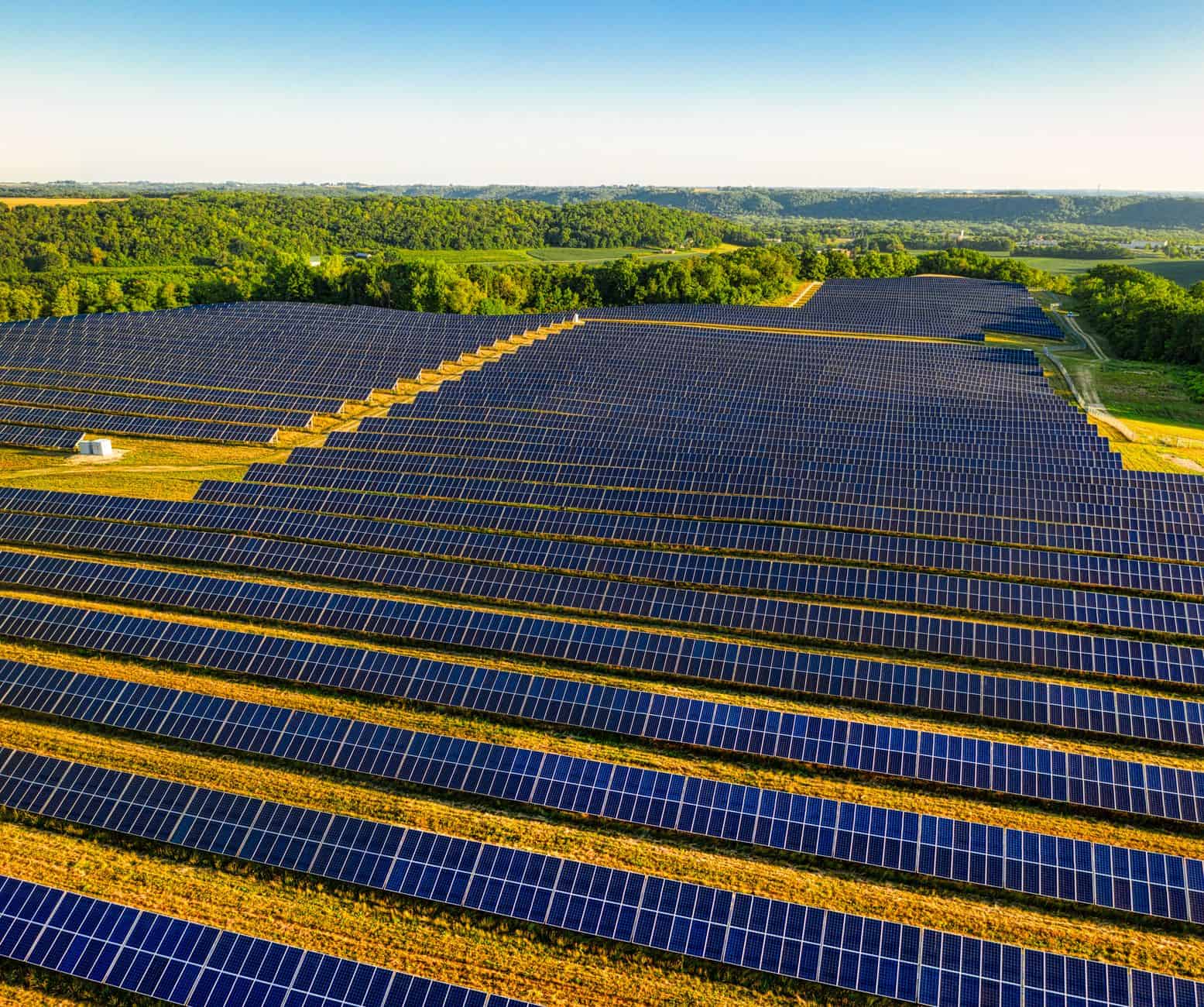
Agrivoltaïcisme, referred to in France as agrivoltaïsme, is the combined use of land to simultaneously produce fotovoltaïsch solar energy and cultivate crops. This integrated approach optimizes land use efficiency by co-locating solar panels with agricultural activities, contributing measurably to France’s energy transition and climate goals.
French agrivoltaic pilot projects emerged in the early 2020s, driven by the Ministry of Ecological Transition and research institutions validating technical feasibility and economic viability under local conditions. These pilots assessed system configurations, including panel height, tilt, and spacing, aligned with agricultural cycle requirements.
France’s national climate goals target a 40% reduction in greenhouse gas emissions by 2030 relative to 1990 levels and an increase of renewable energy’s share of final consumption to 33%. Agrivoltaics supports these targets by generating renewable solar electricity while maintaining or improving crop production.
The term agrivoltaïsme records an average monthly search volume of approximately 2,400, indicating growing public and stakeholder interest in the technology, regulatory updates, and investment opportunities.
The French Agrivoltaic Legal Framework: Laws Governing Land Use and Solar Energy Integration
French agrivoltaic projects operate at the intersection of land use and energy regulations defined by national laws and decrees. Key legislation includes the Energy Code (Code de l’énergie) and the Town Planning Code (Code de l’urbanisme), supplemented by specific decrees targeting renewable energy and agricultural land protection.
A principal legal instrument is decree n°202x-xxx, issued by the French government under the authority of the Ministry of Ecological Transition. This decree delineates agrivoltaic technical standards, environmental safeguards, and the permitting process, adapted specifically for installations on agricultural land.
Permitting differentiates agrivoltaics from conventional photovoltaic parks, particularly when sited within agricultural zones defined by the Communal Land Use Plans (Plan Local d’Urbanisme – PLU) or Regional Land Planning and Sustainable Development Schemes (Schéma régional d’aménagement, de développement durable et d’égalité des territoires – SRADDET).
- Applicants must submit detailed environmental impact studies addressing soil disturbance, biodiversity measures, and potential effects on local agriculture.
- Authorization procedures include consultation with agricultural chambers and local authorities to confirm land use compatibility and continuity of agricultural production.
- Installations within protected agricultural zones, such as Sites Naturels ou Protegés, face additional reviews under the Environmental Code and Natura 2000 network regulations.
Key Provisions and Requirements in the French Agrivoltaic Decree
Decree n°202x-xxx defines technical standards ensuring agrivoltaic photovoltaic systems harmonize with agriculture. These include:
- Panel Height: Photovoltaic panels must be mounted at a minimum height of 2.5 meters above ground level to allow unhindered movement of agricultural machinery and ensure minimal shadow footprint on crops.
- Solar Shading Limits: Solar shading must not exceed 30% of the cultivated surface beneath panels, measured by projected shade during peak sunlight hours between 10 a.m. and 4 p.m.
- Panel Orientation and Tilt: Panels are typically oriented southward with optimized tilt angles between 20° and 30°, balancing energy yield and light diffusion to crops.
Maintenance is mandated by renewable energy regulations and includes quarterly cleaning of panels to prevent dust accumulation and bi-annual structural integrity inspections. This preserves photovoltaic system efficiency and mitigates risks to soil and crop health caused by potential panel damage or soiling.
Grid connection under the decree follows procedures aligned with the French Electricity Transmission Network Code, requiring coordination with distribution system operators (Gestionnaire du Réseau de Distribution – GRD) and compliance with energy yield forecasting and metering standards.
Energy storage solutions, such as lithium-ion battery arrays or hydrogen production systems, are promoted to enhance grid stability and manage photovoltaic intermittency, particularly aligning electricity generation profiles with farming power demands.
The decree’s environmental provisions address:
- Biodiversity Preservation: Measures include leaving pollinator-friendly vegetation strips and preserving existing hedgerows to sustain local fauna.
- Soil Health Protection: Required practices involve minimizing soil compaction during installation, promoting agroforestry integration where suitable, and applying erosion control measures consistent with the French Technical Guide for Sustainable Soil Management.
Environmental and Economic Impacts of Agrivoltaic Projects in France
Agrivoltaic installations simultaneously generate renewable solar energy and facilitate crop production, contributing to a reduction in agricultural carbon footprint by offsetting fossil-based electricity consumption. The dual-use enhances rural development through diversified revenue streams for farmers and job creation within solar project operations and maintenance.
Field studies have measured microclimatic effects under photovoltaic arrays, showing temperature reductions of up to 3°C during summer peak periods, mitigating heat stress for temperature-sensitive crops such as lettuce and tomatoes. Such shading correlates with maintained or slightly improved yields when shading remains below the 30% threshold and local agronomic practices are adjusted accordingly.
- Energy yield from agrivoltaic photovoltaic systems typically achieves 80–90% of standalone solar park performance, adjusted for panel inclination and shading constraints.
- Crop yields under agrivoltaics show variability by species; cereals like wheat adapt well to partial shading, while root vegetables require more precise shading management.
The combined land productivity index, accounting for both electricity generation and crop output, increases up to 35% compared to separate land uses, demonstrating efficient resource utilization.
Government Incentives and Support Mechanisms for Agrivoltaic Implementation in France
The French government supports agrivoltaics through several investment incentives, coordinated under the national Energy Transition for Green Growth Act and administered via the Agence de l’Environnement et de la Maîtrise de l’Énergie (ADEME) En Fonds Chaleur. Key mechanisms include:
- Capital Subsidies: Competitive grants covering partial upfront costs, awarded based on project technical merit, agricultural impact, and anticipated carbon reduction.
- Feed-in Tariffs: Fixed tariffs guaranteed over 20 years under contracts signed with the grid operator, applicable to photovoltaic electricity generated by agrivoltaic systems meeting decree specifications.
- Tax Incentives: Accelerated depreciation schemes and reduced Value Added Tax (TVA) rates for qualifying solar equipment installed on agricultural land.
Additional regional aid supplements, often from regional councils or agricultural development funds, provide complementary financial or technical assistance targeted at agrivoltaic projects with strong rural development and biodiversity benefits.
Community involvement is promoted through cooperative models and citizen energy initiatives that integrate farmers and local stakeholders as shareholders or members of renewable energy cooperatives, enhancing public support and social license to operate.
All incentives are subject to periodic review aligned with evolving national energy policies and European Union directives, requiring project developers to verify current eligibility and compliance.
Implementation Challenges and Technical Considerations for Agrivoltaics in France
Developers encounter multiple challenges within the French agrivoltaic legal and technical landscape:
- Permitting Complexities: Obtaining planning authorization can extend over periods ranging from six months to over a year, especially when environmental impact assessments reveal sensitive habitats or when local agricultural stakeholders require consultation.
- Grid Connection Timing: Coordinating with GRDs involves multi-step applications, network capacity studies, and sometimes infrastructure upgrades, which can delay connection by several months beyond permitting completion.
- Solar System Design: Precision in photovoltaic system layout is necessary to maintain shading limits and facilitate farming equipment movement. This includes panel row spacing, orienting panels to minimize midday shading concentration, and adjusting tilt angles seasonally if feasible.
Soil health management integrates agroforestry principles where partial tree cover coexists with solar arrays, increasing biodiversity and enhancing soil organic matter over time. Avoiding soil compaction during installation and using non-invasive foundations, such as helical piles, reduces long-term adverse effects on soil structure.
Typical project timelines progress through sequential phases: initial feasibility study (1–3 months), permitting and environmental approval (6–12 months), technical engineering and procurement (3–6 months), construction (3–6 months), and commissioning followed by grid connection (1–3 months).
Case Studies: Successful Agrivoltaic Projects Showcasing French Innovations
Two illustrative agrivoltaic projects highlight practical implementations and outcomes within France:
- Project Alpha: A 5 MW agrivoltaic farm covering 50 hectares of mixed vegetable cultivation. Panels were mounted at 3 meters height, exceeding minimum requirements, allowing unrestricted farm machinery movement. Energy storage utilizing 1 MWh lithium-ion batteries was integrated, improving dispatchability. Local farmer cooperatives managed crop production, with the project achieving operational status 18 months after permitting commenced.
- Project Beta: A 3 MW pilot integrating viticulture and photovoltaic panels configured to maintain 25% solar shading. The project adhered strictly to decree n°202x-xxx technical standards and documented a 7% increase in grape quality metrics attributed to controlled microclimate effects. This installation contributed to village-level rural employment, supporting farm labor and solar maintenance roles.
Outcomes from these case studies include:
- Electricity generation closely matched forecasted energy yields based on simulation models considering shading and panel orientation.
- Crop yields maintained or improved relative to control sites without photovoltaic shading, validating the prescribed shading thresholds.
- Strong community involvement fostered knowledge sharing, helping streamline permitting for subsequent agrivoltaic projects in the region.
These projects illustrate scalable design principles and compliant permitting practices that serve as practical templates for future agrivoltaic initiatives across multiple French agricultural contexts.
Veelgestelde vragen
- What legal permissions are needed to start an agrivoltaic project in France?
- Developers must obtain planning permission under French law, including compliance with decree n°202x-xxx requirements, environmental impact assessments per the Environmental Code, and land use authorizations in line with local zoning (PLU or SRADDET). Consultation with local agricultural chambers and authorities is mandatory.
- How does agrivoltaics affect crop yields in French agricultural settings?
- Agrivoltaics modifies microclimates by providing partial shading, reducing solar radiation and heat stress. Depending on crop species and shading percentage (regulated at a maximum of 30%), yields are typically maintained or modestly improved. Seasonal climatic variations and management practices also influence outcomes.
- Are there financial incentives to support agrivoltaic systems in France?
- Yes, financial schemes include capital subsidies administered by ADEME, feed-in tariffs with predetermined rates for agrivoltaic-generated electricity, tax incentives on solar equipment, and regional grants. Incentive details and eligibility criteria change periodically in response to national energy policies.
- What technical standards must agrivoltaics comply with under French law?
- Decree n°202x-xxx mandates minimum PV panel height of 2.5 meters, maximum solar shading of 30% on crop areas, panel orientation southward with 20°–30° tilt, maintenance schedules, energy storage integration incentives, and coordinated grid connection per national renewable energy and electricity transmission codes.
Conclusie
Successful agrivoltaic project implementation in France depends on thorough understanding and adherence to the evolving regelgevingskader, including decree n°202x-xxx detailing technical standards, environmental impact measures, and permitting procedures. Considering investment incentives aligned with national and regional energy policy enhances project viability.
Technical considerations, such as managing zonwering, ensuring appropriate panel height, and maintaining bodemgezondheid through agroforestry and sustainable practices, are essential. Coordination with permitting authorities and grid operators early in the development timeline mitigates delays.
Gedocumenteerd case studies demonstrate that agrivoltaics can deliver tangible benefits in hernieuwbare energie production, agriculture, En rural development, reducing the carbon footprint while sustaining biodiversity. Ongoing monitoring of legal updates and photovoltaic technology advancements will remain critical as France advances its energy transition objectives through agrivoltaic innovations.
Geïnteresseerd in het mede-eigenaarschap van een zonne-energiecentrale?
Solar Plus Garden is building a 10 MW agrivoltaic plant in Serbia with direct co-ownership for its members. If a platform like Agrivoltaics In France: The Law, The Decree And Real Projects caught your attention, leave your email below: we will send you the investor overview (PDF) and add you to the waiting list. No obligation, no spam.
Liever direct solliciteren? Ga naar het aanmeldingsformulier →
Gerelateerde artikelen
- Het juridische kader voor investeringen in zonne-energie begrijpen: belangrijke aandachtspunten voor investeerders en ontwikkelaars
- Navigating Crowdfunding in Serbia: Legal Framework, Approved Platforms, and Key Limitations
- Het navigeren door de marktwaarde van zonne-energie-investeringen: waarderingsmethoden en financiële implicaties voor zonne-energieprojecten van 10 MW