










How to Successfully Grow Organic Tomatoes at Home: A Practical Guide
Selecting the Best Organic Tomato Varieties for Your Garden
Choosing between determinate or indeterminate tomato plants is a critical early decision when you plan to grow tomatoes at home organically. Determinate tomato plants grow to a fixed height, typically between 60 and 90 cm, and produce a concentrated fruit crop over 50 to 70 days after flowering. This makes them suitable for limited garden spaces or container gardening without extensive support structures. Indeterminate tomato varieties continue to grow vine length beyond 90 cm throughout the growing season, producing fruit continuously for 80 to 100+ days, and requiring staking or caging to support their longer, sprawling vines.
For organic gardeners, selecting the best varieties depends on balancing fruit quality, growth habit, disease resistance, and your local climate conditions, including average growing degree days (GDD) and season duration. Below is a detailed comparison of three determinate and three indeterminate organic tomato varieties well-suited for home cultivation based on maturation times and typical fruit weights:
- Determinate:
- Roma VF: A disease-resistant variety (resistant to Verticillium and Fusarium wilt) with plum-shaped fruit weighing 70-100 g, maturing approximately 60 days after transplanting.
- Celebrity: Known for robustness and moderate disease resistance (against TMV and Fusarium), producing round slicing fruit weighing 120-150 g, harvested around 70 days post-transplant.
- Patio Princess: Compact bush variety, suitable for containers, smaller fruit size 50-80 g, early ripening within 55-60 days under full sun conditions.
- Indeterminate:
- Brandywine: Large beefsteak fruit averaging 200-300 g, favored for rich flavor, with a fruiting period exceeding 90 days under temperate conditions.
- Cherry Cascade: Produces small cherry tomatoes (10-15 g), vigorous growth habit, continuous fruit set throughout 85-100+ days, suitable for vertical trellising.
- Green Zebra: Medium-sized striped fruit weighing 80-120 g, fruit maturation within 75-85 days, with ongoing production when supported properly.
Only purchase tomato seeds from suppliers certified by recognized organic standards such as USDA Organic or EU Organic Regulation 2018/848 to ensure compliance with organic certification and to reduce risk of contamination by synthetic treatments. Selecting seed varieties adapted to your local USDA Hardiness Zone or European Plant Hardiness Mapping will improve resilience against regional pests and climatic challenges. Choosing determinate or indeterminate vine types compatible with your available garden space and season length will maximize both yield and ease of tomato growing management.
Preparing Soil and Planting Organic Tomato Seeds Effectively
The best soil for growing organic tomatoes at home offers fertility, structure, and pH conditions optimized for nutrient uptake and root health. Soil testing for pH, texture, and organic matter content before planting is recommended. Aim for a soil pH in the range of 6.0 to 6.8, as this range maximizes availability of key nutrients such as phosphorus, potassium, and micronutrients.
Prepare garden beds or containers to a depth of at least 30 cm, ensuring loose, friable soil to facilitate root expansion and drainage. Follow this sequence:
- Remove weeds and surface debris to reduce competition and pest habitat.
- Till or fork the soil to loosen compacted layers, improving aeration.
- Incorporate 3-5 kg per square meter of fully composted organic matter such as leaf mold or well-rotted manure to enhance microbial activity and nutrient content.
- For container tomato growing, select an organic potting mix with a balanced ratio of peat, perlite, and compost to ensure moisture retention without waterlogging, with a target moisture content of 40-60%.
Timing seed sowing indoors is essential for transplant success. Sow tomato seeds 6-8 weeks before your area’s last frost date determined by local agricultural extension services. Maintain indoor germination temperatures between 21°C and 24°C for optimal sprouting, which typically occurs within 6-12 days. Provide a light source that ensures 14-16 hours of daily light to prevent leggy seedlings. Once seedlings develop 2-3 true leaves and outdoor temperatures stabilize above 10°C at night, gradually harden off plants over 7-10 days to prepare for transplanting.
Plant spacing affects airflow, disease control, and light exposure:
- Determinate varieties are effectively spaced at 45 to 60 cm apart, optimized for bush growth habit.
- Indeterminate plants require wider spacing of 75 to 90 cm to accommodate sprawling vines and prevent canopy overcrowding.
- When using cages or stakes, arrange plants to maintain at least 30 cm between support structures to facilitate pruning and harvesting.
Correct soil preparation, seed timing, and spacing establish the foundation to grow tomatoes at home with strong roots and vigorous growth.
Supporting Your Tomato Plants: Staking, Caging, and Managing Suckers
Proper physical support prevents tomato vines from lodging, minimizes fruit contact with soil, and enhances air circulation, which reduces fungal disease incidence. Choose one of these standard support methods:
- Staking: Use individual stakes made of biodegradable bamboo or sustainably sourced hardwood, installed adjacent to each plant at planting time. Stakes are typically 60-90 cm tall. Tie vines to stakes every 10-15 cm using soft garden twine or reusable clips starting when plants reach 30 cm in height.
- Caging: Metal or wire cages with diameters of 30-40 cm and heights of 60-90 cm can support determinate and smaller indeterminate plants. Choose cages with openings no wider than 10 cm to efficiently support branches while allowing access.
- Trellising: Vertical trellis systems using string or lattice frameworks are suited for indeterminate tomato plants in larger gardens. Train main shoots upward and prune side shoots, requiring periodic tying of the vine as it grows beyond 90 cm.
Regular sucker management improves airflow and directs plant energy toward fruit production. Suckers develop in the leaf axils between the main stem and branch, appearing as small shoots about 2-5 cm long. Begin pinching suckers 3 weeks after transplanting, removing these shoots weekly by hand or with sterilized pruning shears to avoid pathogen spread.
This controlled pruning promotes stronger vines, reduces foliage density that traps moisture, and decreases potential for tomato diseases such as early blight and powdery mildew, supporting healthier tomatoes at home.
Watering Practices for Optimal Organic Tomato Growth
Tomatoes must receive adequate water to sustain vegetative and fruit development. For organic tomato growing, target a water application of approximately 25 to 30 liters per square meter per week during peak growth periods (flowering through fruit set), increasing up to 35 liters if ambient temperatures exceed 30°C consistently over 7 days.
Water deeply at the base of plants once or twice per week rather than frequent shallow watering to encourage deep root penetration. Avoid overhead irrigation or overhead sprinklers to minimize leaf wetness duration to under 2 hours, reducing incidence of foliar fungal diseases such as tomato blight and powdery mildew.
Optimal watering windows occur during early morning hours (6-9 AM) to allow plant foliage to dry rapidly in sunlight and air circulation. Drip irrigation systems or precisely directed watering cans that deliver water to the rooting zone conserve water, reduce weeds, and maintain soil surface microbiome health.
Regularly monitor soil moisture at a 15-30 cm depth using tensiometers or a simple finger test to avoid water stress symptoms — wilting or leaf discoloration signals deficient moisture, while persistently saturated soil risks root rot and increased whitefly populations.
Organic Fertilizers and Pest Management for Healthy Tomato Plants
To maintain tomato plant health organically, apply nutrient inputs tailored for balanced growth: nitrogen (N), phosphorus (P), and potassium (K), along with micronutrients like calcium and magnesium essential for fruit quality and disease resistance.
Effective organic fertilizer inputs include:
- Compost teas: Brewed from mature compost, applied at 1 liter per plant every two weeks as foliar sprays or soil drenches to stimulate beneficial microbial populations and enhance nutrient availability.
- Fish emulsion: Offers an NPK ratio approximately 5-1-1, supporting vegetative growth; apply diluted according to manufacturer instructions, generally every 10-14 days during active growth.
- Rock phosphate: A mined mineral slow-release source of phosphorus, applied at approximately 100 g per square meter incorporated into soil pre-planting, essential for flower development and early fruit set.
Integrated Pest Management (IPM) practices reduce reliance on chemical pesticides and maintain compliance with organic standards like USDA and EU organic certification:
- Plant companion species such as basil, marigold, or nasturtiums near tomatoes to repel aphids, whiteflies, and other pests via volatile organic compounds.
- Apply neem oil or insecticidal soap at early detection of infestations, typically every 7-10 days during vulnerable stages; these products degrade rapidly and are allowed under organic certification when used properly.
- Regularly scout for pests, especially aphids (Aphis spp.) and tomato hornworm (Manduca quinquemaculata). Handpick hornworms promptly and remove leaves infested with eggs or larvae to interrupt pest lifecycle.
- Maintain plant vigor through balanced fertilization and watering regimes to heighten natural defense mechanisms against pest damage.
Following an IPM schedule that cycles through prevention, monitoring, intervention, and evaluation aligns with organic certification guidelines and effectively manages pest populations throughout the tomato growing season.
Maximizing Harvest: Managing the End of the Growing Season
The organic tomato growing season in temperate climates typically lasts between 90 and 120 days from transplant to last harvest, depending on local frost dates and varietal selection. To extend production at the end of the season and maximize harvest, take these steps starting 2-3 weeks before anticipated first frost:
- Prune lower leaves beginning at soil level and remove any yellowing or diseased foliage to reduce humidity around the plant base and limit fungal spread.
- Remove non-fruiting branches to concentrate plant resources on fruit ripening.
- Harvest ripe tomatoes daily to prevent fruit loss due to decay, insect damage, or cracking.
- Store ripe tomatoes at 12-15°C in shaded, ventilated areas to maintain firmness and flavor for 5-7 days post-harvest.
- Deploy row covers or garden cloches made from polyethylene or breathable fabric to protect plants from light frosts, extending fruit development by 1-2 weeks.
These end-of-season steps optimize fruit quality and calendar duration of tomato production in organic home gardens.
Integrating Organic Tomato Growing with Community Gardens and Solar-Powered Platforms
Models such as Solar Plus Garden combine renewable energy infrastructure with sustainable organic agriculture, providing a framework for community access to organic gardening supported by large-scale solar energy. Solar-powered irrigation systems installed at these community gardens use fotovoltaïsch arrays rated to support water pumps delivering up to 3,000 garden boxes with dependable water supply independent from local grid limitations.
Membership models enable individual growers and small-scale investors to join regulated, transparent platforms where a one-time fee (e.g., €200) grants access to an organic plot and participation in community activities sustained by solar income. Monthly fees (e.g., €20) cover additional services such as delivery of organic garden boxes with fresh produce, including tomatoes and other crops.
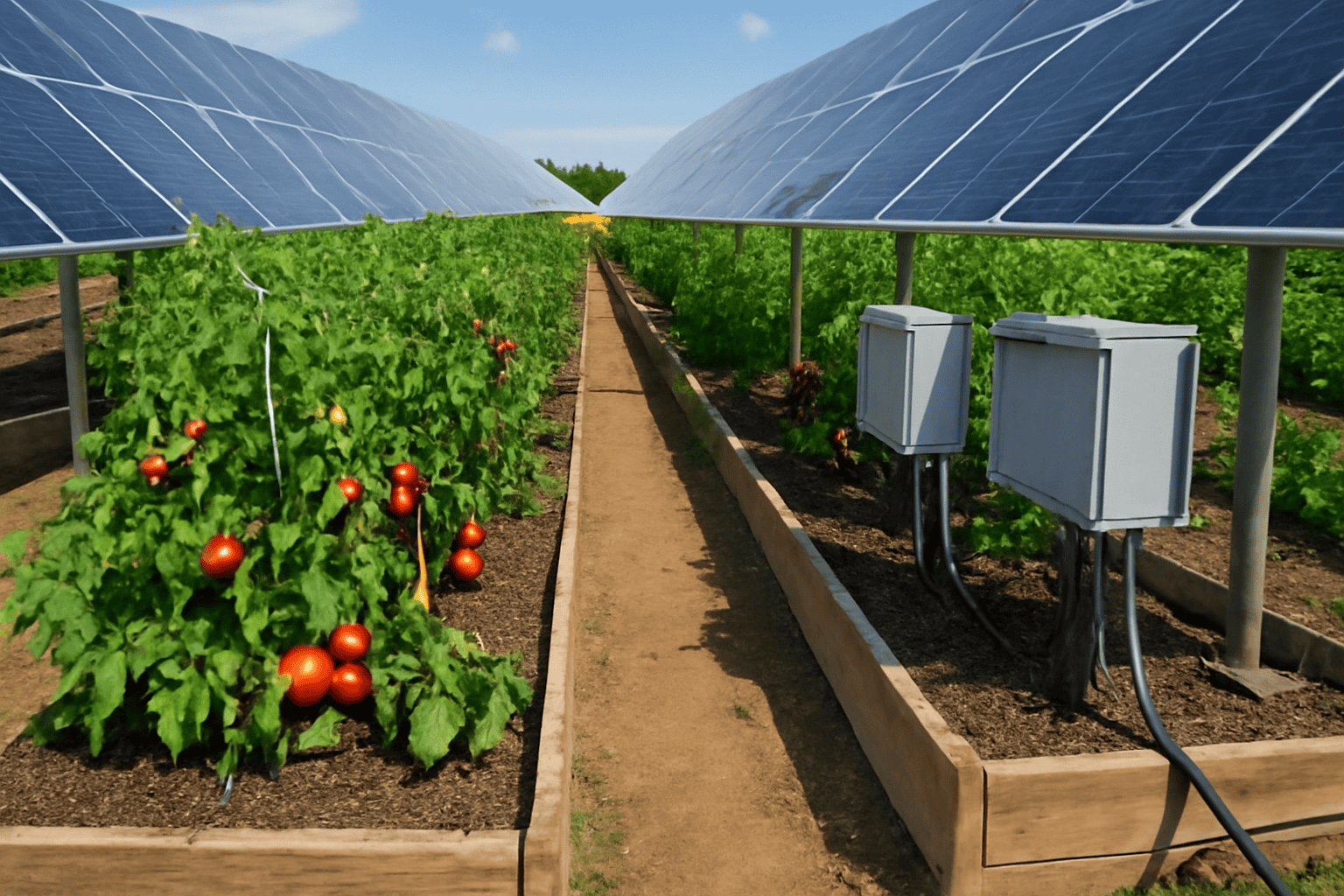
Agrivoltaic designs, combining solar arrays positioned 2.5 to 3 meters above garden beds, optimize land use by providing partial shading that moderates soil temperature and evaporation rates by up to 15% during peak summer, improving water use efficiency for tomato plants below.
Legal frameworks structured across Estonian OÜ and Serbian DOO entities ensure clear ownership, transparent escrow accounts for funds, and regulatory compliance, creating a reliable investment environment for small and medium investors participating in organic tomato growing community projects backed by clean energy.
Veelgestelde vragen
- What is the difference between determinate and indeterminate tomato plants for organic growing?
- Determinate tomato plants stop growing at a fixed height (60-90 cm) and produce all fruit within a 50-70 day window, making them suitable for small spaces and containers. Indeterminate plants grow continuously beyond 90 cm with a longer fruiting period of up to 100+ days and require staking or caging.
- How often should I water my organic tomato plants to avoid disease?
- Water deeply 1-2 times per week, providing 25-30 liters per square meter during peak development, ideally early in the morning. Avoid wetting leaves to reduce fungal infections.
- Can I grow organic tomatoes year-round at home?
- In temperate zones, the outdoor season runs 90-120 days. Year-round growing requires climate-controlled greenhouses or indoor hydroponic systems to maintain consistent temperatures and light.
- How does the Solar Plus Tuinlidmaatschap support organic tomato growing?
- Solar Plus Garden invests in solar energy to fund garden operations, enabling members to access organic gardening plots supported by clean energy infrastructure, combining sustainable farming with community benefits.
Conclusie
Successfully growing organic tomatoes at home requires selecting suitable determinate or indeterminate varieties aligned with your garden size and climate. Preparing the best soil with a balanced pH of 6.0-6.8, enriched with organic amendments at 3-5 kg/m², ensures optimal root health and nutrient availability.
Plant certified organic tomato seeds indoors 6-8 weeks before frost, space plants adequately following the vine type, and provide physical support through staking or caging. Pinch suckers weekly starting three weeks after transplanting to improve airflow and direct energy to fruiting.
Implement deep, infrequent watering of 25-30 liters per square meter per week, prioritize early morning irrigation, and avoid overhead watering to reduce foliar diseases. Use organic fertilizers like compost teas, fish emulsion, and rock phosphate alongside an IPM strategy including companion planting and manual pest control to maintain plant health.
At the end of the season, prune strategically, harvest daily, and protect plants with row covers to extend productivity. For growers seeking collective engagement, Solar Plus Garden offers a legally transparent and solar-powered platform supporting organic tomato growing integrated with community benefits.
Adjust these practices to your local microclimate, soil conditions, and resource availability to optimize yield and enjoy fresh, organic tomatoes at home throughout the growing season.
Gerelateerde artikelen
- Mastering Organic Mushroom Cultivation: A Practical Guide for Sustainable Mushroom Farming
- Investeer in projecten voor hernieuwbare energie: een praktische gids voor vooruitdenkende investeerders
- Investeer in projecten voor hernieuwbare energie: een praktische gids voor vastgoedeigenaren, ontwikkelaars en investeerders.