



How Solar Microgrids Empower Communities with Clean, Resilient Energy
Defining Solar Microgrids and Their Key Components
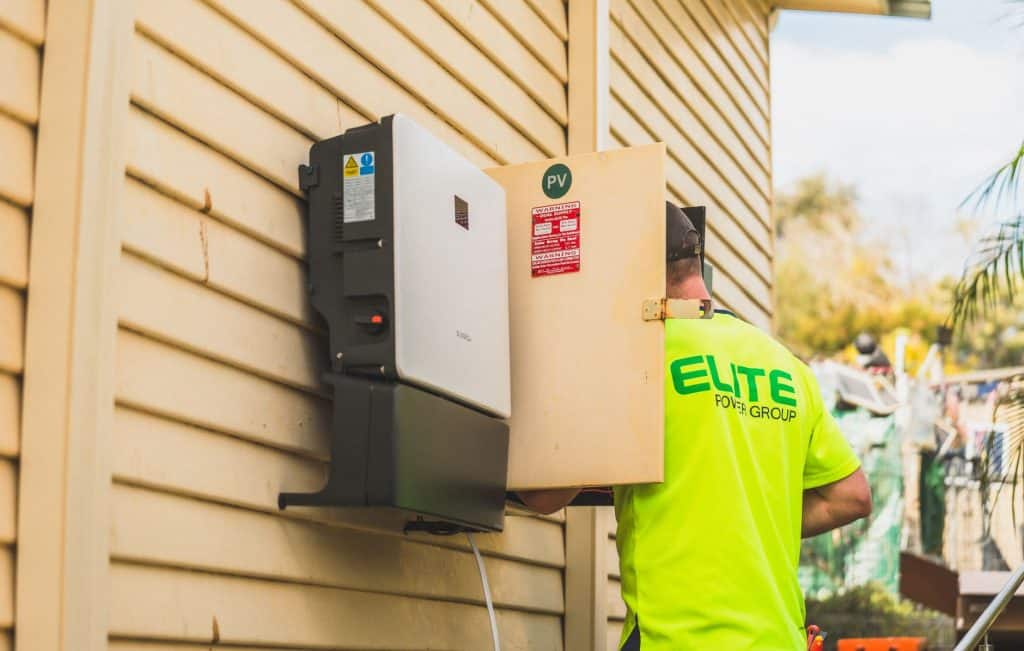
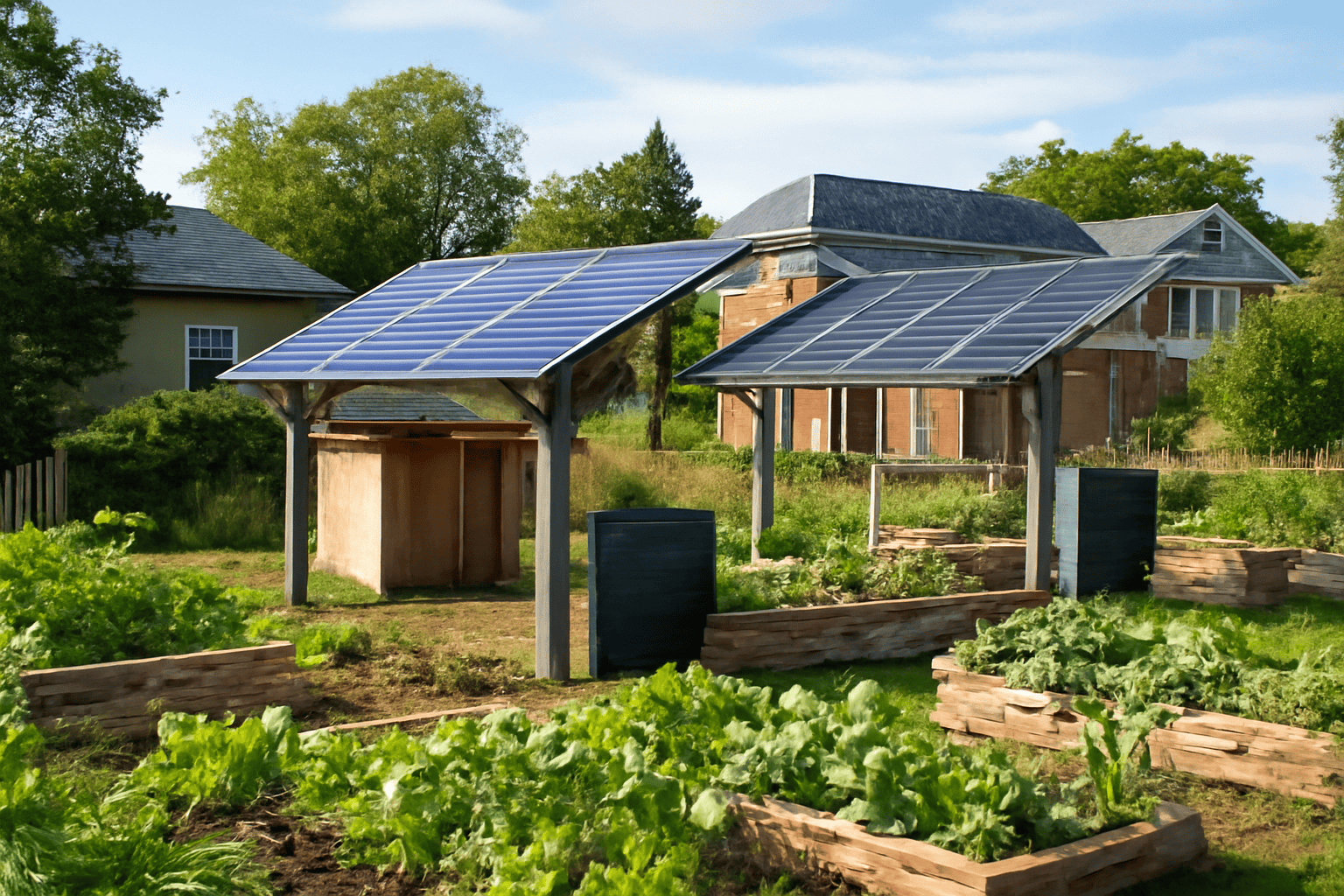
A solar microgrid is a localized electrical network that integrates solar energy generation through fotovoltaïsch (PV) panels, coupled with energy storage and advanced microgrid control systems, to serve a defined load such as a residential community, commercial facility, or institutional campus. This contrasts with conventional solar installations that supply power directly to the main grid without localized energy management.
The essential components of a solar microgrid include:
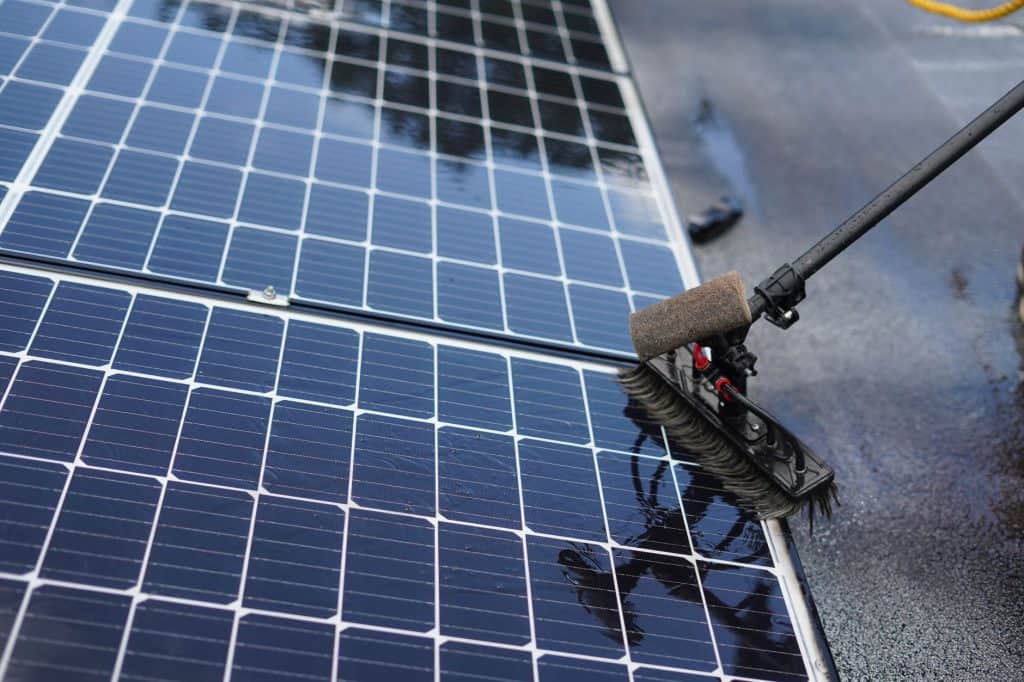
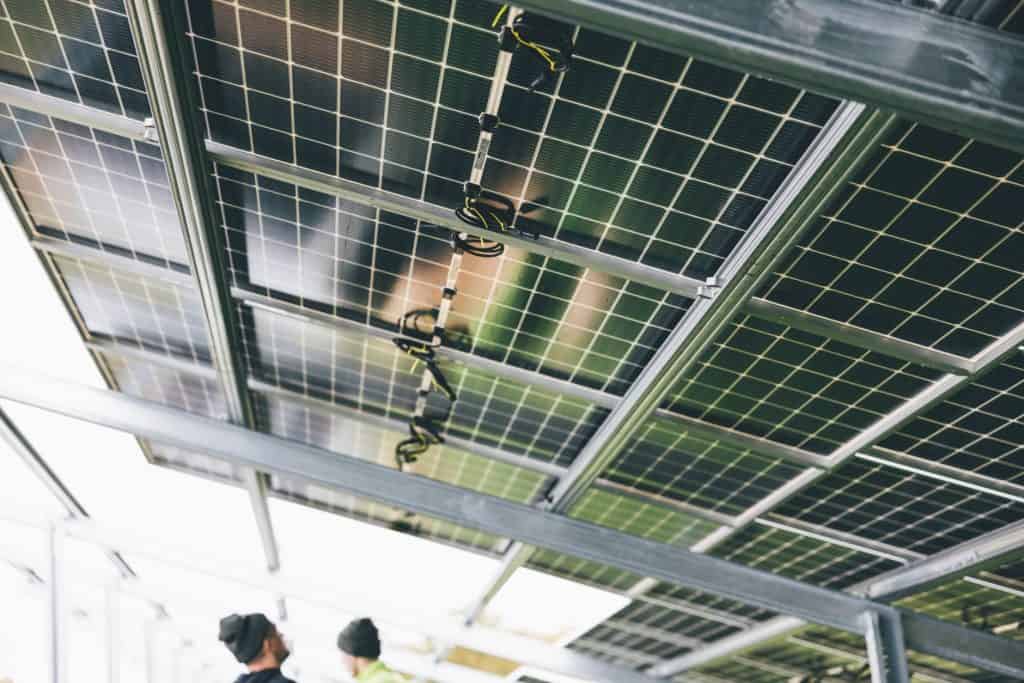
- Photovoltaic arrays: Typically monocrystalline or polycrystalline silicon solar panels with capacities ranging from 250 W to 450 W per panel, which convert sunlight into direct current electricity forming the primary energy source.
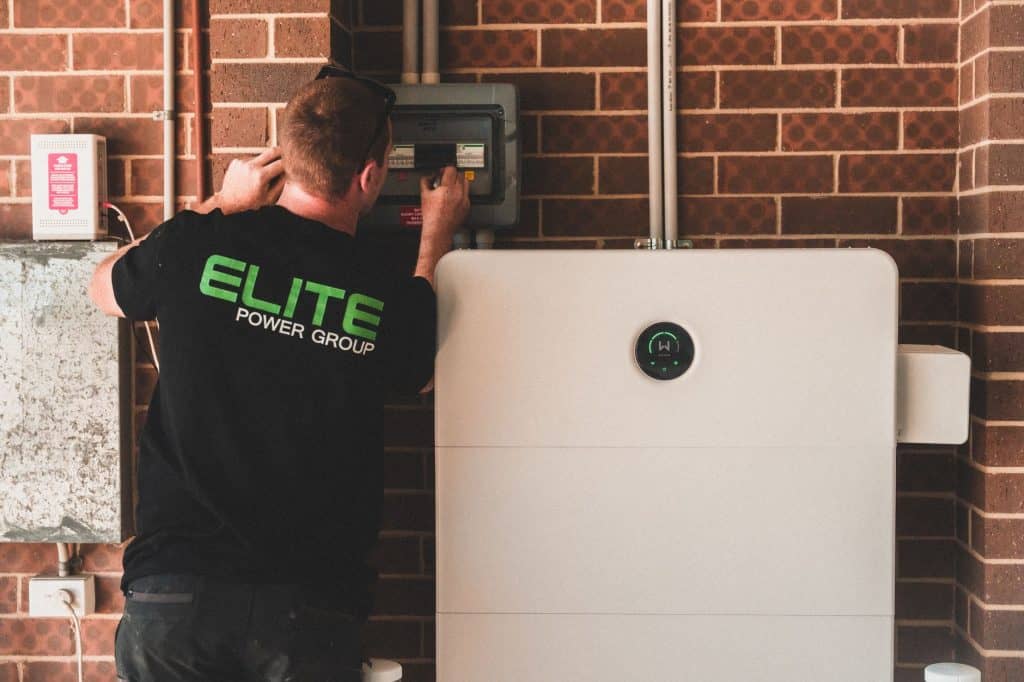
- Energy storage systems (ESS): Primarily lithium-ion battery banks with usable energy capacities scaled to the microgrid size—often between 500 kWh and 5 MWh—to store excess solar generation for use during night hours or grid disruptions. Battery management systems (BMS) monitor state of charge, temperature, and cycle life to maximize lifespan.
- Microgrid control systems: Digital controllers and energy management software that execute real-time monitoring and control to balance generation, storage, and load demands. These controllers facilitate demand response and load prioritization using algorithms that optimize efficiency and resilience.
Solar microgrids operate in two primary modes: grid-tied En islanded. In grid-tied mode, the system synchronizes with the main utility grid, exporting surplus energy when production exceeds demand and importing when necessary. Islanded mode activates automatically during main grid outages, isolating the microgrid and supplying local loads independently via on-site generation and stored energy. Transition between modes follows strict control protocols to avoid transient disturbances.
Microgrid control and communication standards such as IEEE 2030.7 define interoperability and functional requirements for protection, control, and energy management systems. Adherence to these standards ensures compatibility among heterogeneous equipment—solar inverters, battery chargers, controllers—and allows for scalable, modular microgrid deployment that can dynamically adapt to changing load and supply conditions.
Typical Solar Microgrid Architectures and Deployment Scenarios
Solar microgrid designs vary by scale, configuration, and application, with deployment scenarios including:
- Community microgrids: Systems ranging from 500 kW to 10 MW designed to serve residential neighborhoods or small towns, integrating distributed solar generation with suitably sized battery storage (typically 1-3 MWh) to meet localized demand profiles and enhance energy security.
- Rural electrification microgrids: Off-grid or weak-grid applications, often under 1 MW, which provide reliable electricity access in remote areas where grid extension is financially or technically impractical. These often incorporate hybrid energy sources alongside solar to ensure continuous service.
- Commercial campus microgrids: Tailored solutions for institutions, industrial sites, or commercial complexes with power needs from 250 kW to several MW, focused on energy autonomy, cost management, and resilience against grid disturbances.
Solar Plus Garden’s 10 MW solar microgrid highlights a community microgrid at scale, incorporating up to 3,000 garden parcels supported by revenues from the solar plant. This project combines solar energy with a lidmaatschap van de gemeenschap framework that enables diversified investor participation and integrates agrivoltaic land use, illustrating microgrid deployment optimized for investor attraction and social impact.
How Microgrid Control Enhances Grid Stability and Energy Security
Microgrid control systems maintain operational stability by continuously adjusting power flows using real-time data from generation assets, energy storage, and load sensors. Controllers implement frequency and voltage regulation algorithms to prevent power quality deviations during transient conditions.
Seamless transitions between grid-connected and islanded modes are orchestrated through automated transfer switches (ATS) that comply with IEC 61850 substation communication protocols. These switches detect grid disturbances within milliseconds and initiate system islanding without interrupting critical loads.
Demand response mechanisms embedded in the microgrid control prioritize essential loads such as healthcare facilities or water pumping, implementing load shedding where necessary during supply constraints. This capability extends microgrid autonomy durations by managing stored energy deployment efficiently.
Microgrid controllers also facilitate integration with utility grid supervisory control and data acquisition (SCADA) systems, enabling coordinated grid support services such as voltage regulation and peak shaving, enhancing overall grid stability.
Integrating Solar Microgrids with Community-Based Agrivoltaic Models
Solar Plus Garden applies an agrivoltaic model that combines solar microgrid generation with community-led agriculture on the same land area, enabling dual land use to optimize resource efficiency. This approach simultaneously generates clean energy while producing fresh, local food, contributing to energy and food security.
De Tuinlidmaatschap model separates community access from direct solar investment by requiring a one-time €200 membership fee invested in the solar microgrid project. Members can opt into a Tuinbak subscription of €20 per month for 18 annual deliveries of seasonal vegetables, enabling recurring revenue streams. This financial structure reinforces sustainability by allocating solar revenue to maintain garden operations.
The garden operations function under a legally separate entity distinct from the Estonian OÜ owning the solar microgrid, ensuring operational and financial transparency. The garden supports up to 3,000 parcels, with revenues from solar energy generation funding community activities and infrastructure maintenance via a secure payment and escrow system defined as of May 2026.
Financial and Legal Structures Supporting Solar Microgrid Investments
Solar Plus Garden’s legal and financial architecture supports clear ownership and operational roles across jurisdictions to enhance investor confidence:
- Estonian OÜ: Formed on 20 February 2026, holds ownership of solar assets and is responsible for project development, capital raising, and investor relations compliant with EU regulations.
- Serbian DOO: Manages day-to-day operations, maintenance, and grid interconnection within Serbia, ensuring compliance with local technical and regulatory requirements.
- Separate Garden legal entity: Established specifically for agrivoltaic community membership management, fundraising, and economic activities, with exclusive rights to the Garden concept and setting operational boundaries.
Payment flows are controlled via a dedicated escrow mechanism defined as of 7 May 2026 to separate investment funds and operational expenses. This ensures investor fund security by releasing capital in phases tied to project milestones and governance approval. These financial controls align with best practices for project finance in renewable energy.
The investment narrative emphasizes stable long-term revenue potential from solar energy generation, backed by transparent corporate structures and social impact through agrivoltaic community engagement, making the microgrid project suitable for small and medium investors committed to sustainability.
Challenges and Risk Management in Solar Microgrid Deployment
Technical and regulatory risks involved in solar microgrid deployment require comprehensive mitigation approaches:
- Technische risico's: Include inverter failures, battery capacity degradation typically averaging 80% capacity after 3,000 full cycles, and challenges in synchronizing with the main grid during mode transitions, which can cause transient voltage or frequency instability.
- Regelgevingsrisico's: Potential changes in grid interconnection standards, feed-in tariffs, or permitting processes that could affect economic viability or operational compliance. Keeping abreast of regulatory updates in both Estonian and Serbian jurisdictions is essential.
- Mitigation strategies: Enforce preventive maintenance schedules conforming to IEC 62446 photovoltaic system commissioning and performance standards, utilize modular system design allowing rapid replacement or upgrading of components, and maintain an active compliance team monitoring regulatory environments.
Battery warranties typically cover a 10-year period or a guaranteed cycle count as per manufacturer specifications, informing asset replacement timelines incorporated in financial planning. System design integrates seasonal solar variability assessments using historical irradiance data to ensure stored energy sufficiency, guaranteeing reliable service continuity during low-insolation periods.
Steps to Join or Invest in a Solar Microgrid Community like Solar Plus Garden
Prospective participants can engage with the Solar Plus Garden solar microgrid project through a defined multi-step process:
- Registratie: Submit personal or institutional details via solarplusgarden.com to join the investor waiting list or enroll in the Garden community membership program.
- Compliance verification: Complete Know Your Customer (KYC) and Know Your Business (KYB) processes aligned with EU and Serbian regulations for anti-money laundering (AML) and fraud prevention.
- Investment or membership selection: Choose between investing via equity or loan instruments with risk and return profiles detailed in official documentation, or join as a Garden member by paying the fixed membership fee.
- Payment processing: Transfer the one-time €200 membership fee and optionally subscribe to the Garden box for €20 per month, managed via a secure payment platform tied to escrow accounts.
- Ongoing engagement: Participate in regular project updates, governance voting if eligible, and community activities to contribute to governance transparency and sustainable project evolution.
Evaluating the Impact of Solar Microgrids on Local Energy and Food Security
Solar microgrid projects such as Solar Plus Garden’s 10 MW installation catalyze environmental and socio-economic benefits quantified as follows:
- Carbon footprint reduction: By replacing grid electricity predominantly sourced from fossil fuels, the project potentially offsets approximately 7,000 to 9,000 metric tons of CO2 annually, based on regional emission factors for electricity in Serbia.
- Energy independence: The microgrid’s decentralized architecture and battery storage mitigate vulnerability to grid outages and electricity price volatility, improving energy reliability for up to 3,000 households or parcels.
- Local economic stimulation: Revenues from renewable energy generation finance agrivoltaic operations that provide employment opportunities in agriculture, logistics, and maintenance, supporting regional rural development.
- Schaalbaarheid: Modular microgrid design and community membership frameworks allow gradual expansion from small pilots under 1 MW to multi-megawatt systems, facilitating replication in diverse rural and peri-urban contexts.
Integrated solar and agrivoltaic systems form synergistic ecosystems that optimize land use and promote regenerative agriculture alongside stable clean energy supply, reinforcing holistic community resilience metrics.
Veelgestelde vragen (FAQ)
What is the difference between a solar microgrid and traditional solar installations?
Solar microgrids combine solar photovoltaic generation with on-site energy storage and advanced control systems to manage local energy use autonomously or while connected to the grid. This allows continuous power supply during grid outages and optimized load balancing, unlike traditional solar installations that feed directly into the grid without localized management.
How does the Garden membership model work for accessing a community solar microgrid?
Garden membership requires a one-time €200 fee invested in the solar microgrid project and provides access to the community’s agrivoltaic benefits. Members can additionally subscribe to periodic fresh vegetable deliveries through the €20 monthly Garden box option, creating an income stream linked to solar revenues supporting local agriculture.
What are the technical requirements for integrating a solar microgrid with the main electrical grid?
Solar microgrids must conform to interoperability and communication standards such as IEEE 2030.7 for microgrid systems and IEC 61850 for substation and automation equipment. These standards ensure safe protection, seamless transition between grid-connected and islanded modes, and stable grid synchronization.
What types of investors are suitable for solar microgrid projects like Solar Plus Garden?
Suitable investors typically include small and medium-sized individuals or entities aiming for a combined environmental and social impact alongside potential steady financial returns. The project’s clear legal structure, escrow-managed payments, and transparent governance reduce exposure to financial risks associated with renewable microgrid investments.
Conclusie
Solar microgrids integrate solar energy production with energy autonomy and community participation, concretely demonstrated by Solar Plus Garden’s 10 MW microgrid project and agrivoltaic Garden membership system. Stakeholders such as property owners, project developers, investors, and contractors should assess microgrid projects based on technical architecture, regulatory compliance, financial transparency, and measurable social impact. Variations in technology advancements, regulatory frameworks, or community scale necessitate continuous evaluation to ensure alignment with investment objectives and long-term project viability.
Gerelateerde artikelen
- Investeringsmaatschappij in zonne-energie: kansen benutten in schone energie
- Optimalisatie van schone energie: hoe de integratie van zonne-energie met WKK en batterij-energieopslag de betrouwbaarheid en efficiëntie verhoogt.
- Hoe ecogemeenschappen meetbare voordelen opleveren op het gebied van duurzaam leven en gemeenschapsveerkracht.