









Comprehensive Guide to Solar Smart Meters: Understanding, Installation, and Monitoring for Homeowners
How Solar Smart Meters Differ from Conventional Meters
A solar smart meter is a digital metering device designed to measure the multidirectional flow of electricity in residential solar systems. Unlike traditional single-direction electricity meters that only record total consumption from the utility grid, solar smart meters simultaneously capture and differentiate three key parameters critical for solar homeowners:
- Import: electricity consumed from the grid, measured in kilowatt-hours (kWh)
- Export: surplus solar energy generated onsite but fed back into the grid
- Generation: total electricity output produced by the solar panels on a cumulative or interval basis
This granular data enables precise billing under net metering or feed-in tariff schemes and helps homeowners understand self-consumption versus grid reliance. Conventional meters typically only measure import, hampering accurate account of solar production benefits and resulting in billing inaccuracies or undercompensation.
However, it is critical to note that the smart meter shows aggregated electrical flow data and does not inherently monitor individual solar panel performance or battery storage metrics unless connected through compatible inverters or additional monitoring systems integrated into the solar system.
Key Components and Technologies in Solar Smart Meter Systems
Solar smart meters incorporate a combination of precision hardware and communication technologies to deliver accurate, real-time data relevant to solar system operation. Essential technological elements include:
- Measurement sensors: typically bidirectional current transformers (CTs) and voltage sensors, designed to detect instantaneous import, export, and generation values
- Digital display units: either integrated LCD or LED screens presenting real-time readings and cumulative totals for import, export, and generation in standard units (kWh)
- Communication modules: commonly supporting Zigbee, IEEE 802.15.4 mesh networks, or cellular connectivity, enabling remote meter reading and data transmission to energy suppliers and cloud platforms
- Integration interfaces: standardized communication protocols like Modbus or SunSpec allow the smart meter to interface with string inverters and battery storage systems for consolidated energy management
Compliance with SMETS2 (Smart Metering Equipment Technical Specifications 2) is considered best practice for new installations in regions following regulated smart metering frameworks. SMETS2 meters conform to accuracy requirements of ±2% over the operational range and facilitate two-way communication with energy suppliers for efficient data exchange and remote updates.
Integration with battery storage typically requires an interface module or energy management system (EMS) that combines data from the meter and battery inverter to measure charge/discharge cycles, state of charge, and optimize load shifting. This capability allows homeowners to refine self-consumption rates and prolong battery lifecycle through informed operational adjustments.
Installation Process and Requirements for Solar Smart Meters
Le installation of a solar smart meter requires a carefully coordinated sequence involving multiple stakeholders and adherence to technical and legal standards:
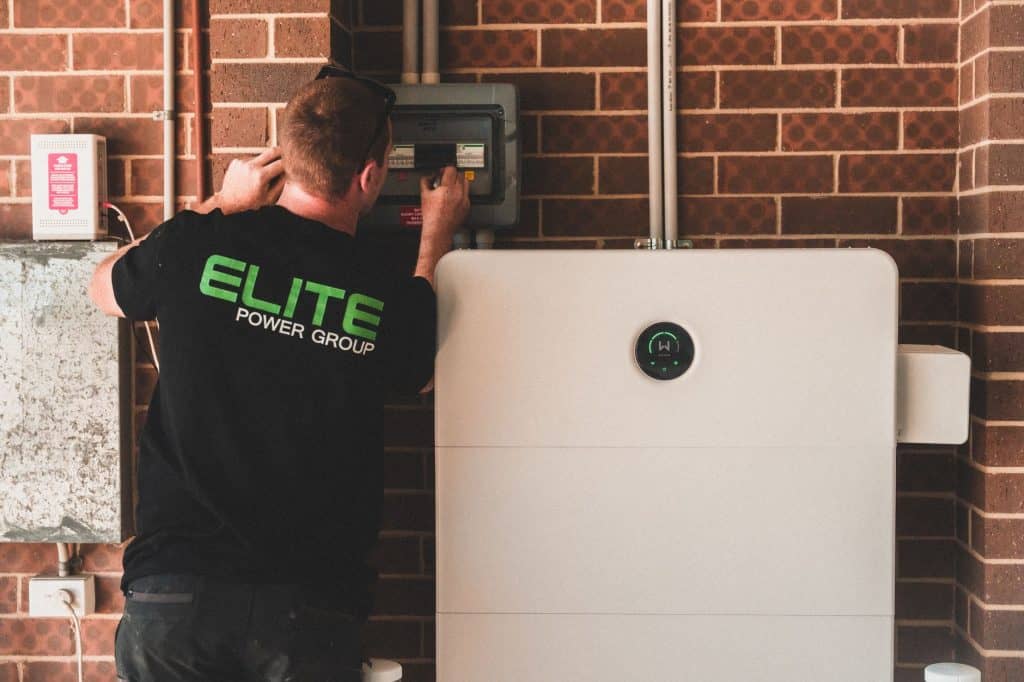
- Pre-installation assessment: A certified installer or electrician evaluates the existing supply board, solar panel wiring, inverter compatibility, and site safety conditions. This step verifies if upgrades—such as additional circuit breakers or rewiring—are necessary for integrating the meter.
- Coordination with the energy supplier: The homeowner or installer schedules an appointment with the authorized energy supplier to register the new meter serial number and arrange for disconnection and reconnection. Regulatory notifications may be required depending on jurisdiction.
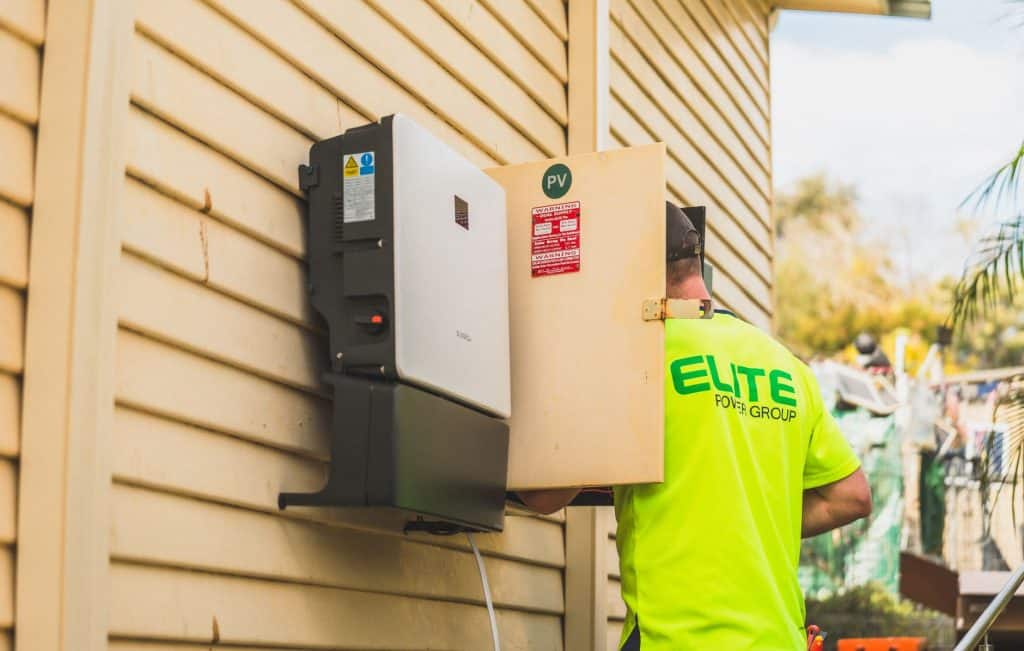
- Meter installation: The physical removal of the old meter and mounting of the smart meter onto the meter board is carried out by a certified metering technician. The solar smart meter is connected to both the grid supply line and the solar system’s export circuitry as per wiring diagrams compliant with local electrical codes such as IEC 60364 or relevant national standards.
- Configuration and commissioning: The meter is set up to communicate with the supplier’s data management system using predefined network protocols. Testing ensures the meter accurately records import, export, and generation within the ±2% accuracy band before energizing the solar system with the new meter active.
The full installation timeline typically spans 2 to 4 weeks, influenced by supplier scheduling windows, site complexities, and permit acquisition where required. Homeowners should plan for a brief power outage, often under one hour, during meter exchange activities.
Following installation, the setup must comply with electrical safety regulations, such as mandatory meter certification under local directives (e.g., MID in the EU), and maintain valid warranties and feed-in tariff eligibility. Failure to meet these requirements can jeopardize financial incentives or cause legal penalties.
Interpreting Solar Smart Meter Readings to Optimize Energy Use
Homeowners can leverage solar smart meter data to fine-tune energy consumption patterns and maximize the value derived from their solar system.
The dashboard or connected app usually displays cumulative and interval readings of:
- Import reading: total kWh of grid electricity consumed
- Export reading: total kWh of electricity fed back into the distribution grid
- Generation reading: total kWh produced by the solar panels during a given period
To analyze these data points effectively, homeowners can:
- Compare daily generation against manufacturer solar panel specifications adjusted for geographic location and seasonal solar irradiance data to verify system health.
- Assess the difference between generation and export to determine self-consumption percentage; a higher self-consumption rate reduces grid reliance and improves financial returns under typical tariff structures.
- Adjust high-energy appliance operation to coincide with peak solar generation periods, identified via real-time meter readings or app notifications, enhancing onsite usage and minimizing import.
For systems integrated with battery storage, monitoring charge and discharge cycles through the meter’s linked platform enables strategic scheduling to avoid grid import during peak tariffs and optimize battery longevity. Energy management software can automate this process based on smart meter inputs.
Impact of Solar Smart Meter Accuracy on Billing and Investment Decisions
Accurate solar smart meter readings are fundamental to ensuring correct billing and realizing expected returns on solar investments.
Regulatory bodies typically enforce ±2% accuracy tolerances for import and export measurements, as outlined in standards such as IEC 62053-21 and IEC 62053-31 for active energy meters. This tolerance affects:
- The exact quantification of feed-in tariff payments or net metering credits reflecting exported solar energy
- Accurate household billing for grid consumption without over- or undercharging
- Investor confidence through transparent and verifiable production and export data used in financial models
SMETS1 meters, while compliant with earlier smart metering frameworks, often encounter interoperability limitations after supplier switching and lack remote firmware update capabilities, potentially leading to data drift or inaccuracies over time. In contrast, SMETS2 meters maintain continuous two-way communications with suppliers, reducing error risks and enabling proactive meter management.
Homeowners and investors should verify smart meter certification and calibration status periodically through supplier reports or independent verification to mitigate discrepancies that might reduce solar income streams and affect long-term project viability.
Monitoring Solar Energy Production and Consumption with Smart Meters
Modern solar smart meters incorporate communication standards such as Zigbee (IEEE 802.15.4) or proprietary Mesh networks to provide homeowners with near real-time access to their solar system data.
Typical features enabled by onboard communication modules include:
- Remote monitoring of solar panel generation and household electricity consumption on interval granularities of 5 to 15 minutes
- Automated generation of reports summarizing daily, weekly, or monthly energy exported, imported, and generated totals
- Alert notifications via mobile applications for anomalies such as sudden drops in solar generation indicative of shading, inverter faults, or system failures
The ability to monitor via integrated mobile apps or online dashboards allows homeowners to correlate solar panel output with consumption patterns, facilitating informed decisions on energy use scheduling and battery charging. Some platforms also provide predictive analytics based on weather forecasts and historical usage to optimize solar system performance.
Community and Investment Implications of Solar Smart Meter Data Transparency
For community investment platforms like Solar Plus Garden, transparent and verifiable solar smart meter data underpins the trust and operational sustainability of the collective funding model.
Aggregated meter readings from the community’s 10 MW solar plant provide accurate solar generation and export figures needed to:
- Calculate distributed revenues, which finance both ongoing solar operations and ancillary community activities including agriculture and garden membership benefits
- Produce environmental impact reports validated by precise data, essential for investor communication and regulatory compliance
- Engage members by feeding back documented proof of how their membership fees contribute directly to solar energy production and corresponding social benefits, such as local food supply through agrivoltaics
This data transparency model mitigates disputes, supports regulatory reporting requirements, and facilitates scalable replication of community solar-agriculture hybrids, aligning financial and social return objectives.
Foire aux questions
What information does a solar smart meter provide that a regular meter does not?
A solar smart meter provides distinct measurements of electricity imported from the grid, electricity generated by the solar panels, and electricity exported back to the grid. This allows accurate assessment of solar generation, consumption, and export, which traditional meters do not differentiate.
How long does it typically take to install a smart meter for a solar system?
Installation typically requires 2 to 4 weeks, depending on appointment availability with the energy supplier, site conditions, any prerequisite electrical work needed, and compliance verification. The physical meter exchange normally takes under one hour.
Can I monitor my solar panel performance remotely through my smart meter data?
Yes. Solar smart meters often include communication technologies such as Zigbee or Mesh networks, enabling homeowners to access near real-time solar generation and energy consumption data remotely via dedicated mobile apps or online portals.
How does the accuracy of my solar smart meter affect my energy bills and investments?
Accurate solar smart meters ensure correct measurement of exported solar energy, crucial for receiving appropriate feed-in tariff payments or net metering credits. Inaccuracies can lead to underpayment or billing disputes, directly affecting the expected financial return on solar investments.
Conclusion
Homeowners planning to install solar smart meters should verify device compatibility with their solar system and the requirements of their energy supplier. Coordination with certified installers and suppliers is essential for regulatory compliance and timely installation.
Accurate monitoring of solar smart meter readings enables homeowners to optimize energy consumption and manage solar system output, utilizing import, export, and generation data to enhance returns and reduce grid dependency.
Within community investment frameworks such as Solar Plus Garden, transparent and precise meter data directly supports operational funding and social-agrivoltaic initiatives, reinforcing investor confidence through verifiable performance reporting.
Owners should stay informed of evolving smart meter standards, regulatory updates, and technological advances, as these factors influence meter selection, installation procedures, and maintenance requirements, thereby affecting long-term solar system performance and investment stability.
Lectures complémentaires
- Comprehensive Guide to Solar Liability Insurance for Homeowners with Solar Panels
- Comprehensive Guide to Solar Investment for Beginners: Understanding Opportunities and Community Integration
- Opportunités d'investissement dans les centrales solaires en 2026 : Guide complet pour investir dans l'énergie solaire