Passer au contenu





Centrales solaires : facteurs clés des projets solaires à grande échelle
Characteristics of Solar Power Farms and Their Scale
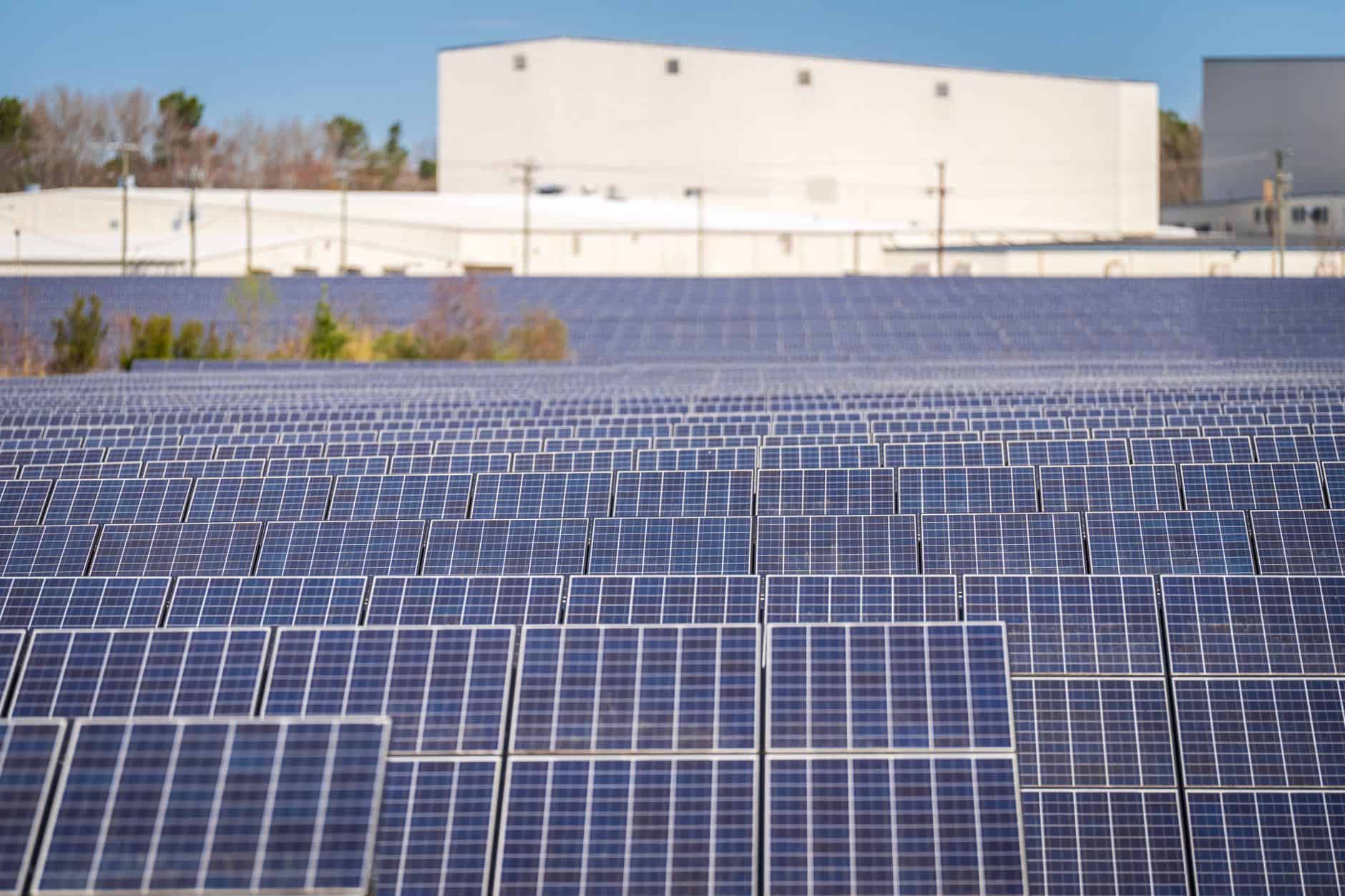
A solar power farm is an extensive installation dedicated to generating electricity using énergie solaire through ground-mounted photovoltaic (PV) systems. Unlike distributed rooftop solar panels, solar farms are connected directly to the grille to supply large quantities of renewable energy. The classification as a centrale solaire typically starts at systems of 1 MW capacity or greater, distinguishing them from smaller commercial or residential solar installations.
Utility-scale solar farms generally refer to projects of 10 MW and above, which aligns with the scale of the Solar Plus Garden 10 MW plant. These projects are designed for commercial electricity production and require comprehensive engineering, permitting, and operational management to ensure integration with regional power stations and grid infrastructure.
Key components of solar power farms include:
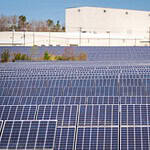
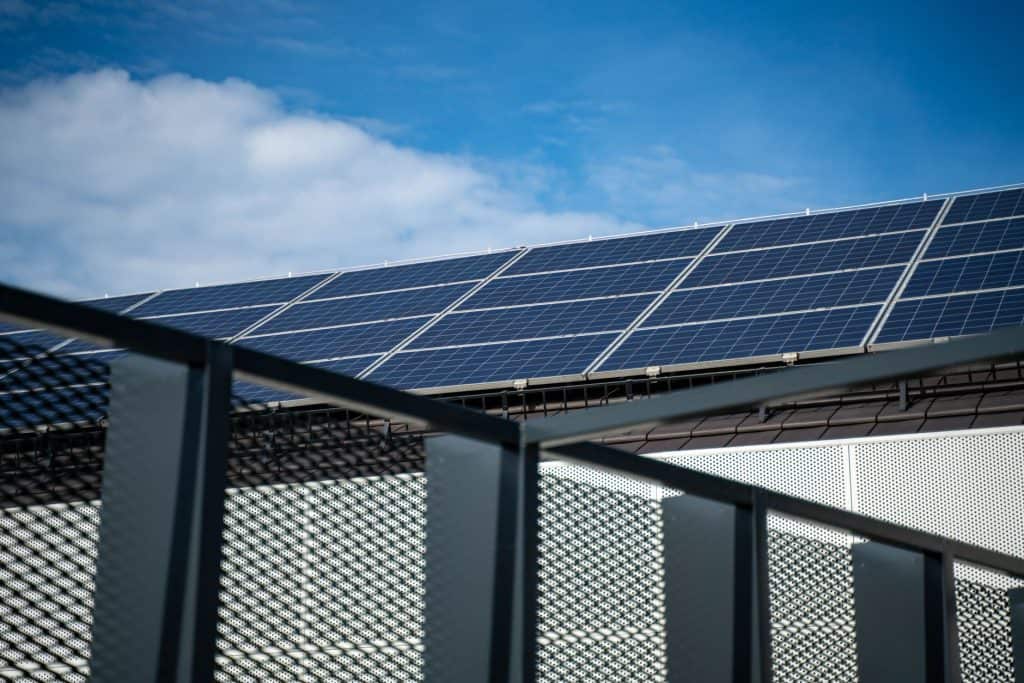
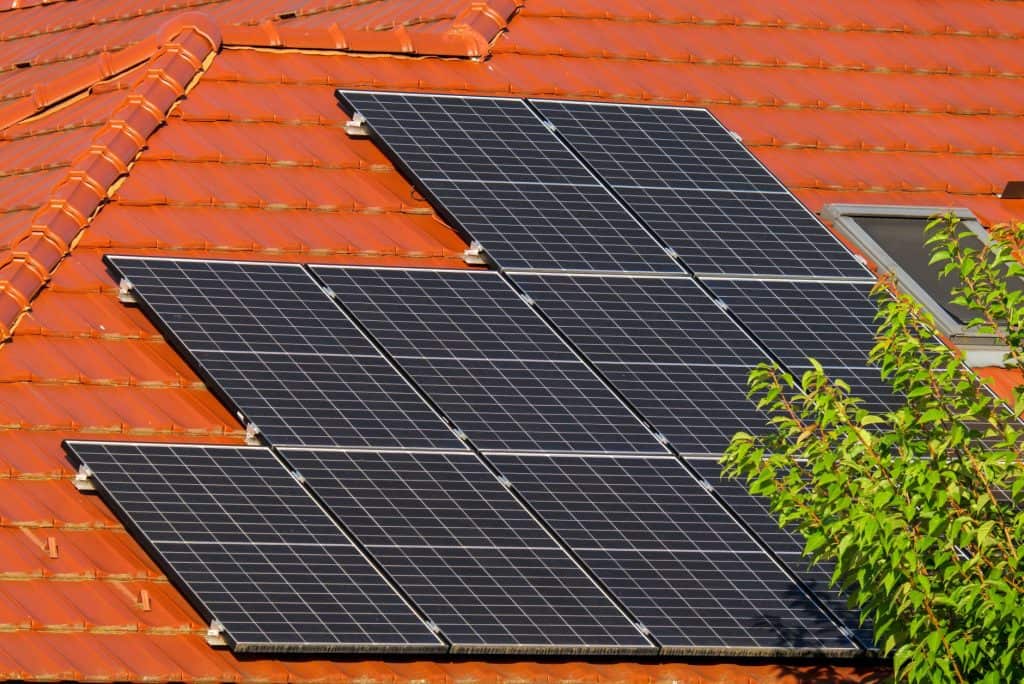
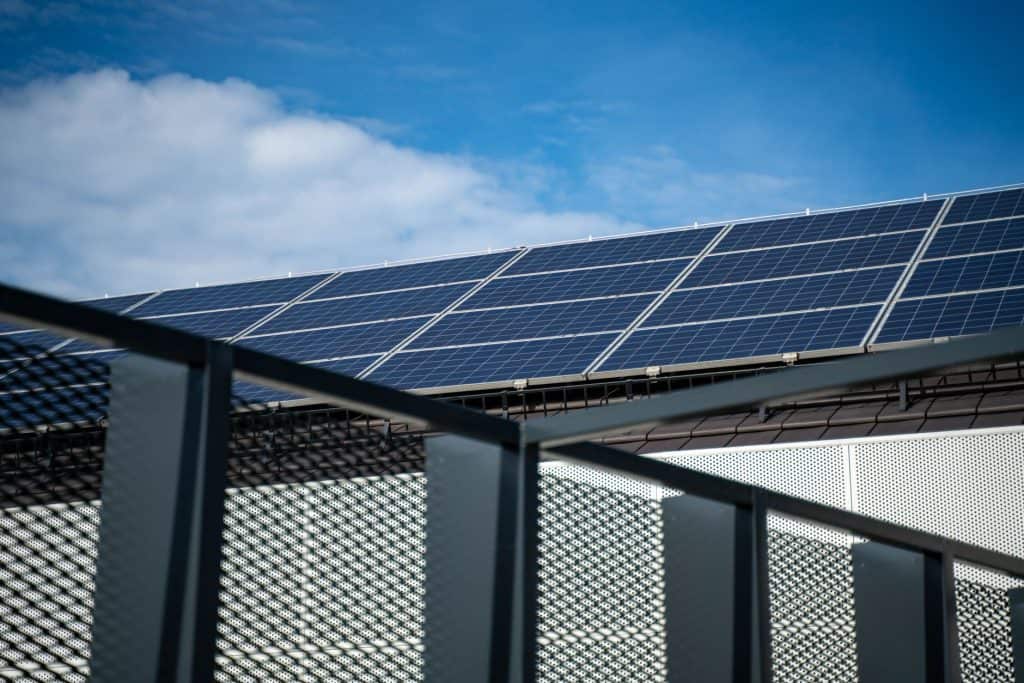
- Photovoltaic arrays: Multiple PV modules arranged to form a solar array, electrically connected and mounted to maximize sunlight capture. Arrays span several hectares, with module efficiency and technology (e.g., monocrystalline silicon) influencing output.
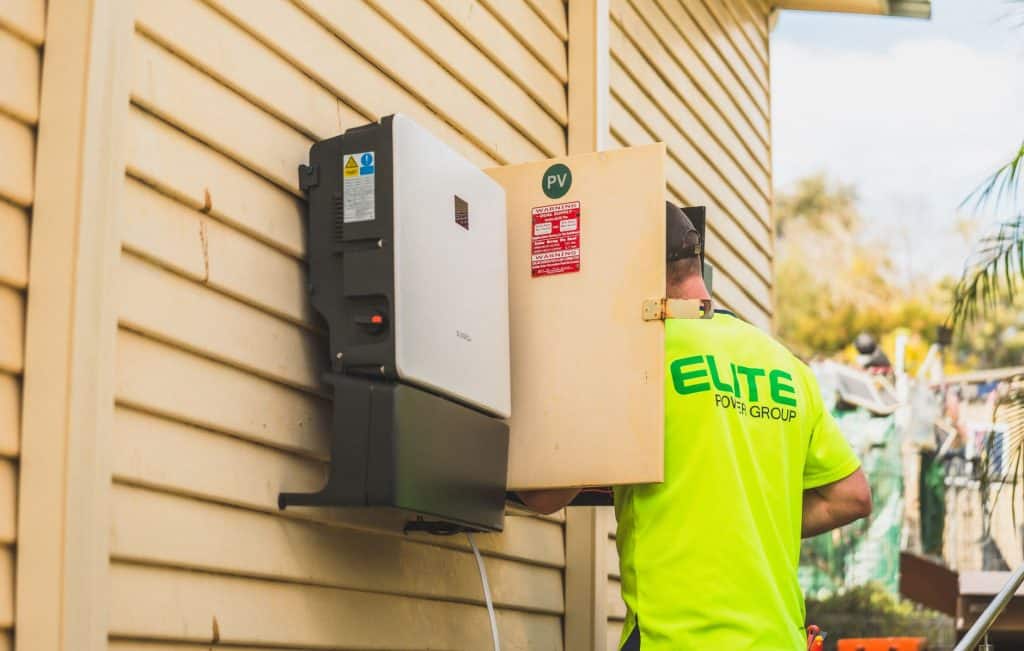
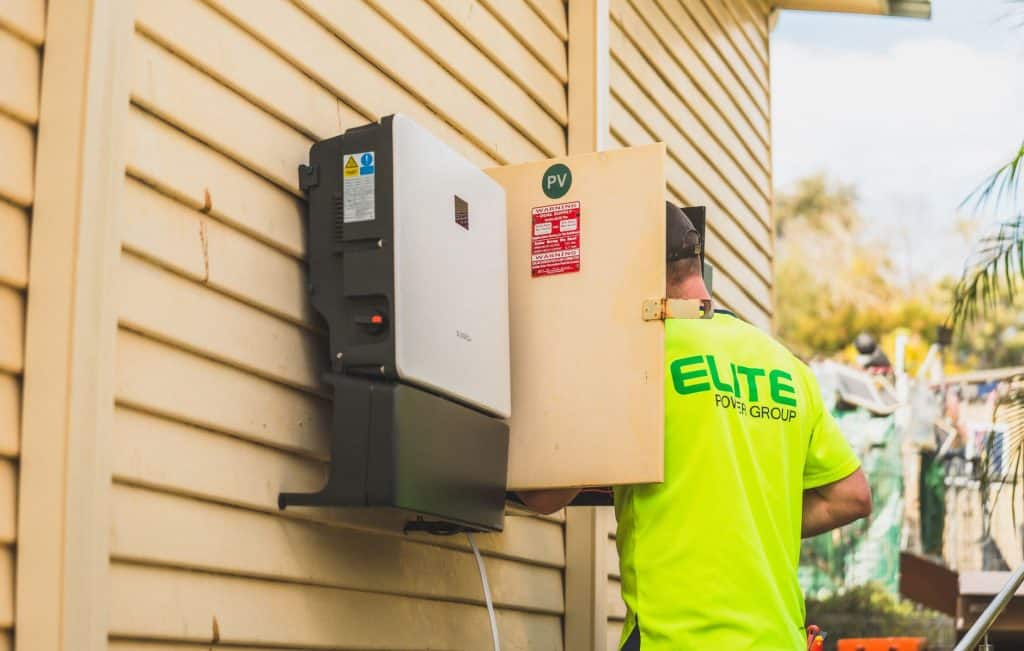
- Onduleurs : Central or string inverters convert the DC electricity generated by PV panels into AC compatible with the grid’s voltage and frequency.
- Power station infrastructure: Transformers increase voltage to grid levels (typically 10–33 kV or higher), switchgear manages connections, and protection systems ensure safety and compliance with grid codes.
Site selection affects both the capacity and viability of the solar farm. Typical land use ranges from 2 to 4 hectares per MW, depending on module type (fixed tilt or single-axis trackers), array spacing to prevent shading, and terrain flatness. Solar irradiation averages above 1,200 kWh/m²/year favor higher annual energy yields. Proximity to existing grid infrastructure reduces connection costs and complexity.
The Solar Plus Garden initiative targets the 10 MW utility-scale threshold to provide a scalable and regulated investment opportunity for small and medium investors, integrating adhésion à la communauté with solar power production.
How Solar Power Farms Work to Generate and Deliver Electricity
The operation of fermes solaires is based on the photovoltaic effect, where solar panels convert sunlight directly into electrical energy. Each PV module contains semiconductor cells (usually silicon-based) that generate direct current (DC) electricity when illuminated.
Energy conversion follows a sequential process:
- Sunlight incidence on panneau solaire surfaces triggers the photovoltaic effect, producing DC power.
- DC electricity is routed via combiner boxes to onduleurs, which transform the DC into alternating current (AC), suitable for grid integration.
- The AC output is fed into transformers that step up voltage to grid levels, commonly between 10 kV and 33 kV, depending on local grid requirements.
- The electrical power is transmitted through switchgear to the grid connection point, supplying electricity to the power station network and ultimately end consumers.
Optimizing the solar array design is crucial to maximize yield. Tilt angles typically range from 20° to 35°, matching regional latitude and seasonal solar paths. Single-axis trackers, if employed, increase annual energy production by approximately 15–25% by following the sun’s movement. Module selection focuses on efficiency (typically 18–22%) and durability under weather conditions like temperature fluctuations and humidity.
Types of Solar Power Farms and Their Community Roles
Solar farms serve diverse market and community purposes, with three primary types defined by scale and ownership structure:
- Centrales solaires à grande échelle : Large installations exceeding 10 MW, supplying power to utilities or wholesale markets. These projects operate under stringent regulatory frameworks including national grid codes and renewable portfolio standards.
- Community solar farms: Mid-to-small-scale projects designed for shared ownership or subscription, enabling multiple participants to access solar-generated electricity benefits without onsite panel installation. This model facilitates local access to renewable energy and investment opportunities.
- Parcs solaires : Aggregations of multiple solar farms, potentially combining a range of project sizes and types. Solar parks may include agrivoltaics or mixed-use land applications.
Solar Plus Garden’s community integrates a abonnement au jardin concept distinctly separated from direct solar investment. Members pay a €200 one-time fee and may opt for a €20 monthly subscription for a “jardinière” delivering local, fresh produce cultivated through agrivoltaïsme—an approach where solar panels coexist with agricultural use to maximize land productivity.
This platform accommodates up to 3,000 individual garden plots, combining énergie solaire generation with local food production and fostering community engagement, which differentiates it from traditional solar farms focused solely on power generation.
Environmental Impact and Regulatory Considerations for Solar Farms
Le impact environnemental of solar power farms includes both benefits and challenges. Key positive effects include:
- Reduction in carbon emissions: Solar farms replace fossil fuel power plants, contributing to greenhouse gas mitigation aligned with EU climate goals under Fit for 55 and the European Green Deal.
- Renewable energy portfolio contribution: Solar farms increase the share of clean electricity on the grid, assisting countries in meeting Renewable Energy Directive (RED II) targets.
Environmental assessments must address land use effects on biodiversity and ecosystems. Requirements under EU Environmental Impact Assessment (EIA) Directive 2011/92/EU and Habitats Directive 92/43/EEC mandate evaluation of habitat disruption, flora and fauna impact, soil erosion risks, and water resource management. Where necessary, mitigation includes establishing buffer zones, preserving protected species habitat, and integrating agrivoltaic systems that support dual land use.
Ongoing monitoring throughout project phases—from construction, through operational lifespan (typically 25–30 years for PV plants), to eventual decommissioning—is required to ensure compliance. Solar farms generally have lower environmental footprints compared to thermal or fossil fuel power plants, mainly producing negligible operational emissions and minimal water consumption.
Investment and Financial Structure in Solar Power Farms
Financial structuring for utility-scale solar projects like Solar Plus Garden involves multiple investor profiles, offering both equity stakes and loan-based instruments aligned with risk and return preferences.
The project is legally separated into distinct entities: the Estonian OÜ established on 20.02.2026 holds investment assets, while the Serbian DOO manages operational aspects of the solar farm. This separation provides clarity in asset management and regulatory compliance under both jurisdictions.
Investment funds are protected through escrow and payment control mechanisms, releasing capital only upon achievement of defined milestones, such as construction completion and grid connection. This approach reduces investment risk and ensures financial transparency.
Community membership fees fund the jardin operations and related community programs independently, maintaining a clean financial division between energy asset management and community engagement activities.
Solar Farm Project Development Process and Key Operational Steps
A typical development timeline for a 10 MW solar farm ranges from 12 to 18 months, split into key phases:
- Land acquisition and site assessment: Detailed evaluation of soil quality, solar irradiation (using tools like PVGIS or Meteonorm), accessibility for construction, and proximity to electrical substations or grid connection points.
- Permitting and approvals: Submission of environmental impact assessments, land use permits, and grid connection applications, often taking 3 to 6 months depending on local regulations and stakeholder engagement.
- Engineering design: Array layout optimized for minimal shading, selection of PV modules (monocrystalline, polycrystalline), inverter sizing, electrical protection design to comply with standards such as IEC 62548 for PV systems and national grid codes.
- Construction: Site preparation including grading and foundations, mounting system assembly, module installation, wiring, inverter and transformer placement; typically lasting 4 to 6 months.
- Commissioning and handover: Verification of system performance through ratio de performance assessment, testing grid interconnection protection, and final approval from network operators.
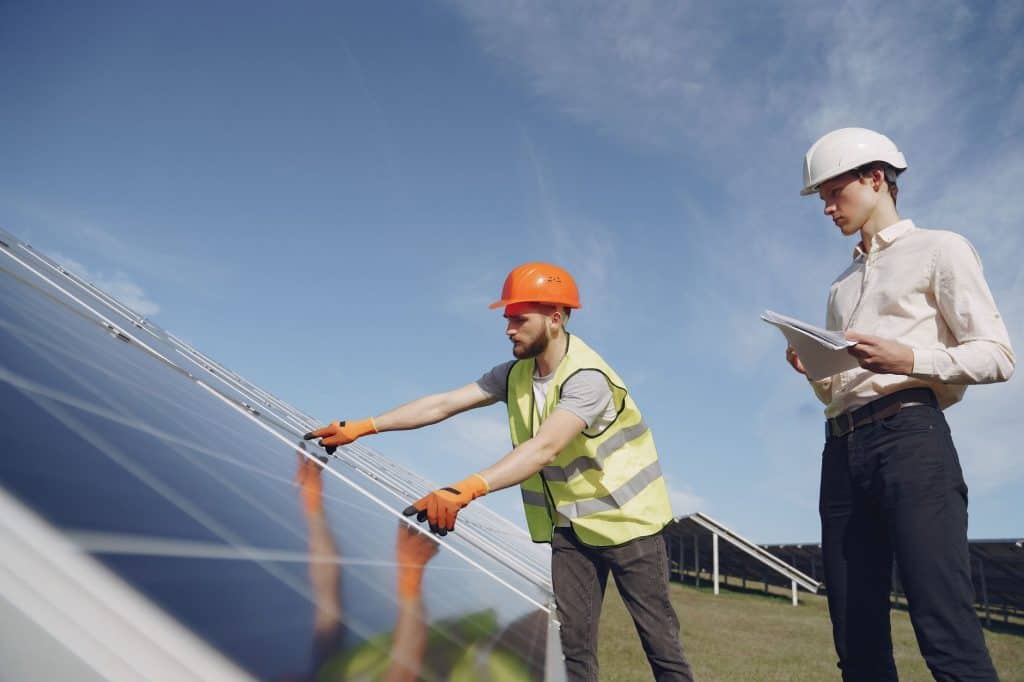
Post-commissioning maintenance involves panel cleaning schedules (frequency depends on local dust and pollution levels), electrical inspections every 6–12 months, inverter firmware updates, and remote performance monitoring through SCADA systems to detect faults and optimize output.
Community Solar Membership Model as an Investment Vehicle
The Solar Plus Garden membership model allows participation without directly investing in the solar power plant. A one-time €200 membership fee grants access to the community and funds solar infrastructure development. Members may opt for an additional €20 monthly subscription that delivers fresh produce grown using agrivoltaics integrated with solar arrays.
This model supports scalability to 3,000 individual garden plots, facilitating a hybrid ecosystem of renewable energy generation combined with local food production. It balances financial investment flexibility with tangible non-financial benefits tied to sustainability and community impact.
The separation of financial flows into distinct legal entities—investment funds managed through Estonian OÜ and gardening activities under a separate Serbian DOO—ensures transparency, regulatory compliance, and prevents cross-subsidization or unauthorized use of funds.
Foire aux questions
What capacity defines a solar power farm versus smaller solar installations?
A solar power farm generally begins at 1 MW capacity, crossing into utility-scale territory at 10 MW and above. Residential and commercial rooftop installations are typically below 100 kW, distinguishing them from utility-scale fermes solaires by size, complexity, and grid integration requirements.
How does the community solar membership model work in practice?
Members pay a one-time fee supporting the solar infrastructure and community activities, gaining access to benefits like fresh local produce without owning or operating PV equipment. This allows broader participation in solar energy benefits without capital-intensive investments.
What environmental regulations must solar farms comply with in Europe?
Solar farms must adhere to EU directives such as the Environmental Impact Assessment Directive 2011/92/EU for land use and sustainability assessments, the Habitats Directive 92/43/EEC for biodiversity protection, and national renewable energy and grid connection standards.
What are the typical operational steps from sunlight capture to feeding electricity into the grid?
Solar panels convert sunlight into DC electricity, which inverters convert to grid-compliant AC. Transformers step up voltage, and switchgear directs power through the transmission infrastructure to the electrical grid, where it integrates with other power plants supplying end users.
Conclusion
An understanding of solar power farms encompasses the technical scale and components, energy conversion flow, regulatory and environmental context, financial structuring, and community integration. The Solar Plus Garden 10 MW project combines a utility-scale solar farm with an innovative community membership model and agrivoltaics operations, providing a multifaceted approach to solar solutions.
Project participants should monitor evolving regulations, technological improvements in PV and agrivoltaics, and market dynamics to maintain alignment with environmental standards and investment objectives.
Illustration: Per-MW Land Use and Cost Breakdown (Indicative)
| Component | Land Area (hectares per MW) | Cost Allocation (%) |
|---|---|---|
| PV Panels and Mounting | 1.2–1.5 | 50 |
| Inverters and Electrical Infrastructure | 0.3–0.5 | 20 |
| Site Development and Foundations | 0.3–0.6 | 15 |
| Grid Connection and Transformers | 0.1–0.2 | 10 |
| Project Management and Permitting | – | 5 |
Note: Land area varies depending on panel technology and layout design. Cost allocations reflect typical ranges under European utility-scale solar project conditions and may vary due to site-specific factors.