

Solar Battery Storage for Homeowners: Key Facts and Practical Considerations
How Solar Battery Storage Systems Integrate with Solar Panels
Solar panels convert sunlight into direct current (DC) electrical energy during daylight hours. This solar power is used first to power home electrical loads. Surplus energy not immediately consumed is either exported to the electrical grid or stored in a home battery for later use. Solar battery storage captures this surplus, enabling homeowners to use stored solar power during non-generating periods such as nighttime or cloudy weather.
Lithium-ion batteries dominate the residential battery storage market due to their high energy density, round-trip efficiency typically above 90%, and lifespan of 3,000 to 5,000 full charge-discharge cycles. Most home batteries provide usable capacities between 5 and 20 kWh, suitable for typical household daily consumption ranging from 15 to 30 kWh. Alternative chemistries, including flooded or sealed lead-acid and vanadium flow batteries, are less common in residential settings, primarily due to shorter lifetimes (typically 500–1,200 cycles) or higher maintenance demands such as electrolyte management.
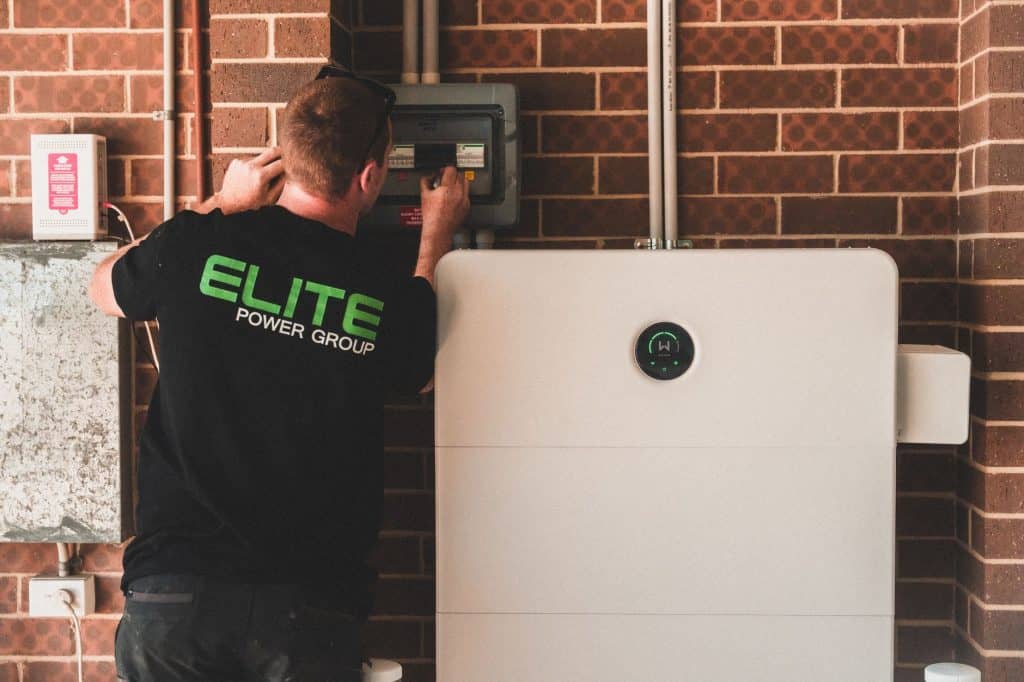
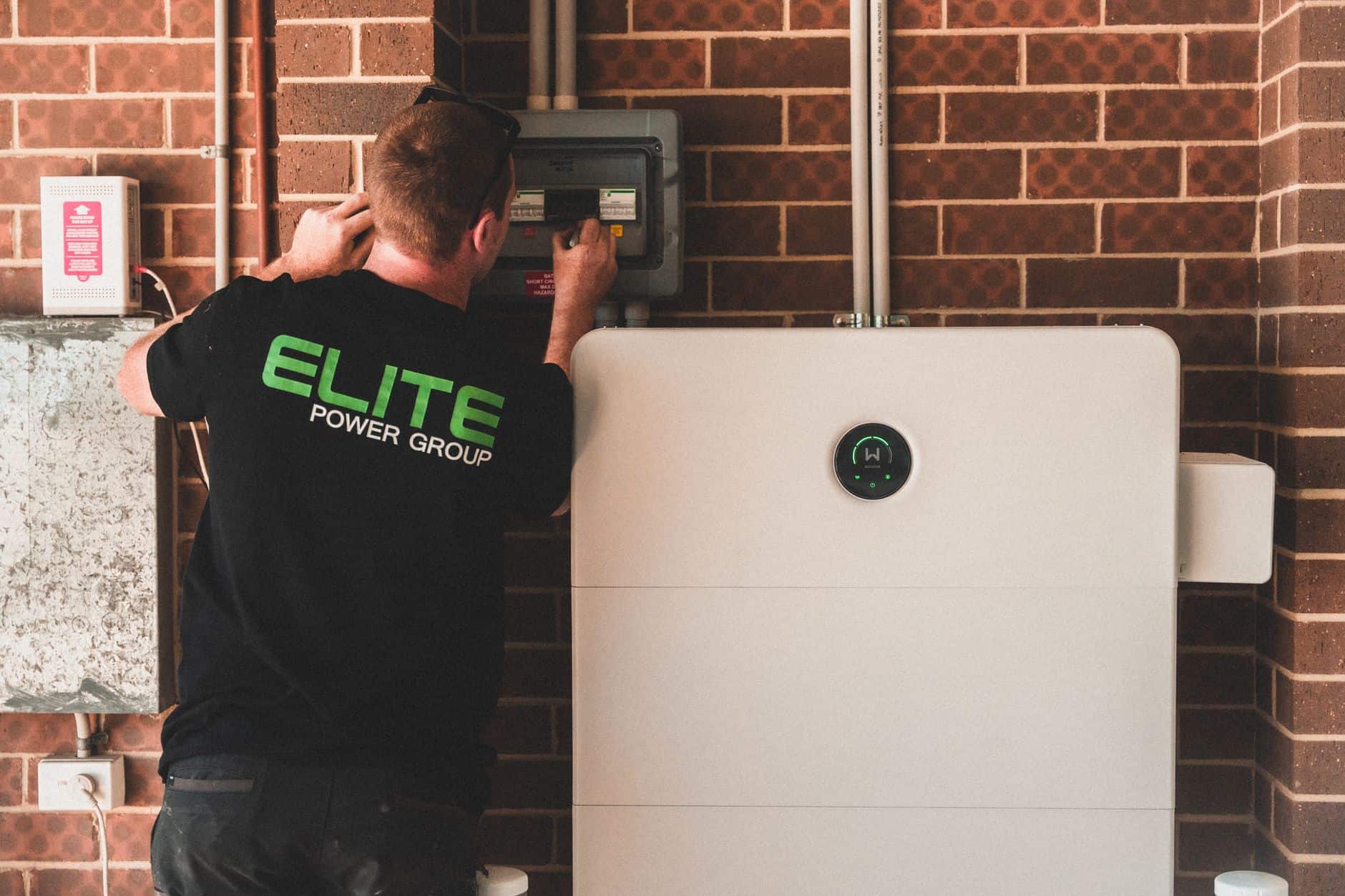
A complete solar battery system comprises the battery unit, an inverter or hybrid inverter, and a charge controller. The inverter converts DC from solar panels and batteries into alternating current (AC) used by household appliances, complying with grid interconnection standards such as IEC 62109-1. The charge controller manages the battery’s state-of-charge, preventing overvoltage or deep discharges, which can reduce battery longevity.
The power system prioritizes direct use of solar power during the day, with surplus energy routed to charge the battery. After sunset or in low solar irradiance conditions, the system discharges the stored battery energy to power the home. If solar and battery supply are insufficient, the system automatically switches to grid power without user intervention, following safety protocols to prevent backfeed risks. This is typically managed via built-in automatic transfer switches (ATS) certified to standards such as UL 1741.
For example, a home configured with a 6 kW solar panel array sized to generate approximately 20–30 kWh per day (depending on local insolation levels) may be paired with a 10 kWh lithium-ion home battery. The hybrid inverter used (for instance, models from SMA Sunny Boy Storage or SolarEdge StorEdge series) controls solar input, battery charge/discharge cycles, and grid interaction seamlessly, optimizing energy flows across components.
Battery Backup Capabilities and How They Affect Home Resilience
Battery backup capability allows a home battery system to supply power during grid outages, supporting critical or whole-home loads. Backup duration depends on battery capacity and household load during the outage. For a 10 kWh battery under an average daytime load of 1 kW, the home can expect approximately 8 to 10 hours of backup, assuming 80% depth-of-discharge limitations to preserve battery health.
Systems differentiate between partial and whole-home backup. Partial backup isolates circuits critical for safety and comfort (e.g., refrigeration, lighting, communication devices). This approach extends backup duration due to lower sustained load but limits energy availability to specific areas. Whole-home backup powers all circuits but requires larger battery capacity and more complex transfer equipment, increasing upfront cost.
Compliance with relevant electrical safety standards (such as IEC 60364-7-712 or NEC Article 705 in the US) mandates installation of transfer switches that fully isolate the home power system from the grid during outages, preventing dangerous backfeeding towards utility lines.
Battery backup systems offer near-instantaneous switchover (<1 second) compared to generators, which typically require manual startup or several seconds to activate. Batteries operate silently with zero onsite emissions. However, generator backup duration can extend until fuel supply exhaustion, often lasting multiple days, whereas battery backup duration is limited by stored energy—and recharge depends on solar generation resuming or grid availability.
Financial Considerations: Upfront Investment and Impact on Electricity Bills
The upfront investment for solar battery storage installation includes the battery unit, accounting for roughly 60% of total cost, followed by inverters/hybrid inverters and professional installation labor representing about 20%. Additional costs cover permits, electrical upgrades, wiring, and safety inspection fees.
In European markets, total installed costs typically range from €5,000 for smaller 5 kWh systems to over €15,000 for 15–20 kWh capacities. Variation depends on battery chemistry, installation complexity, labor market rates, and system integration needs.
Battery storage helps reduce electricity bills primarily through peak shaving and self-consumption optimization. By storing excess solar power generated during low-demand or low-tariff periods, homeowners can draw stored electricity during peak tariff hours, avoiding expensive grid purchases. This requires time-of-use (TOU) tariffs or dynamic pricing structures. The net effect on electricity bills depends on the size of the battery relative to household consumption, the presence of feed-in tariffs or net metering policies, and tariff timing.
Government incentives, including subsidies or tax credits, can improve project economics but vary by jurisdiction and are subject to change. Some regions allow compensation for stored energy exported to the grid, while others limit payments to direct solar exports only, affecting expected project return timelines.
Solar Plus Garden facilitates community-scale participation via a structured membership fee of €200 one-time plus optional €20 monthly for the jardinière subscription, enabling small homeowners and investors to engage in the 10 MW solar plant’s battery-supported infrastructure without purchasing or maintaining physical battery assets directly. This model spreads financial risk and operational control, increasing accessibility to solar power benefits.
Technical Decision Criteria When Adding Battery Storage to a Solar System
Precise assessment of household load profiles is fundamental when choosing battery capacity. Smart energy monitoring over multiple weeks, including seasonal variations, reveals daily consumption patterns essential for sizing storage to meet desired autonomy levels.
A common battery sizing heuristic targets 50–75% of average daily energy consumption. For example, a household consuming 20 kWh per day (monitored via smart meter data compliant with standards like EN 50470) would benefit from a battery between 10 and 15 kWh capacity to cover substantial evening and nighttime load without reliance on the grid.
Battery chemistry selection involves trade-offs among cycle life, thermal safety, efficiency, and cost. Lithium nickel manganese cobalt oxide (NMC) batteries provide approximately 3,000–5,000 cycles and high energy density but require thermal management systems. Flow batteries, such as vanadium redox, support longer cycle life (up to 10,000 cycles) and potentially safer operation but have larger footprint and higher initial complexity, limiting residential adoption.
Integration requires inverter compatibility. Hybrid inverters certified under IEC 62109 or UL 1741 support both solar input and battery management. Systems without hybrid capability necessitate parallel battery inverters and more complex wiring, increasing installation costs and reducing efficiency.
Scalability is increasingly prioritized with modular battery designs (e.g., Tesla Powerwall add-on modules or LG RESU series). Incremental capacity increases enable staged investments aligned with changing household energy demand or budget constraints, preserving system flexibility.
Maintenance Requirements and Lifespan Expectations of Solar Batteries
Lithium-ion home batteries generally promise operational lifespans between 10 and 15 years, dictated by charge-discharge cycle limits and calendar aging. Warranty terms often guarantee 70–80% original capacity retention after 10 years or 5,000 cycles, whichever occurs first.
Routine maintenance includes system diagnostic checks via manufacturer software portals, monitoring voltage, temperature, and state of health parameters. Proper charging schedules avoiding extreme depths of discharge prolong battery life.
Physical inspections by certified installers at intervals of 3–5 years verify integrity of electrical connections, protective devices like fuses and circuit breakers, and ventilation systems to prevent overheating.
End-of-life handling follows strict waste electrical and electronic equipment (WEEE) regulations in Europe, mandating responsible recycling or disposal to recover lithium, cobalt, and other materials and minimize environmental impact. Many providers support take-back programs to ensure regulatory compliance.
Battery integration typically adds no significant maintenance complexity beyond the solar inverter system but requires active monitoring to preempt performance degradation and extend service life.
Integrating Solar Battery Storage with Community and Agri-Voltaics Initiatives
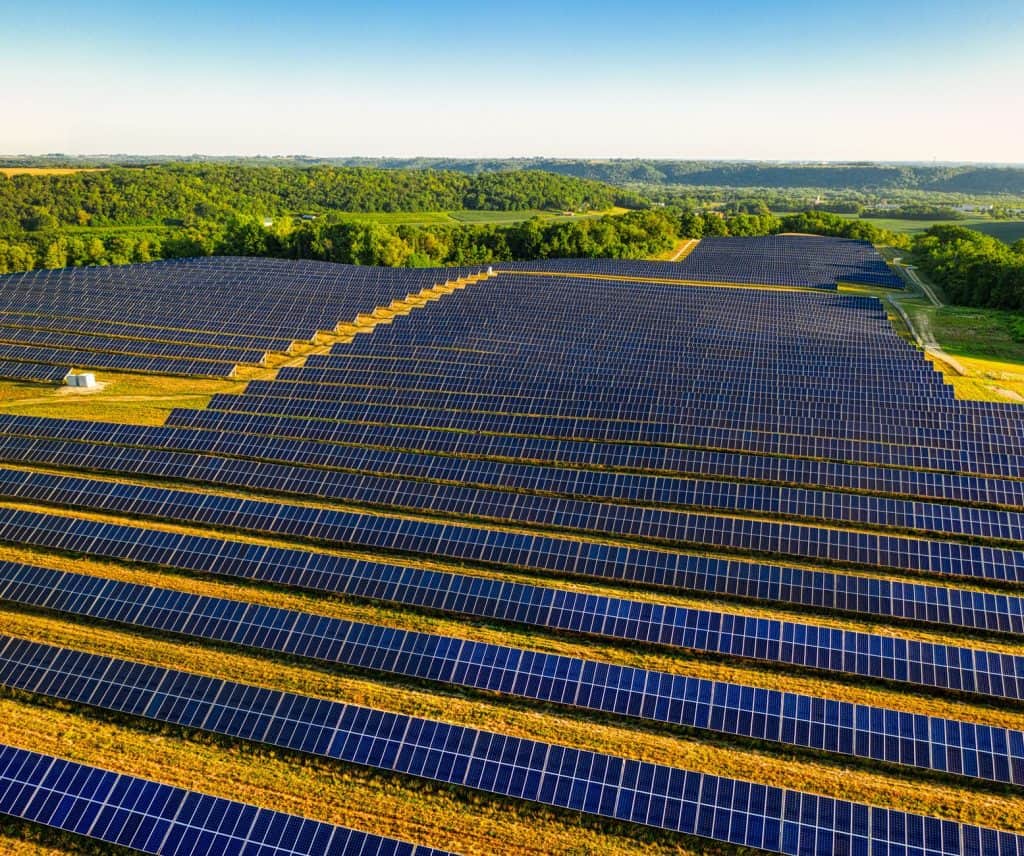
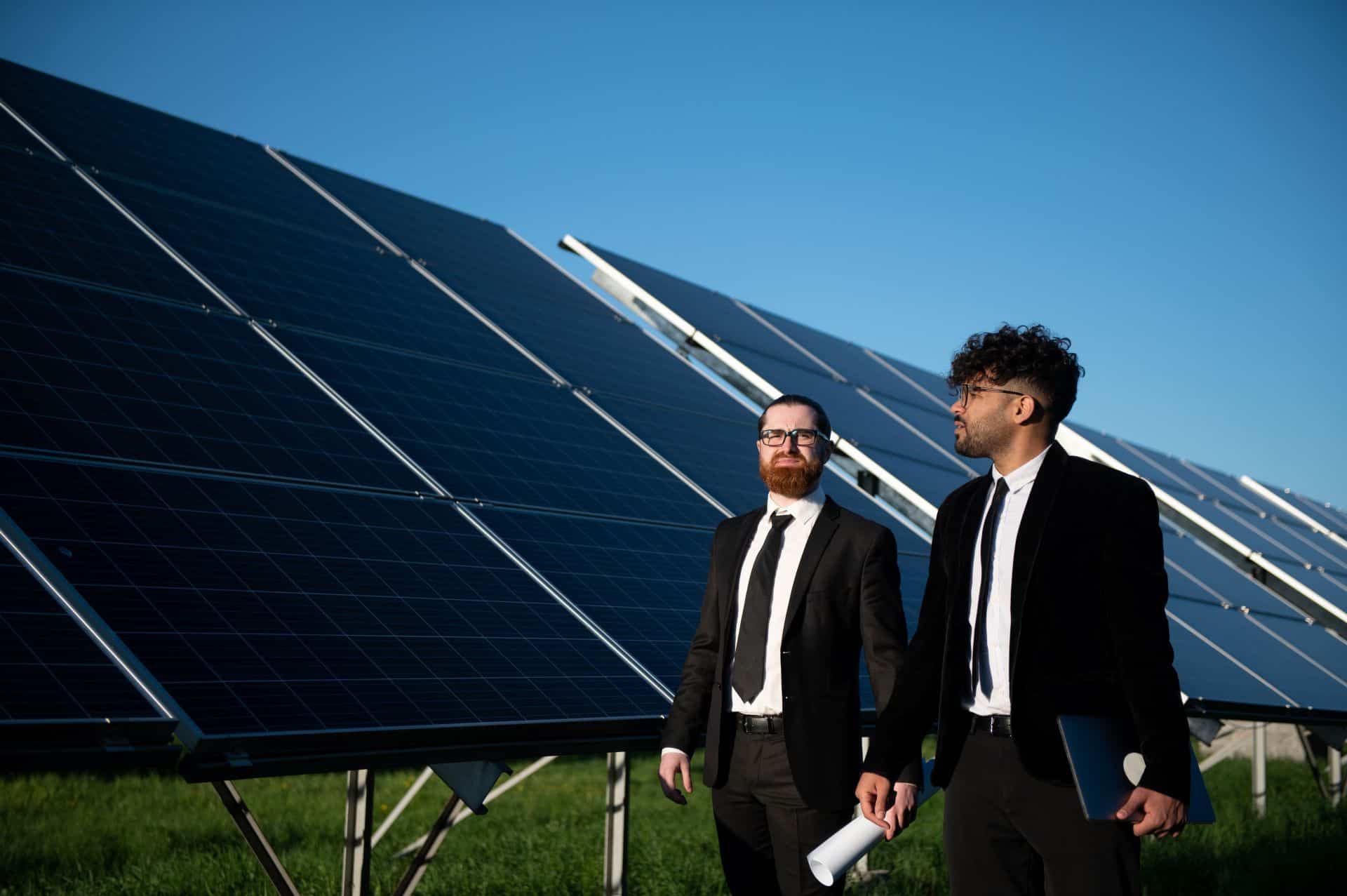
Solar battery storage enhances the operational stability of large-scale solar plants like Solar Plus Garden’s 10 MW project, facilitating more consistent energy supply to a broad community of homeowners and agricultural users. Storage buffers short-term fluctuations in solar power generation, smoothing supply to meet variable demand.
Le Adhésion au jardin model generates capital to finance battery operations through a transparent payment mechanism: a €200 entrance fee and an optional €20/month Garden box subscription delivering fresh local produce. This approach allows community engagement unlinked from direct solar or battery investment, broadening participation.
The platform is designed to support up to 3,000 garden plots, with solar revenues covering operational expenses, including battery system management and community activities. This model complies with clearly defined legal structures across Estonian and Serbian jurisdictions, safeguarding funds via escrow arrangements and transparent reporting.
Coupling battery storage with agrivoltaic farming optimizes land productivity by enabling simultaneous generation of solar power and food crops. Storage systems stabilize power delivery for agricultural equipment, irrigation, and community facilities, compensating for solar intermittency and reducing reliance on external grid power.
Common Pros and Cons of Solar Battery Storage for Homeowners
| Advantages | Limitations |
|---|---|
|
|
Compared to grid-tied solar systems without battery storage, integrating batteries offers enhanced control over solar power consumption, but introduces additional costs and operational factors homeowner should consider in relation to their specific energy needs and local conditions.
FAQ
How long can a solar battery power my home during an outage?
Backup duration depends on your home battery’s capacity and actual household load. Typically, a 10 kWh battery maintains an average load of 1 kW for approximately 8 to 10 hours, considering safe depth-of-discharge limits.
What factors influence the cost of installing solar battery storage?
Installation costs vary based on battery chemistry, storage capacity, inverter compatibility, installer labor rates, and local permitting fees. Eligibility for subsidies or tax incentives can also significantly influence net costs.
Can I add a solar battery to my existing solar panel system?
Yes, if your current inverter supports hybrid functionality or can be upgraded to one that does. Compatibility checks and battery sizing assessments should be performed by certified solar installers to ensure system safety and efficiency.
What maintenance do solar batteries require?
Maintenance is limited to monitoring system health via software dashboards, ensuring charging cycles remain within manufacturer guidelines, performing periodic physical inspections by qualified personnel, and applying firmware updates as available.
Conclusion
Adding solar battery storage to your home solar power system requires careful evaluation of your energy consumption patterns, budget, desired backup duration, and inverter compatibility. Local electricity tariffs, net metering policies, and incentive programs substantially affect the economics of battery investment.
Participation in community-focused initiatives such as Solar Plus Garden offers an alternative avenue to benefit from solar battery storage infrastructures through regulated, transparent membership models without direct hardware ownership. This reduces technical barriers and spreads investment risk.
As battery technologies evolve and regulatory frameworks adapt, homeowners should maintain engagement with reputable installers and platforms to make informed, data-driven decisions that optimize how solar batteries work to power your home effectively over the system’s operational lifecycle.
Lectures complémentaires
- Intégration des systèmes de stockage d'énergie par batteries (BESS) pour une production d'énergie solaire optimisée et une gestion efficace du réseau
- How to Choose and Optimize Solar Battery Storage Solutions for Reliable Energy Independence
- How Solar Peak Shaving with Battery Storage Cuts Electricity Costs Effectively