Passer au contenu








Floating Solar Farm: How Water-Based Solar Systems Expand Clean Power
What Defines a Floating Solar Farm and Its Core Components
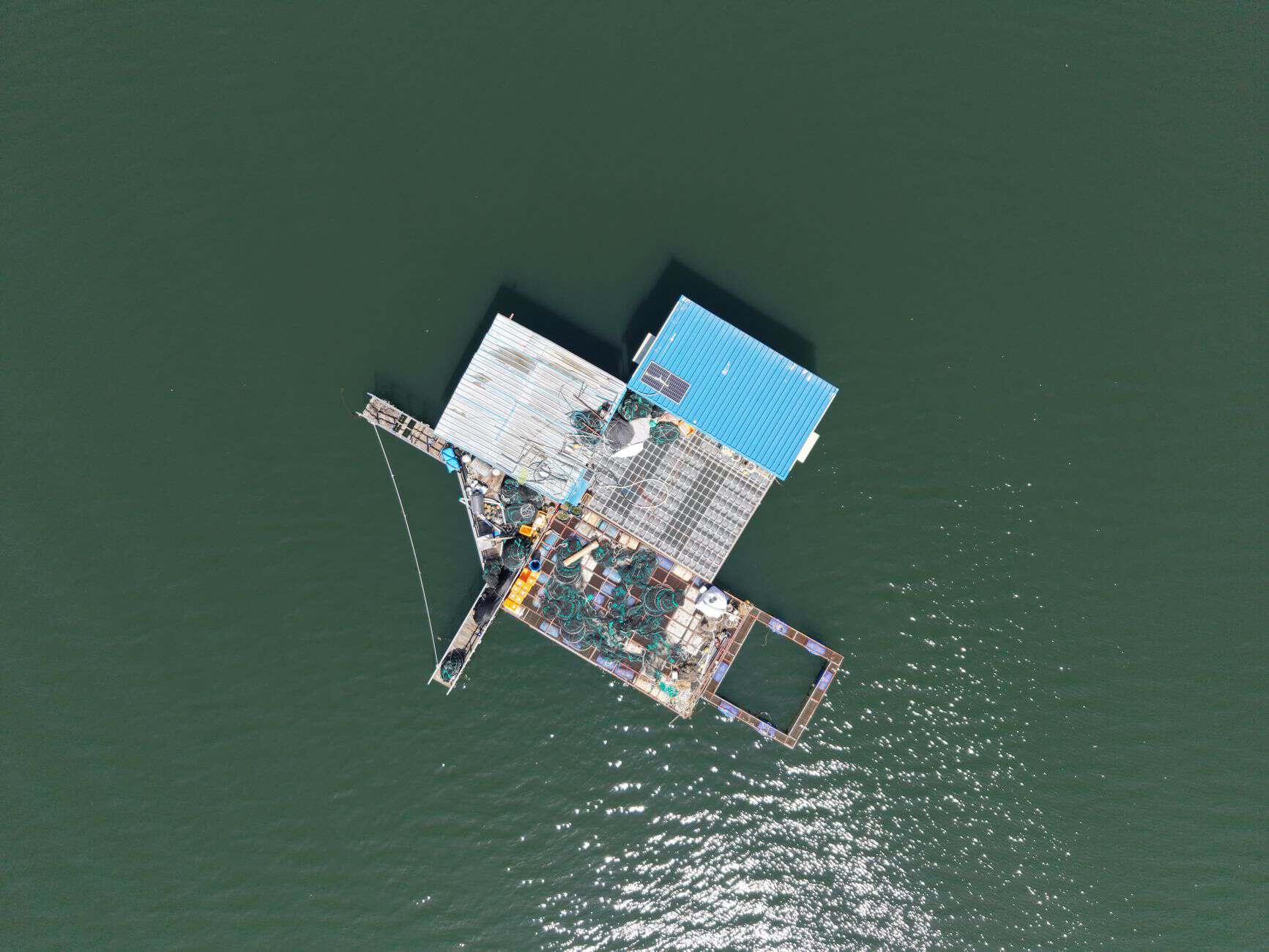
A floating centrale solaire consists of photovoltaic (PV) systems installed on surface water bodies such as lakes, reservoirs, or ponds. Unlike traditional ground-mounted solar farms deployed on land, these systems use floating platforms to support solar panels directly on the water surface. This configuration addresses land scarcity by utilizing underused water surfaces, especially in regions where land availability is constrained or environmental preservation is prioritized.
Core components of floating solar systems include:
- Floating pontoons: Constructed from corrosion-resistant materials such as high-density polyethylene (HDPE), polypropylene, or composite polymers, these pontoons are designed with buoyancy to support entire PV arrays. Typical pontoons are modular for scalable installation and engineered to withstand UV exposure, hydrostatic pressure, and mechanical stresses from wave action.
- Mooring and anchoring systems: Anchoring mechanisms adapt to local hydrological conditions, including water depth, flow velocity, and seasonal variation in water levels. Systems typically employ cable-and-chain configurations anchored by piles, gravity blocks, or screw anchors positioned according to geotechnical analysis. Compliance with regional engineering standards such as Eurocode EN 1997-1 for geotechnical design ensures platform stability over operational lifespans often exceeding 25 years.
- Panneaux photovoltaïques : Modules deployed are standard crystalline silicon or bifacial solar panels rated for outdoor and marine-adjacent environments. Mounting frames use marine-grade stainless steel or anodized aluminum to resist corrosion. Electrical components incorporate IP67-rated junction boxes and cabling to protect against moisture ingress and aquatic environments.
Floating solar systems differ from land-based solar farms primarily through their aquatic siting, requiring specialized designs to maintain stability, withstand biofouling, and tolerate mechanical stresses unique to water bodies. System integration also accounts for maintenance access and durability under prolonged humidity and potential water surface contamination.
Technical Benefits and Challenges of Floating PV Technology
Floating PV technology offers measurable efficiency improvements relative to ground-mounted solar farms due to the inherent cooling effect of water underneath panels. Field studies show panel operating temperatures are typically 7-12°C lower, enhancing efficiency by approximately 5-10%, dependent on irradiance levels and ambient climate. This temperature reduction mitigates thermal performance losses normally observed in crystalline silicon panels operated above 25°C cell temperature.
Additional technical advantages include:
- Land use optimization: Floating solar farms enable energy production without competing for agricultural or urban land, which is critical in densely populated regions or areas with high land value.
- Water conservation: By shading water surfaces, floating solar plants can reduce evaporation rates by 30-70% depending on coverage density and local climate, reducing water loss in reservoirs due to solar radiation.
Floating solar systems also encounter specific challenges:
- Biofouling: Accumulation of algae, mollusks, and other aquatic organisms on submerged floating pontoons and the underside of floating solar panels can decrease reflectance, increase weight, and reduce energy yield. Routine cleaning protocols and anti-fouling coatings are employed to mitigate these effects.
- Corrosion: Exposure to high humidity and aquatic aerosols requires use of marine-grade materials and protective coatings on support structures, electrical contacts, and connectors to prevent degradation and ensure electrical safety standards such as IEC 61730 are met.
- Anchoring stability: Engineering design must account for wave action, wind loading, and water current forces. Structures are typically designed to withstand waves up to 0.5 meters significant wave height in reservoirs or lakes, using dynamic analysis compliant with standards such as IEC 61400-1 adapted for floating PV systems.
Design codes recommend anchoring systems accommodate water level variations of up to 3 meters to maintain platform stability in reservoirs prone to seasonal drawdown or rainfall fluctuation.
Operational Environment: Site Selection for Floating Solar Projects
Optimal site selection for floating solar projects requires evaluation of physical, technical, and regulatory criteria to ensure project performance and compliance. Key considerations include:
- Water body characteristics: Sites should have depths exceeding 1.5 meters to allow mooring lines to avoid contact with benthic environment and facilitate anchoring without substrate disturbance. Area size varies with project scale; for example, a 1 MW floating solar project may require 1.5-2 hectares of surface area depending on panel density.
- Water surface stability: Locations with low wave energy and minimal current velocity—typically artificial reservoirs, hydroelectric dam lakes, or calm natural lakes—are preferred to reduce mechanical stresses on points of flotation and mooring systems.
- Proximity to existing grid infrastructure: To minimize costs and power losses, sites should ideally lie within 1-2 kilometers of medium-voltage distribution lines. Grid interconnection requires design considerations for underwater cable routing or overhead connections to shore-based transformers.
Regulatory due diligence is essential, including:
- Water use rights: Securing permits for installation on public or private water bodies, often involving local water management authorities or environmental agencies, is mandatory.
- Environmental compliance: Assessment and permitting must align with regulations such as the EU Water Framework Directive in European jurisdictions, or corresponding national legislation, ensuring minimal disruption to aquatic ecosystems and water quality.
Comprehensive hydrological studies evaluate seasonal water level fluctuations, sediment transport, and potential flooding to inform anchoring and platform design. Environmental impact assessments analyze effects on aquatic flora and fauna, informing mitigation measures integrated in project planning.
Overview of the Largest Floating Solar Farms Operational as of 2026
The deployment of floating solar plants has accelerated globally since 2022, with the five largest floating solar farms predominantly located in East Asia. These projects demonstrate engineering innovation and scalability in floating PV technology. The largest floating solar plants as of 2026 include:
- Dezhou Dingzhuang Floating Solar Farm (China): Completed in mid-2024 with a capacity of 320 MW, this project employs modular HDPE pontoons and bifacial PV panels, optimized for double-sided irradiance capture. Automated robotic cleaning systems are integrated to manage biofouling, minimizing manual maintenance costs.
- Three Gorges New Energy Floating Solar Project (China): Commissioned in 2023 with 150 MW capacity. The project utilizes adaptive anchoring systems using screw piles embedded up to 10 meters in sediment, capable of tolerating water level changes exceeding 2.5 meters. A supervisory control and data acquisition (SCADA) system enables real-time monitoring of platform integrity and panel performance.
- Sembcorp Floating Solar Park (Singapore): A 60 MW floating solar installation finished in early 2025 on a freshwater reservoir. The project features double-glass solar panels for enhanced durability in humid tropical conditions and corrosion-resistant marine-grade aluminum frames. Shading coverage is limited to 40% of the water surface to preserve reservoir ecology.
- Yamakura Floating Solar Plant (Japan): Operational since 2022 with 35 MW capacity, this installation uses flexible modular pontoon designs and incorporates ultrasonic anti-biofouling technology on underwater structures to reduce maintenance frequency.
- Hyundai Floating PV Facility (South Korea): Commissioned in 2025 with 40 MW capacity, integrating battery energy storage systems (BESS) rated at 10 MWh to stabilize grid delivery. The design includes array configurations optimized for shading reduction and evaporation control on the reservoir surface.
These projects collectively illustrate the trend toward multi-hundred megawatt floating solar farms, leveraging region-specific regulatory support and addressing land limitations through water-based solar projects that complement existing energy infrastructure.
Investment and Financial Considerations Specific to Floating Solar Farms
Capital expenditure (CAPEX) structure for floating PV systems deviates from ground-mounted solar farms due to specialized aquatic components. Typical CAPEX allocation is approximately:
- Floating structures and mooring systems: Constituting about 30% of total CAPEX. This includes design and manufacture of pontoons, corrosion-resistant anchoring hardware, and aquatic-grade electrical conduit installation.
- PV modules and related electrical equipment: Around 40%, consisting of solar panels, inverter stations, cabling protected to IP67 standards, and transformers sized according to the plant capacity.
- Balance of system (BOS): Approximately 30%, covering grid interconnection (including potential underwater cables), monitoring and control hardware (such as SCADA systems), and site preparation costs.
Operation and maintenance (O&M) involve scheduled panel cleaning (quarterly or more frequent depending on local biofouling rates), biannual underwater pontoon inspections using divers or remote-operated vehicles, and mooring system integrity assessments at 6-12 month intervals. These tasks contribute to O&M costs estimated to be 10-15% higher than comparable ground-mounted installations.
Payback periods rely on regional incentives, feed-in tariffs (FiTs), or power purchase agreements (PPAs). Investors must integrate contingencies for evolving regulatory environments and long-term maintenance expenditures. Subsidy frameworks in jurisdictions with floating solar projects can significantly impact project IRR but remain subject to revision.
Environmental Impact and Regulatory Framework Governing Floating Solar Installations
Floating solar plants interact with aquatic ecosystems, necessitating environmental impact evaluations. Principal ecological considerations include:
- Light penetration reduction: Partial coverage by floating solar panels decreases sunlight penetration to aquatic vegetation, potentially limiting photosynthesis. Studies recommend capping maximum water surface coverage to 50% to avoid major ecosystem disruption.
- Water temperature effects: Shading can lower water surface temperatures by 1-3°C, affecting thermally sensitive species or altering stratification in deep reservoirs. Impact severity depends on waterbody volume and local climatic conditions.
- Disturbance to shoreline habitats: Installation activities may temporarily disrupt riparian vegetation and avian species during construction; mitigation includes timing works outside breeding seasons and restoring vegetation post-installation.
Mitigation strategies typically include:
- Designing partial shading layouts: Float array configurations maintain open water areas, facilitating sunlight diffusion and aeration.
- Implementing environmental monitoring protocols: Regular water sampling for turbidity, dissolved oxygen, and nutrient levels alongside biological surveys informs adaptive management plans.
In European contexts, projects comply with the EU Water Framework Directive, ensuring installation permits align with water quality and biodiversity protection objectives. Internationally, coordination with local environmental protection statutes governs permit issuance and operational monitoring requirements.
Integrating Floating Solar Within Agrivoltaic and Community-Driven Models
Floating solar projects can complement agrivoltaic and community investment models by minimizing land use footprint, allowing simultaneous agricultural or communal activities alongside renewable energy production. This integration resonates with the Solar Plus Garden platform, which combines solar power infrastructure with regenerative food production and community engagement.
The Solar Plus Adhésion au jardin model includes:
- A €200 one-time membership fee granting access to the solar investment platform and participatory community gardening activities.
- An optional Garden Box subscription (€20 per month) delivering 18 annual shipments of fresh, locally grown produce, financed by revenue generated from solar plants.
Structurally, the project consists of:
- An Estonian OÜ holding and operating the solar assets with transparent governance aligned to investor interests.
- A distinct legal entity managing the Garden community to maintain separation between solar energy operations and agricultural activities, yet integrated via membership engagement.
The project is designed for a solar capacity of up to 10 MW alongside provision for 3,000 garden plots, facilitating community scalability. The legal and payment frameworks, implemented for Estonia and Serbia, employ escrow models and regulatory compliance to limit risks and ensure fund integrity.
Maintenance and Longevity Factors Unique to Floating Solar Systems
Maintenance of floating solar systems addresses both standard PV upkeep and aquatic environment-specific challenges, scheduled as follows:
- Solar panel cleaning: Removal of dust, bird droppings, and biofouling deposits typically occurs quarterly but frequency adjusts based on local bioaccumulation studies. Cleaning uses water-efficient methods and biodegradable detergents compliant with environmental regulation.
- Floating platform inspection: Structural assessments, including leak detection in pontoons, are conducted biannually using visual and sonar techniques to detect wear or damage.
- Mooring and anchoring system evaluation: Engineering inspections every 6 to 12 months assess cable tension, anchor embedment, and corrosion levels to prevent failure from mechanical fatigue or material degradation.
Materials specified for longevity include marine-grade stainless steel fasteners conforming to ISO 3506, UV-resistant HDPE pontoons with expected lifespans exceeding 25 years, and anti-biofouling coatings extending maintenance intervals.
Advanced remote monitoring integrates sensors measuring panel performance, structural strain, and environmental variables. Predictive analytics optimize maintenance scheduling, reducing downtime and operational expenditures.
Foire aux questions
- How do floating solar farms compare in cost to traditional ground-mounted solar farms?
- Floating solar farms generally incur 10-20% higher initial capital expenses due to costs related to floating structures and mooring systems. Additional engineering and specialized materials contribute to this premium. However, water cooling can improve panel efficiency by up to 10%, and avoided land acquisition costs may offset a portion of the higher CAPEX.
- Can floating solar farms be installed on small lakes or private ponds?
- Yes, floating solar projects can be deployed on smaller water bodies if they meet minimum depth (generally >1.5 meters) and surface area requirements to permit safe mooring and adequate solar exposure. Smaller-scale installations may have higher relative costs and logistical challenges affecting their financial performance.
- What risks do floating solar installations pose to aquatic ecosystems?
- Risks include reduced sunlight reaching underwater vegetation, altered water temperatures, and disturbance to shoreline habitats during construction. These are addressed by limiting water surface coverage (commonly below 50%), implementing environmental monitoring programs, and scheduling works in compliance with local wildlife protection guidelines.
- How does Solar Plus Garden’s membership model support floating solar investments?
- The model collects a one-time membership fee invested in the solar project, enabling community participation in clean energy generation. Revenues from floating solar systems fund both maintenance and community activities such as the Jardinière produce delivery, ensuring financial transparency and stakeholder engagement through separate legal entities.
Conclusion
Floating solar farms present a viable alternative to ground-mounted solar projects by exploiting water surfaces and overcoming land limitations. Their technical design must address unique aquatic conditions, including anchoring stability, material durability, and biofouling control, while considering environmental impacts through regulatory compliance and mitigation strategies.
Investment in floating solar projects, including those integrated into community and agrivoltaic frameworks like Solar Plus Garden, demands detailed feasibility assessments covering hydrological, ecological, financial, and legal dimensions. Close monitoring of regulatory changes and technological developments in floating PV technology remains essential to ensure sustainable deployment and scalability.
Lectures complémentaires
- Comment les systèmes solaires flottants transforment l'énergie renouvelable à la surface de l'eau
- Société d'investissement dans l'énergie solaire : Saisir les opportunités offertes par l'énergie propre
- Intégration des systèmes de stockage d'énergie par batteries (BESS) pour une production d'énergie solaire optimisée et une gestion efficace du réseau