

Investing in Renewable Energy Mistakes to Avoid
Misjudging Energy Usage and Utility Rate Impacts
Accurately assessing energy usage is fundamental when investing in renewable energy projects such as solar power installations. Common solar mistakes include relying on aggregate or estimated energy consumption data rather than verified utility meter readings, which leads to improper system sizing and inaccurate financial projections. Energy usage data should span a minimum of 12 consecutive months to capture seasonal variability and peak loads.
Utility rate structures and net metering policies critically influence the return on investment (ROI) of solar systems. Net metering regulates compensation for excess solar power injected into the grid and may include caps on exported energy, time-of-use rate differentials, or reduced credit values. In 2026, these policies continue to evolve in multiple jurisdictions, requiring investors to consult the specific utilities and regulatory authorities governing their project locations.
Historical data from leading energy markets show utility rate escalations ranging from 2% to 5% annually over the past decade, driven by infrastructure costs and renewable integration expenses. Scenario modeling should incorporate these rates alongside potential regulatory changes scheduled for 2026 and beyond, such as adjustments to feed-in tariffs or grid fees, to provide realistic long-term forecasts.
- Tip: Obtain interval data from smart meters covering at least 12 months to analyze detailed energy usage patterns.
- Tip: Review the latest local net metering agreements effective in 2026, including any export caps and time-of-use rates.
- Tip: Include utility rate escalation factors of 2–5% per year in ROI models based on regional historical trends.
Overlooking Warranty Terms and Solar Panel Quality
Warranty understanding is critical to avoid costly mistakes when going solar. Solar panels typically carry two types of warranties: a performance warranty guaranteeing at least 80% of original output at year 25 and a product defect warranty lasting 10 to 12 years. Inverters, which convert DC to AC power, generally have warranties ranging from 10 to 15 years, with options for extended coverage. Failure to review degradation rates, warranty exclusions, or claiming processes exposes investors to premature equipment replacement costs.
Solar panel technologies differ substantially in performance and longevity. Monocrystalline panels offer higher efficiency (19–22%) and longer, more comprehensive warranties due to improved manufacturing standards. Polycrystalline panels generally achieve efficiencies of 15–18% with moderate warranty terms. Thin-film panels have lower efficiencies (10–13%) and shorter warranties, often less than 10 years, which increases replacement frequency and operational risks.
For solar systems installed in 2026, prioritizing panels with third-party certified warranties—such as those verified under IEC 61215 for performance and IEC 61730 for safety compliance—is advisable. Reviewing manufacturer reliability reports and degradation curves over at least one decade informs warranty robustness evaluation.
- Solar panel warranties: ≥25 years performance (≥80% output), 10–12 years product defect coverage compliant with IEC standards.
- Inverter warranties: Standard 10 years; optional extensions to 15 years depending on manufacturer.
- Solar panel types: Monocrystalline (19–22% efficiency), polycrystalline (15–18%), thin-film (10–13%), with corresponding warranty terms.
Failing to Account for System Design and Site Conditions
System design directly affects solar power generation and operational reliability. Key parameters include azimuth orientation, tilt angle, shading impact, and, in agrivoltaïsme installations, soil characteristics. Incorrect azimuth can reduce energy yield by up to 10–15% compared to true south orientation at mid-latitudes.
Shading losses correspond roughly linearly to affected panel surface but can disproportionately impact output due to bypass diode triggering; thus, less than 5% shading during peak solar hours (10:00–14:00) is recommended for optimal system design. Tilt angles should match the local latitude within ±5° to maximize annual solar insolation capture.
Agrivoltaic systems integrate solar panels with agricultural production, requiring soil assessments for moisture retention, compaction, and nutrient content to prevent detrimental effects. For instance, soil compaction from panels or structural supports should not exceed 1.3 g/cm³ to maintain crop productivity. Design optimization includes configuring panel spacing and alignment to balance shading benefits and sufficient sunlight for crops.
- Azimuth: Aim for ±15° from true south in the northern hemisphere to maximize insolation.
- Ombres: Maintain shading below 5% during 10:00–14:00 peak solar hours to avoid disproportionate production losses.
- Soil parameters: Agrivoltaic designs must ensure soil bulk density below 1.3 g/cm³ and suitable moisture levels for intended crops.
Underestimating Costs of Off-Grid and DIY Solar Solutions
Off-grid solar systems involve additional complexities and costs compared to grid-tied setups. Battery storage alone accounts for approximately 30–40% of total system costs due to capacities required for several days of autonomy (commonly 3–5 days) and battery management systems. Battery technologies such as lithium-ion or lead-acid have distinct maintenance requirements and lifespans; lithium-ion typically offers 5,000–7,000 cycles or 10–15 years, whereas lead-acid batteries last 3–5 years with periodic electrolyte maintenance.
DIY solar projects often bypass key technical standards such as NEC 2020 wiring codes or IEC 61730 safety certifications, risking non-compliance with electrical inspections and potential underperformance. Improper component matching, such as oversized inverters or undersized conductors, leads to energy losses or safety hazards.
Installation costs for off-grid systems tend to be 15–25% higher than grid-tied systems per kilowatt installed due to increased wiring, battery integration, and safety certifications. Maintenance costs include regular battery health checks, inverter servicing, and performance monitoring to detect degradation early.
- Panneaux solaires : Comparable cost per kW in both off-grid and grid-tied systems.
- Stockage de la batterie : 30–40% of total system cost; lifespan varies from 3 to 15 years depending on technology.
- Installation costs: 15–25% higher for off-grid due to complexity.
- Maintenance: Battery cycling management, electrolyte replacement for lead-acid, inverter servicing.
- Compliance: Must meet NEC 2020 and IEC safety standards to avoid operational and regulatory issues.
Ignoring Community and Regulatory Structures in Investment Models
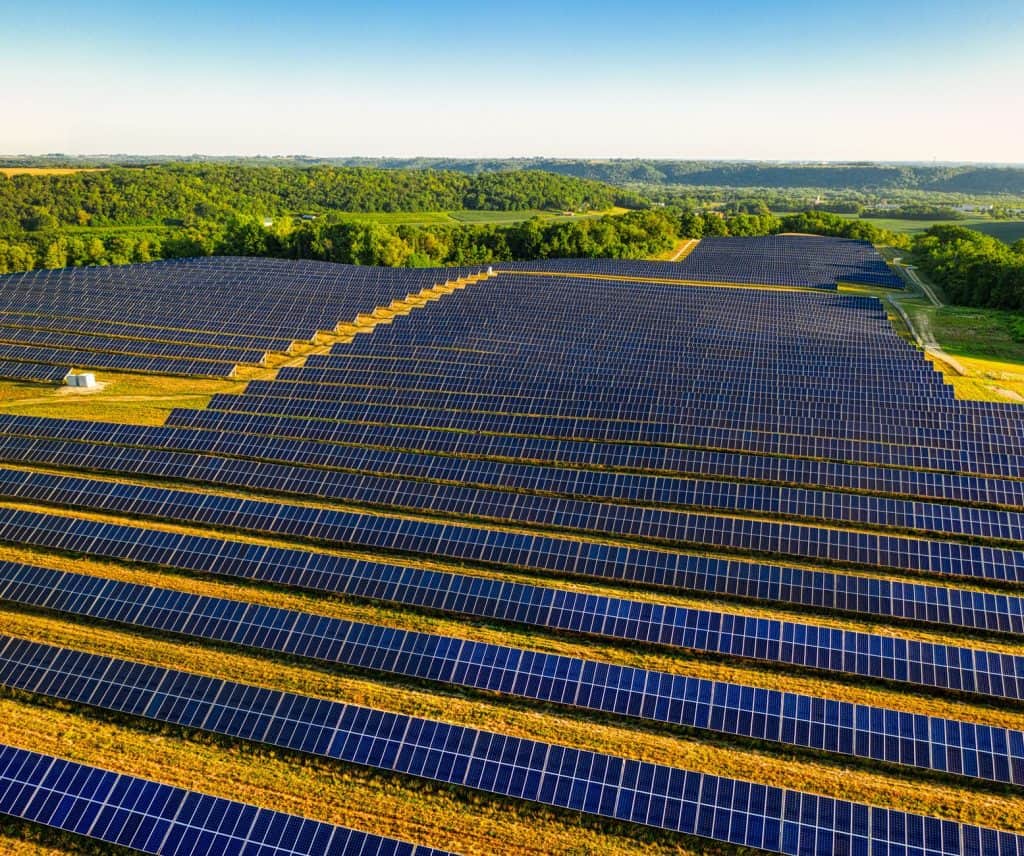
Clear legal frameworks and transparent governance are vital to avoid costly mistakes when investing in community solar projects. Solar Plus Garden exemplifies this through its multi-entity setup: an Estonian OÜ owns and operates the 10 MW solar plant, while a separate Serbian DOO administers the garden adhésion à la communauté. This structure delineates asset ownership and operational responsibilities, reducing cross-liability and ensuring regulatory compliance in both jurisdictions.
Investment funds are managed via escrow accounts with release conditions aligned to defined project milestones, enforcing financial discipline and preventing misappropriation. This escrow mechanism adheres to antifraud principles and is monitored by independent trustees, offering investor assurance on fund allocation.
Investors benefit from the segregation of operational and financial risks, transparent reporting, and compliance with EU and Serbian renewable energy regulations effective as of 2026, including RE Directive 2018/2001 and local Serbian energy laws.
- Legal setup: Estonian OÜ owns the solar assets with full compliance to EU renewable energy laws.
- Community model: Serbian DOO manages garden memberships independently to ensure operational clarity.
- Escrow payments: Funds disbursed only upon verified milestone completion, with trustee oversight.
Selecting Solar Companies Without Verifying Track Record and Transparency
Due diligence in selecting solar companies mitigates risks of project delays, technical failures, and financial losses. Proven track records include documented completion of large-scale solar installations exceeding 5 MW within the last five years, verified by reference site visits or third-party performance audits. Certifications such as ISO 9001 (quality management) and ISO 14001 (environmental management) indicate organizational maturity.
Transparency measures to seek are regular investor reporting detailing production metrics, financial accounting with audited statements, and clear ownership disclosures. The presence of formal investor controls such as escrow arrangements or third-party governance committees contributes to trustworthiness.
Red flags include unclear project ownership, lack of certifications, poor communication frequency, and absence of verifiable project data. Investors should request evidence of project documentation, warranties, and contracts aligned with 2026 regulatory standards.
- Verify documented project completions ≥5 MW in the last 5 years with independent audits.
- Look for ISO 9001 and ISO 14001 certifications among solar companies.
- Confirm investor protections such as escrow accounts and audited financial reports.
- Assess transparency of technical teams and communication protocols.
Neglecting Long-Term Maintenance and Performance Monitoring
Ongoing maintenance is essential for sustaining the energy yield and financial viability of solar systems throughout expected operational periods exceeding 25 years. Maintenance schedules typically include quarterly cleaning, inverter inspections every 6 months, and annual detailed performance audits. Neglecting scheduled upkeep accelerates panel soiling losses and inverter failures, diminishing return on investment over time.
Performance monitoring uses technologies like string inverters with real-time fault detection and centralized SCADA (Supervisory Control and Data Acquisition) systems. Environmental sensors measuring solar irradiance, ambient temperature, and shading conditions enable performance benchmarking against design simulations.
Industry benchmarks recommend string-level data acquisition with fault alert thresholds set below 2% output drop to identify anomalies promptly. Centralized dashboards enable multi-site portfolio management, improving transparency for investors and operators alike.
- Maintenance intervals: Quarterly cleaning, biannual electrical inspections, annual performance audits.
- Monitoring systems: Real-time string-level data logging, fault alerts below 2% deviation, environmental sensors.
- Operational tools: SCADA platforms integrated with automated reporting for transparency.
Ineffective Integration of Agrivoltaics and Garden Community Models
Integrating solar power generation with agricultural land use requires precise legal and operational structuring to maximize benefits and minimize risks. Solar Plus Garden separates the 10 MW solar plant ownership (Estonian OÜ) from the agrivoltaic garden community membership managed by a Serbian DOO, enabling distinct financial flows and governance.
The garden community model limits capacity to 3,000 plots, ensuring resource availability and product quality. Members pay a one-time €200 membership fee granting access rights, with an optional €20 monthly subscription for up to 18 seasonal deliveries of locally grown produce. This payment structure aligns community support with predictable solar power revenue streams, while legal separation maintains compliance with respective national jurisdictions.
Such integration addresses common solar mistakes related to overextending agrivoltaic capacity or unclear community membership benefits, ensuring the sustainability of both renewable energy and agricultural outputs.
- Capacity capped at 3,000 garden plots or boxes to balance resource allocation.
- Membership model: €200 one-time fee and optional €20/month subscription for garden produce.
- Separate legal entities maintaining financial clarity between solar operations and community activities.
Foire aux questions
What warranty should I expect when investing in solar panel systems in 2026?
Solar panels generally come with at least 25 years of performance warranty guaranteeing 80% or more of initial output and 10–12 years covering product defects. Inverter warranties typically span 10 years with options for extended coverage up to 15 years. Review warranty terms carefully, including degradation rates and claim procedures, to avoid unforeseen repair costs.
How does net metering affect the financial returns of my solar investment?
Net metering policies determine credit values and limits for electricity exported to the grid, directly impacting project ROI. Variations such as time-of-use credits, export caps, or policy phase-outs can significantly reduce returns if not accounted for in financial models.
Why is understanding the legal structure of solar investment platforms important?
Legal clarity ensures that funds are securely managed, investment risks are mitigated, and compliance with local laws is maintained. Well-defined structures, such as separate entities for asset ownership and community management, protect investors from operational and legal uncertainties.
Can I rely on a DIY solar system for significant long-term returns?
DIY solar installations may reduce upfront costs but frequently suffer from inefficiencies, code violations, and component mismatches. These issues often result in higher maintenance expenses, reduced energy yield, and potential noncompliance with inspection requirements, thereby lowering long-term returns.
Conclusion
Avoiding costly solar mistakes starts with precise energy usage analysis and a detailed understanding of utility rate structures including net metering policies relevant for 2026. Ensure warranty terms meet industry benchmarks, especially for solar panels and inverters, to protect your investment over the 25+ year system lifespan.
Transparent community and legal frameworks, such as Solar Plus Garden’s dual-entity model combining a 10 MW solar plant with an agrivoltaic garden membership, help mitigate financial and operational risks. Investors should prioritize solar companies with established track records, official certifications, and clear reporting mechanisms.
Comprehensive system design evaluation, rigorous maintenance scheduling, and real-time performance monitoring underpin sustainable solar power generation and optimized return on investment. Staying informed of regulatory changes and utility rate escalations will enable better decision-making in the evolving renewable energy landscape of 2026 and beyond.