








Complete Guide to the Organic Certification Process for Farms and Producers
Defining Organic Certification and Its Regulatory Framework
Organic certification formally verifies that agricultural operations comply with established organic standards throughout production, handling, and processing. The certification assures regulators and consumers that products labeled as organic meet defined environmental, health, and integrity criteria.
Le USDA organic certification program is governed by the USDA Agricultural Marketing Service (AMS) under the National Organic Program (NOP), codified in 7 CFR Part 205. These regulations specify prohibited substances (such as synthetic pesticides and genetically modified organisms), acceptable production practices, labeling requirements, and ongoing compliance monitoring protocols.
To become certified organic, operations must adhere strictly to the NOP standards. Certified organic farms do not use synthetic fertilizers, herbicides, or genetically engineered seeds and must maintain rigorous documentation to demonstrate compliance. This legal distinction allows them to market products as certified organic and capture price premiums.
USDA-accredited third-party certification bodies conduct annual audits, including thorough application reviews and on-site inspections, to validate adherence. Their oversight ensures the integrity and trustworthiness of the USDA organic certification label in domestic and international markets.
Eligibility Criteria and Preparing to Become Certified Organic
To get certified, producers must meet specific eligibility rules before submitting applications:
- Land History: The land must have been free from prohibited synthetic substances for at least 36 months (3 years) before the certification application date, known as the conversion period under NOP standards. This is documented through purchase records, land lease agreements, and input logs.
- Prohibited Substance Use: No application of synthetic fertilizers, pesticides, herbicides, or genetically engineered seeds may occur on the land or within the production system during this 3-year conversion phase.
- Comprehensive Record-Keeping: Producers have to maintain detailed records including input sourcing, quantities applied, pest management methods, soil amendments, harvest logs, storage records, and sales batch tracking to meet traceability requirements.
Applicants develop an Organic System Plan (OSP) that clearly outlines all farm management practices, inputs, field operations, pest and fertility management, and compliance with NOP criteria. The OSP must anticipate all possible scenarios and establish protocols for organic integrity.
Frequent compliance failures at this stage arise from incomplete land use records, undisclosed prohibited substance use during conversion, and inadequate pest or weed management strategies consistent with organic guidelines.
The preparatory process to compile land history documentation, verify input provenance, and finalize the OSP can last several months to ensure completeness and accuracy before formal submission to a certifier.
The Step-by-Step Organic Certification Process to Get Certified
The typical pathway to become certified organic consists of the following sequential steps spanning about 9 to 15 months, excluding the mandatory 36-month land conversion period:
- Application Submission: Submit the Organic System Plan along with historical land use and input documentation to a USDA-accredited certifying agent.
- Document Review: The certifier conducts a completeness and compliance assessment of the OSP and submitted materials, requesting clarifications or revisions if needed.
- On-Site Inspection: A licensed inspector conducts an extensive farm audit, typically lasting 4–8 hours depending on operation scale. They verify physical practices—such as crop rotation, organic input storage, buffer zones, pest and soil management—and review records against the OSP.
- Certification Decision: Based on the inspection report and documentation, the certifier issues a full or provisional certified organic status. Approval may include corrective action plans or temporary nonconformities to be resolved.
- Annual Renewal and Monitoring: Certified farms undergo yearly inspections and renewals requiring updated records, verification of adherence to evolving USDA organic standards, and corrective follow-ups as necessary.
The inspection checklist follows NOP guidance and covers critical control points including soil fertility practices, pest management strategies, isolation measures to prevent cross-contamination, and segregation of organic from non-organic products.
Failure to comply during annual reviews can lead to suspended certification if nonconformities are not corrected within a standard period of 60 days.
Costs and Financial Considerations in Becoming Certified Organic
Costs for organic certification include both direct and indirect financial commitments that vary by farm size, complexity, and region.
- Direct Costs:
- Application fees to the certifier, usually ranging from €200 to €1,000 depending on documentation scope.
- Inspection fees typically between €500 and €2,000, proportionate to farm acreage, number of production sites, and complexity of operations (multi-site or multi-product farms incur higher costs).
- Annual certification fees for renewal, which cover administrative costs of ongoing compliance verification.
- Indirect Costs:
- The mandatory 3-year land transition often entails reduced yields or disrupted production due to ceasing conventional inputs and adapting to organic management.
- Increased labor and management time dedicated to detailed record-keeping and compliance activities.
- Potential initial investment in organic-compliant inputs, equipment modifications, and infrastructure to prevent contamination (e.g., fencing or dedicated storage facilities).
- Yield variability during and immediately after the transition as the ecosystem stabilizes without synthetic inputs.
Producers may seek financial support through grants or cost-share programs available in certain jurisdictions to alleviate the financial burden of certification and transition. The decision to certify often weighs upfront costs against expected long-term market access and price premiums typical of certified organic produce, which can command 10-30% higher prices depending on product category and market conditions.
Compliance Requirements and Maintaining Certified Organic Status
Ongoing compliance to retain certified organic status includes several critical activities:
- Annual On-Site Inspections: Certifiers conduct yearly farm visits assessing continued adherence to the Organic System Plan and evolving USDA NOP regulations. Inspections verify production records, input use, buffer zones, and product segregation.
- Continuous Record-Keeping: Daily logging of all cultivation practices, input sourcing and application, harvest results, storage, and sales transactions must be maintained systematically to ensure traceability and integrity.
- Product Segregation and Traceability: Certified organic products must be physically segregated from conventional products through designated storage, transport, and packing to prevent commingling or contamination.
- Non-Compliance Management: If inspection reports identify deviations, producers have a standard corrective period of 60 days to remedy issues before certification is suspended. Repeat failures can lead to decertification.
- Adapting to Regulatory Updates: USDA NOP standards and allowed inputs lists are periodically revised. Producers and certifiers must stay informed and update their Organic System Plans and production practices accordingly.
Special Considerations for Agrivoltaic Farms Within the Organic Certification Framework
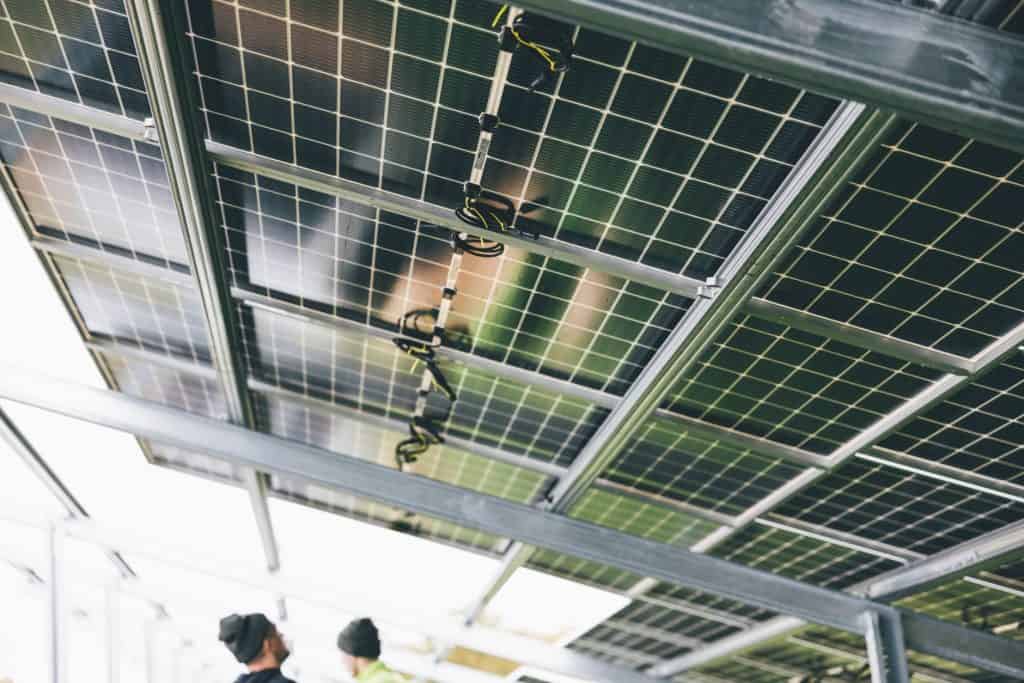
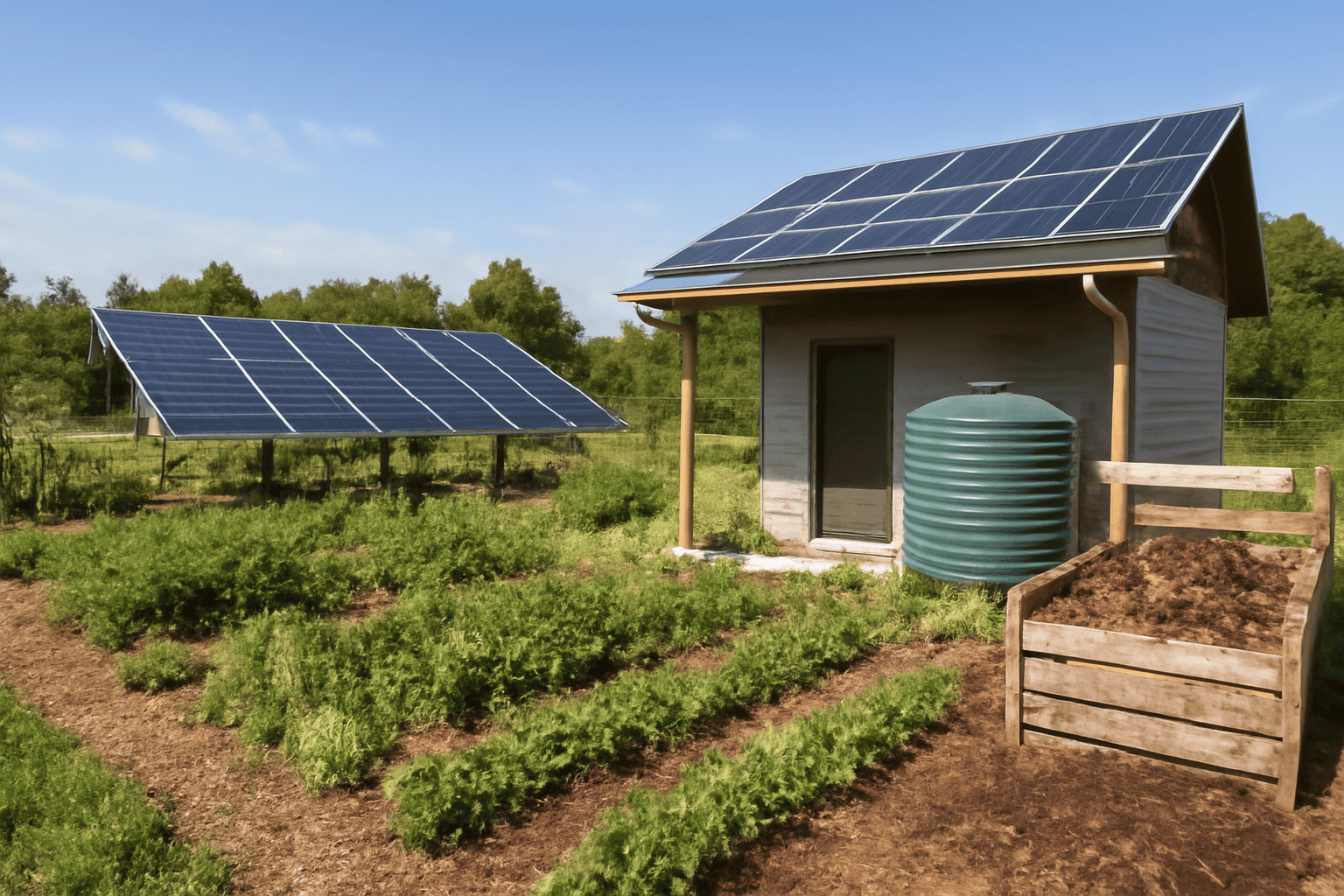
Agrivoltaic farms integrate photovoltaïque solar arrays with organic crop production, introducing unique aspects addressed within the organic certification process:
- Contamination Prevention: Solar infrastructure must not introduce prohibited substances such as non-organic coatings or herbicides for vegetation control beneath panels.
- Compatibility with Organic Pest and Soil Management: Structures should allow for standard organic soil tillage and biological pest management practices without interference.
- Documentation Requirements: Farms need to provide explicit documentation showing solar arrays and associated infrastructure comply with organic buffer zone requirements and do not impede organic production standards.
- Certification Body Recognition: While USDA-accredited certifiers increasingly accept agrivoltaic farms, supplementary monitoring—such as soil health testing beneath solar panels—may be required to confirm continued organic compliance.
- Best Practices: Transparent record-keeping related to solar operation impacts and proactive engagement with certifiers helps minimize audit issues and supports successful certification renewal.
Maintaining certified organic status in agrivoltaic systems requires ensuring that the solar infrastructure is compatible with and supportive of NOP organic crop production practices.
Choosing the Right Certification Body and Navigating Regional Differences
Selecting an accredited certifier aligned with your production goals and target markets is a foundational step in the organic certification journey. Considerations include:
- Certifier Accreditation and Scope: USDA-accredited certifiers are required for NOP compliance in the United States, while the European Union operates its own certifier network under Regulation (EU) 2018/848 and regional organic standards. Cross-recognition agreements exist between some certifiers facilitating market access.
- Regional Regulatory Variations: Certification costs, application procedures, inspection frequency, and documentation requirements vary between regions and certifiers. Export-oriented producers should verify certifier recognition in target markets and explore equivalency agreements such as the US-EU Organic Equivalence Arrangement.
- Cost and Service Differences: Some certifiers specialize in small-scale farms, certain crop types, or multisite operations, impacting fees and timeline efficiencies. Reviewing certifier performance records and producer feedback can guide selection.
- Alignment With Business Strategy: Choose certifiers whose processes and standards best match your farm size, crop diversity, sustainability objectives, and market plans to optimize certification benefits and avoid redundant procedures.
Common Pitfalls During the Organic Certification Process and How to Avoid Them
Being aware of frequent challenges can help producers successfully get certified without procedural setbacks:
- Incomplete or Inaccurate Documentation: Most certification delays stem from missing, inconsistent, or unverifiable records. Establish robust record-keeping systems from the outset.
- Residues of Prohibited Substances: Detection of prohibited synthetic chemical residues in soil or crops during the 3-year conversion period typically halts or invalidates certification applications.
- Cross-Contamination Risks: Insufficient buffer zones or failure to prevent drift from neighboring conventional farms jeopardizes compliance. Maintain a minimum 7-meter buffer as recommended by USDA NOP.
- Poorly Prepared Organic System Plans: Vague or unrealistic OSPs cause rejection. Engage experienced consultants or certifier guidance to tailor your plan accurately.
- Inadequate Inspection Readiness: Farms unprepared for inspection delays certification. Confirm that physical operations fully align with the OSP and that staff understands compliance requirements before inspection.
Proactive documentation, early compliance verification, and transparent communication with certifiers significantly improve the likelihood of a smooth certification process.
Foire aux questions (FAQ)
The entire organic certification process, including the mandatory 36-month land conversion period, typically spans 9 to 15 months from formal application submission to certification issuance.
What documents are required when applying for organic certification?
Applicants submit a comprehensive Organic System Plan (OSP) detailing production methods, at least 3 years of land use history confirming no prohibited inputs, input purchase records, pest and fertility management plans, and traceability documentation for harvested products.
Can a farm with existing solar panels participate in organic certification?
Yes. Farms operating agrivoltaic systems with solar panels can obtain certified organic status if the solar infrastructure does not conflict with organic standards, especially regarding pest management, soil health, contamination prevention, and buffer zones. Certification bodies may require additional data on agrivoltaic operation impacts.
What are the ongoing requirements to maintain USDA organic certification?
To maintain USDA organic certification, farms must undergo annual on-site inspections, maintain thorough and current production records, document all inputs and practices consistent with the Organic System Plan, renew certification annually, and address any non-compliance issues within prescribed corrective action periods, typically 60 days.
Conclusion
The pathway to certify as organic production entails comprehensive preparation, including verifying land eligibility, developing a detailed Organic System Plan, and selecting an appropriately accredited certifier aligned with operational and market goals.
Maintaining certified organic status requires ongoing compliance with evolving USDA NOP standards, stringent record-keeping, and readiness for annual inspections. Early and thorough engagement with the certification process mitigates risks related to documentation gaps or non-conformities that might delay approval.
By integrating transparency, rigor, and adherence to USDA organic standards, producers can successfully get certified, access premium markets, and contribute constructively to sustainable agricultural systems.