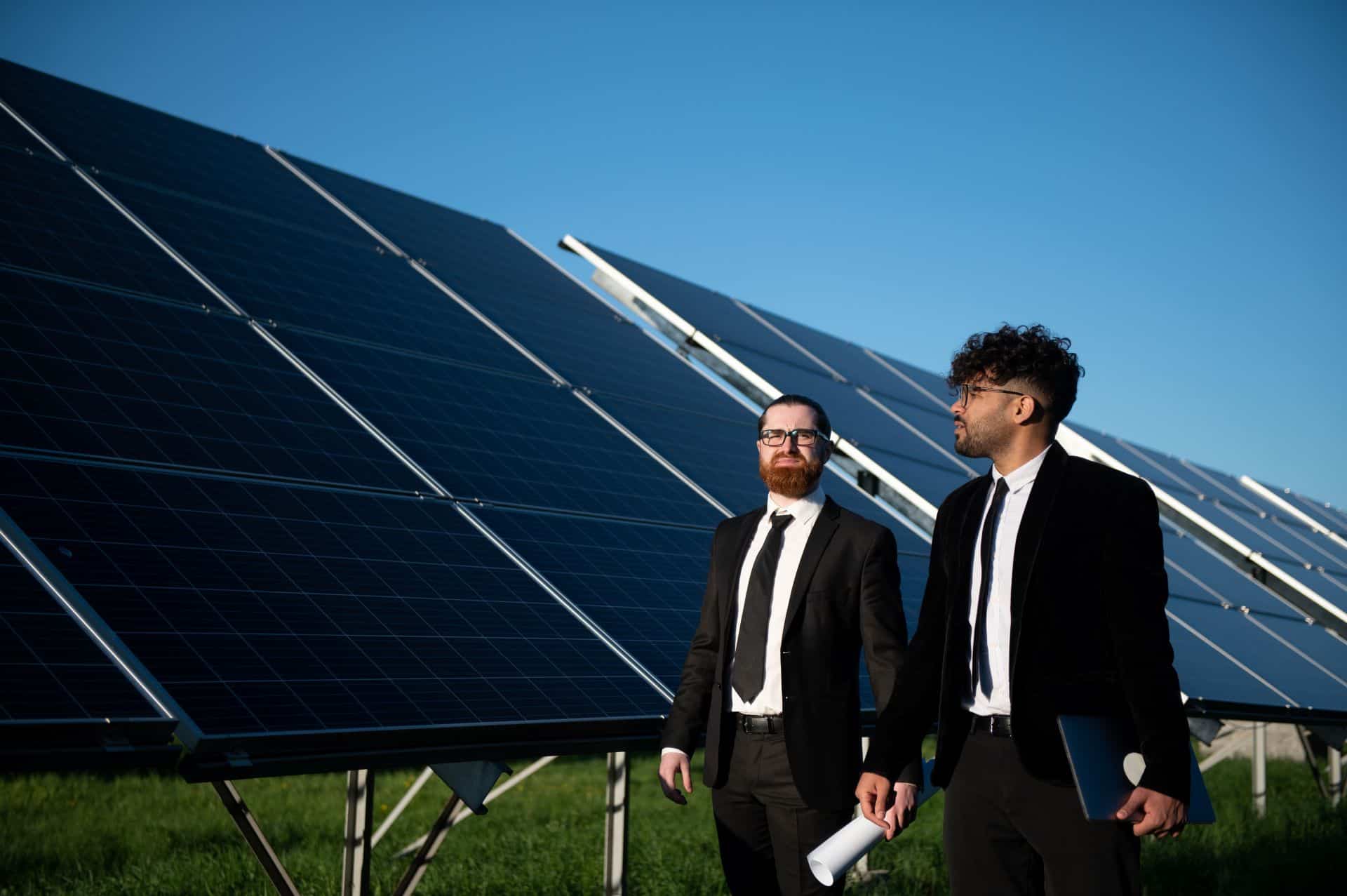










Guide complet du recyclage des panneaux solaires : procédés, normes et impact sur la communauté

Understanding the Composition and Lifespan of Solar Panels
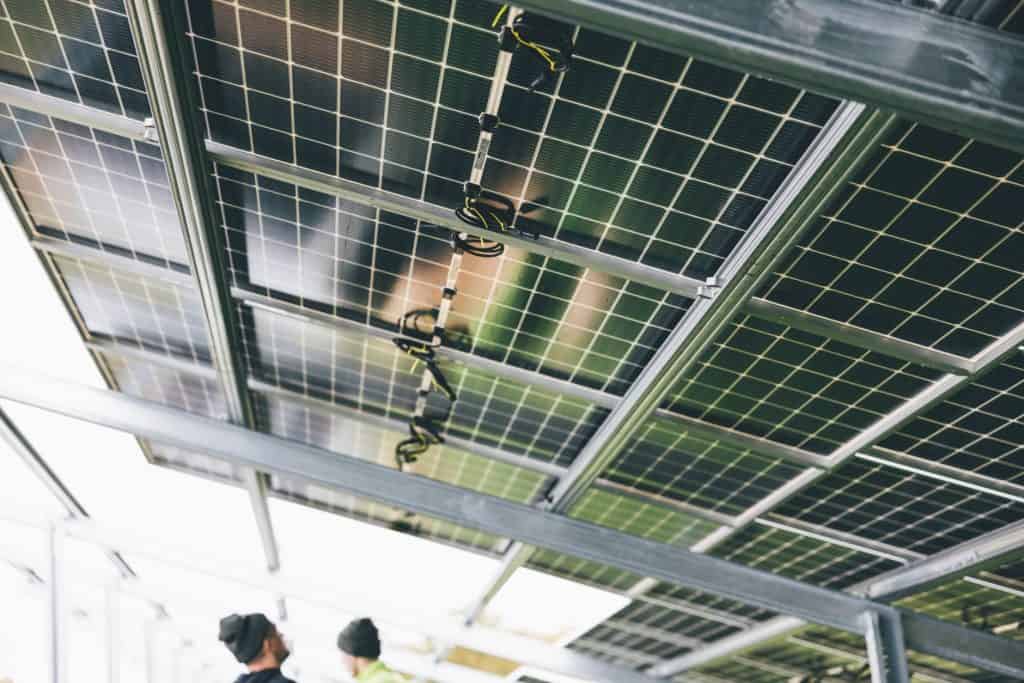
Solar panels, core assets of the solar industry, comprise materials engineered for durability and energy efficiency over extended periods. Typical photovoltaïque (PV) panels feature the following:
- Silicon cells: Predominantly monocrystalline or polycrystalline wafers roughly 200 to 240 microns thick, responsible for photovoltaic conversion.
- Glass: Approximately 3.2 to 4 mm thick low-iron tempered glass, providing durability, UV resistance, and high transmissivity (~91–93%) necessary for light penetration.
- Aluminum frames: Anodized extruded aluminum enclosing panel perimeters, providing structural rigidity and facilitating mounting.
- Wiring and connectors: Typically copper with silver-based conductive pastes, interconnected via encapsulated junction boxes.
- Encapsulants: Layers of ethylene-vinyl acetate (EVA) or similar polymers, applied by lamination to bond and protect cells from moisture and mechanical stress.
Panels are designed for an operational lifespan of 25 to 30 years, justified by warranty standards such as IEC 61215 and industry-established degradation rates averaging 0.5% to 1% efficiency loss annually. After this period, decreased efficiency results from encapsulant yellowing, cell microcracks, and frame corrosion.
End-of-life panels trigger the need for solar panel recycling to recover valuable materials and avoid landfill disposal. Efficient recycling supports waste reduction and resource conservation critical to sustainable solar industry growth.
Step-by-Step Solar Panel Recycling Process and Technologies
The solar panel recycling process involves multiple mechanical, thermal, and chemical steps to isolate and recover reusable materials. Key stages include:
- Mechanical Dismantling: Initial removal of aluminum frames, junction boxes, and wiring harnesses, typically performed mechanically or manually to preserve component integrity.
- Crushing and Shredding: The panel laminate undergoes controlled crushing using industrial shredders, breaking it into smaller fragments for material liberation.
- Material Separation: Techniques such as dry abrasion, sieving, and density-based sorting isolate glass (up to 70%-75% by weight) from silicon wafers and backsheet polymers.
- Chemical and Thermal Treatment: Processes like pyrolysis or controlled heating at 500–600 °C degrade the EVA encapsulant, releasing silicon cells and glass without chemical contamination. Chemical baths, including alkaline or acidic etchants, remove residual polymer and metallic impurities.
- Purification Technologies: Recovered silicon dioxide is purified via chemical methods or melted for glass reuse. Silicon recovery aims to achieve purity levels exceeding 99.9% to meet solar-grade requirements for new cell manufacturing.
Leading-edge recycling facilities incorporate tailored thermal profiles and solvent extraction to maximize silicon wafer recovery rates, with pilot projects reporting up to 85–90% recovery efficiency. Glass extracted typically meets standards for specialty glass applications, retaining optical clarity and chemical stability.
Regulations and Standards Governing Solar Panel Recycling and Disposal in 2026
Solar panel recycling and disposal are regulated under frameworks promoting circular economy principles, particularly within the European Union. The Waste Electrical and Electronic Equipment (WEEE) Directive 2012/19/EU sets binding obligations:
- Producer Responsibility: Manufacturers and importers must finance collection, treatment, and recovery of PV modules at their end of life, ensuring environmentally sound management aligned with Directive targets.
- Collection Targets: EU member states adhere to annual minimum collection rates for electronic waste, with progressive increase steps; PV modules are included under these categories.
- Certification and Reporting: Recycling operators require certification to quality and environmental management standards such as ISO 14001 and must report quantitative data on collection volumes and material recovery rates to authorities.
- National Adaptations: Serbia’s national law, harmonized with EU directives, mandates compliant recycling procedures with detailed monitoring but applies enforcement through its own regulatory agencies.
- Safety and Environmental Standards: Occupational exposure limits to hazardous substances during dismantling are governed by EU directives, including REACH regulations on chemical use, ensuring worker protection during solar panel recycling and disposal operations.
These regulations form the legal basis affecting operational considerations at Solar Plus Garden’s Estonian OÜ and Serbian DOO legal entities and align project compliance with investor transparency requirements.
Investment and Financial Implications of Solar Panel Recycling within Solar Plus Garden’s Model
Within Solar Plus Garden’s structured investment for the 10 MW solar plant, solar panel recycling incurs both direct and indirect financial impacts:
- Lifecycle Cost Accounting: Comprehensive financial models include forecasted end-of-life recycling expenditures covering mechanical dismantling (€30–50 per panel), transportation, and chemical treatment, amortized over the 25–30 year operational period.
- Secondary Revenue Projections: While revenues from sales of recovered metals (aluminum, copper, silver) and silicon materials exist, volatile commodity prices necessitate conservative assumptions; material resale may offset 5–15% of recycling costs in current markets.
- Community Membership Fee Usage: Membership fees (€200 one-time plus optional €20 monthly Garden box subscriptions) fund solar plant operations and contribute to recycling budgets—this allocation supports transparent capital deployment across environmental and community activities.
- Atténuation des risques : Incorporating solar panel recycling cost contingencies into cash flow models reduces unforeseen financial exposure from regulatory changes or technological shifts affecting recycling economics.
This integrated approach ensures that investors’ returns reflect the comprehensive cost structure, reinforcing the long-term sustainability and financial clarity of the Solar Plus Garden model.
Community Engagement and Environmental Impact from Effective Solar Panel Recycling
Effective solar panel recycling enhances community trust and environmental outcomes through measurable impacts:
- Material Recovery Rates: Verified recycling operations achieve landfill diversion rates exceeding 75% for glass and encapsulants, with aluminum frames and silicon cells reclaimed at rates up to 90% and 85%, respectively.
- Resource Conservation: Recycling recovered silicon reduces demand for virgin polysilicon, a resource-intensive material requiring high-purity quartz extraction and significant energy for manufacturing, thus lowering embedded carbon footprints by up to 40% compared to primary production.
- Investor Transparency: Publication of audited environmental performance metrics and recycling reports strengthens community and investor confidence in Solar Plus Garden’s commitment to integrated sustainability strategies.
- Funding Support to Garden Community: Revenues and savings realized from optimized recycling channels are re-invested into agrivoltaic and garden community operations, supporting regenerative agriculture and local food production aligned with platform objectives.
This comprehensive model leverages circular economy principles, aligning environmental stewardship with community value and economic sustainability.
Innovations and Future Trends in Solar Panel Recycling Technologies
Advancements shaping solar panel recycling methods promise higher efficiency and lower costs:
- Closed-Loop Recycling Processes: Pilot operations report silicon recovery efficiencies near 90%, achieved by integrating advanced pyrolysis followed by chemical purification. These processes allow direct reuse of silicon feedstock in new wafer production, reducing reliance on metallurgical-grade silicon.
- Design for Recycling: Development of modular solar panels with non-laminated, mechanically detachable layers facilitates easier dismantling, reducing labor time by an estimated 30-40% in recycling workflows and lowering contamination risks.
- AI-Driven Automated Sorting: Robotics augmented with machine learning algorithms enable identification and segregation of component materials with over 95% accuracy, with commercial deployment expected within 3-5 years in mature recycling markets.
- Thermochemical Recycling Enhancements: Research into low-temperature plasma treatments shows promise for efficiently removing encapsulants without material degradation, potentially cutting energy consumption by up to 25% compared to conventional pyrolysis.
Ongoing innovation is set to increase yield, reduce environmental impact, and improve recyclers’ economic viability, further embedding solar panel recycling and disposal into the sustainable solar energy value chain.
Practical Steps for Solar Panel Owners and Investors to Manage End-of-Life Panels Responsibly
Responsible management of decommissioned solar panels involves these sequenced actions to ensure compliance and environmental stewardship:
- Certified Recycler Selection: Confirm recyclers hold current certifications such as ISO 14001 and meet WEEE Directive compliance, supported by third-party audits and provision of environmental impact assessments.
- Scheduling and Logistics Coordination: Develop replacement and transport schedules considering local regulatory deadlines, volume capacity of recycling facilities, and cost-effective batching strategies, minimizing storage time and transport emissions.
- Documentation and Legal Compliance: Maintain traceability through chain-of-custody documentation including certificates of destruction, recycling confirmation, and environmental reporting mandatory under EU regulations and aligned Serbian law.
- Integration into Investment Reporting: Include solar panel recycling status and costs in investor disclosures and financial statements to meet governance standards and support monitoring of sustainability targets.
Following these steps fulfills legal obligations and aligns with Solar Plus Garden’s transparent governance framework, enhancing stakeholder value and ecological responsibility.
Foire aux questions
What materials are typically recovered during solar panel recycling?
Solar panel recycling recovers key components including tempered glass constituting about 70% of panel weight, anodized aluminum from frames (around 15%), high-purity silicon wafers from cells (approximately 10%), and precious or base metals such as silver and copper from wiring and contacts.
How does the Solar Plus Garden model incorporate solar panel recycling costs?
Solar Plus Garden accounts for recycling through integration of end-of-life expenses in investment financial models and channels adhésion à la communauté fees to cover operational and recycling-related costs, assuring transparent allocation and long-term project sustainability.
Are there legal requirements for recycling solar panels in the EU and Serbia?
Yes. The WEEE Directive imposes mandatory recycling for PV modules in the EU with producer responsibility schemes. Serbia enacts aligned national legislation requiring compliance with PV waste management standards, including collection, recycling efficiency targets, and proper reporting.
Can old solar panels be reused instead of recycled?
While some panels near end-of-life can be repurposed in low-demand applications or for educational purposes, cumulative efficiency loss (typically exceeding 20% after 25 years) and lack of certification restrict widespread reuse. Recycling is the preferred approach to recover high-value materials sustainably.
Conclusion
Effective solar panel recycling and disposal represent essential practices for sustainability within large-scale solar projects such as Solar Plus Garden’s 10 MW plant. Compliance with stringent regulations, selection of certified recycling partners, and integration of recycling costs into investment and community financial models secure environmental and fiscal accountability. Continued advancements in recycling technology and evolving regulations require ongoing reassessment to optimize resource recovery and economic outcomes in the solar industry.
Lectures complémentaires
- Opportunités d'investissement dans les centrales solaires en 2026 : Guide complet pour investir dans l'énergie solaire
- Investissez dans l'énergie solaire dès aujourd'hui : votre guide complet de l'investissement durable dans les énergies renouvelables
- Guide complet des risques liés à l'investissement solaire et des stratégies efficaces pour les atténuer