





Comparación de plataformas de inversión en energía solar

Panorama general de las plataformas de inversión en energía solar
Las plataformas de inversión solar brindan a los inversores un acceso estructurado para participar en la industria de la energía solar sin la gestión directa de activos físicos. Estas plataformas suelen clasificarse en tres categorías:
- Plataformas de financiación colectiva: Recaudar capital de numerosos inversores para financiar proyectos solares, a menudo devolviendo los fondos a través de dividendos o pagos de intereses vinculados a los ingresos del proyecto, generalmente con una duración de entre 5 y 15 años, dependiendo de la financiación y los contratos del proyecto.
- Propiedad directa del capital: Los inversores adquieren participaciones en parques solares, obteniendo derechos proporcionales a los ingresos procedentes de la venta de electricidad y posibles derechos de voto en asuntos operativos durante periodos de hasta 20-25 años, lo que coincide con la duración habitual de los contratos de compraventa de energía (PPA).
- Modelos solares comunitarios: Los particulares pagan cuotas de membresía o invierten para apoyar el desarrollo de proyectos solares, accediendo a beneficios comunitarios como la suscripción a productos agrovoltaicos o la participación en eventos, a menudo desvinculados de la propiedad directa del capital, pero vinculados a los flujos de efectivo de los proyectos solares.
Estas plataformas reducen las barreras de entrada al permitir que las carteras de inversión diversifiquen su exposición a activos de energía renovable a partir de mínimos modestos de alrededor de 500 €, como lo ejemplifica Solar Plus Garden. Solar Plus Garden opera a través de una estructura de doble entidad: una sociedad anónima estonia (OÜ) para funciones administrativas y de relaciones con los inversores, establecida el 20 de febrero de 2026, y una sociedad de responsabilidad limitada serbia (DOO) que posee los activos del proyecto solar de 10 MW, lo que garantiza el cumplimiento normativo y la claridad legal para los inversores, independientemente de su domicilio.
Cómo funcionan los diferentes mecanismos de inversión en energía solar
Los mecanismos para invertir en proyectos de energía solar varían según los perfiles de riesgo, los plazos de retorno y la participación de los inversores:
- Mecanismos de financiación colectiva: Los fondos se agrupan en un vehículo colectivo, generalmente estructurado como instrumentos de deuda o de reparto de ingresos. Los inversores reciben pagos de cupones fijos o variables, con plazos vinculados a hitos operativos y acuerdos de compra de energía que garantizan la venta de electricidad durante 10 a 15 años.
- Inversión basada en acciones: Los inversores poseen participaciones directas o indirectas, con derecho a los beneficios operativos una vez deducidos los costes. La propiedad accionarial suele implicar periodos de permanencia más largos (más de 15 años), exposición a riesgos operativos y de precio, y un potencial de revalorización vinculado al rendimiento del mercado bursátil solar o a la apreciación de proyectos privados.
- Modelos de membresía comunitaria: Las cuotas de membresía —como la cuota única de 200 € de Solar Plus Garden, más una suscripción mensual opcional de 20 € a la caja de productos del jardín— financian el desarrollo de proyectos solares y actividades agrovoltaicas comunitarias. La membresía no otorga derechos de participación, sino que vincula el apoyo financiero con beneficios no financieros, como el acceso a productos orgánicos locales y eventos.
Solar Plus Garden applies this dual model: the Serbian DOO owns and operates the 10 MW parque solar using photovoltaic (PV) modules expected to deliver stable electricity output monitored via SCADA systems, while the separate garden membership entity manages up to 3,000 plots for agrivoltaic produce cultivation under controlled conditions. This approach supports diversification within a single portfolio by combining revenue-generating solar assets and community engagement.
Estructuras de costos y comisiones en plataformas de inversión en energía solar
Unas estructuras de costes transparentes y bien definidas son fundamentales para evaluar las plataformas de inversión en energía solar:
- Cuotas de membresía versus inversiones iniciales: Plataformas como Solar Plus Garden separan las cuotas de membresía de la comunidad del capital invertido directamente en proyectos solares, requiriendo una cuota de membresía única de 200 € más una suscripción mensual opcional de 20 € para la entrega de cestas de productos de jardinería. La inversión mínima en energía solar comienza en 500 €, aparte de estas cuotas de la comunidad.
- Gastos de administración y depósito en garantía: Las plataformas suelen cobrar comisiones anuales de gestión de activos que oscilan entre 1 y 21 billones de dólares del capital invertido para cubrir la supervisión, la administración y las relaciones con los inversores. El uso de cuentas de depósito en garantía gestionadas por custodios independientes garantiza que los fondos se desembolsen únicamente al alcanzar hitos predefinidos, como la finalización de la construcción o la obtención de la certificación reglamentaria.
- Financiación de programas comunitarios: Además de las inversiones principales en energía solar, las cuotas recaudadas por las membresías de los jardines financian los costos operativos del cultivo agrivoltaico, la logística de distribución local y los eventos comunitarios, manteniendo una clara separación financiera para evitar la subvención cruzada.
- Transparencia en las tarifas y mecanismos de control: Solar Plus Garden aplica rigurosos controles de depósito en garantía y pago, sin recurrir a acuerdos informales similares, respaldados por flujos de trabajo documentados y registros de auditoría. Los inversores reciben estados de cuenta periódicos que detallan el uso de los fondos y están protegidos contra gastos no autorizados.
Riesgos asociados a la inversión en energía solar
La inversión en energía solar conlleva riesgos típicos de los sectores de infraestructuras renovables, entre los que se incluyen:
- Cumplimiento normativo y legal: Las estructuras transfronterizas, como la sociedad anónima estonia de Solar Plus Garden combinada con la sociedad de responsabilidad limitada serbia, exigen el cumplimiento de las directivas de la UE sobre energías renovables, las normativas locales serbias, las leyes fiscales y las normas de información financiera como las NIIF o los PCGA locales, lo que influye en la rentabilidad para los inversores y las obligaciones de información.
- Riesgo de mercado y de política: Los flujos de ingresos provienen principalmente de tarifas de alimentación, acuerdos de compra de energía o precios del mercado mayorista de electricidad, sujetos a revisiones de las políticas gubernamentales o a la dinámica del mercado que se espera que evolucione en 2026-2027, lo que afectará la estabilidad de los ingresos y los períodos de recuperación de la inversión.
- Riesgo operacional: La producción de una planta solar depende de la eficiencia de los paneles (normalmente de 18 a 221 TP3T para módulos fotovoltaicos comerciales), la fiabilidad del inversor, los protocolos de mantenimiento y las condiciones meteorológicas que afectan a la irradiancia. Los periodos de inactividad o la degradación del rendimiento pueden reducir la producción prevista.
- Liquidez y riesgo de salida: Las inversiones en energía solar suelen implicar contratos a plazo fijo con mercados secundarios limitados. Los inversores deben evaluar las opciones de salida, como los mecanismos de recompra previstos o las garantías de liquidez de la plataforma, antes de comprometer su capital.
Solar Plus Garden mitiga estos riesgos al retener la incorporación de inversores hasta que se establezca una claridad regulatoria completa, aplicando un modelo de gobernanza de doble entidad y pagos controlados por depósito en garantía. Si bien los rendimientos dependen de la estabilidad tarifaria y la eficiencia operativa, la claridad legal y operativa de la plataforma respalda la confianza de los inversores alineada con un enfoque a largo plazo. inversión solar horizonte.
Guía paso a paso para unirse a una plataforma de inversión en energía solar.
El proceso típico incluye:
- Registro y verificación KYC/KYB: Los solicitantes deben proporcionar la identificación y la documentación corporativa requerida por las regulaciones contra el lavado de dinero (ALD) y la financiación del terrorismo (CFT), trámite que generalmente se completa en un plazo de 48 a 72 horas.
- Selección de inversiones: Los inversores eligen su producto preferido —participaciones en parques solares, financiación colectiva mediante deuda o membresía en una comunidad— en función de su perfil de riesgo-rentabilidad, el horizonte de inversión y sus preferencias de liquidez.
- Proceso de financiación y depósito en garantía: Los pagos se realizan a cuentas de depósito en garantía reguladas, y el desembolso está condicionado al logro de hitos del proyecto o umbrales de activación de membresía. Solar Plus Garden sigue un proceso que incluye una tarifa de activación de 200 € y una suscripción opcional de 20 € a la caja de jardinería.
- Beneficios para la comunidad e informes: Los miembros reciben informes periódicos sobre el rendimiento de los proyectos solares, conformes con las NIIF, junto con entregas de productos agrovoltaicos e invitaciones a eventos comunitarios que fomentan la participación más allá de los beneficios financieros.
- Seguimiento continuo: Los inversores acceden a paneles de control en línea que muestran datos SCADA en tiempo real sobre la producción de la planta solar y los informes financieros, lo que facilita una gestión transparente de la cartera.
Solar Plus Garden también ofrece una programa de afiliados Con un proceso de registro de 4 pasos: envío de la solicitud, aprobación en 48 horas, pago en depósito, activación de la membresía y participación continua en la comunidad, lo que respalda una experiencia estructurada para el inversor con plazos y controles documentados.
Análisis comparativo de las principales plataformas de inversión en energía solar.
Los factores comparativos clave incluyen:
- Umbrales mínimos de inversión: La inversión inicial de 500 € en Solar Plus Garden resulta muy ventajosa en comparación con plataformas que requieren 1.000 € o más, lo que mejora la accesibilidad para los inversores minoristas.
- Mecanismos de retorno: Las plataformas de financiación colectiva suelen ofrecer intereses de préstamo fijos, normalmente en el rango anual de 4 a 71 TP3T, variables según el riesgo del proyecto y los términos del PPA, mientras que las opciones sobre acciones solares basadas en capital dependen de la rentabilidad de la generación eléctrica y las condiciones del mercado, generando posibles ganancias de capital y flujos de dividendos.
- Transparencia y cumplimiento: Las plataformas líderes proporcionan estados financieros auditados, documentación detallada del proyecto e informes periódicos para inversores, cumpliendo con la normativa europea sobre valores. La estructura jurídica de Solar Plus Garden garantiza el cumplimiento de los marcos regulatorios de Estonia y Serbia.
- Integración comunitaria: Las plataformas que incorporan sistemas agrivoltaicos o energía solar comunitaria ofrecen beneficios adicionales; la membresía de Solar Plus Garden da soporte a hasta 3000 parcelas de jardín, combinando la exposición a la energía solar con el acceso a productos orgánicos frescos cultivados localmente.
- Protección del inversor: Los vehículos de inversión estructurados como sociedades anónimas estonias reguladas, combinados con entidades operativas locales serbias, aclaran la propiedad, la supervisión regulatoria y protegen contra las ambigüedades legales comunes en la inversión solar transfronteriza.
Consideraciones del mercado local para las inversiones en energía solar en Europa
Invertir en proyectos solares europeos requiere comprender:
- Cumplimiento normativo: La sociedad anónima estonia de Solar Plus Garden se ajusta a la Directiva 2018/2001/UE (Directiva sobre energías renovables), mientras que la sociedad de responsabilidad limitada serbia cumple con la Ley de Energías Renovables de Serbia, creando un marco normativo para las inversiones energéticas transfronterizas que entrará en vigor a principios de 2026.
- Tarifas e incentivos para la energía alimentada: Las tarifas de alimentación en Serbia y Estonia difieren y están sujetas a ciclos de revisión gubernamental previstos para finales de 2026 y 2027, lo que influye en las proyecciones de flujo de caja de los proyectos y en los cálculos de retorno de la inversión para los inversores.
- Moneda e impuestos: Las inversiones están sujetas al riesgo cambiario entre el euro y el dinar serbio (RSD). Las consideraciones fiscales transfronterizas incluyen retenciones fiscales e implicaciones del IVA, que varían según el domicilio del inversor y los convenios de doble imposición aplicables.
- Políticas de la UE para la energía solar comunitaria y la agrovoltaica: Las estrategias actuales de la UE promueven modelos integrados de energía solar y agricultura, apoyando plataformas que combinan la inversión en parques solares con los beneficios de la agrovoltaica para la comunidad, con el fin de que puedan optar a posibles planes de incentivos futuros.
Perspectivas futuras y tendencias en las plataformas de inversión en energía solar.
Durante el período 2026-2027, la inversión en energía solar se verá influenciada por:
- Crecimiento de la integración de la agrivoltaica: Las pruebas emergentes demuestran que combinar las instalaciones fotovoltaicas con la producción agrícola puede aumentar la productividad total de la tierra entre 15 y 251 TP3T, alineando así la rentabilidad financiera de los inversores con el impacto ambiental y comunitario.
- Transición hacia plataformas reguladas: La demanda de los inversores está impulsando la adopción de plataformas con informes auditados, claridad jurídica y cumplimiento documentado, lo que supone un cambio de enfoque, pasando del crowdfunding informal a vehículos estructurados respaldados por entidades jurídicas establecidas.
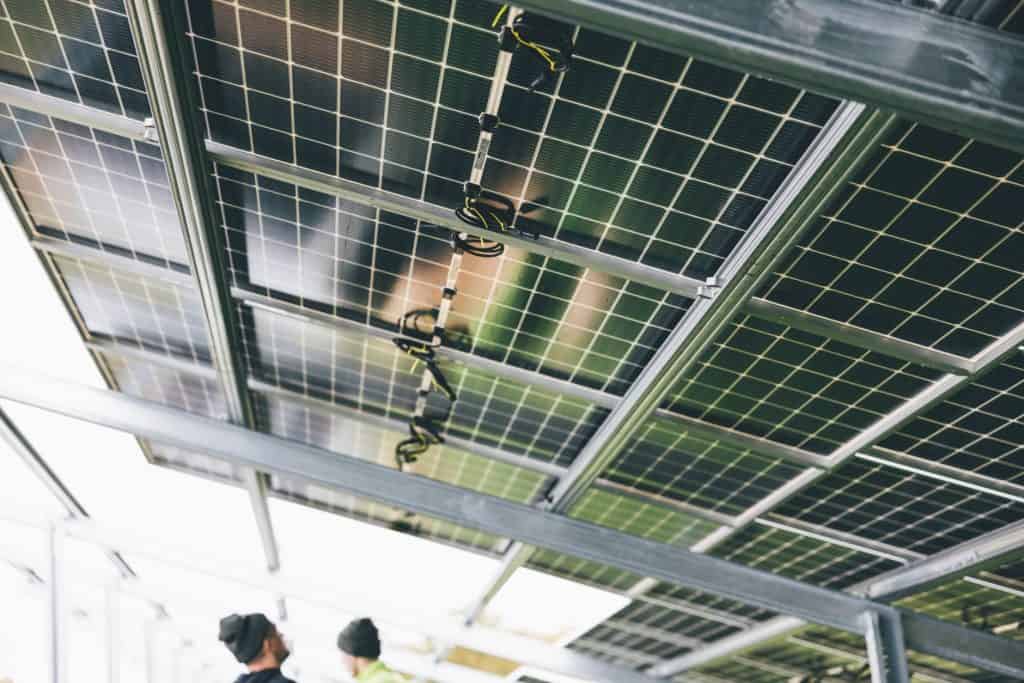
- Avances tecnológicos: Las mejoras en los módulos fotovoltaicos bifaciales, la integración del almacenamiento de energía y la monitorización remota basada en IoT están aumentando la eficiencia y reduciendo los costes operativos en las modernas centrales solares, prolongando la vida útil de los activos y estabilizando la rentabilidad.
- Cambios regulatorios: Las revisiones previstas en las tarifas de alimentación, los marcos de subvenciones y el cumplimiento de la normativa medioambiental pueden alterar los perfiles de riesgo y los periodos de recuperación de la inversión esperados, lo que exige estrategias de gestión de cartera adaptativas.
Solar Plus Garden aligns with these trends by combining 10 MW solar capacity with a scalable Garden membership program delivering both solar stock exposure and agrivoltaica community benefits, designed for sustainable scalability matching evolving regulatory and technological environments.
Preguntas frecuentes
- ¿Cuáles son los importes mínimos de inversión que se suelen exigir en las plataformas de inversión en energía solar?
- En plataformas accesibles como Solar Plus Garden, los importes mínimos suelen empezar en 500 €, lo que facilita el acceso a las granjas solares a nivel básico y permite a los pequeños y medianos inversores diversificar sus carteras dentro del sector de la energía solar.
- ¿En qué se diferencia ser miembro de una red solar comunitaria de invertir directamente en un proyecto solar?
- La membresía en proyectos solares comunitarios implica el pago de cuotas para apoyar dichos proyectos y acceder a beneficios como productos cultivados localmente o la participación en eventos. Esto contrasta con la inversión directa, donde los inversores adquieren participaciones o acciones en parques solares con derecho a una rentabilidad financiera.
- ¿Qué estructuras legales protegen a los inversores en plataformas de inversión solar transfronterizas?
- Las plataformas eficaces utilizan modelos transparentes de doble entidad, como la sociedad anónima estonia de Solar Plus Garden para las relaciones administrativas y con los inversores, y la sociedad de responsabilidad limitada serbia para la propiedad operativa de los activos, lo que garantiza el cumplimiento de las leyes multijurisdiccionales y reduce el riesgo para los inversores.
- ¿Existen costes adicionales más allá de la inversión inicial en plataformas solares?
- Sí, las plataformas pueden cobrar cuotas de membresía únicas (por ejemplo, 200 € para Solar Plus Garden) y suscripciones opcionales (por ejemplo, 20 € mensuales). Caja de jardínTambién se aplican comisiones de gestión y depósito en garantía, todas definidas y controladas de forma transparente para evitar gastos no autorizados.
Conclusión
Al evaluar plataformas de inversión en energía solar, los posibles inversores deben considerar los requisitos mínimos de inversión, la estructura legal, la transparencia de costos, los mecanismos de retorno y las oportunidades de participación comunitaria. Solar Plus Garden ofrece un enfoque distintivo al combinar un proyecto solar de 10 MW con una membresía comunitaria de agrovoltaica que beneficia hasta 3000 parcelas, creando una exposición diversificada a la inversión en energía solar junto con beneficios locales tangibles. Es fundamental alinear las decisiones de inversión con la tolerancia al riesgo individual, los objetivos de diversificación de la cartera y el interés en la participación comunitaria sostenible. Los posibles inversores listos para invertir deben priorizar las plataformas con un cumplimiento normativo claro, tarifas transparentes e informes completos para desenvolverse en el panorama cambiante de la industria de la energía solar hasta 2026-2027.
Lecturas relacionadas
- Comparativa de plataformas de inversión en energía solar: Cómo invertir eficazmente en energía solar
- Diferencia entre carteras de inversión conservadoras y flexibles: una guía para la asignación óptima.
- Oportunidades de inversión en parques solares 2026: Una guía completa para invertir en energía solar.
Relacionado: Cómo funciona la inversión a través de una plataforma ECSP autorizada — la vía regulatoria que Solar Plus Garden planea utilizar, incluyendo cómo verificar usted mismo la licencia de una plataforma.