









Analyzing Solar Energy Storage Economics: Cost Drivers, Technologies, and Financial Returns in 2026-2027
Evaluating Battery Technologies for Solar Energy Storage
Solar energy storage economics depend critically on the choice of battery chemistry types, which determine solar battery lifespan, efficiency, and degradation patterns over time. The main technologies in use for residential solar storage and commercial solar storage systems remain lithium-ion batteries, flow batteries, and lead-acid batteries, each with distinct performance and financial profiles.
- Lithium-ion batteries currently dominate due to superior energy storage capacity relative to weight and volume, high inverter efficiency averaging 95-98%, and generally 3,000-5,000 charge cycles providing 10-15 years of service. Typical solar battery degradation runs around 2-3% capacity loss annually, with battery warranty terms often guaranteeing at least 60-80% capacity retention after 10 years. Their high depth of discharge (DoD) capability—commonly 80%—helps maximize usable energy without compromising lifespan.
- Flow batteries maintain distinct roles in commercial solar storage for large-scale or grid-level applications. They offer more than 10,000 charge cycles and longer calendar life due to chemical design that physically separates electrolyte and power components, reducing degradation. However, flow batteries have lower energy density and higher capital expense solar storage metrics, increasing installation costs per kWh versus lithium-ion systems. Their operational expenses include electrolyte maintenance and specialized balance-of-system components.
- Lead-acid batteries typically have much lower upfront capital expense solar storage but are constrained by lower depth of discharge limits (around 50%) and shorter solar battery lifespan, generally under 5 years with intensive cycling. They experience faster solar battery degradation, necessitate frequent maintenance, and deliver only about 80-90% round-trip efficiency, hurting solar storage ROI especially under heavy cycling scenarios.
Thermal storage systems represent an alternative approach, commonly deployed in hybrid solar-thermal applications or off-grid solar storage setups. These systems store heat energy either via phase change materials or sensible heat in thermal masses. While inverter efficiency is not applicable here, thermal storage requires auxiliary equipment for energy conversion and typically suits niche applications rather than broad residential deployment.
Breaking Down Cost Factors Impacting Solar Storage Economics
Solar storage economics revolve around understanding capital expense solar storage (CAPEX), operational expenses (OPEX), and system sizing considerations, measured holistically by the levelized cost of storage (LCOS).
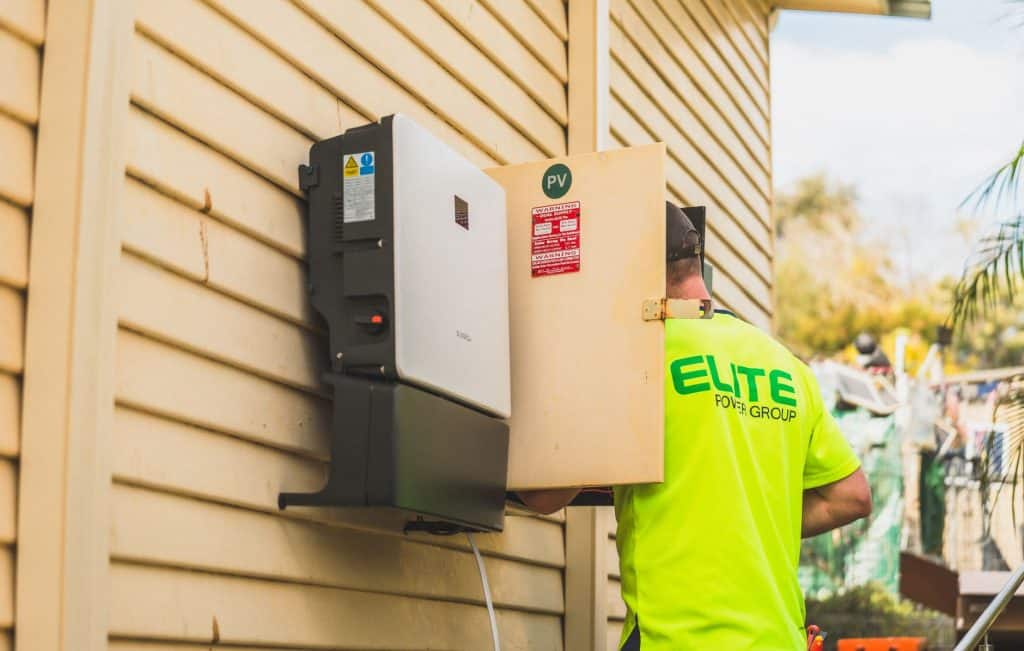
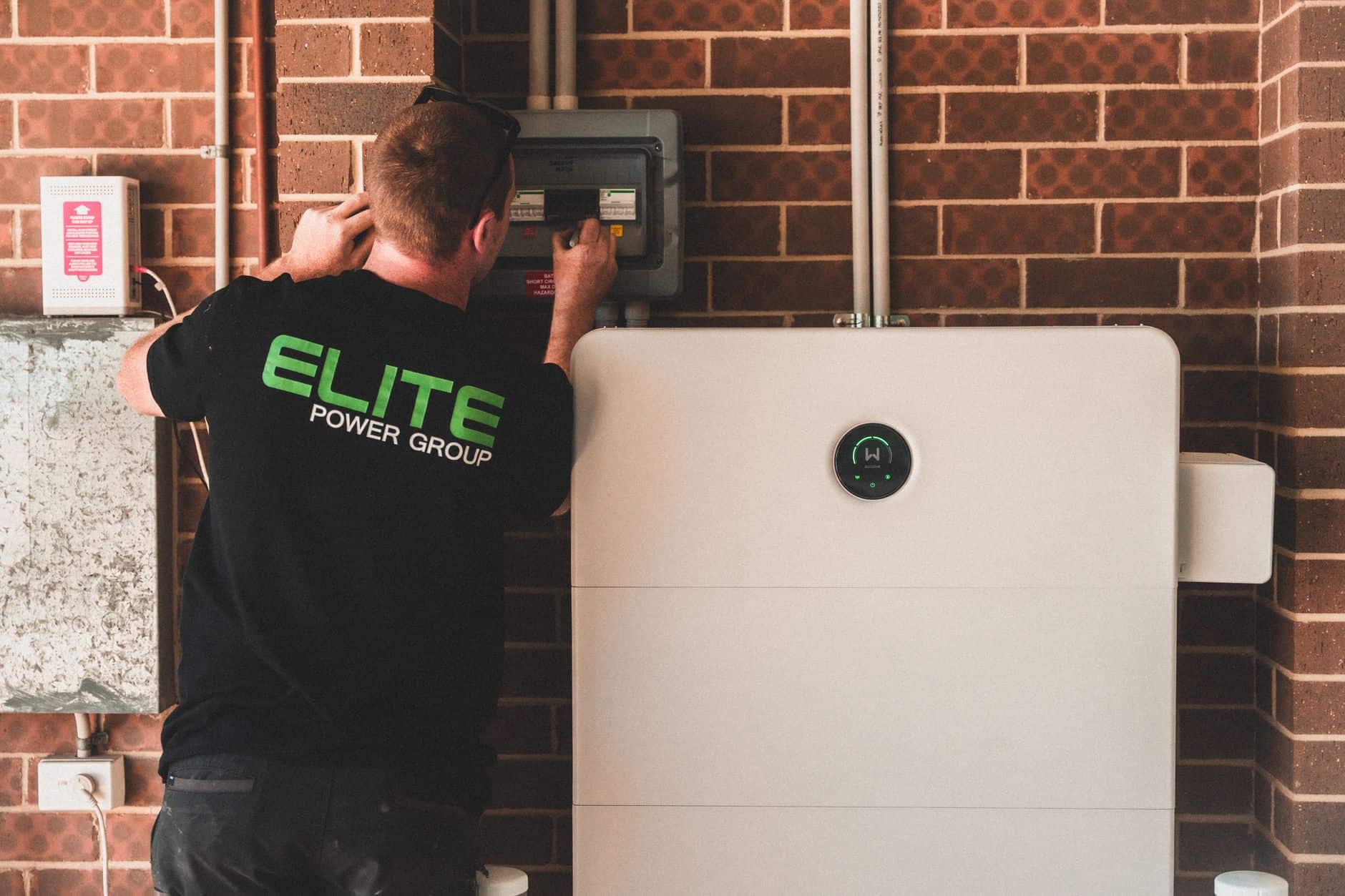
- Capital expense solar storage includes battery modules, power inverters, balance-of-system components such as battery management systems (BMS), installation costs, and permitting. Residential solar storage installation costs typically range between €1,000 and €3,000 per kWh of energy storage capacity depending on country, system complexity, and labor rates. Larger commercial systems benefit from economies of scale, reducing per kWh installation costs.
- Operational expenses encompass scheduled maintenance of batteries and inverters, replacement of worn components (typically inverters at 7-10 years), energy management systems fees for smart load shifting, and software licenses to enable grid interaction and demand charge reduction services.
- System sizing considerations directly influence upfront costs. Oversizing the energy storage capacity beyond the typical daily solar panel output reduces cost-effectiveness due to underutilized capacity, whereas undersizing diminishes solar energy self-consumption and peak load shaving benefits.
- Levelized cost of storage (LCOS) metric aggregates CAPEX and OPEX over the system lifespan, normalized by usable kWh output. Comparing LCOS values assists investors and developers in selecting battery chemistry types and sizing to optimize solar storage ROI. Factors reducing LCOS include longer solar battery lifespan, higher inverter efficiency, and deeper allowable depth of discharge.
Battery prices have decreased by approximately 15-20% annually between 2021 and 2025, driven mainly by lithium-ion technology manufacturing scale-up and supply chain optimizations. Continued price reductions remain contingent on material availability, such as lithium and cobalt, and evolving geopolitical factors affecting sourcing.
Financial Benefits and ROI Drivers of Solar Energy Storage Investments
Solar storage ROI derives from several key financial benefits enabled by integrating battery systems with solar PV generation and grid interaction under time-variable tariff structures.
- Demand charge reduction is especially impactful for commercial solar storage where demand charges can constitute 10-30% of the total electricity bill. Discharging battery-stored energy during peak demand periods lowers maximum measured consumption, yielding direct fee savings.
- Peak load shaving complements demand charge reduction by smoothing abrupt spikes in consumption. This practice reduces tariff spikes or penalties tied to peak load events established in regional grid codes or utility agreements.
- Energy arbitrage leverages time-of-use electricity rates by storing energy during off-peak low-price hours and selling or using it during peak high-price periods. Rate differentials can exceed 300%, substantially increasing savings potential when Solar Plus Garden community investors optimize charge-discharge cycles with advanced energy management systems.
- Solar energy self-consumption improves when battery storage enables onsite use of daytime solar generation beyond immediate consumption, reducing imported energy from the grid. This benefit is increasingly important where net metering impact is limited or regulations treat exported solar energy differently.
- Payback calculation methods for solar storage projects incorporate capital expense solar storage, operational expenses, projected savings from demand charge reduction, energy arbitrage, solar energy self-consumption improvements, applicable incentives such as solar renewable credits, and local electricity tariff profiles. Residential solar storage payback periods range from 7 to 12 years, whereas well-sized commercial solar storage systems with high demand charges may achieve payback in under 7 years.
Sizing Solar Storage Systems for Optimal Economic Performance
Optimal system sizing requires balancing energy storage capacity with solar panel output and consumption patterns to maximize financial returns.
- Energy storage capacity is generally set between 50-80% of the average daily solar panel output, providing sufficient buffer for load shifting benefits without excessive capital costs.
- Accurate sizing ensures batteries can supply typical daily load peaks while avoiding overinvestment in storage capacity that remains unused.
- Grid-tied solar systems typically incorporate partial storage capacity to enable peak load shaving and participation in demand response programs, enhancing solar storage ROI without excessive oversizing.
- Off-grid solar storage systems demand larger storage capacities, sometimes exceeding daily solar panel output, to cover low-production periods and maintain energy security benefits. This sizing strategy increases both CAPEX and operational complexity.
- Energy management systems optimize charge and discharge scheduling by analyzing solar generation forecasts, consumption profiles, and prevailing tariff structures, including variable time-of-use electricity rates. These systems maximize effective use of energy storage capacity and minimize solar battery degradation through controlled depth of discharge.
- Operating lithium-ion batteries at around 80% depth of discharge balances maximizing usable capacity while prolonging solar battery lifespan and minimizing degradation rates.
Maintenance Costs and Longevity Considerations for Solar Storage
Maintenance and longevity directly affect total cost of ownership and payback calculations.
- Annual maintenance expenses typically amount to 1-3% of initial capital expense solar storage, covering diagnostics, inverter servicing, battery health monitoring, and preventive replacements.
- Solar battery degradation due to charge cycles—measured in cycles—and environmental stresses reduces energy storage capacity progressively, necessitating proactive monitoring to plan replacements or warranty claims.
- Battery warranty terms reflect degradation expectations: lithium-ion warranties commonly guarantee 60-80% capacity retention after 10 years and several thousand charge cycles; lead-acid warranties are shorter, often covering less than 1,000 cycles and 3-5 years of use.
- Preventive maintenance includes maintaining optimal temperature ranges (typically 15-25 °C for lithium-ion), limiting excessive depth of discharge, and avoiding rapid charge/discharge rates that accelerate wear.
- Thermal storage systems generally require lower frequency maintenance focused on thermal containment integrity and operation of conversion equipment, with less concern for chemical degradation.
Integrating Solar Storage with the Electrical Grid: Economic and Technical Implications
Grid integration introduces multiple economic and regulatory factors affecting solar storage ROI.
- Grid-tied solar systems utilize energy storage primarily for load shifting benefits, smoothing peak demand, and enhancing solar energy self-consumption, which reduces grid dependence and electricity costs.
- Compliance with local grid interconnection standards—such as IEEE 1547 in the EU and regional utility protocols—governs technical requirements, influencing installation timelines and complexity.
- Energy export tariffs and grid fees differ regionally, affecting the attractiveness of exporting excess solar energy. In many jurisdictions, export compensation falls below retail rates, incentivizing onsite energy use and storage.
- Solar storage increases energy security benefits by providing backup power during outages, contributing to grid resilience and supporting decentralized generation models in smart grid architectures.
- Time-of-use electricity rates create differential pricing windows as wide as 300%, reinforcing economic incentives for energy arbitrage through storage.
- Net metering impact directly influences financial modeling by determining credit rates for exported energy and charges for imported energy. Reduced net metering benefits favor larger storage sizing to maximize self-consumption.
Current Solar Storage Market Trends and Their Economic Impact
Broader market dynamics and emerging technologies shape economics and opportunity for solar storage investments, including community-backed models like Solar Plus Garden.
- Between 2021 and 2025, battery prices followed an annual decline of approximately 15-20%, primarily for lithium-ion batteries, enhancing the competitiveness of solar storage solutions in markets including the EU and Serbia.
- Research into solid-state batteries aims to deliver higher energy storage capacity and improved safety, but commercial availability remains constrained in 2026. Likewise, advanced flow battery chemistries seek longer cycle lives and reduced capital expense solar storage.
- Government incentives such as direct subsidies, feed-in tariffs, tax credits, and solar renewable credits substantially reduce effective capital expenses and operational expenses, positively affecting solar storage ROI.
- Community solar-plus platforms like Solar Plus Garden aggregate investments, achieving storage system scalability and reducing per-unit costs while fostering local engagement through membership fees that support both solar and garden amenities.
- Transparent legal and payment frameworks implemented by Solar Plus Garden’s Estonian OÜ and Serbian DOO structures provide investor-ready conditions that clarify risk profiles and liquidity pathways, encouraging participation from small and medium investors.
Preguntas frecuentes
What is the typical payback period for residential solar battery systems in current market conditions?
Payback periods for residential solar storage systems typically range from 7 to 12 years, depending on system sizing, electricity tariff structures including time-of-use rates, and local incentives such as solar renewable credits. Commercial systems often demonstrate shorter payback under 7 years due to significant demand charge reduction.
How do lithium-ion batteries compare economically to lead-acid and flow batteries for solar applications?
Lithium-ion batteries have higher upfront capital expense solar storage but offer longer solar battery lifespan (10-15 years), higher inverter efficiency, greater depth of discharge, and lower solar battery degradation rates. Lead-acid batteries entail lower initial costs but come with shorter lifespans and higher maintenance. Flow batteries suit large-scale commercial solar storage with exceptional charge cycles and scalability but higher CAPEX and lower energy storage capacity per unit volume.
Can solar energy storage help reduce electricity bills even without full off-grid capability?
Yes. In grid-tied solar systems, solar storage enables demand charge reduction, peak load shaving, and energy arbitrage strategies that reduce electricity expenses without complete grid independence, optimizing solar energy self-consumption and reducing reliance on grid imports.
What maintenance should I expect for a typical solar battery system over its lifespan?
Annual maintenance generally represents 1-3% of the capital expense solar storage, including battery monitoring, inverter servicing every 7-10 years, and component replacements such as battery modules or thermal management parts as needed. Preventive maintenance focusing on optimal temperature and depth of discharge extends overall system lifespan.
Conclusión
Decisions on solar energy storage investments require detailed evaluation of battery chemistry types, system sizing considerations, local tariff structures, and incentive programs such as solar renewable credits. Integrating battery inverter efficiency, depth of discharge management, and load shifting benefits alongside regulatory compliance and market trends is essential to optimize solar storage ROI. Community-backed platforms like Solar Plus Garden exemplify transparent, regulated investment models that enhance storage system scalability and investor confidence by combining solar investments with community benefits. Continuous assessment of evolving battery prices, technology advancements, and regulatory frameworks is necessary to maintain economic viability for residential and commercial solar storage through 2026-2027.
Lecturas relacionadas
- How Solar Bonus Depreciation Enhances Financial Returns for Commercial Solar Projects in 2026
- Strategic Approaches to Solar Investment Options for Maximizing Returns in 2026-2027
- Las mejores oportunidades de inversión en energía solar: Cómo invertir en proyectos de energía solar para obtener rentabilidades estables.