









Comprehensive Solar Surge Protection: Safeguarding Your Photovoltaic System from Voltage Surges and Lightning
Understanding Voltage Surges in Solar PV Systems
Voltage surges are sudden transient increases in voltage that pose significant risk to solar PV systems. These overvoltages primarily originate from lightning strikes during thunderstorms and from switching operations both within the grid and the solar PV system circuitry. Fotovoltaica installations commonly experience surges reaching levels up to 10kV due to inductive coupling or direct strikes, affecting both the DC y AC sides of a solar PV array.
On the DC side, voltage surges threaten the integrity of paneles solares, inversor input circuits, and DC wiring often operating at voltages in the range of 400 to 1,000 volts DC for utility-scale photovoltaic systems. These surges can cause irreversible damage to solar panel semiconductor junctions and reduce module lifespan. On the AC side, transient overvoltages can reach into hundreds or thousands of volts due to grid switching events or nearby lightning-induced surges, impacting inverter output stages and connected electrical appliances.
- Surge sources: Direct lightning strikes, nearby lightning-induced electromagnetic pulses (EMPs), grid switching operations (e.g., capacitor bank switching), and switching of inductive loads within PV inverters or combiner boxes.
- Common surge magnitudes: Transient voltages in the range of 2kV to 10kV on DC circuits and 1kV to 6kV on AC circuits during typical thunderstorm activity.
- Consequences: Solar panel string failure, inverter burnout, insulation breakdown in wires rated for 600V DC or 300V AC, degraded system efficiency, and increased repair frequency.
Effective surge suppression is essential due to the high transient energy involved; solutions must match the electrical and environmental characteristics of photovoltaic installations.
Key Components of Solar Surge Protection Devices (SPDs)
Solar PV surge protection relies predominantly on specialized surge protection devices (SPDs) tailored to operated voltage thresholds and waveform characteristics. In solar applications, Type 1 y Type 2 SPDs are the standard categories specified by IEC 61643-31, with particular emphasis on DC surge protector devices designed for continuous exposure to photovoltaic voltages up to 1,000V DC.
Type 1 SPDs are installed at the main service entrance or point of utility interconnection to safely divert high-energy surges from direct lightning strikes, rated for surge currents typically exceeding 50kA (8/20 µs waveform). Type 2 SPDs provide downstream protection, usually near inverters or string combiner boxes, handling residual surges and switching transients with surge current capabilities commonly between 10kA and 20kA per mode.
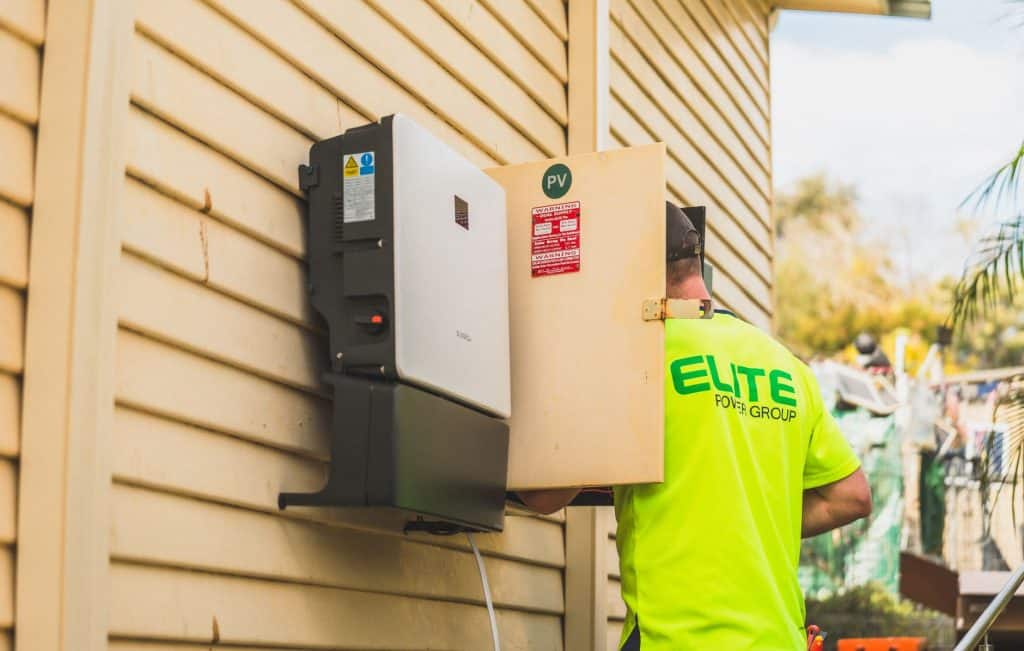
El Midnite Solar MNSPD-600 is a widely implemented surge protector, rated for operation up to 600V DC on the DC side and 300V AC on the AC side. It complies with IEC 61643-31 requirements for SPD components in PV environments. The device incorporates Metal Oxide Varistors (MOVs) combined with gas discharge tubes (GDTs) to achieve fast voltage clamping, reacting within nanoseconds to rapidly suppress transient voltages below damaging thresholds.
Integration of supporting components such as lightning arrestors, fuses, y disconnect devices forms a comprehensive surge protection system. Fuses provide short-circuit and overcurrent protection to SPDs, preventing thermal damage during high-energy surges, while disconnectors enable safe isolation for routine maintenance or post-event inspections.
- SPD classifications: Type 1 (service entrance, ≥50kA surge current capacity), Type 2 (downstream, 10–20kA surge current range).
- MNSPD-600 features: 600V DC / 300V AC rated, incorporates MOV and GDT for response time under 100 nanoseconds, compliant with IEC 61643-31.
- Auxiliary devices: Lightning arrestors positioned to intercept direct strike energy; fuses rated per system current (e.g., 10-25A); disconnect switches rated for DC voltages to meet UL 508 or IEC equivalent.
Installation Best Practices for Solar Surge Protection
Correct installation methodology ensures surge protection devices perform to their specifications and extend lifespan of the photovoltaic system components. Best practices include mounting SPDs as close as possible to vulnerable equipment terminals to minimize lead inductance and maximize response efficiency.
- Install DC SPDs near the inverter input terminals and string combiners to clamp surges induced on the solar panel DC wiring before they reach sensitive semiconductors.
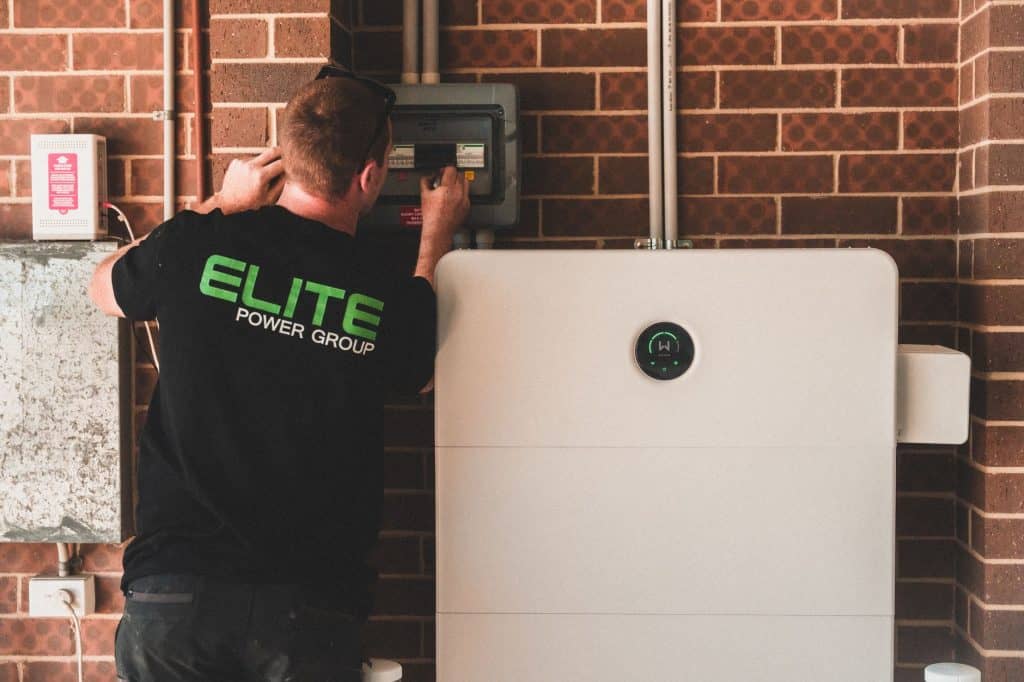
- Place AC SPDs at the inverter output and at the service panel to mitigate grid-originated transient surges.
- Use shielded, low-inductance wiring with minimum conductor length (preferably less than 30 cm) between SPD terminals and ground to maintain rapid surge current diversion.
Grounding is critical: all SPD grounding conductors must provide low resistance paths, typically less than 1 ohm, complying with IEC 61643-31 and local grounding standards such as IEEE 142 or IEC 60364. Proper equipotential bonding prevents differences in earth potential that can drive damaging currents through system components or personnel.
- Recommended installation points: Inverter DC input, inverter AC output, string combiner boxes, main service panel.
- Wiring guidelines: Use insulated copper conductors rated for system voltage and rated current, twisted pair recommended for DC SPDs, with conductor lengths under 0.3 meters.
- Ground system specifications: Ground electrode resistance under 10 ohms, preferably sub-5 ohm for high lightning activity zones; equipotential bonding mandated to prevent hazardous voltage gradients.
Midnite Solar Surge Protection Solutions for 10MW+ PV Projects
Large-scale photovoltaic installations such as Solar Plus Garden’s 10MW community-driven solar PV plant impose elevated surge protection requirements due to extensive cabling, multiple subarrays, and higher cumulative surge exposure.
Midnite Solar’s modular SPD devices, including the MNSPD-600 series, are engineered to handle surge currents exceeding 20kA per device (8/20 µs waveform). They are designed for parallel installation across multiple strings and subarray combiner boxes to provide localized surge mitigation, limiting damage propagation and simplifying fault detection.
For a 10MW PV system, surge protection strategy typically includes:
- Deploying multiple Type 2 DC SPDs per combiner box, proportioned to expected surge energy based on regional lightning density and metal structure exposure.
- Installing Type 1 SPDs at the site’s main service entrance to withstand lightning currents up to 50kA.
- Coordinating protection devices with string inverters y transformer protection schemes for comprehensive system defense.
The community-backed investment framework employed by Solar Plus Garden allocates funds specifically toward the purchase and installation of these certified surge protectors, ensuring compliance with international safety standards and minimizing operational risk over asset lifetime.
- Surge current handling: Modular devices rated for 10-40kA surge currents per SPD unit, scalable by parallel arrangement.
- Deployment model: Modular device clusters across subarrays to optimize localized protection and fault isolation.
- Investment alignment: Selection of industrial-grade SPDs consistent with IEC 61643 series standards, ensuring transparency and long-term asset protection.
Lightning Protection System Design for Agrivoltaic and Garden Community Solar Settings
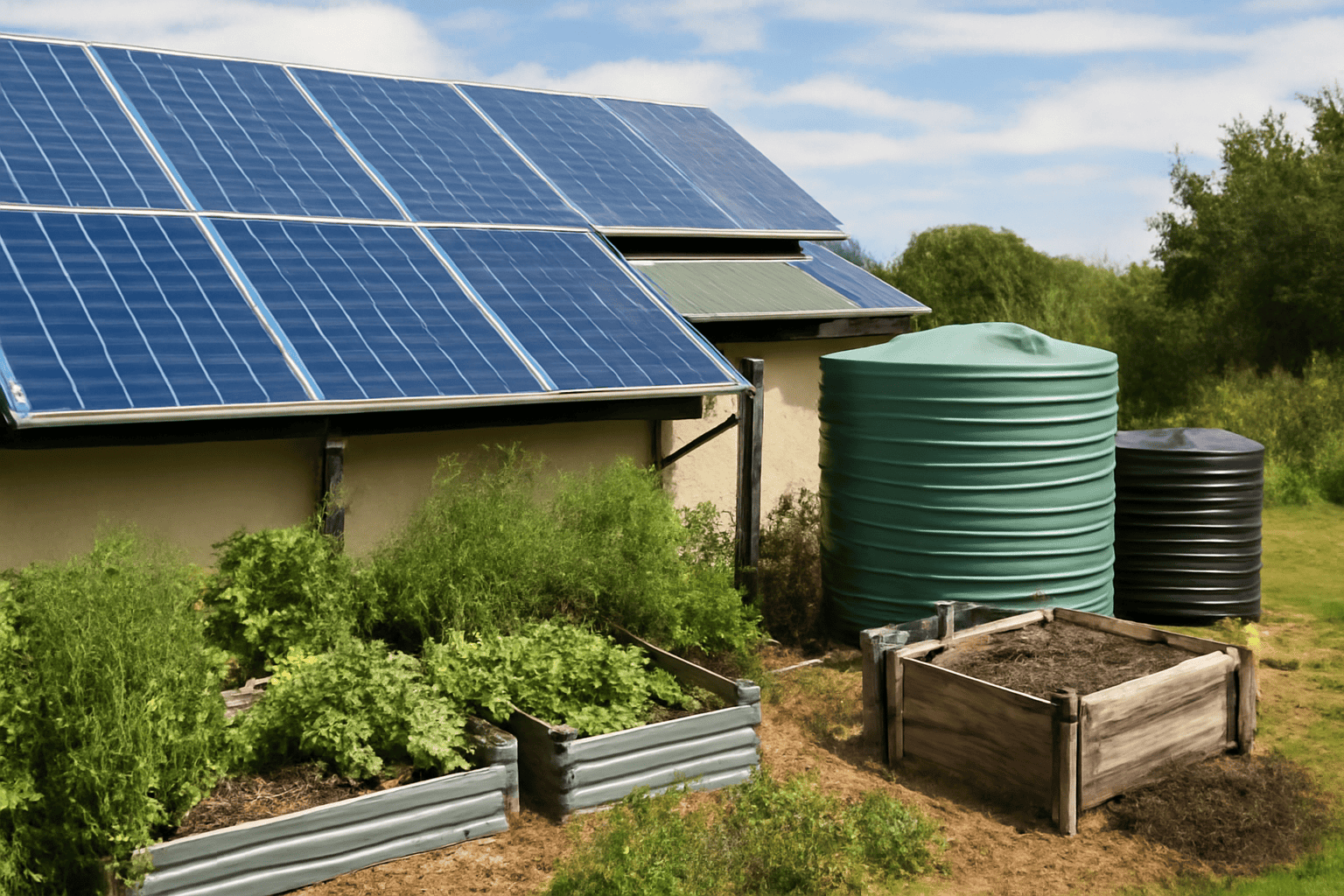
Integrating photovoltaic panels with agricultural garden landscapes, as implemented in Solar Plus Garden’s Jardín concept, introduces distinctive challenges for lightning protection system design to protect both electrical infrastructure and community access.
Lightning protection design for such agrivoltaic systems involves:
- Strategic placement of lightning arrestors at structure high points, ensuring coverage over both solar arrays and the garden area accommodating up to 3,000 parcel units, while minimizing physical impediments to garden activities.
- Selection of SPDs capable of managing induced overvoltages from frequent regional thunderstorms, particularly relevant for areas in Serbia and Estonia where lightning activity averages between 10 and 30 thunderstorm days per year.
- Grounding networks designed to maintain grounding electrode resistances under 10 ohms and incorporate multiple earth rods spaced to dissipate high surge currents safely without affecting sensitive crops or equipment.
Engineering the lightning protection system requires coordination between electrical safety codes, agronomic needs, and community usability, achieving layered protection without compromising garden productivity or accessibility.
- Regional lightning data: Informing grounding design resistance and arrestor density consistent with IEC 62305 risk assessment.
- System layering: Combination of lightning arrestors, Type 2 SPDs, and equipotential bonding to establish multi-level surge defense.
- Integración comunitaria: Non-intrusive hardware mounting preserving garden parcel access and maximizing aesthetic compatibility.
Monitoring and Maintenance of Solar Surge Protection Systems
Ensuring the ongoing effectiveness of surge protection components within solar PV systems requires scheduled inspection, functional testing, and timely replacement of worn parts.
Maintenance protocols advised by Midnite Solar and guided by IEC 61643-31 incluir:
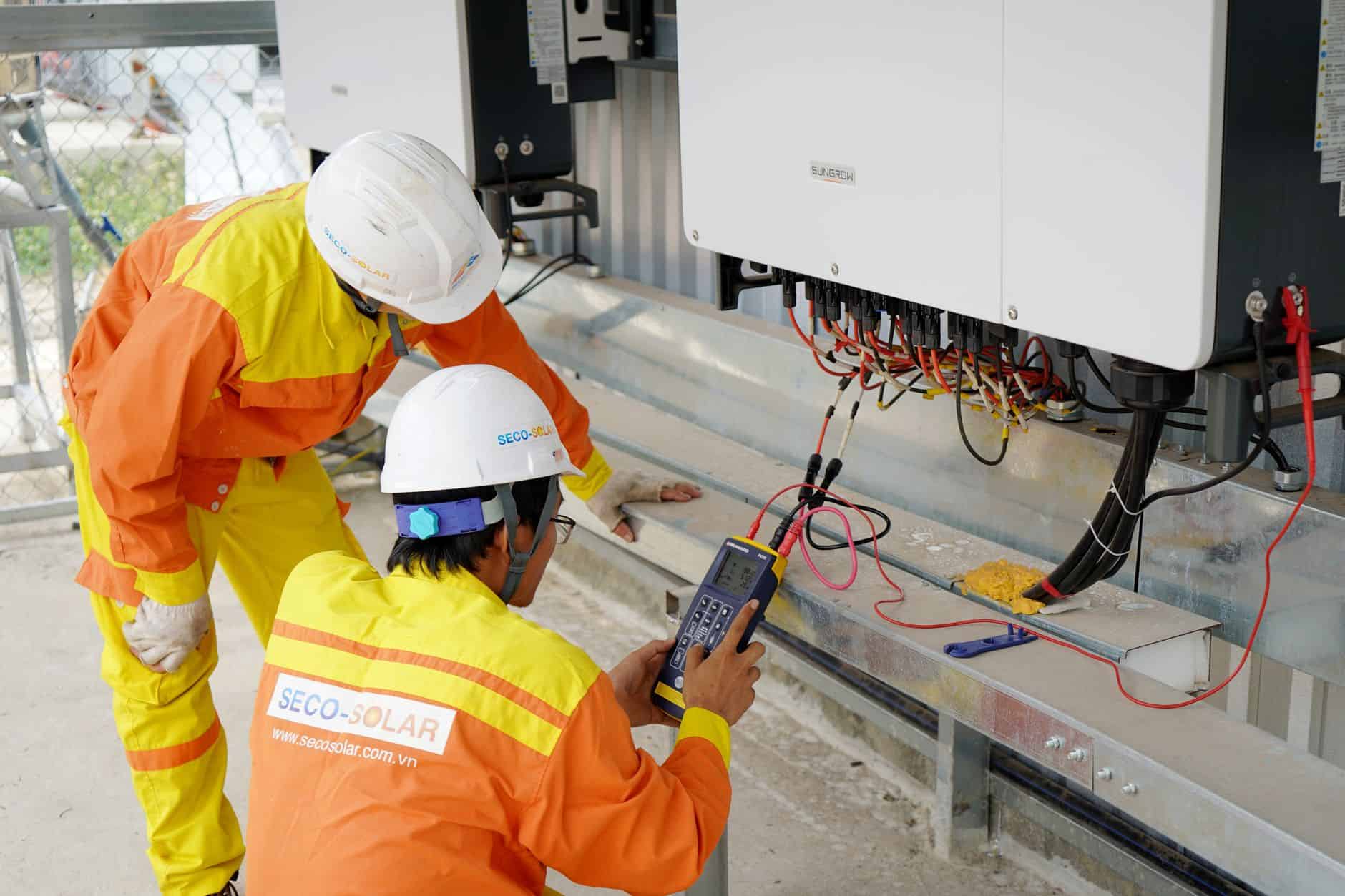
- Visual inspection of SPDs, fuses, wiring, and disconnect devices at minimum once per year. Examine for signs of discoloration, cracking, or mechanical damage that indicate prior surge events or degradation.
- Electrical testing to verify surge protector clamping voltage remains within specified thresholds; SPDs exceeding rated leakage current or failing insulation resistance tests should be replaced.
- Periodic verification and replacement of fuses according to amperage rating and cumulative surge history to avoid unprotected system exposure.
- Documentation of inspections, faults, and replacements to maintain regulatory compliance and support warranty claims.
- Inspection frequency: Annual visual and electrical assessments recommended.
- Indicators for replacement: SPD MOV discoloration, GDT sealing failure, fuse blown or reduced ampacity.
- Maintenance records: Retained for 10 years per typical audit requirements and industry good practices.
Evaluating Surge Protection’s Impact on Solar Investment and Operational Stability
From an investment perspective, integrating certified surge protection devices into solar PV projects like Solar Plus Garden’s 10MW plant mitigates financial risk by preventing costly component failures and unplanned system outages caused by voltage surges and lightning.
Industry data shows that installing appropriate SPDs reduces repair and replacement costs for inverters and panels by an estimated 20% to 40% over a 15-year plant lifespan, depending on local lightning incidence. Equally important, reduction in unplanned downtime preserves energy yield that positively impacts return on investment for investors and stakeholders.
Solar Plus Garden’s transparent membership and funding model leverages these technical protections to build investor confidence, aligning equipment quality with operational sustainability and financial performance targets. Risk mitigation through surge protection also supports insurance underwriting assessments and enhances long-term asset management.
- Risk reduction: Minimizes damage from lightning-induced overvoltage and switching surges.
- Economic benefits: Reduces maintenance and repair expenditure, improves energy production continuity.
- Community trust: Compliance with installed SPDs and maintenance protocols strengthens investor assurances and fosters collaboration.
Preguntas frecuentes (FAQ)
What is the difference between Type 1 and Type 2 surge protection devices for solar systems?
Type 1 SPDs are rated for high surge currents exceeding 50kA and installed at the service entrance to protect against direct lightning strikes and extreme overvoltages. Type 2 SPDs have lower surge current ratings (~10kA–20kA) and provide residual protection downstream, near inverters, combiner boxes, or panels, targeting switching surges and induced lightning transients. Solar PV systems typically require Type 2 DC surge protector devices to protect delicate inverter inputs and panel strings.
How does a Midnite Solar surge protector enhance a photovoltaic system’s safety?
El Midnite Solar MNSPD-600 surge protector clamps voltage spikes on both DC (up to 600V) and AC (up to 300V) circuits, using fast-acting MOVs and GDTs. Compliance with IEC 61643-31 ensures reliable performance tailored for solar PV systems. The modular design allows flexible installation across large arrays, reducing risk of component failure by limiting transient overvoltages before they reach sensitive electronics.
Can solar surge protection devices be installed on existing solar PV systems without major modifications?
Yes. SPDs can be retrofitted to existing solar PV systems by mounting devices close to the inverter input terminals or combiner boxes. Proper wiring and grounding improvements are essential during installation, but extensive rewiring is often avoidable. This approach minimizes downtime and integrates surge protection with minimal system disruption.
How frequently should surge protection components in a solar system be inspected or replaced?
Annual visual and functional inspections are recommended, per IEC 61643-31 and manufacturer guidelines. Fuses and SPD modules showing signs of overvoltage stress, discoloration, or increased leakage current should be replaced promptly. Proactive maintenance prolongs system reliability and ensures continuous protection against voltage surges.
Conclusión
Implementing comprehensive solar surge protection is critical for preserving photovoltaic system integrity and performance, particularly for large-scale community solar investments such as Solar Plus Garden’s 10MW agrivoltaic project. Utilizing certified SPDs like Midnite Solar’s MNSPD-600 devices and adhering to rigorous installation and maintenance protocols ensures defense against lightning and switching voltage surges. This approach supports operational stability, reduces financial exposure, and upholds investor confidence. Future advances in surge protector technology and potential updates to lightning protection regulations should be monitored by system developers to maintain best practices.
Lecturas relacionadas
- Cómo el software de simulación solar optimiza el diseño y la instalación de sistemas fotovoltaicos
- Oportunidades de inversión en parques solares 2026: Una guía completa para invertir en energía solar.
- Invierta hoy en energía solar: Su guía completa para la inversión en energías renovables sostenibles.