Zum Inhalt springen






Solar Panel Farm Explained with Investment and Community Integration
What Defines a Solar Panel Farm and Its Key Components
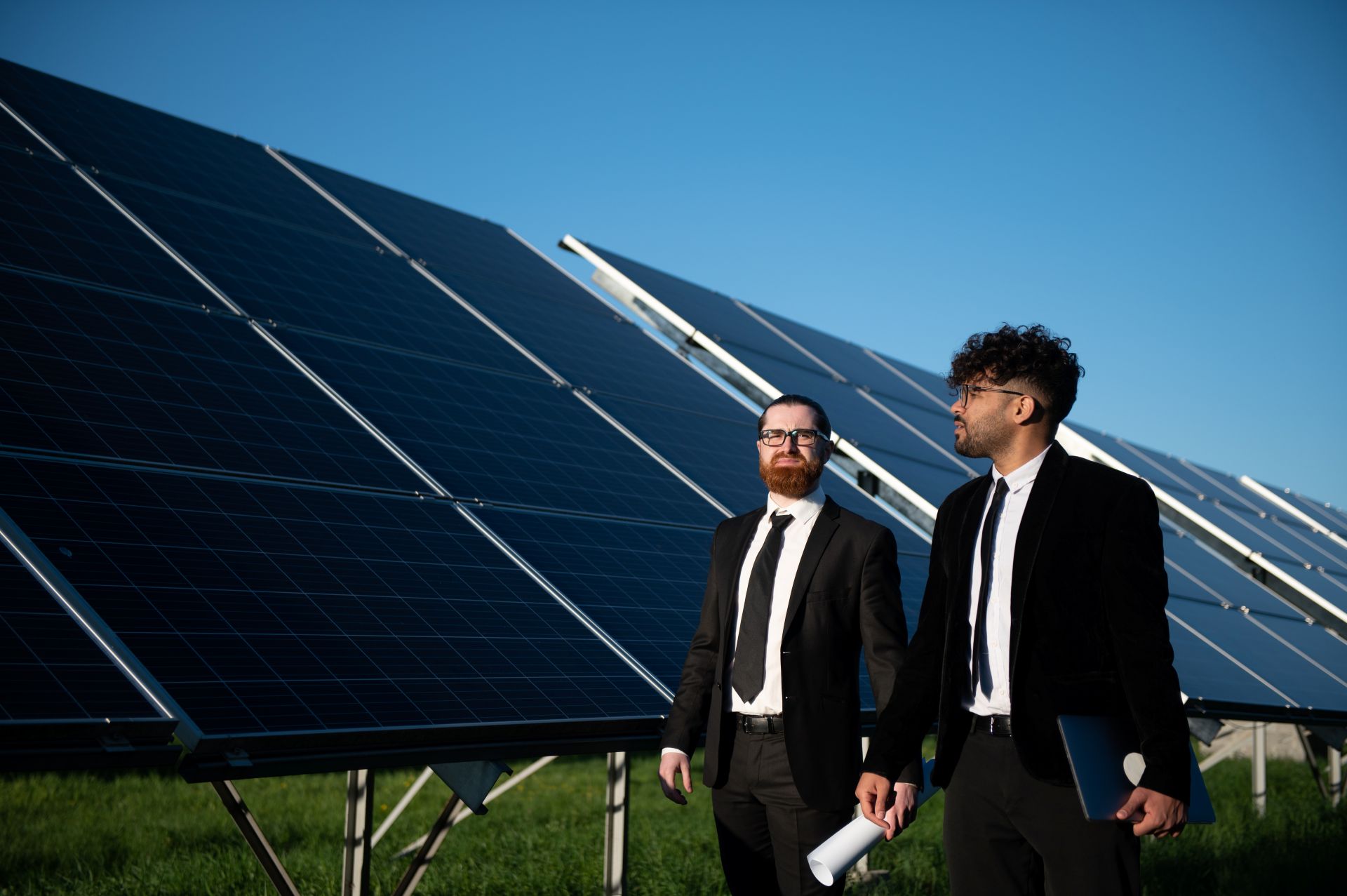
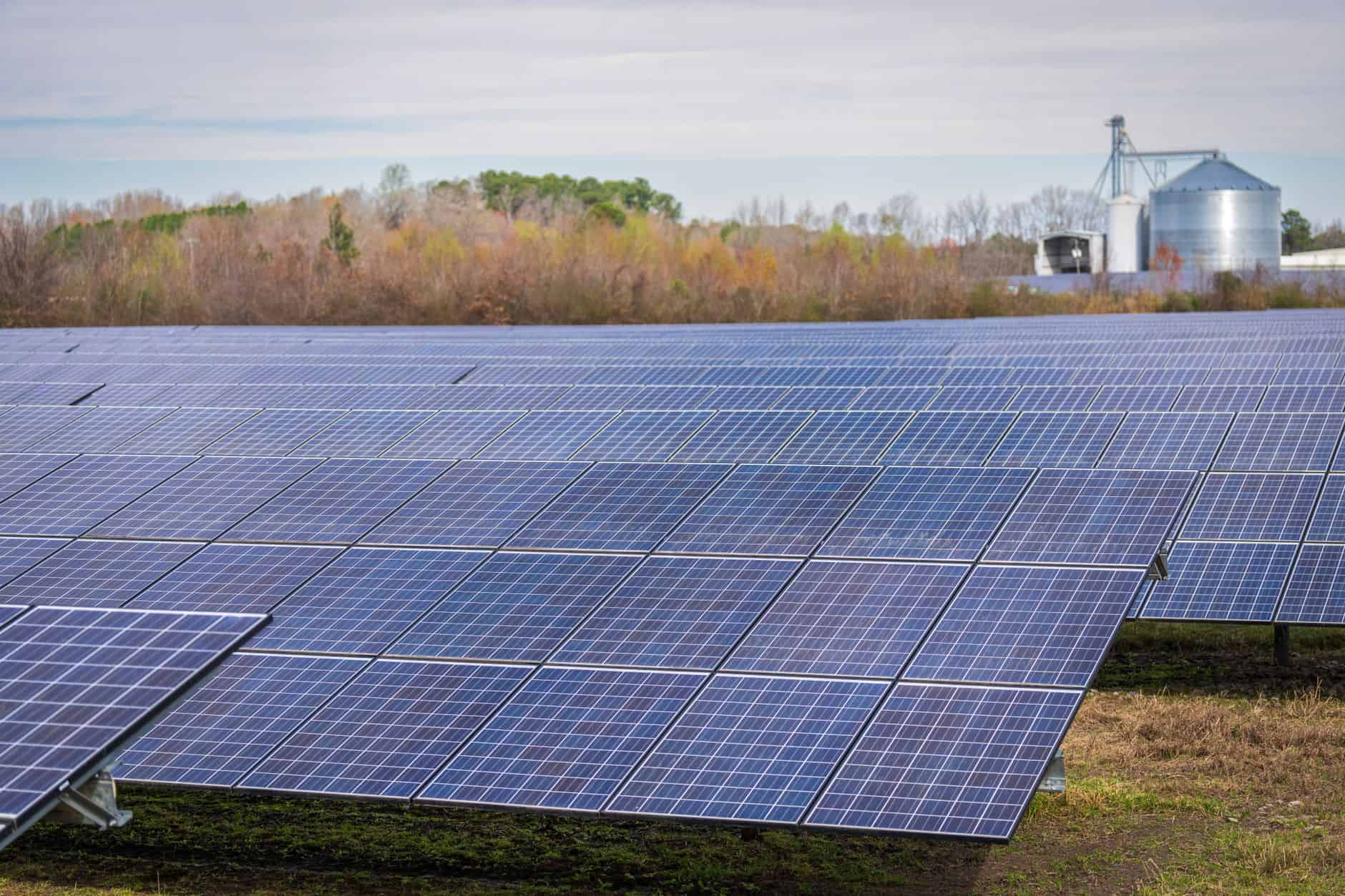
A solar panel farm is a large-scale solar energy installation designed primarily for utility-scale renewable energy generation, typically ranging from 1 MW and upward in capacity. These solar energy farms form a critical part of the solar infrastructure supplying electricity directly to the grid or large consumers. Their scale and design distinguish them from smaller, distributed solar solutions such as rooftop solar.
The essential components of a solar panel farm include:
- Solar arrays: Comprising photovoltaic (PV) panels—usually monocrystalline or polycrystalline silicon modules—arrayed to convert solar irradiance into direct current (DC) electricity. Monocrystalline panels are favored in large-scale solar farms for their higher efficiency rates (typically 18-22%) compared to polycrystalline (15-18%), influencing system size and layout.
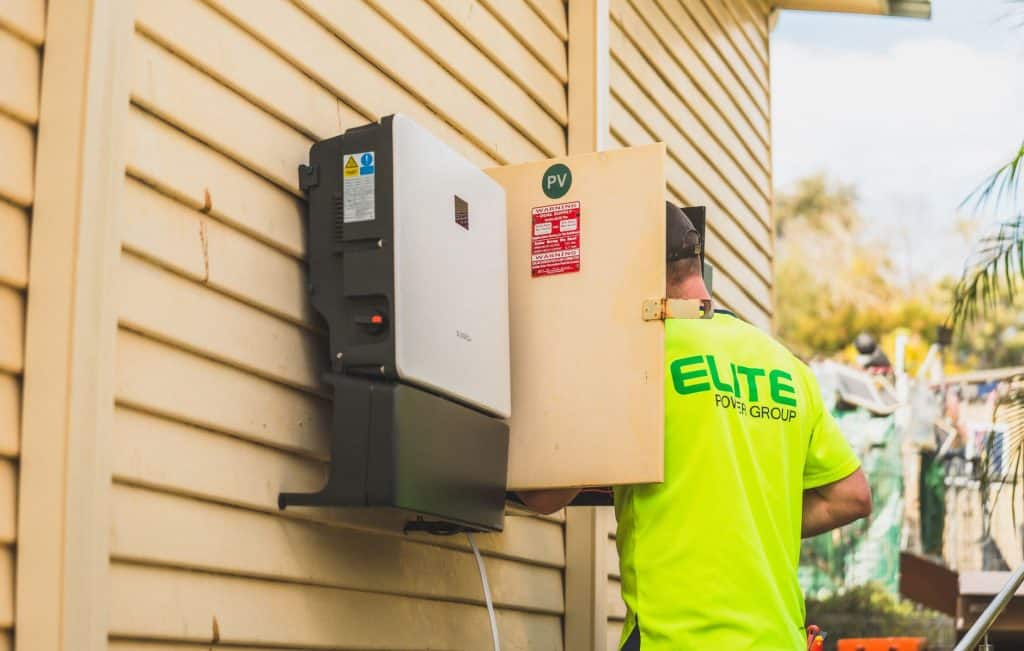
- Wechselrichter: Central or string inverters convert the DC output of the solar arrays into alternating current (AC) compatible with grid requirements, complying with IEEE 1547 grid interconnection standards and local utility codes. The choice between centralized and distributed inverters affects overall system resilience and maintenance.
- Transformers: Step-up transformers raise the voltage to grid transmission levels, often from 400 V or 690 V AC up to 11-33 kV or higher, depending on grid interconnection specifications prevalent in Estonia and Serbia.
- Grid interconnection systems: Include switchgear, protective relays, metering equipment, and breakers designed to meet national grid codes and ensure safe delivery, fault isolation, and compliance with regulations such as EU Grid Codes (ENTSO-E).
Utility-scale solar projects vary significantly in size, typically from several MWs to several hundred MWs. Solar Plus Garden’s planned 10 MW installation represents a mid-scale solar park combining clean energy generation with innovative community investment structures.
Types of Solar Panel Farms: Ground-Mount, Rooftop, and Agrivoltaic Integration
Solar farms are classified based on installation method and integration with land use:
- Ground-mount solar farms: Fixed or single-axis tracking PV panel installations mounted on land-ranging from 2 to 3 acres per MW depending on tracker use and row spacing. Tracking systems can increase energy yield by 15-25% over fixed-tilt systems but add complexity and cost.
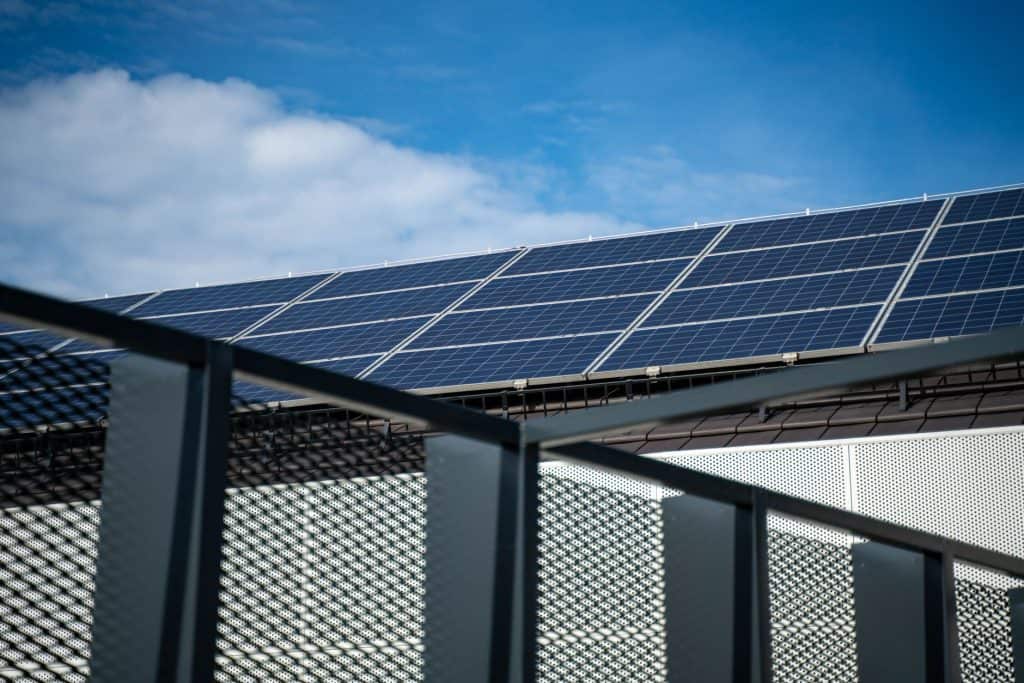
- Rooftop solar: Panels installed on building rooftops for localized solar power, constrained by available roof area, load-bearing capacity, and shading. Rooftop solar typically ranges from a few kW to sub-MW scale per installation and primarily serves on-site consumption.
- Agrivoltaiksysteme: Solar farms integrated with agricultural production, allowing dual land use. Solar Plus Garden’s Garden model facilitates up to 3,000 garden plots beneath and adjacent to solar arrays, coupling renewable energy production with regenerative agriculture to optimize land productivity and environmental benefits.
- Community solar farms: Facilities that allow multiple investors or members to participate in solar energy benefits without individual panel ownership. Solar Plus Garden’s model separates community membership from equity investment, enabling access through membership fees that support both solar infrastructure and community activities.
Operational considerations differ per type:
- Ground-mount installations require detailed environmental impact assessments, including soil stability and habitat preservation, adhering to EU Environmental Impact Assessment Directive (2014/52/EU) standards.
- Rooftop solar demands structural engineering verification per Eurocode 1 standards to ensure safety and longevity.
- Agrivoltaic operations balance solar panel shading with crop light requirements, requiring coordinated agronomy and PV maintenance schedules to sustain agricultural yield and system performance.
Steps and Requirements for Building a Solar Panel Farm
Der Solarpark development process is systematic, involving sequential phases aligned with regulatory compliance and technical constraints:
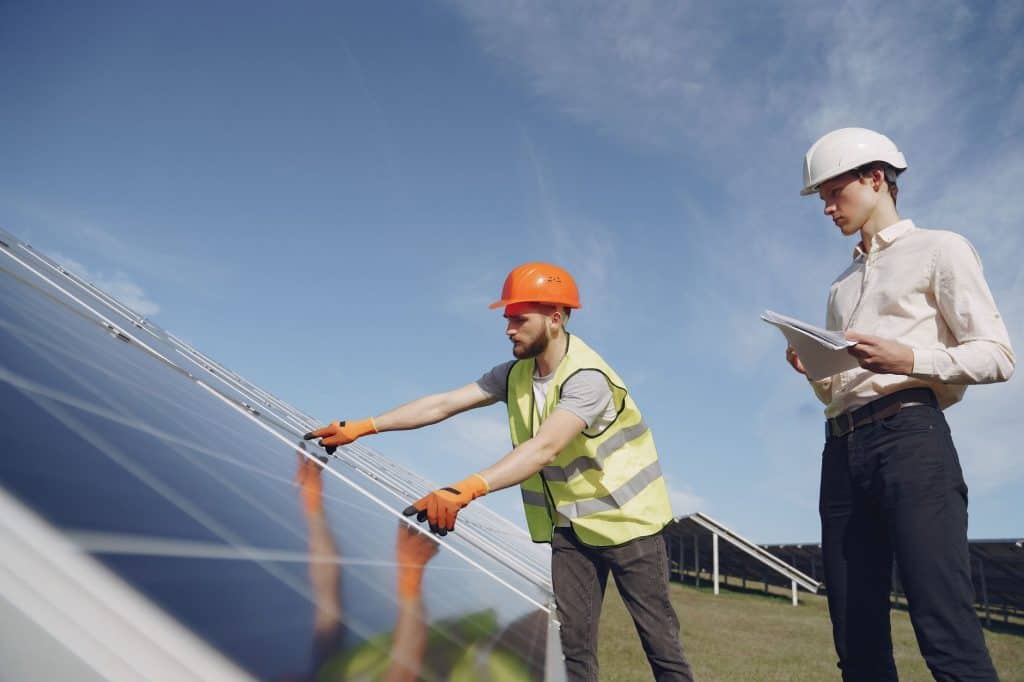
- Standortbewertung: In-depth evaluation of site solar irradiance (typically measured by Global Horizontal Irradiance, GHI), topographical mapping via LiDAR or drone surveys, geotechnical testing of soil for foundation design, and proximity to grid substations. Environmental impact assessments must comply with relevant EU directives and local statutory requirements applicable in jurisdictions such as Estonia (Renewable Energy Act) and Serbia (Energy Law).
- Permitting and Regulatory Compliance: Obtaining construction permits and grid connection agreements requires coordination with national grid operators and municipal authorities. Key permits involve building permits, environmental consents, and grid connection contracts conforming to local code requirements and renewable energy incentives frameworks.
- Technical Design: Engineering optimized array layouts that maximize annual energy production, including shading analysis using tools such as PVsyst or Helioscope, selection of module tilt (usually 20-35° in temperate regions), and electrical design encompassing inverter placement, transformer sizing, and cable routing planned in compliance with IEC 60364 standards for electrical installations.
- Procurement and Installation: Coordination of procurement logistics for PV modules, mounting structures, inverters, transformers, and balance-of-system (BOS) components. Installation sequencing follows a construction management plan that aligns with grid availability windows, safety protocols, and quality assurance milestones.
- Commissioning and Operation: System commissioning includes performance ratio testing, protection system validation, and HMI integration. Post-commissioning, active monitoring via SCADA systems supports operational alerts and performance optimization.
For a 10 MW solar park such as Solar Plus Garden’s project, the development timeline from site assessment through grid commissioning typically spans 12 to 18 months, subject to variations in permitting durations and supply chain factors.
Cost Factors and Financial Structure of Developing a Solar Panel Farm
Capital expenditure in solar farm development predominantly scales with capacity, technology selection, and site conditions. Breakdown of major cost components includes:
- Photovoltaikmodule: Comprise 40-50% of capital investment, with costs influenced by module wattage rating, efficiency, and manufacturer warranties (commonly 25-year performance guarantees).
- Inverters and electrical infrastructure: Represent approximately 10-15% of total capital costs, varying by inverter configuration and grid interconnection complexity.
- Mounting and tracking systems: Cost varies based on fixed tilt or tracking technologies. Trackers entail higher upfront costs but increase lifetime yield, affecting levelized cost of electricity (LCOE).
- Grid connection: Includes transmission equipment, substations, metering, and interconnection fees negotiated with utility providers, typically 5-10% of total project costs.
- Operating expenses: Ongoing costs, typically 1-2% of CAPEX annually, cover maintenance, monitoring, insurance, and property management.
The capital costs for Solar Plus Garden’s 10 MW solar farm typically range between €700,000 and €1,200,000 per MW depending on technology equity, supplier agreements, and site variables.
- Financial structures: Include equity investments and loan financing allowing investors to select risk-return profiles suited to their goals.
- Community membership fees: Defined fees fund not only solar infrastructure but also social and operational expenses tied to the integrated Garden community.
- Treuhandkonten: Employed to secure investor contributions, disbursing funds only upon the achievement of agreed project milestones, enhancing financial control and transparency.
| Project Capacity | Capital Cost Range (€ per kW) | Explanation |
|---|---|---|
| 1 MW | 1,000 – 1,200 | Smaller scale with limited bulk purchasing benefits and higher per-unit OPEX |
| 10 MW | 700 – 900 | Mid-scale economies of scale and procurement advantages |
| 100+ MW | 600 – 800 | Large scale with optimized supply chain and construction efficiencies |
The Solar Plus Garden Model: Combining Solar Energy with Community Membership
Solar Plus Garden innovates by integrating large-scale solar farm development with a Mitgliedschaft in der Gemeinschaft approach that separates solar investment from garden participation:
- Gartenmitgliedschaft: Access to the agrivoltaic community garden requires a membership fee (€200 one-time), independent of direct solar investment. This model enables community members to engage in regenerative agriculture and receive fresh local produce without capital-intensive solar equity investment.
- Additional Garden box subscription: An optional €20 monthly fee provides 18 seasonal deliveries annually of fresh vegetables sourced from the Garden’s 3,000 parcel capacity.
- Legal and operational structure: The solar farm is owned and operated by an Estonian OÜ entity, while the Serbian DOO organization holds exclusive rights to Garden operations. This bifurcation manages regulatory compliance and operational risks distinctly for each component.
- Use of solar revenue: Income generated by the 10 MW solar park finances community operations, maintenance, and social activities, thereby supporting a self-sustaining community infrastructure.
This approach ensures transparency, regulatory clarity, and sustained community benefits while allowing various investor profiles to participate through tailored financial or membership options.
Maintenance and Operational Considerations for Solar Panel Farms
Long-term performance and asset longevity rest on systematic maintenance protocols and monitoring:
- Cleaning: Semi-annual or quarterly cleaning schedules remove particulate matter and biofilm that reduce PV panel transmittance, with cleaning frequency tailored based on local climate conditions such as dust levels and rainfall patterns.
- Monitoring systems: SCADA platforms integrated with fault detection and performance analytics enable near real-time tracking, facilitating predictive maintenance and minimizing downtime.
- Electrical maintenance: Preventive inspections and servicing of inverters, transformers, switchgear, and cabling occur per manufacturer guidelines, typically biannually, to maintain system integrity and safety compliance.
- Agrivoltaic operational coordination: Maintenance schedules ensure minimal disruption to crops; shade analysis guides pruning cycles and access paths within garden parcels to balance crop growth with solar panel performance.
Annual O&M expenditures generally amount to 10-25 €/kW, or roughly 1-2% of capital cost, depending on system complexity and local labor costs.
Regulatory Compliance and Investment Safety Measures
Adhering to regulatory standards ensures operational safety and protects investor interests:
- Permitting frameworks: Compliance with EU directives (such as the Renewable Energy Directive 2018/2001) and national laws governs construction, environmental assessments, and grid access permissions in Estonia and Serbia.
- Safety standards: PV modules meet IEC 61730 for module safety and IEC 61215 for durability, confirming resistance to environmental stresses and fire hazards.
- Finanzkontrollen: Solar Plus Garden’s escrow mechanism ensures that investor capital is released conditionally based on verified project milestones, preventing capital misuse.
- Transparenz: Detailed progress reporting and third-party audits increase accountability, with investors receiving scheduled updates on construction, production data, and financial status.
- Investor onboarding: No investment is accepted without full legal structuring, including KYC/KYB and contractual clarity to align with international compliance standards and reduce regulatory risk.
Typical Scale and Examples of Large Solar Panel Farms
Worldwide, solar farms range from modest installations to the largest solar parks:
- Der largest solar farms exceed 500 MW capacity, covering thousands of hectares with multiple solar arrays using bifacial PV modules and often employing single-axis or dual-axis tracking to maximize energy yield.
- Solar Plus Garden’s 10 MW solar park is a medium-scale example integrating community funding and agrivoltaics, representing emerging models of combining renewable energy with localized socio-environmental initiatives.
- Capacity factors for large-scale solar installations typically range from 15% to 25%, reflecting variations in geographic solar irradiance (measured in kWh/m²/day), panel technology, and system design.
- Land use efficiency improves with scale due to optimized array density and minimized spacing losses, leveraging advanced system engineering and land management.
Technological advancements deployed in large solar energy farms include bifacial panels that harvest reflected radiation and single-axis trackers that adjust panel tilt following the sun trajectory, increasing annual energy yield by up to 25% compared to fixed systems.
Häufig gestellte Fragen
What is the difference between a solar panel farm and rooftop solar installations?
A solar panel farm is a ground-mounted, large-scale installation exceeding 1 MW designed predominantly for utility-scale renewable energy production and grid export. Rooftop solar systems are smaller, typically under 1 MW, installed on building roofs for mostly local, on-site consumption.
How can I invest in a solar panel farm without direct ownership of panels?
Investment platforms like Solar Plus Garden offer community membership models where members pay subscription or membership fees to support solar farm development and associated community activities without requiring individual equity ownership in PV modules or project debt.
What are the typical costs involved in building a solar panel farm?
Costs vary based on scale, technology, and site conditions, generally ranging from €700,000 to €1,200,000 per MW for large-scale solar farm development. This covers PV panels, inverters, structural mounting, grid interconnection, and balance of system components.
How is ongoing maintenance handled for large solar panel farms?
Maintenance includes scheduled cleaning of panels based on environmental assessments, continuous performance monitoring using SCADA systems, and periodic preventive servicing of electrical components and control systems. Annual operation and maintenance typically account for 1-2% of initial capital expenditure.
Understanding components, types, development steps, costs, and novel community models in solar panel farm projects equips property owners, investors, and developers to align decision-making with regulatory requirements, financial readiness, and operational sustainability. Changes in regulatory policies, technology costs, or grid standards may influence optimal approaches to solar farm development and investment going forward.
Weiterführende Lektüre
- Umfassender Leitfaden für Solarinvestitionen für Einsteiger: Chancen verstehen und Integration in die Gemeinschaft
- Investitionsmöglichkeiten in Solarparks 2026: Ein umfassender Leitfaden für Investitionen in Solarenergie
- Investitionsmöglichkeiten in Solarparks 2026: Was Grundstückseigentümer und Investoren wissen müssen